Texas Wants to End You: 10 Deadly Texas Threats That Could Kill You Tomorrow

Texas. The Lone Star State. Big skies, bigger landscapes, and apparently, bigger risks. If you think the biggest threat in Texas is a long wait at a barbecue joint or a traffic jam on I-35, think again. The truth is, Texas is a sprawling death trap disguised as “freedom and sunshine.” I’ve been around, seen people ignore danger, and it amazes me how many think they can wander into the heart of this state without preparing for the inevitable.

I don’t sugarcoat reality. So here it is: the top ten most dangerous things in Texas that could easily end your life—and how to survive them if you’re stubborn enough to stay alive.


1. Venomous Snakes

Texas boasts more venomous snakes than a paranoid survivalist could shake a stick at: rattlesnakes, copperheads, and cottonmouths all casually lying in wait. One careless step through the underbrush, and you could be meeting your maker before your cell phone even loads Google Maps.

Survival Tip: Learn to recognize snake habitats, wear thick boots, and carry a snake bite kit if you’re venturing into rural areas. Never try to handle snakes—this isn’t an Instagram stunt. Know the nearest hospital that stocks antivenom because time is life.


2. Spiders and Scorpions

Yes, even the little ones can kill you. Brown recluse spiders and bark scorpions aren’t just creepy crawlers; they can inflict venomous bites that send you into toxic shock if ignored. In the middle of the night, a casual scratch could end your life in ways you didn’t even know were possible.

Survival Tip: Always shake out clothes, shoes, and bed sheets if you’re camping or living in older rural homes. Keep your home sealed, and if you see one of these nightmares, kill it immediately—don’t rely on luck.


3. Extreme Heat

Texans like to brag about summer weather, but the truth is, the heat is a silent killer. Heat stroke isn’t just uncomfortable—it’s deadly. A few hours in 105°F temperatures without proper hydration can fry your organs and leave you begging for the sweet release of death.

Survival Tip: Hydrate constantly, carry electrolyte replacements, avoid unnecessary travel during peak hours, and never underestimate the power of shade. If you’re outdoors, plan your movements like a tactical operation.


4. Tornadoes and Extreme Weather

The skies over Texas look deceptively serene, until you see that twister forming on the horizon. Tornadoes don’t just destroy property—they destroy people. Flash floods and hailstorms are also common killers, ready to sweep away the unprepared.

Survival Tip: Always check weather alerts, invest in a storm shelter if possible, and have an emergency kit ready. If a tornado is spotted, don’t debate; get underground or in a reinforced interior room. The “it won’t happen to me” mentality is a fast track to the morgue.


5. Venomous Aquatic Life

Texas isn’t just dry heat and snakes—its waters hide death too. The Gulf of Mexico and inland lakes harbor sharks, jellyfish, and venomous fish like the stonefish. Drowning is also a major risk; many Texans underestimate water currents, underestimating the danger until it’s too late.

Survival Tip: Swim only in designated areas, never underestimate currents, and learn basic water survival skills. A personal flotation device isn’t just for kids—it’s a lifeline.


6. Fire Ants

You laugh at them until the first swarm attacks. Fire ants are small, but they kill with numbers and venom. Hundreds of bites in minutes can lead to severe allergic reactions or, if untreated, death. Texas soil is practically crawling with them.

Survival Tip: Avoid grassy areas with mounds, wear shoes outdoors, and carry antihistamines if you’re prone to allergies. Treat every ant bite seriously; swelling and pain can escalate faster than you think.


7. Highway Madness

Texas roads aren’t for the faint of heart. With giant trucks, insane drivers, and long stretches of isolated highways, traffic accidents are a leading killer. Combine that with heat, fatigue, and a false sense of invincibility, and you’re sitting on a steel coffin on wheels.

Survival Tip: Drive defensively, avoid late-night fatigue, and always maintain an emergency kit in your vehicle. Knowing how to react when someone tries to force you off the road could be the difference between life and death.


8. Disease-Carrying Insects

Mosquitoes in Texas carry West Nile virus and other diseases that can kill if ignored. Tick-borne illnesses like Rocky Mountain spotted fever also lurk in rural areas. One bite can change your life—or end it.

Survival Tip: Use insect repellent, wear long sleeves in wooded areas, and check for ticks daily. Don’t dismiss mild flu-like symptoms; early intervention is crucial.


9. Urban Crime

Yes, Texas is dangerous in the wild, but don’t think cities are safe. Armed robberies, assaults, and home invasions are very real threats, especially for those who think a “locked door” is enough to keep death at bay.

Survival Tip: Always be aware of your surroundings, secure your home with multiple layers of protection, and consider self-defense training. Naivety in urban areas can be just as lethal as ignoring snakes in the woods.


10. Neglecting Preparation

Finally, the deadliest danger of all in Texas is your own ignorance. Not knowing the terrain, underestimating the weather, ignoring wildlife, or failing to carry basic survival tools will end more lives than any rattlesnake or tornado ever will.

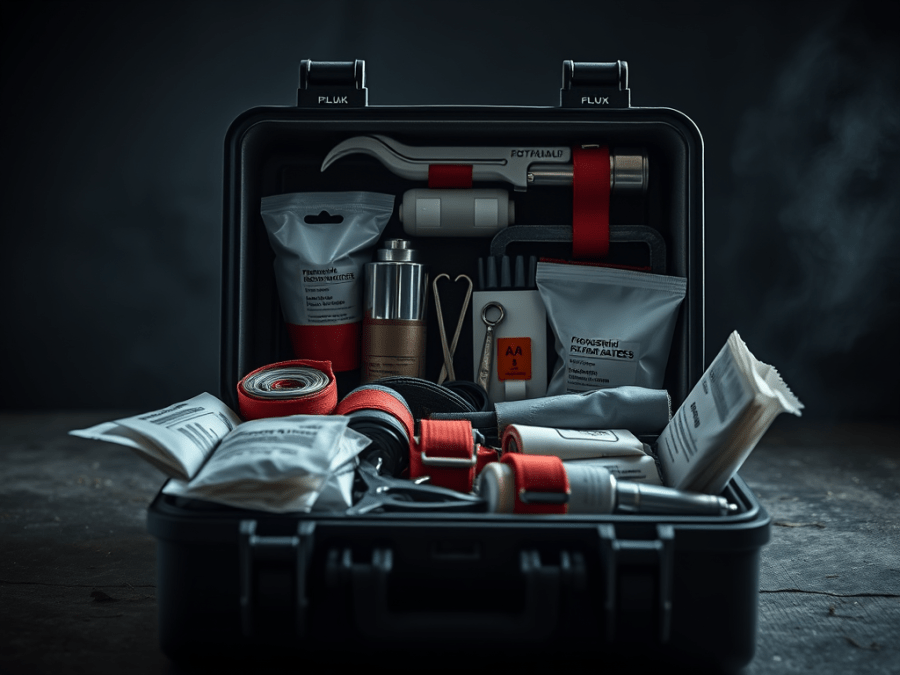
Survival Tip: Preparation is everything. Have a survival kit, know the terrain, check the weather, study local wildlife hazards, and always assume you are one bad decision away from disaster. If you’re not ready, Texas will gladly kill you without remorse.


Conclusion

Texas is no joke. Every step you take, every river you cross, every hour you spend outside, the state is silently reminding you: you are not in control. The animals, weather, highways, and even your own negligence are waiting for one slip to turn your life into a cautionary tale.

But here’s the silver lining for those stubborn enough to fight for survival: if you take these dangers seriously, educate yourself, and act decisively, you can walk through Texas alive. It requires vigilance, preparation, and an unflinching acknowledgment that the world is not your friend.

So pack your water, stock your antivenoms, learn your snakes from your rocks, and remember: Texas isn’t friendly—it’s lethal. And if you survive it, you’ve earned a medal for sheer stubbornness.

Why Most Preppers’ First Aid Kits Won’t Save Them

Let’s get something straight right from the start: most people’s first aid kits are pathetic. They’re nothing more than a plastic box of dollar-store Band-Aids, dusty ointment packets, and maybe—maybe—a sad roll of half-shredded gauze. People buy these useless kits thinking they’re “prepared,” when in reality they’re one infection, one sprain, one accident away from complete meltdown.

And the worst part? These people actually trust the system. They trust hospitals, emergency rooms, and a medical infrastructure that’s one power outage away from collapsing completely. They believe help will “always be there.” They genuinely think trained professionals will rush to assist them when things go bad.

The rest of us—the ones paying attention—know better.

When the grid goes down, when supply chains snap, when roads shut down, or when people panic and flood emergency services… you will be on your own. No ambulance. No pharmacy. No doctor on call. Just you, your knowledge, and the medical supplies you’ve actually invested in.

That is the reality every prepper must face.
And if that reality makes you uncomfortable, good. It means you’re waking up.

This article will show you exactly what you need in a real, collapse-ready first aid kit—not the fluffy civilian version. Not the “cute and colorful” kits sold in retail stores. This is the medical gear that gives you a fighting chance when the world goes silent.


WHY MOST FIRST AID KITS FAIL BEFORE YOU EVEN OPEN THEM

Let’s examine the nonsense most people rely on:

  • Adhesive strips that fall off if you look at them wrong
  • Tiny antiseptic wipes that dry out in six months
  • Scissors too dull to cut thread
  • A joke of a “CPR mask”
  • No trauma supplies whatsoever
  • No medication besides a single ibuprofen packet

These kits might help treat a paper cut… maybe. But in a real emergency? They’re dead weight.

The world is growing weaker, more complacent, and more delusional. People think medical emergencies will politely wait for backup. They think disaster will strike somewhere else. Not them. Never them.

You and I know the world doesn’t work that way.

If you want to survive, your first aid kit must be built for the ugly, unpredictable chaos reality throws at you—especially when the grid fails, help doesn’t come, and you’re the only responder.


THE PREPPER FIRST AID KIT: WHAT IT MUST INCLUDE (NO EXCUSES)

This isn’t about luxury.
This isn’t about convenience.
This is about staying alive when society’s safety nets tear apart.

Below is the gear every prepper first aid kit needs—not the soft civilian stuff, but real-world equipment useful when infrastructures crumble.


1. Trauma Supplies (The Gear That Actually Saves Lives)

When medical help is unavailable and seconds matter, you need tools that stop bleeding, stabilize injuries, and keep someone alive long enough to recover or move to safety.

Absolute essentials:

  • Tourniquet (CAT or SOFTT-W) – Not the knockoff garbage you find online.
  • Pressure bandage / Israeli bandage
  • Hemostatic gauze (QuikClot, Celox)
  • Mylar emergency blankets
  • Trauma shears that actually cut
  • Chest seals (vented preferred)
  • Compressed gauze
  • Triangle bandages

If your kit doesn’t include trauma supplies, it’s a toy—nothing more.


2. Wound Care Supplies (Because untreated wounds take people out fast)

In any situation where the grid is down, even a minor injury can turn into a major problem. Infection does not care about your optimism.

Include the following:

  • Antiseptic solution (povidone-iodine or chlorhexidine)
  • Alcohol wipes
  • Sterile gauze pads in multiple sizes
  • Medical tape (cloth and waterproof)
  • Hydrocolloid dressings
  • Antimicrobial ointment
  • Cotton pads
  • Finger splints
  • Tweezers

If you think “just washing it with water” is enough, you’re living in a fantasy.


3. Medications (The supplies everyone ignores until it’s too late)

No pharmacy.
No urgent care.
No driving to the nearest clinic.

When you’re off grid or in crisis, medications you took for granted become invaluable.

Include:

  • Ibuprofen
  • Acetaminophen
  • Aspirin
  • Antihistamines (diphenhydramine + cetirizine)
  • Anti-diarrheal tablets
  • Antacids
  • Electrolyte packets
  • Glucose gel
  • Cold/flu medications
  • Cough suppressant + expectorant
  • Topical burn gel
  • Hydrocortisone cream

You don’t need a medical degree to understand that without antibiotics or medical oversight, controlling symptoms becomes vital.


4. Splinting & Immobilization Tools

Sprains, fractures, and soft-tissue injuries become massive liabilities during emergencies.

You’ll need:

  • SAM splint
  • Elastic bandages
  • ACE wraps
  • Sling materials
  • Medical-grade tape

Mobility is survival. Injury is vulnerability. Prepare accordingly.


5. Airway & Breathing Supplies

You don’t need advanced tools. You need simple, reliable equipment that buys precious time.

  • CPR mask
  • Nasal airway (for trained individuals only)
  • Face shield
  • Emergency blanket for shock

You can’t rely on help arriving. You are the help.


6. Tools & Equipment

Your medical gear is only as good as your ability to deploy it.

Include:

  • Nitrile gloves (multiple pairs)
  • Headlamp (hands-free medical light)
  • Thermometer
  • Safety pins
  • Trauma shears
  • Compact mirror (self-inspection + signaling)
  • Waterproof cases or pouches

Tools matter as much as supplies.


7. Wilderness & Off-Grid Medical Additions

If you’re living or bugging out off grid, your medical kit must adapt to that reality.

Necessary additions:

  • Snake bite kit (not the outdated suction devices)
  • Tick removal tools
  • Burn dressings
  • Water purification tablets
  • Aloe gel
  • Antifungal cream
  • Suture kit (for trained individuals only)

When you’re miles away from help, these items are not optional—they’re survival essentials.


THE PREPPER MEDICAL MINDSET

Gear is useless without knowledge.

People think buying equipment makes them “prepared.” It doesn’t. You need training, practice, and a serious understanding that when things fall apart, you are the only medical provider available.

Learn:

  • CPR
  • Basic wound care
  • How to apply a tourniquet
  • How to splint
  • How to clean and dress wounds
  • How to recognize dehydration, heat stroke, hypothermia
  • How to manage shock

If you’re relying on the world to stay put together so you don’t have to learn these skills, you’re not a prepper—you’re a wishful thinker.


THE WORLD IS GETTING SOFTER—YOU CAN’T AFFORD TO

Modern society pretends danger doesn’t exist. It pretends emergency services will always be seconds away. It pretends medicine will never run out.

The truth?
Everything is fragile.
Everything breaks.
Everything collapses eventually.

Your first aid kit is not a hobby.
Not a “nice idea.”
Not something to buy once and forget.

It is your lifeline—the literal difference between a fixable crisis and a fatal disaster.

If you build it now, while supplies are available and society still functions, you won’t panic when the day comes that everyone else realizes how unprepared they are.

Because you’ll already be ready.

North Carolina’s Worst Roads to Drive on During a Disaster

When the storm clouds gather and the ground starts to tremble, your vehicle becomes more than just a mode of transportation—it’s your lifeline. But not all roads are created equal when it comes to survival. In North Carolina, certain routes are particularly treacherous during disaster scenarios, especially when floods, landslides, or infrastructure failures strike. As a seasoned survivalist, I’ve traversed these perilous paths and learned firsthand which roads to avoid when the SHTF.

1. Interstate 40 – Pigeon River Gorge

The Pigeon River Gorge section of I-40, stretching from the Tennessee border to Waynesville, is notorious for its narrow lanes, steep grades, and frequent fog. This area has seen numerous fatal accidents due to limited maneuvering space and challenging weather conditions. In disaster scenarios, such as landslides or flooding, this stretch becomes even more hazardous, with limited escape routes and high traffic congestion. dangerousroads.org+2en.wikipedia.org+2southernliving.com+2

2. U.S. Highway 129 – Tail of the Dragon

The Tail of the Dragon, an 11-mile stretch of U.S. Highway 129 near the Tennessee border, is infamous for its 318 curves. While popular among motorcyclists and sports car enthusiasts, this road is perilous during disasters. The tight turns and lack of guardrails make it especially dangerous in adverse conditions, leading to a high rate of accidents. dangerousroads.org

3. Blue Ridge Parkway

While the Blue Ridge Parkway offers breathtaking views, its steep drops, sharp turns, and frequent fog, especially at higher elevations, pose significant risks during disasters. In winter, the road can become icy and treacherous, leading to numerous closures and accidents. The narrow roadways and unpredictable weather make it a challenging route to navigate in emergency situations. dangerousroads.org

4. Cherohala Skyway

Connecting North Carolina with Tennessee, the Cherohala Skyway climbs to elevations over 5,400 feet. The high altitude leads to rapidly changing weather conditions, including fog and icy patches, making it perilous during disasters. The road is long and isolated, with few guardrails and minimal cell service, increasing the difficulty of emergency response. dangerousroads.org+1southernliving.com+1

5. North Carolina Highway 12 – Outer Banks Scenic Byway

Highway 12, running along the Outer Banks, is vulnerable to flooding, especially during nor’easters and hurricanes. Sections of the road have been washed away in severe storms, isolating residents and travelers. The combination of wet pavement, strong storms, and potential washouts makes this route dangerous during disaster scenarios. charlotteinjurylawyersblog.com+1injury.arnoldsmithlaw.com+1

6. Interstate 85

Interstate 85, connecting North Carolina with surrounding states, is heavily trafficked by large commercial trucks. The high volume of vehicles, combined with sections lacking adequate lighting, increases the risk of accidents, particularly during nighttime or adverse weather conditions. In disaster situations, the potential for multi-vehicle pile-ups and delays in emergency response is significant. injury.arnoldsmithlaw.com

7. U.S. Highway 64 – Franklin to Highlands

This stretch of U.S. Highway 64 is known for its narrow lanes and high rate of fatal crashes. The combination of truck traffic and challenging terrain makes it particularly dangerous during disasters. Sections of the highway can become impassable due to landslides or flooding, complicating evacuation and emergency response efforts. charlotteinjurylawyersblog.com

8. Secondary Roads in Eastern Carolina

In the aftermath of winter storms, secondary roads in Eastern Carolina remain hazardous due to ice and snow accumulation. For instance, Highway 102 in Pitt County was covered with a sheet of ice, making it a slippery drive. These backroads are often not maintained promptly, increasing the risk of accidents and delays in emergency services. witn.com

9. Private Roads in Rural Western North Carolina

In rural areas like Yancey County, many private roads remain impassable months after disasters due to lack of maintenance and repair. For example, Green Leaf Road became nearly undrivable after a storm, delaying emergency medical care and isolating residents. The poor condition of these roads can hinder evacuation and emergency response efforts. washingtonpost.com

10. Interstate 95

Interstate 95, a major north-south corridor, is heavily used by commercial trucks and travelers. The high volume of traffic, combined with sections lacking adequate lighting, increases the risk of accidents, particularly during nighttime or adverse weather conditions. In disaster situations, the potential for multi-vehicle pile-ups and delays in emergency response is significant. injury.arnoldsmithlaw.com


15 Survival Driving Skills to Help You Drive Your Way Out of a Disaster Scenario

When disaster strikes, your ability to drive safely and effectively can mean the difference between life and death. Here are 15 survival driving skills every well-prepared individual should master:

1. Situational Awareness

Always be aware of your surroundings. Monitor weather conditions, road signs, and the behavior of other drivers. This awareness allows you to anticipate hazards and make informed decisions.

2. Defensive Driving

Maintain a safe following distance, anticipate potential hazards, and always be prepared to react to the unexpected. This proactive approach reduces the risk of accidents.

3. Off-Road Navigation

In disaster scenarios, paved roads may become impassable. Learning to drive on unpaved surfaces, including mud, gravel, and sand.

4. Vehicle Recovery Techniques

When stuck in mud, sand, or snow, knowing how to recover your vehicle using traction boards, winches, or even sticks and rocks can get you out when help isn’t coming.

5. Fuel Efficiency Driving

In a crisis, fuel is gold. Learn to coast when safe, avoid hard braking or acceleration, and keep RPMs low. These habits stretch every last drop of gas.

6. Night Driving Under Stress

Your headlights won’t show everything. Practice driving without relying on high beams and scan side to side to detect movement. Reducing your speed at night is not a weakness—it’s a survival tactic.

7. Navigating Without GPS

In a grid-down scenario, GPS might be useless. Get comfortable reading paper maps, recognizing topography, and using the sun, stars, or a compass to find your way.

8. Evasive Maneuvering

If civil unrest or ambushes are a threat, learn how to execute controlled skids, J-turns, and evasive lane changes. Knowing how to lose a tail may save your life.

9. Road Hazard Recognition

Learn to identify signs of weakened bridges, downed power lines, sinkholes, and flash flood zones. If the road ahead looks sketchy, assume it is.

10. Engine Troubleshooting Under Pressure

Know how to check fuses, clean battery terminals, patch coolant leaks, and diagnose overheating. Keep tools and spare fluids in your rig.

11. Tire Repair and Maintenance

Know how to plug a puncture, reinflate a tire with a portable compressor, and even drive short distances on a flat without destroying your rim.

12. Load Balancing

Keep your bug-out gear low and centered in your vehicle. A top-heavy SUV handles poorly and may roll in tight turns or over broken ground.

13. Wading Through Water

Water crossings can end your trip—or your life. Know your vehicle’s fording depth. Enter slowly, don’t create a bow wave, and test current strength with a stick before crossing.

14. Camouflaging and Parking for Safety

If you must hide, know how to use natural cover. Avoid parking near treelines where limbs can fall or in valleys where floodwaters collect.

15. Driving in Convoy Formation

If traveling with others, learn spacing, hand signals, and contingency protocols. A tight convoy is a moving target. A loose one falls apart.


3 DIY Survival Driving Hacks When You Run Out of Gas

Running out of gas in a disaster zone isn’t just inconvenient—it’s potentially fatal. Here are three field-tested hacks that can keep you going just a little longer:

1. Siphon Gas from Abandoned Vehicles (Legally and Morally Cautiously)

Carry a siphon pump or clear plastic tubing. Insert it deep into a vehicle’s tank (best from the fuel line under the car if they have anti-siphon valves), suck to start the flow, and collect fuel in a jerry can. Always double-check the fuel type—diesel in a gas engine will ruin it.

2. DIY Alcohol/Ethanol Mix Fuel

In extreme emergencies, small amounts of denatured alcohol (like marine stove fuel), rubbing alcohol (90%+), or even high-proof liquor can be mixed with gasoline to extend range. Use no more than 10-15% alcohol per tank and only on older, non-fuel-injected engines. Filter carefully with cloth to remove contaminants.

3. Fuel Vapor Ignition Trick (Advanced Survival Hack)

If completely out of liquid fuel, and you’re driving an older carbureted engine, a tiny amount of gasoline vapor can keep it running at idle or low RPM. This requires jury-rigging a warm metal canister with a fuel-soaked rag that slowly releases vapors into the intake (not for amateurs—fire hazard is extreme). Use only as a last resort and only if you understand the mechanics.


Real-World Lessons from a Well-Traveled Survivalist

I’ve driven from the Yukon to the Yucatán and back, across deserts, through flooded jungles, and along mountain passes that would make your teeth ache. But nothing humbles you like a North Carolina disaster. Roads buckle, bridges vanish, and the humidity itself seems to thicken the fear.

I remember Hurricane Florence—watching floodwaters rise over the Tar River while locals clung to roofs and state troopers rerouted everyone west. I made the mistake of taking Highway 12 the day after. A 30-foot section had vanished overnight. One poor soul had to be chopper-lifted from his vehicle half-buried in sand.

Lesson? Always recon the route—even your exit route. Trusting a road to be there in a disaster is like trusting a candle to burn in the rain.

Keep your rig ready. Not mall-crawler ready—survival ready. Fluids topped off, spare tire aired up, cargo secured. I keep a tire repair kit, a 5-gallon jerry can, and a bug-out bag behind my seat. When the sirens wail or the skies darken, I don’t wonder where my gear is—I’m already moving.

And remember this: The best driving skill isn’t about horsepower or trick moves—it’s judgment. Know when to floor it. Know when to stop. Know when to turn around.


Final Thoughts: The Road Less Traveled May Be Your Only Option

When disaster hits, roads become lifelines—or death traps. North Carolina, with its mountainous western ridges and flood-prone coastal plains, demands respect. The worst roads during calm weather become impassable nightmares under duress. Whether you’re escaping a storm surge or evading civil unrest, your driving skills, preparation, and knowledge of the terrain will determine your fate.

So practice. Prepare. Pray, if that’s your thing. But most of all—drive like your life depends on it. Because someday, it will.

New Hampshire’s Worst Roads to Drive on During a Disaster

New Hampshire’s Worst Roads to Drive on During a Disaster: A Survivalist’s Guide to Driving Out Alive

I’ve been around the globe, traversing jungles, deserts, mountains, and urban jungles alike. If there’s one thing I’ve learned, it’s that the terrain and road conditions during a disaster dictate your survival chances behind the wheel. New Hampshire, with its rugged landscapes, winding roads, and unpredictable weather, poses unique challenges when disaster strikes.

From flash floods washing out highways to ice-covered mountain passes, the Granite State’s roads can turn from familiar routes to survival trials in moments. When everything’s at stake, your ability to drive smart and resourceful is a life-saving skill. Here’s my rundown on the worst roads to navigate in New Hampshire during a disaster—and how to survive them, including survival driving skills and some off-the-grid hacks to keep you rolling.


The Worst Roads to Drive in New Hampshire During a Disaster

1. Kancamagus Highway (NH-112):
This scenic byway is stunning in good weather but deadly when disaster hits. Narrow, winding, and surrounded by dense forest, this road is prone to landslides, fallen trees, and flash flooding during storms. Snow and ice in winter only add to the peril.

2. Route 302 through Crawford Notch:
A vital corridor through the White Mountains, Route 302 is a rocky, narrow path with steep cliffs. Rockslides, avalanches, and ice can turn this route into a nightmare, cutting off escape routes.

3. Route 16 in the Ossipee Mountains:
Often used as a major north-south artery, this highway gets slick and treacherous with heavy rain or snow. Flooding can easily wash out sections, stranding drivers.

4. Bear Notch Road:
A steep, unpaved, and narrow mountain road often used for hiking access. It’s the kind of place that’s beautiful but unforgiving if you get caught during a disaster—mudslides and falling rocks are common.

5. Mount Washington Auto Road:
Though mostly for tourists, this road is the epitome of danger in bad weather—extreme weather can come fast, and the road has sheer drops with no guardrails in many spots.


Survival Driving Skills to Drive Your Way Out of Disaster

You might think just knowing how to drive is enough. It isn’t. You’ve got to be adaptable, calm, and technically skilled. Here are 15 survival driving skills I rely on:

1. Situational Awareness: Constantly scan the road, weather, and surroundings for hazards like falling rocks, sudden flooding, or stranded vehicles.

2. Controlled Braking: Avoid sudden stops. Use gentle, consistent pressure on brakes to maintain control, especially on slippery roads.

3. Threshold Braking: When emergency stopping, brake just before the wheels lock, maximizing stopping power without losing traction.

4. Off-Road Maneuvering: Know how to safely drive through mud, gravel, or dirt if roads are washed out or blocked.

5. Controlled Skid Recovery: When you lose traction, steer into the skid to regain control rather than overcorrecting.

6. Defensive Driving: Anticipate what other drivers or obstacles might do and plan escape routes.

7. Hill Climbing and Descending: Use low gears to control speed on steep inclines or declines, avoiding brake overheating or loss of control.

8. Tire Pressure Management: Lowering tire pressure slightly can increase traction in mud or snow but be cautious not to go too low.

9. Emergency Lane Usage: Be prepared to use shoulders or off-road areas to bypass blockages.

10. Night Driving in Poor Visibility: Use fog lights and low beams, avoid high beams in fog, and reduce speed.

11. Water Hazard Navigation: Know how to cross shallow floodwaters safely; avoid fast-moving water deeper than six inches.

12. Vehicle Weight Distribution: Understand how cargo placement affects handling, especially on slippery or uneven terrain.

13. Maintaining Momentum: When stuck in mud or snow, avoid spinning tires; gentle, consistent throttle helps keep traction.

14. Manual Transmission Mastery: Knowing how to control your vehicle without relying on automatic transmission aids in tricky spots.

15. Emergency Evacuation Route Planning: Always have alternate routes mapped out and avoid relying on GPS alone, which can fail or reroute dangerously during disasters.


3 DIY Survival Driving Hacks When You Run Out of Gas

Getting stranded without fuel is a worst-case scenario. In a disaster, help might be hours or days away. Here’s how to keep moving:

1. Use a DIY Gravity Fuel Feed:
If you have any extra gasoline in a container, you can rig a gravity feed line from the container to your fuel tank filler neck. Elevate the container above your car’s gas tank and use a flexible tube (like a cleaned-out garden hose). Open the fuel cap, insert the tube, and let gravity slowly feed the fuel into your tank. This is a slow process but can give you enough to limp to safety.

2. Create a Charcoal Briquette Starter for Emergency Heat:
When stuck and cold, keep charcoal briquettes in a small metal container inside your car, along with a small amount of dry kindling. This can be ignited carefully (outside the vehicle, with ventilation) to provide heat or help you start a small fire to melt snow for water, which could indirectly help you survive until rescue.

3. Convert Household Alcohol to Emergency Fuel (With Extreme Caution):
If you’re desperate and have access to high-proof alcohol (like ethanol-based hand sanitizer or spirits), it can be used as a fuel additive or emergency fuel in some vehicles. This requires careful mixing and knowledge of your engine type. Not ideal, but in a pinch, this can keep a vehicle running enough to escape immediate danger.


Additional Survival Tips for Driving New Hampshire’s Disaster-Prone Roads

  • Keep a Comprehensive Survival Kit in Your Vehicle: Include extra fuel, food, water, first aid, flares, a multi-tool, tire repair kit, and a portable air compressor.
  • Use All-Wheel or Four-Wheel Drive if Possible: New Hampshire’s roads during disaster demand the traction these provide.
  • Practice Off-Road Driving: Before disaster hits, get familiar with how your vehicle handles off-road conditions; many escape routes won’t be paved.
  • Learn Basic Vehicle Repairs: Knowing how to change a tire, fix a broken belt, or jump-start your battery can be the difference between life and death.
  • Stay Informed: Use weather radios and disaster apps to stay ahead of road closures or hazards.
  • Travel During Daylight: Visibility is critical; avoid night driving when possible.
  • Drive with a Buddy: If possible, travel with another vehicle for mutual aid.

Final Thoughts

New Hampshire’s natural beauty can quickly turn into a survival gauntlet during disasters. The roads that twist through the White Mountains and winding byways demand more than just a steady hand—they require knowledge, skill, and preparation. Driving yourself to safety isn’t just about having a reliable vehicle; it’s about mastering survival driving techniques and being resourceful when things go sideways.

I’ve driven in deserts where sand swallowed cars, jungles where mud dragged tires, and mountains where ice shattered vehicles. What’s common everywhere is this: preparation plus skill equals survival. Equip yourself, train yourself, and respect the roads—because in a disaster, your vehicle might just be your last lifeline.

Louisiana’s Worst Roads to Drive on During a Disaster

I’ve driven through war zones in the Middle East, flash floods in Indonesia, and blackouts in California, but let me tell you something straight—Louisiana’s roads during a disaster? They’ll test every ounce of grit, patience, and tactical skill you’ve got behind the wheel.

The roads here aren’t just roads—they’re trapdoors waiting to open. Bayous overflow, pavement buckles, potholes morph into craters, and if you’re not paying attention, you might just end up swallowed by a backwater swamp or stuck on a bridge that’s now a boat ramp. Hurricanes, flash floods, tornadoes, and heat waves? The Bayou State gets them all. And when it hits the fan, knowing which roads to avoid and how to maneuver becomes the line between making it out or becoming part of the debris.

The Louisiana Gauntlet: Roads to Avoid When It All Goes South

Here are some of the worst roads in Louisiana during a disaster—routes you should avoid like a rattlesnake in your boot:

  1. I-10 between Baton Rouge and Lafayette
    Flood-prone and prone to traffic bottlenecks, especially around the Atchafalaya Basin Bridge. If the water doesn’t get you, the stalled traffic will.
  2. I-610 in New Orleans
    A deathtrap during hurricanes. Low elevation, lots of exits prone to flooding, and traffic that grinds to a halt fast.
  3. US-90 near Morgan City
    This area’s like a sponge—it soaks up floodwaters and keeps them. Debris, broken asphalt, and submerged stretches are common.
  4. LA-1 South to Grand Isle
    Beautiful under normal skies, but it’s a one-way ticket to being stranded when the Gulf decides to rage.
  5. I-20 near Shreveport
    During tornado season, it turns into a wind tunnel. Add low visibility from storms, and it’s a high-speed hazard.
  6. Airline Highway (US-61)
    Passes through flood-prone and urban zones. Infrastructure’s outdated, and during a crisis, it’s a twisted mess.
  7. Causeway Bridge over Lake Pontchartrain
    Don’t let its beauty fool you. High winds, zero shelter, and panic drivers make it lethal in a storm.
  8. LA-70 through Assumption Parish
    A scenic drive turned swampy rollercoaster when the water rises.
  9. Chef Menteur Highway
    Long, flat, and exposed—especially dangerous during storm surge conditions.
  10. River Road in Baton Rouge
    Flirts with the Mississippi. One good surge and the whole route can disappear.

Now that you know what roads to think twice about, let’s get into how you survive them when you don’t have a choice.


15 Survival Driving Skills That’ll Keep You Alive in a Disaster

  1. Situational Awareness
    Scan the road, your mirrors, the skies, and even other drivers. Awareness keeps you ahead of danger by minutes, which is a lifetime in a disaster.
  2. Off-Road Maneuvering
    Learn how to navigate mud, gravel, or grassy terrain. Sometimes the ditch is the road when the pavement’s gone.
  3. Water Wading Judgment
    Know how deep your vehicle can go. Six inches of water can cause loss of control. A foot? You’re floating.
  4. Brake Feathering
    Feather your brakes when you need control on slick roads—especially during heavy rain or floods.
  5. Throttle Control
    Smooth inputs save lives. Gunning it gets you stuck or sliding. Know when to creep and when to charge.
  6. Evasive Maneuvering
    Can you dodge a falling tree or swerving semi at 60 mph? Practice J-turns, quick swerves, and emergency braking.
  7. Map Mastery
    GPS may die. Paper maps don’t. Keep one in your glovebox with disaster escape routes marked in red.
  8. Driving Without Headlights
    Sometimes stealth matters. Know how to move silently and unseen—especially in looting-prone zones.
  9. Mechanical Literacy
    Know your vehicle. Change a tire blindfolded. Patch a radiator. Rig a fan belt with paracord if needed.
  10. Fuel Economy Driving
    No jackrabbit starts. Coast on declines. Save every drop because the next station might be 100 miles of chaos away.
  11. Convoy Driving
    If you’re with a group, learn to drive in formation. Keep spacing, use signals, and maintain visual contact.
  12. Bridge & Overpass Assessment
    Some look solid but are structurally weak after quakes or flooding. Don’t be the tester.
  13. Night Vision Discipline
    Use red light inside the vehicle. Don’t blind yourself or others with high beams when stealth or night travel’s essential.
  14. Wind Awareness
    Crosswinds can flip box trucks—and your SUV if it’s loaded top-heavy. Stay low-profile and move cautiously.
  15. Urban Escape Routes
    Study back alleys, industrial roads, and railway access paths. Cities will lock down fast—know the ratlines out.

3 DIY Survival Driving Hacks When You Run Out of Gas

Let’s say you’ve run out of fuel and you’re miles from help. Here’s how to MacGyver your way to another few miles or stay put safely:

1. The Campfire Fuel Extractor

If stranded with access to old vehicles or lawn equipment, siphon gas using a piece of hose and gravity. No hose? Melt a piece of hard plastic into a funnel and drain the fuel tank manually.

2. The Ethanol Boost

Got alcohol-based hand sanitizer, vodka, or even mouthwash? In small quantities, these can supplement gasoline in a pinch—IF your engine can handle it (older engines or multi-fuel vehicles only). Add no more than 10% volume and run gently.

3. Solar Battery Starter

No jump cables? Rig up solar lights or panels (many people have cheap solar garden lights) to trickle-charge your battery. Strip the wires, connect carefully to terminals, and give it time. It won’t start the car immediately, but over time can give you enough juice to crank once.


Final Thoughts from the Road

In Louisiana, roads are as wild as the swamps they cut through. When a disaster strikes, they morph into battlegrounds—where skill, preparation, and grit will mean more than any four-wheel drive badge on your bumper. You don’t rise to the occasion, you fall to your level of training. So, train now. Drive smart. Map your exits. Keep your gear close and your instincts sharper.

Remember, survival driving isn’t about speed—it’s about making decisions that keep you rolling when others are stuck, submerged, or stranded. From the Spanish moss-covered bridges near Slidell to the cracked pavement outside of Lake Charles, every inch of this land has a story. Make sure yours doesn’t end in the ditch.

Nebraska’s Worst Roads to Drive on During a Disaster

Nebraska’s Worst Roads to Drive on During a Disaster: A Survivalist’s Hard-Learned Lessons

I’ve driven across deserts where the air could melt rubber, crossed frozen mountain passes where one wrong turn meant an icy death, and crawled through swamps that swallowed tires whole. But nowhere tests your nerves in a disaster like the flat, deceivingly gentle landscapes of Nebraska. It’s a land that hides danger in its simplicity. When the storm hits or the grid goes down, the Cornhusker State becomes a maze of impassable roads, blackouts, and waterlogged ditches.

I’ve spent years on the move, teaching myself how to survive behind the wheel. So take it from someone who’s had a few too many close calls—if you’re trying to get out of Dodge when all hell breaks loose in Nebraska, there are certain roads you’d do best to avoid. But even more importantly, you need to know how to drive when the rules no longer apply.

Let’s dig into the worst roads in Nebraska to be caught on during a crisis, then I’ll walk you through 15 survival driving skills to keep you alive, and 3 emergency hacks when the gas runs dry.


Nebraska’s Disaster-Prone Roads to Avoid

These roads might seem fine under clear skies, but when things turn south—floods, storms, civil unrest, or fuel shortages—they become traps.

1. Highway 275 (Between Norfolk and Fremont)

Flood-prone with poor drainage and aging bridges. One good storm and you’ll find yourself in a watery grave or stuck in an endless reroute.

2. Interstate 80 (Especially Omaha to Lincoln)

It’s a straight shot through the state, and that’s the problem. In a disaster, it’s a magnet for traffic jams, accidents, and panicked evacuees. You’ll be a sitting duck.

3. Highway 6

This two-lane route clogs quickly in emergencies and floods in spring storms. Visibility drops, and the ditch depth can flip your vehicle if you’re not careful.

4. Highway 20 (The Bridges to Nowhere)

In northern Nebraska, the infrastructure can’t handle a deluge. Rural bridges get washed out, and there’s nobody coming to fix them during a statewide disaster.

5. Highway 2 through the Sandhills

Beautiful terrain but treacherous when wet or snowy. No cell service for miles, and breakdowns here mean you’re truly alone.

6. Loup River Valley Roads

These scenic byways turn into mud pits. You’ll sink before you see a soul. Not worth the risk unless you’re packing a winch and 72-hour rations.


15 Survival Driving Skills That Can Save Your Life

If you’ve ever driven in chaos—roads crumbling, people panicking—you know it takes more than guts. It takes skill. These are the moves that have saved me time and again.

1. Threshold Braking

Keep your tires just at the edge of locking. Perfect for wet, icy, or loose gravel situations.

2. Skid Recovery

Turn into the skid, don’t fight it. Let the tires catch naturally. Fighting it just sends you sideways into a ditch.

3. Situational Awareness

Constantly scan your environment. Don’t fixate. One eye on the road, the other on potential threats or alternate exits.

4. Low-Speed Maneuvering

When debris or stalled cars block your path, crawling through tight spaces with precision becomes your ticket out.

5. Hand Signals for Low Visibility

When tail lights are useless in smoke or blackout conditions, knowing and using hand signals for convoy communication is vital.

6. Driving Without Headlights (Stealth Mode)

You don’t always want to be seen. Learn to drive with just enough dash light and moonlight when needed.

7. River Crossing Assessment

If you have to ford water, check depth with a stick and look for current. Never cross a flowing stream above your axle unless it’s life or death.

8. Run-Flat Tire Management

Learn how to keep rolling on compromised tires, and pack tire sealant and an air compressor.

9. High-Centering Recovery

Get off the hump by letting air out of your tires slightly and using traction aids like sand ladders or even floor mats.

10. Using Terrain for Cover

Avoid ambushes or flying debris by hugging terrain contours or parking behind natural barriers.

11. Rearview Bluff

Make your vehicle look like it’s been stripped or burned to deter looters—blackened windows, fake smoke damage, or broken glass on the dash.

12. Car Barricade Breaching

Know how to slowly push aside a stalled vehicle (or other obstruction) without damaging your radiator. Go low, push near the rear quarter panel.

13. Fuel Conservation Driving

Drive in high gear, avoid rapid acceleration, and coast when possible. Every drop counts when the pumps are dry.

14. Defensive Driving Under Fire

Not metaphorical—real bullets. Zigzag, use obstacles as shields, and never stop in the open. Reverse can be just as fast as drive.

15. Escape Route Mapping

Always know three ways out: one obvious, one hidden, one crazy. Think fences you can smash, alleys, or even train tracks.


3 DIY Driving Hacks When You’re Out of Gas

Now let’s talk worst-case: you’re stranded. No gas, no AAA, just a quiet Nebraska road and a long night ahead. Here are three bushcraft-meets-automotive tricks I’ve used in the field.

1. Siphon Every Drop (Even From Yourself)

Keep a siphon hose and fuel-safe container. You’d be shocked how much fuel’s left in “dead” cars, lawn equipment, even abandoned tractors. Pro tip: rural properties often keep fuel tanks near barns. Respect private property, but survival is survival.

2. DIY Ethanol Booster

Corn country, right? If you’re desperate, ethanol or moonshine can work in small doses for older vehicles (pre-2001). Never run it straight, but you can mix it 10–20% with existing gasoline to eke out a few miles. Don’t try this in modern fuel-injected vehicles with sensors—they’ll hate it.

3. Roll and Glide Technique

Find a decline and coast. Seriously. Every foot helps. Push the vehicle onto a slope, shift into neutral, and use that to gain distance or even line of sight to rescue or fuel. Gravity never runs out.


Final Thoughts from a Road-Hardened Nomad

Nebraska’s beauty is deceptive. It looks like open country, a straight shot to safety. But under the pressure of disaster, those long roads twist into traps. With water rushing over bridges, winds flattening fields, and desperate people doing desperate things—you need more than horsepower. You need skill, planning, and a cool head.

I’ve driven out of wildfires, riots, and once, a Category 4 hurricane. But the loneliest and scariest escape I ever made was in the Nebraska Sandhills, with only a half tank of gas, a busted alternator, and the radio dead from EMP interference. I made it out by knowing when to drive, when to hide, and when to ditch the road entirely.

So next time you’re topping off your tank or checking your map, ask yourself: If the world went dark today, would I know how to drive my way out?

If you’re not sure, start practicing. Because in a real disaster, Google Maps won’t save you. But your skills just might.

Missouri’s Worst Roads to Drive on During a Disaster

Missouri’s Worst Roads to Drive on During a Disaster: Survivalist Guide to Driving Your Way Out

I’ve been around the globe and faced more than a few hairy situations where a vehicle was my lifeline. Whether it’s dense jungles, blistering deserts, or urban chaos, driving out of trouble requires more than just a license and a full tank. Missouri, with its diverse terrain and unpredictable weather, can become a battleground during a disaster. When roads deteriorate or nature turns hostile, only the prepared and skilled can make it through unscathed.

This isn’t just about knowing where the potholes are; it’s about understanding which routes can trap you, which roads will test your mettle, and how to handle your vehicle when everything is stacked against you.

Missouri’s Worst Roads to Drive on During a Disaster

Missouri may not have the reputation of coastal storm zones or mountain passes, but when disaster strikes — whether it’s floods, tornadoes, ice storms, or the aftermath of a man-made event — certain roads become death traps.

  1. Route 66 through the Ozarks: Once the iconic American highway, many stretches of Route 66 here are narrow, winding, and poorly maintained. During floods or heavy storms, these roads can wash out quickly or become slick and impassable.
  2. Highway 36 near Kirksville: This stretch can become a mud trap during heavy rains. It’s a vital east-west artery, but flooding often turns it into a quagmire.
  3. The Mark Twain National Forest backroads: These gravel and dirt roads are tricky in the best conditions. After storms or ice, they’re nearly impossible without proper off-road skills and vehicles.
  4. I-44 through St. Louis suburbs: The traffic congestion combined with the potential for multi-car pileups and flooding means this interstate can gridlock fast during emergencies.
  5. Highway 160 near the southern Missouri Ozarks: Known for steep inclines and sharp curves, the rain turns it into a slide zone.
  6. The Chain of Rocks Bridge approach: This bridge is a choke point during floods along the Mississippi River, with narrow shoulders and limited escape routes.
  7. Mississippi River floodplain roads: Low-lying and prone to rapid flooding, these rural routes can trap you miles from help.
  8. Highway 79 near Clarksville: This highway hugs the Mississippi and can become slick with ice or floodwaters.
  9. I-70 in rural eastern Missouri: Often neglected in winter storms, ice patches here have caused serious accidents.
  10. Highway 21 near Festus: Curvy and with poor lighting, this route can be treacherous after dark or in storm conditions.

Why Knowing These Roads Matters

If you’re trying to evacuate during a disaster, knowing the weak points in your planned route can save your life. Roads prone to flooding or landslides can leave you stranded or force you into dangerous detours. Traffic snarls on main arteries might push you to take secondary roads where your skills need to be sharp.

15 Survival Driving Skills to Drive Your Way Out of Disaster

If you want to come out alive and whole, here’s the survivalist driving skill set you need locked and loaded.

  1. Vehicle Control on Slippery Surfaces: Learn to modulate throttle and braking to avoid skidding on ice, mud, or wet leaves.
  2. Emergency Braking Techniques: Know the difference between ABS and non-ABS braking and how to use threshold braking if needed.
  3. Hill Climb and Descent Mastery: When dealing with steep or slick inclines, controlling your speed and braking without locking wheels is key.
  4. Tire Placement Precision: On narrow or rocky roads, knowing exactly where to place each tire can prevent rollovers or getting stuck.
  5. Mud and Sand Recovery: Recognize when you’re stuck and how to rock the vehicle out safely without digging yourself deeper.
  6. Water Crossing Assessment: Identify safe ford points in flooded areas—depth, current, and bottom composition.
  7. Basic Off-Road Navigation: Use natural landmarks and maps when GPS is dead or misleading.
  8. Driving Without Traction: Utilize low gears and momentum to power through loose gravel or snow.
  9. Quick Evasive Maneuvers: Swerving effectively without losing control can help avoid sudden obstacles or debris.
  10. Fuel Management and Conservation: Drive efficiently and reduce unnecessary fuel consumption in extended evacuation scenarios.
  11. Night Driving with Limited Visibility: Master low-beam use and avoid high beams in fog or heavy rain.
  12. Vehicle Inspection and Quick Repairs: Know how to check tire pressure, fluids, and basic repairs on the fly.
  13. Towing and Recovery: Use ropes or winches effectively if you or a convoy member gets stuck.
  14. Vehicle Communication: Use CB radios or walkie-talkies to coordinate if you’re traveling with others.
  15. Mental Resilience Under Stress: Staying calm and methodical prevents panic decisions that lead to accidents.

3 DIY Survival Driving Hacks When You Run Out of Gas

Running out of fuel in the middle of nowhere is a classic survival headache. But a few hacks can keep you moving or get you out of tight spots.

1. Gravity-Fed Fuel Transfer Using Clear Hose

If you have a spare container of gas, use a clear plastic hose or tubing to siphon fuel into your tank. Insert one end into the container and the other into your tank’s fuel filler, then create suction carefully by mouth or use a small pump. The clear hose lets you see when fuel flows.

2. Use Cardboard or Cloth to Improve Traction

If you stall on a slick patch with no fuel to restart, place cardboard pieces or fabric under your tires to gain traction and try to push the vehicle to a safer, more accessible spot.

3. Convert Manual Transmission Push-Start Technique

If you’re driving a manual, you can sometimes push-start the vehicle. With a little push from people or gravity (rolling downhill), put the clutch in second gear and release it quickly to start the engine without fuel injection—this can work if residual fuel is in the system or to jump a dead battery.

Final Thoughts

Missouri’s roads might not look like the wildest terrain on a map, but disaster reveals their true danger. If you’ve studied these routes, sharpened your survival driving skills, and learned a few hacks for when things go sideways, you’ll dramatically increase your chances of getting out alive.

Don’t underestimate the power of preparation and practice. Disaster driving isn’t just about speed or power—it’s about control, patience, and knowing your environment like the back of your hand. Take care, stay sharp, and keep those wheels turning.

Vermont’s Worst Roads to Drive on During a Disaster

Vermont’s Worst Roads to Drive on During a Disaster — And How to Survive Them Behind the Wheel

By: A Well-Traveled Survivalist

Let me be clear—when disaster strikes, roads become more than routes. They become lifelines, battlegrounds, and bottlenecks. I’ve driven through hurricanes in Florida, wildfire evacuations in California, and flash floods in Texas. But Vermont? Vermont’s got a whole different beast when it comes to bad roads during bad times.

Between its winding mountain passes, frost-heaved asphalt, and dense tree cover, the Green Mountain State turns into a trap when the lights go out or the weather gets mean. Whether it’s a Nor’easter burying Route 100 under three feet of snow or a flash flood taking out bridges in Windham County, if you’re not prepared to drive like your life depends on it—you’re already a victim.

Let me walk you through the worst roads to avoid (or conquer) and then arm you with 15 crucial survival driving skills. And for those who really find themselves neck-deep in trouble, I’ve got three DIY hacks to keep you moving even when the tank runs dry.


Vermont’s Worst Roads During a Disaster

Here’s a short list of Vermont roads that’ll break your spirit (or your axle) in a disaster:

  1. Route 100 (from Killington to Waterbury) – Winding, narrow, and one rockslide away from being impassable. Gorgeous in fall, deathtrap in winter.
  2. Route 9 (Bennington to Brattleboro) – Prone to flooding, steep inclines, and black ice. This one gets shut down regularly in Nor’easters.
  3. Interstate 89 (Montpelier to Burlington) – The main artery in and out of Central Vermont. In a mass exodus, this becomes a clogged mess.
  4. Route 107 (Stockbridge area) – Mountain passes and not enough guardrails. One good rainstorm and you’re on mud.
  5. Route 17 (App Gap) – Twists like a snake and climbs fast. A driver’s nightmare in snow or fog.
  6. Kelly Stand Road (Searsburg) – Dirt and isolation. You’ll lose cell service and possibly your undercarriage.
  7. Route 108 (Smugglers’ Notch) – Seasonally closed, but people still try to push through. Don’t be one of them.
  8. Lincoln Gap Road – Just avoid it. It’s basically a hiking trail someone paved.
  9. Route 15 (Hardwick to Morristown) – Flooding danger, especially during late spring thaw.
  10. Danby Mountain Road – Off-grid and often washed out. The sort of place AAA won’t find you.

15 Survival Driving Skills for Disaster Conditions

You can have the best 4×4 on the market, but without the skills to match, you’re still a target. Here’s what every survivalist driver needs to master:

  1. Off-Road Navigation – Learn to read terrain and use topographic maps. GPS is unreliable in power outages or remote terrain.
  2. Throttle Feathering – Control your gas pedal in slippery conditions. Over-acceleration leads to spinning out or getting stuck.
  3. Tire Patching and Plugging – Know how to plug a tire on the fly. Keep a kit in your glove box, and practice before it matters.
  4. Field Tire Inflation – A hand pump or portable compressor can save your ride. Drop PSI on snow; boost it back for gravel.
  5. Braking in Skid Conditions – Don’t slam the brakes. Learn threshold braking and cadence braking for older vehicles without ABS.
  6. River and Flood Crossing Judgment – Never guess depth. A 12-inch current can float most vehicles. Know when to turn back.
  7. Spotting Hazards Ahead – Train your eyes to read the road 15 seconds ahead. It buys you time to react or reroute.
  8. Driving in Reverse at Speed – Sounds crazy? Try navigating a narrow escape route in reverse without stalling or crashing.
  9. Using Mirrors Like a Pro – Your mirrors are your sixth sense. Check every 10 seconds. Blind spots kill in disasters.
  10. Utilizing Low Gears – Downshift for better control in snow, mud, or downhill slopes. Don’t burn your brakes.
  11. Driving in Convoy Formation – Stick to 3-second gaps, signal intentions, and never bunch up. Panic leads to pileups.
  12. Navigating Without Lights – Cover tail lights with tape if you’re bugging out at night. Stay under the radar.
  13. Knowing When to Ditch – If your car’s stuck and burning gas, abandon it and hike. Your life is worth more than your ride.
  14. Distraction-Free Driving – Silence the phone. Every second counts. Your focus is your strongest survival tool.
  15. Fuel Conservation Techniques – Coast when you can. Idle as little as possible. Draft behind large vehicles (safely) to reduce drag.

3 DIY Survival Driving Hacks When You’re Out of Gas

When the needle’s on E and there’s no gas station for 50 miles, ingenuity keeps you moving. Here are three tricks I’ve used or witnessed in the field:

  1. Siphon and Filter
    If you’re in a pinch and spot an abandoned vehicle, you can siphon gas with a tube and gravity. Just make sure to filter it through a shirt, coffee filter, or even moss to catch debris before pouring it into your tank.
  2. Alcohol-Based Emergency Burn
    In a gasoline shortfall, denatured alcohol or isopropyl (91% or higher) can be used sparingly in older engines. This is for carbureted engines only—fuel-injected systems may not tolerate it well. It’s risky, but it can get you a few extra miles.
  3. Pressurized Bottle Fuel Pump
    Repurpose a soda bottle with a tire valve stem and a bit of hose. Pressurize the bottle with a bike pump and gravity-feed fuel into your engine. This works best with lawn equipment fuel tanks but can keep an old ATV alive in a pinch.

Final Thoughts From the Road

Survival is about preparation, skill, and knowing when to go and when to stay put. Vermont’s roads don’t forgive ignorance or indecision. In a disaster, they get slick, jammed, or vanish altogether. I’ve seen Subarus stranded and lifted trucks washed out. It’s not about what you drive—it’s how you drive it.

Know your routes. Scout secondary options. Keep maps printed and waterproofed. Fuel up before a storm, not after. And for the love of all that’s holy, don’t trust your GPS when the sky’s falling—it doesn’t know that the bridge on Route 9 washed out last night.

Disasters favor the prepared and punish the reckless. Be the first, not the second.

New Mexico’s Worst Roads to Drive on During a Disaster

New Mexico’s Worst Roads to Drive on During a Disaster – A Survivalist’s Guide

I’ve driven through hell and back—flood zones, wildfire-razed highways, sand-covered backroads, and snow-packed mountain passes that eat city sedans for breakfast. But no state has tested my survival driving like New Mexico. When disaster strikes—be it wildfire, blizzard, flash flood, or civil unrest—the Land of Enchantment can quickly turn into the Land of Entrapment if you don’t know how to drive your way out.

I’ve scouted, survived, and charted the most dangerous routes in New Mexico under pressure. If you find yourself behind the wheel during a crisis, these roads can become deathtraps—unless you’ve got the skill, grit, and the know-how to adapt on the fly.

Let’s break it down.


The 5 Worst Roads in New Mexico to Drive on During a Disaster

  1. U.S. Route 550 (Between Bernalillo and Bloomfield)
    Nicknamed “The Death Highway,” this stretch turns deadly during rain. Flash floods from surrounding mesas can submerge sections within minutes. Its isolated layout and sparse cell coverage make it a nightmare for evac routes.
  2. NM-152 (Emory Pass through the Black Range)
    During a wildfire or snowstorm, this winding mountain road becomes a gauntlet. With sheer drop-offs and narrow switchbacks, a single wrong move means a plunge into oblivion.
  3. I-40 Eastbound near Moriarty during Winter Storms
    Black ice is the hidden enemy here. In whiteout conditions, this wide interstate turns into a twisted wreckage pile-up waiting to happen.
  4. NM-128 (Jal to Carlsbad)
    Oil truck traffic dominates this narrow, two-lane highway. Add a chemical spill or sandstorm, and you’ve got one of the most claustrophobic and hostile drives in the state.
  5. NM-4 through Jemez Mountains
    Gorgeous during fall—lethal during forest fires. One road in, one road out. Get caught here with fire behind you, and you’re boxed in.

15 Survival Driving Skills for Disaster Scenarios

You can’t rely on GPS, cell towers, or good luck out here. What you need is practiced skill. Here are 15 survival driving techniques I’ve used more than once to keep rubber on road and soul intact:

  1. Throttle Control on Loose Terrain – Sand, snow, and mud all demand delicate gas pedal handling. Slam it, and you spin. Ease in, and you crawl your way to freedom.
  2. Handbrake Steering – Learn to use your e-brake to make sharp, controlled turns in tight quarters—like mountain passes or urban chaos.
  3. Situational Awareness Scanning – Always look beyond the car ahead. Watch terrain, smoke columns, animal behavior. Everything tells a story.
  4. Brake Feathering Downhill – Avoid overheating brakes on steep slopes. Pulse them instead of constant pressure.
  5. Reverse Navigation – Practice driving backwards in a straight line and around curves. Might save your life in a blocked canyon road.
  6. Underbody Clearance Assessment – Learn to eyeball what your car can straddle versus what’ll rip your oil pan off.
  7. Off-Road Tire Pressure Adjustment – Lower PSI to 18–22 for sand or snow traction. Bring a portable compressor to re-inflate later.
  8. Driving Without Headlights – Use parking lights or fogs if stealth is needed. Don’t silhouette yourself at night.
  9. River Crossing Techniques – Walk it first if you can’t see the bottom. Enter downstream at an angle and don’t stop moving.
  10. Using a Tow Strap Alone – Learn how to anchor and ratchet yourself out with trees, rocks, or even fence posts.
  11. Quick U-Turn Maneuvering – Know your car’s minimum turn radius in crisis—especially useful when you’re boxed in.
  12. Driving with Broken Windshield Visibility – Keep a squeegee and water bottle with vinegar. In sandstorms, it’s a godsend.
  13. Dealing with Road Rage or Looters – Never engage. Keep calm, move methodically. Use evasive turns into alleys, service roads, or dry washes.
  14. Mapping Your Exit Without Tech – Keep a paper topo map in your rig. Fold it. Annotate it. Love it. GPS dies, paper doesn’t.
  15. One-Handed Drive + Weapon Readiness – If you’re in a truly bad spot, practice steering with one hand while the other is…let’s just say, busy managing security.

3 DIY Survival Driving Hacks When You Run Out of Gas

So you’re in the middle of NM-128, out of gas, and the next station is 70 miles behind you—burnt down in the last wildfire. Here’s how to get creative:

1. Alcohol-based Emergency Fuel Substitute

If you’ve got access to high-proof spirits (think 151+ proof or denatured alcohol), you can use small amounts mixed with gas in carbureted engines (not modern fuel-injected). It’s dirty, short-term, and hard on the engine—but it’ll buy you a few desperate miles.

2. Siphon with a Paracord Tube

Most vehicles are siphon-proof now—but not all. Use paracord tubing (inner strands removed) to siphon fuel from abandoned ATVs, generators, or lawn equipment. Practice the siphon technique beforehand, because if you mess it up in the field, you’ll drink gas.

3. Solar Heat Vapor Trick (Emergency Only)

In blazing sun, fuel vapors build up in tanks. Create a pressure system using black tubing and a heat chamber (a black bag filled with water). Use it to push vapors into a sealed container and then directly into a small engine. This is very experimental and dangerous. Use at your own risk and only when every other option’s gone.


Final Thoughts from the Road

New Mexico’s beauty is raw, powerful, and absolutely unforgiving. I’ve seen RVs melt into the desert floor, pickups swept away in bone-dry riverbeds that turned to whitewater in ten minutes, and motorists freeze to death just outside Taos when their apps said “mostly cloudy.”

When disaster hits, the roads don’t care about your comfort—they care about your competence. The terrain will test your instincts, and the silence will test your mental game. But with skill, calm nerves, and a vehicle prepped for the fight, you can turn the tide.

Don’t be the person who trusted traffic apps during a solar flare, or the one who believed a rental sedan could “handle it just fine.” Be the one who drives out when others stall. Be the one who lives.

Now, pack extra fuel, top off your water, and learn your roads—not when you need them, but before.

Idaho’s Worst Roads to Drive on During a Disaster

Idaho’s Worst Roads to Drive on During a Disaster – And How to Survive Them

By: A Well-Traveled Survivalist

I’ve spent the better part of three decades navigating the world’s toughest terrains, from the Andes to the Australian Outback. But I’ll tell you what—Idaho can be just as brutal when things go south. Between its mountainous topography, narrow two-lanes that snake through canyons, and high desert dust bowls, the Gem State becomes downright hostile in a disaster. If you’re unprepared, these roads won’t just delay you—they’ll swallow you whole.

In a natural disaster—whether it’s a wildfire roaring through the Sawtooths, a sudden snowstorm dumping three feet overnight, or a 6.5-magnitude earthquake cracking the highways—the road becomes your greatest adversary. Knowing which roads to avoid and how to survive the drive out can make all the difference.

The Five Worst Roads in Idaho During a Disaster

1. Highway 75 (Sawtooth Scenic Byway)
This picturesque road turns deadly fast. Rockslides, falling trees, and limited escape routes through Stanley and over Galena Summit make this a nightmare in a wildfire or earthquake.

2. U.S. Route 95 through the Salmon River Canyon
This stretch north of Riggins hugs cliffs, with only a guardrail between you and a sheer drop to the river below. In winter or during a landslide, it’s impassable.

3. Idaho State Highway 21 (Ponderosa Pine Scenic Byway)
Beautiful? Yes. Reliable? Never. Known for avalanches and being cut off by snowstorms. In a disaster, this road becomes a one-way ticket to isolation.

4. Lolo Pass (U.S. 12)
Twisting through the Bitterroots, this route can be snowed in or blocked by fallen trees for days. Poor cell reception and little traffic means if you’re stranded, you’re on your own.

5. Interstate 84 near the Snake River Canyon
You’d think an interstate would be safe, but I-84 floods, suffers from black ice, and backs up quickly near Twin Falls. Gridlock here during a mass evacuation is guaranteed.


15 Survival Driving Skills That Can Save Your Life

Now, if you’re caught out on one of these hellish stretches when disaster strikes, you need more than just a full tank and good intentions. You need driving skills that’ll get you out alive.

1. Situational Awareness
Scan constantly—rearview, sides, road conditions, skies. Don’t focus on what’s directly in front of you alone.

2. Low-Visibility Driving
Dust storm? Blizzard? Learn to follow road edge lines, use fog lights (not high beams), and drive by feel—not speed.

3. Reverse Navigation
Sometimes, going backward is safer. Learn to backtrack efficiently through narrow paths or trails using your mirrors.

4. Braking Without Skidding
Practice controlled braking on loose gravel, snow, or wet pavement. ABS helps, but know how to pump manually if it fails.

5. Off-Road Handling
Get off the pavement and know how to drive through mud, sand, and rocky terrain without getting stuck or damaging your undercarriage.

6. Steep Incline Control
Climbing a mountain pass in bad weather requires gear control and throttle modulation. Don’t burn out your engine—or your nerves.

7. Controlled Descent
Descending steep grades with cargo or passengers? Use engine braking, low gears, and avoid riding your brakes.

8. Escape Turn Maneuvers
Practice J-turns, three-point turns in tight spaces, and u-turns on steep inclines. Sometimes the road ahead isn’t worth taking.

9. Tire Repair Under Pressure
Know how to plug a tire, swap a flat, or re-inflate using a portable air compressor. Keep a can of Fix-a-Flat for emergencies.

10. Engine Cooling Tricks
In a jam, turn on your heater to siphon heat from your engine. Puddle nearby? Splash water on the radiator grill.

11. Fuel Conservation Driving
Ease off the pedal. Use the highest gear possible at the lowest RPM to extend mileage. Coast downhill when safe.

12. Battery Smart Starts
If your car’s battery dies, know how to bump start a manual, or use solar chargers or power banks on an automatic.

13. Makeshift Winching
Strap + tree + physics. If stuck, use tow straps, tree trunks, and basic pulleys (even a jack) to free your ride.

14. Urban Evac Driving
Navigate traffic jams, shoulder lanes, sidewalks—whatever gets you out. Practice map reading when GPS fails.

15. Situational Vehicle Abandonment
Know when to walk. If your vehicle becomes a liability, stash gear, mark your location, and hoof it out.


3 DIY Survival Driving Hacks When You Run Out of Gas

Even seasoned preppers get caught empty. If you run out of gas miles from nowhere, here are three hacks that might just save your hide.

1. Alcohol-Based Fuel Substitute
If you’re carrying high-proof liquor or hand sanitizer (must be at least 70% alcohol), some small engines can be coaxed to run off diluted ethanol. It’s not good for your engine long-term, but in a disaster? It’ll get you a few miles.

2. Fuel Scavenging from Abandoned Vehicles
Always carry a siphon hose. Pop the gas cap off any disabled car or truck—especially older ones without anti-siphon mesh. Be discreet, and remember: desperation isn’t theft during collapse.

3. Solar-Powered Vehicle Charging
For hybrids and EVs, a solar panel array (foldable mats or a rooftop rig) paired with a battery bank can recharge you just enough for short-range escapes. Keep this in your bug-out kit if you’re relying on electric.


Final Thoughts

Disaster doesn’t come with a warning label. It sneaks in on ash clouds, hidden fault lines, and sudden cloudbursts. And Idaho’s geography doesn’t care if you’ve got kids in the back or groceries in the trunk.

Survival on the road starts long before you turn the key. It begins with understanding the terrain, mastering your vehicle, and preparing for failure. Your ride can be a lifeline—or a coffin—depending on your mindset.

Pack like it’s the last time you’ll see a gas station. Drive like every second counts. And for the love of grit, respect the road. Because out here, nature always plays for keeps.