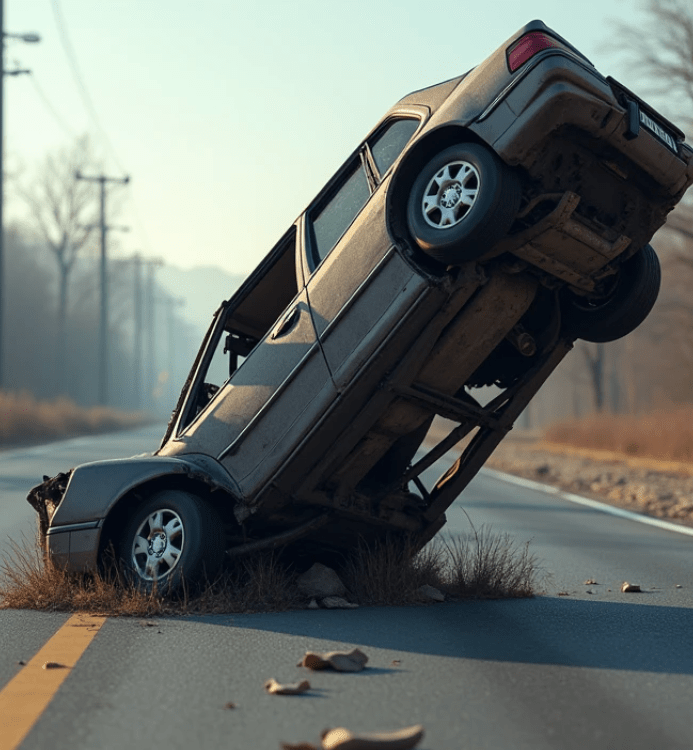
North Carolina’s Worst Roads to Drive on During a Disaster

When the storm clouds gather and the ground starts to tremble, your vehicle becomes more than just a mode of transportation—it’s your lifeline. But not all roads are created equal when it comes to survival. In North Carolina, certain routes are particularly treacherous during disaster scenarios, especially when floods, landslides, or infrastructure failures strike. As a seasoned survivalist, I’ve traversed these perilous paths and learned firsthand which roads to avoid when the SHTF.

1. Interstate 40 – Pigeon River Gorge

The Pigeon River Gorge section of I-40, stretching from the Tennessee border to Waynesville, is notorious for its narrow lanes, steep grades, and frequent fog. This area has seen numerous fatal accidents due to limited maneuvering space and challenging weather conditions. In disaster scenarios, such as landslides or flooding, this stretch becomes even more hazardous, with limited escape routes and high traffic congestion. dangerousroads.org+2en.wikipedia.org+2southernliving.com+2

2. U.S. Highway 129 – Tail of the Dragon

The Tail of the Dragon, an 11-mile stretch of U.S. Highway 129 near the Tennessee border, is infamous for its 318 curves. While popular among motorcyclists and sports car enthusiasts, this road is perilous during disasters. The tight turns and lack of guardrails make it especially dangerous in adverse conditions, leading to a high rate of accidents. dangerousroads.org

3. Blue Ridge Parkway

While the Blue Ridge Parkway offers breathtaking views, its steep drops, sharp turns, and frequent fog, especially at higher elevations, pose significant risks during disasters. In winter, the road can become icy and treacherous, leading to numerous closures and accidents. The narrow roadways and unpredictable weather make it a challenging route to navigate in emergency situations. dangerousroads.org

4. Cherohala Skyway

Connecting North Carolina with Tennessee, the Cherohala Skyway climbs to elevations over 5,400 feet. The high altitude leads to rapidly changing weather conditions, including fog and icy patches, making it perilous during disasters. The road is long and isolated, with few guardrails and minimal cell service, increasing the difficulty of emergency response. dangerousroads.org+1southernliving.com+1

5. North Carolina Highway 12 – Outer Banks Scenic Byway

Highway 12, running along the Outer Banks, is vulnerable to flooding, especially during nor’easters and hurricanes. Sections of the road have been washed away in severe storms, isolating residents and travelers. The combination of wet pavement, strong storms, and potential washouts makes this route dangerous during disaster scenarios. charlotteinjurylawyersblog.com+1injury.arnoldsmithlaw.com+1

6. Interstate 85

Interstate 85, connecting North Carolina with surrounding states, is heavily trafficked by large commercial trucks. The high volume of vehicles, combined with sections lacking adequate lighting, increases the risk of accidents, particularly during nighttime or adverse weather conditions. In disaster situations, the potential for multi-vehicle pile-ups and delays in emergency response is significant. injury.arnoldsmithlaw.com

7. U.S. Highway 64 – Franklin to Highlands

This stretch of U.S. Highway 64 is known for its narrow lanes and high rate of fatal crashes. The combination of truck traffic and challenging terrain makes it particularly dangerous during disasters. Sections of the highway can become impassable due to landslides or flooding, complicating evacuation and emergency response efforts. charlotteinjurylawyersblog.com

8. Secondary Roads in Eastern Carolina

In the aftermath of winter storms, secondary roads in Eastern Carolina remain hazardous due to ice and snow accumulation. For instance, Highway 102 in Pitt County was covered with a sheet of ice, making it a slippery drive. These backroads are often not maintained promptly, increasing the risk of accidents and delays in emergency services. witn.com

9. Private Roads in Rural Western North Carolina

In rural areas like Yancey County, many private roads remain impassable months after disasters due to lack of maintenance and repair. For example, Green Leaf Road became nearly undrivable after a storm, delaying emergency medical care and isolating residents. The poor condition of these roads can hinder evacuation and emergency response efforts. washingtonpost.com

10. Interstate 95

Interstate 95, a major north-south corridor, is heavily used by commercial trucks and travelers. The high volume of traffic, combined with sections lacking adequate lighting, increases the risk of accidents, particularly during nighttime or adverse weather conditions. In disaster situations, the potential for multi-vehicle pile-ups and delays in emergency response is significant. injury.arnoldsmithlaw.com


15 Survival Driving Skills to Help You Drive Your Way Out of a Disaster Scenario

When disaster strikes, your ability to drive safely and effectively can mean the difference between life and death. Here are 15 survival driving skills every well-prepared individual should master:

1. Situational Awareness

Always be aware of your surroundings. Monitor weather conditions, road signs, and the behavior of other drivers. This awareness allows you to anticipate hazards and make informed decisions.

2. Defensive Driving

Maintain a safe following distance, anticipate potential hazards, and always be prepared to react to the unexpected. This proactive approach reduces the risk of accidents.

3. Off-Road Navigation

In disaster scenarios, paved roads may become impassable. Learning to drive on unpaved surfaces, including mud, gravel, and sand.

4. Vehicle Recovery Techniques

When stuck in mud, sand, or snow, knowing how to recover your vehicle using traction boards, winches, or even sticks and rocks can get you out when help isn’t coming.

5. Fuel Efficiency Driving

In a crisis, fuel is gold. Learn to coast when safe, avoid hard braking or acceleration, and keep RPMs low. These habits stretch every last drop of gas.

6. Night Driving Under Stress

Your headlights won’t show everything. Practice driving without relying on high beams and scan side to side to detect movement. Reducing your speed at night is not a weakness—it’s a survival tactic.

7. Navigating Without GPS

In a grid-down scenario, GPS might be useless. Get comfortable reading paper maps, recognizing topography, and using the sun, stars, or a compass to find your way.

8. Evasive Maneuvering

If civil unrest or ambushes are a threat, learn how to execute controlled skids, J-turns, and evasive lane changes. Knowing how to lose a tail may save your life.

9. Road Hazard Recognition

Learn to identify signs of weakened bridges, downed power lines, sinkholes, and flash flood zones. If the road ahead looks sketchy, assume it is.

10. Engine Troubleshooting Under Pressure

Know how to check fuses, clean battery terminals, patch coolant leaks, and diagnose overheating. Keep tools and spare fluids in your rig.

11. Tire Repair and Maintenance

Know how to plug a puncture, reinflate a tire with a portable compressor, and even drive short distances on a flat without destroying your rim.

12. Load Balancing

Keep your bug-out gear low and centered in your vehicle. A top-heavy SUV handles poorly and may roll in tight turns or over broken ground.

13. Wading Through Water

Water crossings can end your trip—or your life. Know your vehicle’s fording depth. Enter slowly, don’t create a bow wave, and test current strength with a stick before crossing.

14. Camouflaging and Parking for Safety

If you must hide, know how to use natural cover. Avoid parking near treelines where limbs can fall or in valleys where floodwaters collect.

15. Driving in Convoy Formation

If traveling with others, learn spacing, hand signals, and contingency protocols. A tight convoy is a moving target. A loose one falls apart.


3 DIY Survival Driving Hacks When You Run Out of Gas

Running out of gas in a disaster zone isn’t just inconvenient—it’s potentially fatal. Here are three field-tested hacks that can keep you going just a little longer:

1. Siphon Gas from Abandoned Vehicles (Legally and Morally Cautiously)

Carry a siphon pump or clear plastic tubing. Insert it deep into a vehicle’s tank (best from the fuel line under the car if they have anti-siphon valves), suck to start the flow, and collect fuel in a jerry can. Always double-check the fuel type—diesel in a gas engine will ruin it.

2. DIY Alcohol/Ethanol Mix Fuel

In extreme emergencies, small amounts of denatured alcohol (like marine stove fuel), rubbing alcohol (90%+), or even high-proof liquor can be mixed with gasoline to extend range. Use no more than 10-15% alcohol per tank and only on older, non-fuel-injected engines. Filter carefully with cloth to remove contaminants.

3. Fuel Vapor Ignition Trick (Advanced Survival Hack)

If completely out of liquid fuel, and you’re driving an older carbureted engine, a tiny amount of gasoline vapor can keep it running at idle or low RPM. This requires jury-rigging a warm metal canister with a fuel-soaked rag that slowly releases vapors into the intake (not for amateurs—fire hazard is extreme). Use only as a last resort and only if you understand the mechanics.


Real-World Lessons from a Well-Traveled Survivalist

I’ve driven from the Yukon to the Yucatán and back, across deserts, through flooded jungles, and along mountain passes that would make your teeth ache. But nothing humbles you like a North Carolina disaster. Roads buckle, bridges vanish, and the humidity itself seems to thicken the fear.

I remember Hurricane Florence—watching floodwaters rise over the Tar River while locals clung to roofs and state troopers rerouted everyone west. I made the mistake of taking Highway 12 the day after. A 30-foot section had vanished overnight. One poor soul had to be chopper-lifted from his vehicle half-buried in sand.

Lesson? Always recon the route—even your exit route. Trusting a road to be there in a disaster is like trusting a candle to burn in the rain.

Keep your rig ready. Not mall-crawler ready—survival ready. Fluids topped off, spare tire aired up, cargo secured. I keep a tire repair kit, a 5-gallon jerry can, and a bug-out bag behind my seat. When the sirens wail or the skies darken, I don’t wonder where my gear is—I’m already moving.

And remember this: The best driving skill isn’t about horsepower or trick moves—it’s judgment. Know when to floor it. Know when to stop. Know when to turn around.


Final Thoughts: The Road Less Traveled May Be Your Only Option

When disaster hits, roads become lifelines—or death traps. North Carolina, with its mountainous western ridges and flood-prone coastal plains, demands respect. The worst roads during calm weather become impassable nightmares under duress. Whether you’re escaping a storm surge or evading civil unrest, your driving skills, preparation, and knowledge of the terrain will determine your fate.

So practice. Prepare. Pray, if that’s your thing. But most of all—drive like your life depends on it. Because someday, it will.

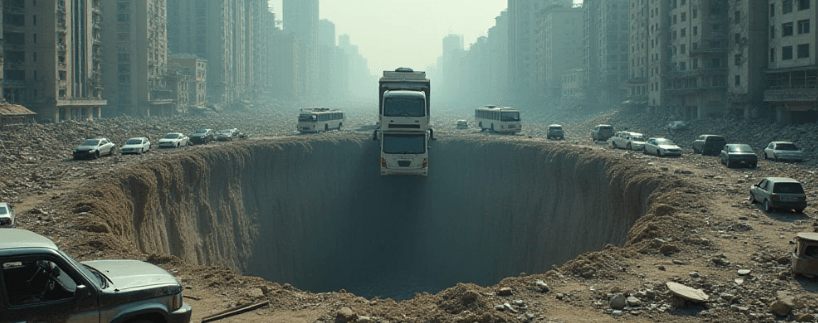
Mississippi’s Worst Roads to Drive on During a Disaster

Mississippi’s Worst Roads to Drive on During a Disaster: A Survivalist’s Field Guide

I’ve spent a fair share of my life behind the wheel—traversing deserts, dodging floods in the Amazon basin, crawling over icy switchbacks in the Alps, and even navigating war-torn backroads in Eastern Europe. But if there’s one place that surprises you when disaster strikes, it’s Mississippi. She might wear a calm, slow-moving Southern charm on the surface, but when nature loses her temper, the Magnolia State’s roads turn into a web of pitfalls, traps, and survival puzzles that test your grit behind the wheel.

In disaster scenarios—be it hurricanes, floods, tornados, or civil unrest—your vehicle becomes more than transportation. It becomes your mobile shelter, your escape route, your lifeline. And you better believe the roads you choose can either carry you to safety or trap you in a nightmare. So let’s dig into it—what roads to avoid, how to drive like a survivor, and what to do when your tank runs dry in the middle of nowhere.


The Roads That Turn Against You: Mississippi’s Worst During a Disaster

1. U.S. Highway 90 – Gulf Coast
U.S. 90 hugs the Mississippi coastline—a region notorious for storm surges. During hurricanes like Katrina, this road was swallowed whole by the Gulf. Bridges collapse, lanes disappear under waves, and escape becomes impossible once the water rises. Avoid it during any coastal evacuation.

2. I-10 and the Bay St. Louis Bridge
When evacuating westward, folks hit I-10. But the bridge over Bay St. Louis? It’s a choke point. One lane closure or flood surge, and you’re stuck for hours, maybe days. If disaster’s looming, skip it.

3. Highway 49 – Hattiesburg to Gulfport
This is the main evacuation route from inland to the coast. That means in a disaster, everyone uses it. It clogs faster than a sink in a sandstorm. Plus, it’s flood-prone and riddled with low shoulders.

4. U.S. Route 61 – The Blues Highway
Stretching from Natchez to Memphis, U.S. 61 cuts through the Delta. Beautiful country—until it rains. The Delta’s flatlands mean floodwaters spread fast and wide. Visibility drops, hydroplaning increases, and shoulder pull-offs are rare.

5. Mississippi Highway 16 – Between Canton and Carthage
This road’s notorious for rural isolation. Cell signal’s weak, and it floods like clockwork every rainy season. When you’re alone out there with no signal and rising water, you’re not escaping—you’re surviving.

6. Natchez Trace Parkway
Scenic? Yes. Safe during a disaster? No. This two-lane parkway has limited exits, minimal lighting, and no commercial services. Once you’re on it, you’re committed.

7. I-55 – North-South Lifeline or Bottleneck?
It’s the primary artery between Jackson and Memphis. But with a major evacuation, it turns into a parking lot. Add a fuel shortage or a traffic incident, and it quickly becomes a metal graveyard.

8. MS Highway 24 – Between Liberty and McComb
Winding, poorly maintained, and flood-prone. When it rains, it’s a mudslide waiting to happen. Not ideal when you need speed and clarity of direction.

9. County Road 513 – Clarke County
Barely paved in sections. Full of switchbacks, logging trucks, and culverts that overflow with the slightest drizzle. Locals call it “Snakeback.” Avoid unless you’re desperate.

10. Any Backroad in the Delta During Tornado Season
Mississippi’s backroads in the Delta look quaint—until you’re racing against a twister. No cover, no exits, and crumbling asphalt. Trust me, I’ve driven those roads during storms, and it’s like rolling the dice with your life.


15 Survival Driving Skills for Disaster Scenarios

  1. Fuel Load Planning – Always start every trip with a full tank, and top off at half.
  2. Route Reconnaissance – Learn three exit routes: major road, secondary road, backroad.
  3. Night Driving without Headlights – Practice using low-beams or parking lights to stay unseen during civil unrest.
  4. Driving Through Flooded Roads – Know the depth limit (6 inches can stall most cars), and never cross moving water.
  5. Using Mirrors for Perimeter Checks – Keep aware of your six. Situational awareness prevents ambushes.
  6. Brake Fade Management – Pump brakes if descending long hills after heavy use—don’t ride them.
  7. Driving in Reverse Under Pressure – Practice reversing fast and straight in an open field or lot.
  8. Precision Steering Over Debris – Learn to aim between tire-puncturing debris in tight spaces.
  9. Push-Start (Manual Transmission) – Learn how to roll and jump-start a dead manual car.
  10. Window Exit Techniques – Know how to break glass underwater or jammed—keep a spring-loaded punch in your console.
  11. Camouflage Your Vehicle – Mud and branches can break up your silhouette from aerial drones.
  12. Off-Road Tire Pressure Adjustment – Lowering PSI gives traction in sand or mud.
  13. Roadblock Bypass – Practice turning around quickly or taking medians without damaging your undercarriage.
  14. Driving with a Blown Tire – Keep control, slow down, and ride the rim to safety if needed.
  15. Trailer Hitch Defense – Use hitches and reinforced bumpers to nudge through obstacles or abandoned vehicles.

3 DIY Survival Driving Hacks When You Run Out of Gas

  1. Gravity-Fed Fuel Siphon from Abandoned Vehicles
    Keep a length of clear tubing and a small gas can. Use gravity and suction to siphon gas from vehicles lower than yours. Be quick, be quiet, and avoid breathing fumes.
  2. Turn Your Car into a Solar Shelter
    Out of gas and sun’s beating down? Use Mylar blankets in your emergency kit to reflect sunlight away from the windows. Set up shade, insulate with clothes or mats, and use water strategically.
  3. Bike Conversion Emergency Rig
    If you’re packing minimalist, mount a folding bike on your rig. When gas runs out, detach and ride out with your bug-out bag. You can even strap small trailers to bikes to haul essentials.

Final Thoughts from the Road

Mississippi is a beautiful, complicated place. Her roads tell stories—some long and slow, others sudden and tragic. When disaster strikes, it’s not just about escape. It’s about staying sharp, planning ahead, and being willing to do what others can’t or won’t.

I’ve seen families make it out because they chose the unpaved road while others sat idling in gridlock. I’ve met men who used a siphoned quart of gas to jump two cars and carry a diabetic neighbor to safety. You don’t need to be a superhero. You just need to be prepared.

So keep your tank full, your eyes wide, and your hands steady. And when Mississippi turns mean, you’ll be the one who gets through—not because of luck, but because you drove like a survivor.

New Jersey’s Worst Roads to Drive on During a Disaster

New Jersey’s Worst Roads to Drive on During a Disaster: A Survivalist’s Guide

I’ve spent decades traversing harsh terrains, navigating everything from dense forests to urban jungles during emergencies. Nothing sharpens your survival instincts like being behind the wheel when disaster strikes. New Jersey, a state known for its bustling highways and scenic byways, has some of the trickiest roads to maneuver in crisis scenarios. Whether it’s a hurricane, flood, blackout, or a sudden evacuation, knowing which roads to avoid and how to drive like your life depends on it can mean the difference between safety and catastrophe.

Here’s my survivalist’s breakdown of New Jersey’s worst roads to drive on during a disaster, essential survival driving skills, and a few DIY hacks when your fuel runs dry. Listen close, because when the grid goes dark, and chaos rules, your driving skills are your survival kit on wheels.


The Worst Roads in New Jersey During Disaster Scenarios

1. Garden State Parkway (GSP) Southbound from Exit 105 to 63
This stretch is notorious for bottlenecks during evacuations. It snakes through dense suburban and coastal areas, making it vulnerable to flooding, especially during hurricanes. The road’s proximity to barrier islands means that floodwaters can trap cars in seconds.

2. Route 80 through Morris and Passaic Counties
While Route 80 is a major artery, in disaster situations, it quickly becomes a parking lot. Flooding and traffic collisions on steep, winding sections turn this road into a nightmare.

3. Route 46 in Bergen County
Route 46 serves as a critical evacuation route but is littered with intersections and traffic lights that become chokepoints. Heavy rain or snow turns it slick and hazardous.

4. Route 9 through Monmouth County
This road runs close to the coast and marshlands. Flooding and poor drainage can render it impassable, and it’s lined with commercial areas that trap stranded motorists.

5. The Pulaski Skyway (U.S. Routes 1 and 9)
An elevated roadway over the industrial waterfront, the Skyway is prone to accidents and closures during high winds or flooding, making detours complicated.

6. Route 287 near Morristown
Route 287 is a vital interstate connector but is subject to steep grades and sharp curves. During snow or ice, this stretch becomes treacherous.

7. Route 35 through Ocean County
A low-lying route through marshes and barrier islands, Route 35 floods easily during storms, often leaving drivers stranded.

8. Route 70 through Camden County
Known for heavy suburban traffic, Route 70’s multiple traffic signals and intersections cause gridlock in emergencies.

9. Route 18 in Middlesex County
Route 18 is a busy commuter road with frequent congestion, complicated by bridges and tunnels prone to closure.

10. Atlantic City Expressway near Atlantic County
Often used for evacuations, the Expressway can clog quickly, and limited exits increase the risk of getting stuck.


15 Survival Driving Skills to Drive Your Way Out of Disaster

Disaster driving is not your average commute. You need razor-sharp reflexes, awareness, and unconventional techniques. Here are 15 survival driving skills I swear by:

  1. Situational Awareness — Constantly scan your surroundings: other vehicles, road conditions, and possible escape routes. Disasters can create unpredictable hazards.
  2. Anticipate Hazards — Spot puddles, debris, or stalled cars early. Knowing when to slow down or maneuver can prevent accidents.
  3. Maintain a Safe Distance — In emergencies, tailgating equals disaster. Leave twice the normal distance between you and the car ahead.
  4. Smooth, Controlled Inputs — Jerk-free steering, braking, and accelerating prevent skids, especially on wet or icy roads.
  5. Master Off-Road Maneuvering — Many disaster routes force you off paved roads. Practice handling uneven terrain, mud, and sand.
  6. Hill Management — Use low gears going uphill or downhill to maintain control. Don’t ride your brakes downhill to avoid overheating.
  7. Reverse Driving Under Pressure — Sometimes you’ll need to backtrack or escape tight spots. Practice backing up quickly yet safely.
  8. Emergency Braking — Learn threshold braking to stop as quickly as possible without locking your wheels.
  9. Controlled Skid Recovery — If you lose traction, steer into the skid to regain control.
  10. Use of Engine Braking — When descending slopes, downshift to slow the vehicle and preserve brake integrity.
  11. Avoiding Hydroplaning — Slow down in standing water, avoid puddles, and don’t use cruise control.
  12. Navigating Debris — Learn to identify safe paths around fallen branches, rocks, or stranded vehicles.
  13. Using Alternate Routes — Know how to quickly evaluate side roads and lesser-used paths.
  14. Fuel Management — Drive efficiently to conserve fuel, especially when gas stations are scarce.
  15. Vehicle Communication — Use horn and headlights to signal other drivers or call for help.

3 DIY Survival Driving Hacks When You Run Out of Gas

Running out of gas in a disaster can feel like a death sentence, but with some resourcefulness, you can keep your wheels turning:

Hack 1: Emergency Gravity Feed Fuel Transfer
Carry a clean, flexible hose (about 3-4 feet). Place one end in your nearly empty gas tank’s filler neck and the other end into a spare container filled with fuel. Use gravity by elevating the container to slowly siphon fuel back into your tank. This can buy you enough distance to reach a gas station or safer location.

Hack 2: Use Alternative Fuels
If you’re desperate, some older gasoline engines can run briefly on a mixture of motor oil and gasoline in emergencies (NOT recommended for long-term use). Another option is a small container of camp stove fuel (like white gas or Coleman fuel) in an extreme pinch, but only if you know your engine can tolerate it.

Hack 3: Improvised Pedal Power
If stranded with no gas and no help nearby, consider temporarily using your vehicle as a sled. Attach a sturdy rope or tow strap to your car’s bumper and have someone pull it manually or with a secondary vehicle to a safe place. This is more feasible with smaller vehicles and should be a last resort.


Navigating New Jersey’s Disaster Roads: Final Tips

  • Know Your Vehicle: Familiarize yourself with your car’s four-wheel-drive or all-wheel-drive modes. Engage them as soon as conditions worsen.
  • Pre-Plan Your Route: Always have a backup evacuation plan. GPS can fail, so carry printed maps.
  • Prepare Your Car Kit: Include a tire repair kit, jumper cables, emergency flares, a basic toolset, extra fuel cans, and a first aid kit.
  • Stay Calm and Focused: Panic causes mistakes. Take deep breaths, focus on your driving, and don’t rush.
  • Communication is Key: Keep your phone charged and have a car charger or power bank ready.
  • Avoid Rush Hour: If possible, time your evacuation to avoid the busiest hours.

Driving through disaster zones demands respect for the power of nature and a readiness to adapt. New Jersey’s roads can be treacherous, but armed with these survival skills and knowledge of which routes to avoid, you can increase your chances of getting through safely.

Pennsylvania’s Worst Roads to Drive on During a Disaster

I’ve seen roads that chew tires like stale jerky, highways that turn into parking lots during hurricanes, and backroads where GPS gets you killed. But nowhere quite matches the unpredictable cocktail of terrain, weather, and infrastructure decay you’ll find on Pennsylvania’s worst roads during a disaster.

I’ve been up and down this state more times than I can count—bugging out from Philly riots, cutting across the Alleghenies during winter blackouts, even towing a broke-down Ford out of a Susquehanna flood zone. So when I say Pennsylvania’s roads can kill you if you’re not prepared, I mean it literally.

Let’s break down the worst offenders, give you some hard-earned survival driving skills, and toss in a few gas hacks you’ll thank me for when the pumps run dry.


The Worst Roads in PA During a Disaster

1. I-76 (Schuylkill Expressway – Philly)

Locals call it the “Surekill” for a reason. During any major disaster—be it a snowstorm, protest, or chemical spill—you’re crawling at 5 mph. Collisions are common, and escape routes are limited. The shoulder? Nonexistent in some areas.

2. I-78 Through Berks and Lehigh Counties

When the snow hits, this becomes a graveyard of jackknifed semis. With poor visibility and heavy freight traffic, you better know how to maneuver or you’ll end up part of the wreckage.

3. Route 222 (Lancaster to Reading)

Rural traffic meets sudden urban congestion. This road gets slick fast and is prone to flash flooding in low-lying farmland areas. When farmers bug out, they bring big machines—and they’ll clog up these narrow lanes.

4. PA Turnpike (Especially the Tunnel Sections)

Tunnels like Allegheny and Tuscarora can become traps during earthquakes, fire, or even just a multi-car pile-up. And let’s not forget the cash-only exits—ever try bartering jerky for a toll? Doesn’t work.

5. Route 22 (Central PA near Altoona)

This road is a mess in winter. Ice, fog, and steep curves make for lethal conditions. If you’re not ready for low visibility and tight maneuvering, stay off.

6. I-95 in Delaware County

Gridlock heaven, even on a good day. One overturned truck and you’re stuck with nowhere to go. Add panic evac traffic? Forget it.

7. Route 33 near Wind Gap

When winds scream down the mountains, semis start dancing. I’ve seen campers rolled like dice on this stretch.

8. I-81 Through Scranton

Trucker central and full of steep grades. One fuel shortage and the whole artery clogs with stalled rigs and desperate drivers.

9. Route 30 Through the Appalachian Foothills

Beautiful, sure—but it’ll get you killed if you’re not paying attention. Fallen trees, rockslides, and zero cell signal in spots.

10. Kelly Drive – Philadelphia

Scenic and suicidal during flooding. This road turns into a river every other big storm. Locals sometimes risk it, and they often regret it.


15 Survival Driving Skills to Master Now

  1. Throttle Control on Ice
    Ease into the gas. Hammering it just spins tires. Survival driving is about finesse, not force.
  2. Threshold Braking
    Master this on wet asphalt. It’s that fine line between locked wheels and total stop. Crucial during fast-developing pile-ups.
  3. Handbrake Turning
    Sometimes a 3-point turn gets you killed. A handbrake pivot can swing you 180 in seconds on gravel or ice.
  4. Engine Braking on Descents
    In mountainous terrain like the Laurel Highlands, use low gear. Don’t ride the brakes—you’ll cook ’em before you reach the valley.
  5. Spotting Escape Routes
    Constantly scan for drainage ditches, medians, and off-road paths. Sometimes you go through a field, not around it.
  6. Driving in Convoys
    Keep radio contact. Maintain enough space to swerve if the lead car gets ambushed—or crashes.
  7. Navigating Without GPS
    Old-school maps never run out of batteries. Know the stars, know the sun, and read the land.
  8. Reverse Maneuvers Under Stress
    Practice backing up full speed, around bends. You’ll need it in alleys or tunnel retreats.
  9. Driving With a Trailer
    Evac with a bug-out trailer? Learn how to reverse it properly—especially in tight spots.
  10. Night Driving Without Lights
    Use night vision if you got it. Otherwise, drive under starlight to avoid detection.
  11. Spotting Road Hazards
    Sinkholes, black ice, and fallen power lines are all over PA. Keep your eyes moving, and trust your gut.
  12. Wading Across Flooded Roads
    Know your vehicle’s fording depth. When in doubt, don’t. Most cars get swept in less than 2 feet of water.
  13. Changing a Tire Fast, in the Dark
    Practice this blindfolded. One flare or flashlight gives away your position. Silence and speed are life-saving.
  14. Driving with Broken Windows or No Windshield
    A shattered front glass can blind you. Keep goggles in your kit and know how to clear glass safely.
  15. Reading Tire Tracks
    You can tell what passed before you—how recently, how heavy, and how fast. Useful for tracking—or avoiding—others.

3 DIY Survival Driving Hacks When You Run Out of Gas

  1. Siphon the Smart Way
    Carry a hand-pump siphon. Look for stranded vehicles (RV parks are goldmines). Newer cars have anti-siphon valves, so know where to puncture the fuel line if needed—just don’t light a smoke while doing it.
  2. DIY Alcohol Fuel
    You can burn high-proof alcohol (like Everclear) in small quantities in older engines or multi-fuel vehicles. Filter it through a rag and pour small amounts mixed with regular gas. Not ideal—but it’ll get you moving.
  3. Gravity Feed System
    If your fuel pump dies, mount a gas can on your roof or roof rack and gravity-feed it to your carburetor (won’t work with fuel injection unless modified). Emergency-level stuff, but it’s saved my bacon once in West Virginia.

Final Word from the Road

Pennsylvania isn’t the easiest state to drive through on a sunny day—let alone when the sky’s falling, the roads are crumbling, and people are panicking. But survival isn’t about convenience. It’s about being ready when others freeze, flee, or fail.

Your vehicle is your lifeline—but only if you treat it like your rifle or your firestarter: with knowledge, respect, and readiness. Know the terrain, master the skills, and for the love of all things diesel, keep your tank half-full at all times.

Whether you’re dodging a storm, a riot, or just plain bad luck, remember: roads don’t kill people. Unprepared drivers do.

Iowa’s Worst Roads to Drive on During a Disaster

Iowa’s Worst Roads to Drive on During a Disaster
By a Well-Traveled Survivalist

There’s a reason most folks underestimate the land between the coasts. From a bird’s-eye view, Iowa looks like a patchwork of cornfields and gravel roads. But when a disaster strikes—be it flood, blizzard, tornado, or grid-down scenario—those roads can turn into a gauntlet. I’ve spent decades traveling through all kinds of terrain, from the jungles of Colombia to the mountain passes of Afghanistan. Let me tell you, Iowa’s backroads in the middle of a Midwestern thunderstorm? Just as dangerous as any warzone.

Disaster has a way of peeling back comfort like bark off a tree. When the sirens start, cell towers fail, and gas stations shut down, your best chance of survival might come down to your wheels and your wits. Below, I’ll lay out 15 survival driving skills every Iowan—or any prepared soul—needs to master, plus 3 DIY hacks to keep moving when your gas tank’s dry. But first, let’s talk about the battleground: Iowa’s most treacherous roads when the world goes sideways.


The Most Treacherous Roads in Iowa During a Disaster

  1. Highway 20 (Western Segment)
    Western Iowa’s stretch of Highway 20 often floods after heavy rains. During a flash flood, this corridor turns into a watery grave. Flatland runoff builds fast, and without elevation to carry it away, you’re driving blind through standing water.
  2. I-80 Between Des Moines and Iowa City
    While it’s one of the busiest interstates in Iowa, in a disaster, that’s exactly the problem. It bottlenecks fast, especially in snowstorms or mass evacuations. Don’t count on cruising this route during chaos.
  3. County Road F62 (Marion to Knoxville)
    Twisting hills and tree-lined curves make this rural gem beautiful—but deadly. In winter, it becomes a skating rink; in rain, a mudslide risk. No plows, no lights, no help.
  4. Highway 2 (Southern Iowa)
    A frequent victim of Missouri River flooding. Entire stretches of this road have been wiped out in past storms. In a bug-out situation, avoid this path unless you’ve recon’d it yourself.
  5. IA-330 Northeast of Des Moines
    Tornado alley, plain and simple. The road is exposed, isolated, and flanked by ditches—not where you want to be when twisters tear through.
  6. Gravel Roads in Tama and Poweshiek Counties
    During a disaster, GPS will push you onto these gravel roads to “save time.” Don’t fall for it. One storm and they’re impassable. Get stuck here, and you’re a sitting duck.

15 Survival Driving Skills for Disaster Scenarios

  1. Reading the Road
    If the surface looks darker than usual during rain, it’s probably deeper than you think. Water distorts depth. Know how to read the color and ripple.
  2. Driving Without GPS
    Memorize paper maps. Practice navigating with a compass and dead reckoning. Satellites fail. Your brain can’t.
  3. Off-Road Maneuvering
    Know how to use low gear, lock differentials, and feather the throttle. A field may be your only way out.
  4. Evasive Driving
    Practice J-turns and emergency braking in empty lots. If you’re chased or boxed in during civil unrest, you’ll be glad you did.
  5. Tire Change Under Pressure
    Be able to change a tire in under 5 minutes with limited visibility. Bonus points if you can do it with a busted jack.
  6. Escape Routines
    Know how to escape from a submerged vehicle, including kicking out side windows and cutting seatbelts. Timing is life.
  7. Fuel Conservation Tactics
    Learn to coast, hypermile, and minimize gear shifting. Every drop of fuel matters when there’s no refuel in sight.
  8. Navigating by Landmarks
    Learn to recognize silos, barns, water towers, and wind turbines as navigational aids. Nature and man-made markers never need batteries.
  9. Communication on the Go
    Equip your vehicle with CB radio or GMRS. When cell towers go down, this is your only lifeline.
  10. Driving in Blackout Conditions
    Practice using night vision (if you’ve got it) or driving with no lights using only moonlight and memory. Useful when stealth matters.
  11. Handling Panic Situations
    Develop muscle memory for when adrenaline spikes. Whether avoiding a downed power line or maneuvering through looters, cool heads drive better.
  12. Improvised Towing
    Use ratchet straps, tow ropes, or even paracord to pull another vehicle or debris. Just know the knots and tension limits.
  13. Winter Ice Control
    Carry sand, kitty litter, and traction boards. Learn how to rock the car back and forth to break ice grip.
  14. Engine Maintenance
    Know how to clean filters, check fluids, and jump a battery with spare wire if you don’t have jumper cables.
  15. Brake Failure Protocol
    If your brakes go, pump fast, downshift, and use the emergency brake in pulses—not one hard yank. That saves lives.

3 DIY Survival Driving Hacks When You Run Out of Gas

  1. The Ethanol Hack
    Iowa’s got corn. Lots of it. In an absolute emergency, you can distill ethanol from fermented corn mash. It’s not easy, but with copper tubing, a pressure cooker, and some time, it’s possible. Ethanol burns lean—filter it well or risk engine damage.
  2. The Lawn Mower Siphon Trick
    That old lawn mower or ATV in someone’s abandoned shed? Many of them have gas. Carry a siphon hose and a catch can. Be respectful—if it’s not yours, it might be someone else’s lifeline.
  3. Wood Gasifier Retrofit
    Advanced, but doable. With steel barrels, wood chips, and basic welding, you can create a wood gasifier to power an older carbureted engine. Think WWII truck tech. It ain’t pretty, but it rolls.

Tips for Staying Alive on Iowa Roads

  • Always carry a 72-hour car kit: water, food, wool blanket, trauma gear, jumper cables, flares.
  • Keep your gas tank no lower than half full. In a grid-down event, the line at Casey’s stretches to forever—and might never move.
  • Scout backroads now—while you still can. Drive them in daylight, mark danger spots on your maps, and cache supplies if you’re bold enough.

When the skies go black and the sirens wail, you won’t rise to the occasion. You’ll fall to the level of your training. So train hard. Know your routes. And never let your tank run dry.

The cornfields of Iowa might look peaceful, but when the world turns upside down, they’ll show you their teeth.

New Mexico’s Worst Roads to Drive on During a Disaster

New Mexico’s Worst Roads to Drive on During a Disaster – A Survivalist’s Guide

I’ve driven through hell and back—flood zones, wildfire-razed highways, sand-covered backroads, and snow-packed mountain passes that eat city sedans for breakfast. But no state has tested my survival driving like New Mexico. When disaster strikes—be it wildfire, blizzard, flash flood, or civil unrest—the Land of Enchantment can quickly turn into the Land of Entrapment if you don’t know how to drive your way out.

I’ve scouted, survived, and charted the most dangerous routes in New Mexico under pressure. If you find yourself behind the wheel during a crisis, these roads can become deathtraps—unless you’ve got the skill, grit, and the know-how to adapt on the fly.

Let’s break it down.


The 5 Worst Roads in New Mexico to Drive on During a Disaster

  1. U.S. Route 550 (Between Bernalillo and Bloomfield)
    Nicknamed “The Death Highway,” this stretch turns deadly during rain. Flash floods from surrounding mesas can submerge sections within minutes. Its isolated layout and sparse cell coverage make it a nightmare for evac routes.
  2. NM-152 (Emory Pass through the Black Range)
    During a wildfire or snowstorm, this winding mountain road becomes a gauntlet. With sheer drop-offs and narrow switchbacks, a single wrong move means a plunge into oblivion.
  3. I-40 Eastbound near Moriarty during Winter Storms
    Black ice is the hidden enemy here. In whiteout conditions, this wide interstate turns into a twisted wreckage pile-up waiting to happen.
  4. NM-128 (Jal to Carlsbad)
    Oil truck traffic dominates this narrow, two-lane highway. Add a chemical spill or sandstorm, and you’ve got one of the most claustrophobic and hostile drives in the state.
  5. NM-4 through Jemez Mountains
    Gorgeous during fall—lethal during forest fires. One road in, one road out. Get caught here with fire behind you, and you’re boxed in.

15 Survival Driving Skills for Disaster Scenarios

You can’t rely on GPS, cell towers, or good luck out here. What you need is practiced skill. Here are 15 survival driving techniques I’ve used more than once to keep rubber on road and soul intact:

  1. Throttle Control on Loose Terrain – Sand, snow, and mud all demand delicate gas pedal handling. Slam it, and you spin. Ease in, and you crawl your way to freedom.
  2. Handbrake Steering – Learn to use your e-brake to make sharp, controlled turns in tight quarters—like mountain passes or urban chaos.
  3. Situational Awareness Scanning – Always look beyond the car ahead. Watch terrain, smoke columns, animal behavior. Everything tells a story.
  4. Brake Feathering Downhill – Avoid overheating brakes on steep slopes. Pulse them instead of constant pressure.
  5. Reverse Navigation – Practice driving backwards in a straight line and around curves. Might save your life in a blocked canyon road.
  6. Underbody Clearance Assessment – Learn to eyeball what your car can straddle versus what’ll rip your oil pan off.
  7. Off-Road Tire Pressure Adjustment – Lower PSI to 18–22 for sand or snow traction. Bring a portable compressor to re-inflate later.
  8. Driving Without Headlights – Use parking lights or fogs if stealth is needed. Don’t silhouette yourself at night.
  9. River Crossing Techniques – Walk it first if you can’t see the bottom. Enter downstream at an angle and don’t stop moving.
  10. Using a Tow Strap Alone – Learn how to anchor and ratchet yourself out with trees, rocks, or even fence posts.
  11. Quick U-Turn Maneuvering – Know your car’s minimum turn radius in crisis—especially useful when you’re boxed in.
  12. Driving with Broken Windshield Visibility – Keep a squeegee and water bottle with vinegar. In sandstorms, it’s a godsend.
  13. Dealing with Road Rage or Looters – Never engage. Keep calm, move methodically. Use evasive turns into alleys, service roads, or dry washes.
  14. Mapping Your Exit Without Tech – Keep a paper topo map in your rig. Fold it. Annotate it. Love it. GPS dies, paper doesn’t.
  15. One-Handed Drive + Weapon Readiness – If you’re in a truly bad spot, practice steering with one hand while the other is…let’s just say, busy managing security.

3 DIY Survival Driving Hacks When You Run Out of Gas

So you’re in the middle of NM-128, out of gas, and the next station is 70 miles behind you—burnt down in the last wildfire. Here’s how to get creative:

1. Alcohol-based Emergency Fuel Substitute

If you’ve got access to high-proof spirits (think 151+ proof or denatured alcohol), you can use small amounts mixed with gas in carbureted engines (not modern fuel-injected). It’s dirty, short-term, and hard on the engine—but it’ll buy you a few desperate miles.

2. Siphon with a Paracord Tube

Most vehicles are siphon-proof now—but not all. Use paracord tubing (inner strands removed) to siphon fuel from abandoned ATVs, generators, or lawn equipment. Practice the siphon technique beforehand, because if you mess it up in the field, you’ll drink gas.

3. Solar Heat Vapor Trick (Emergency Only)

In blazing sun, fuel vapors build up in tanks. Create a pressure system using black tubing and a heat chamber (a black bag filled with water). Use it to push vapors into a sealed container and then directly into a small engine. This is very experimental and dangerous. Use at your own risk and only when every other option’s gone.


Final Thoughts from the Road

New Mexico’s beauty is raw, powerful, and absolutely unforgiving. I’ve seen RVs melt into the desert floor, pickups swept away in bone-dry riverbeds that turned to whitewater in ten minutes, and motorists freeze to death just outside Taos when their apps said “mostly cloudy.”

When disaster hits, the roads don’t care about your comfort—they care about your competence. The terrain will test your instincts, and the silence will test your mental game. But with skill, calm nerves, and a vehicle prepped for the fight, you can turn the tide.

Don’t be the person who trusted traffic apps during a solar flare, or the one who believed a rental sedan could “handle it just fine.” Be the one who drives out when others stall. Be the one who lives.

Now, pack extra fuel, top off your water, and learn your roads—not when you need them, but before.

Wisconsin’s Worst Roads to Drive on During a Disaster

Wisconsin’s Worst Roads to Drive on During a Disaster: A Survivalist’s Guide

When you’ve spent as much time behind the wheel as I have, clocking miles through backwoods, city chaos, and unforgiving terrain, you learn a few things the hard way. One of the golden rules of survival driving? Don’t trust the road just because it’s paved. And in Wisconsin, when the skies open up or disaster strikes, there are a few roads that go from challenging to downright deadly. I’ve driven them all—through snow squalls, floods, tornado warnings, and fire evacuations. Trust me when I say these roads demand respect.

Before I tell you which roads to avoid, let’s talk about the skills that can keep you alive behind the wheel. Because in a true disaster, your engine and your instincts are your best friends.


15 Survival Driving Skills to Help You Escape a Disaster Scenario

  1. Situational Awareness
    Don’t just drive—observe. Note exit routes, traffic flow, weather patterns, and people’s behavior. Disasters evolve quickly, and awareness gives you the edge.
  2. Low-Visibility Navigation
    Learn how to drive with limited sight. Whether it’s smoke from a wildfire or blinding snow, keeping your wheels straight and slow might be your only ticket out.
  3. Flood Driving Tactics
    Never drive through water you can’t see the bottom of. But if you must, go slow, stay in the middle of the road, and keep the revs up to avoid stalling.
  4. Off-Road Readiness
    Your car doesn’t have to be a 4×4 to survive a backroad escape. Drop tire pressure slightly, steer steady, and avoid sudden turns to handle loose gravel or mud.
  5. Escape Planning Under Duress
    Know multiple escape routes from any given location. GPS is nice—until the signal’s gone. Paper maps save lives.
  6. Panic Braking Control
    Train yourself not to slam the brakes. In a crisis, pumping the brakes or using threshold braking can prevent skidding or a full loss of control.
  7. Tactical U-Turns
    Practice tight 3-point and J-turns. If you’re blocked in or ambushed, knowing how to turn around in limited space could be life-saving.
  8. Drive-by Fire Awareness
    Wildfires are fast. Heat can burst tires, and smoke kills visibility. Keep windows up, air on recirculate, and avoid stopping near dry brush.
  9. Engine Preservation in Crisis
    Avoid overheating in slow-moving traffic by switching off the A/C, shifting to neutral when stopped, and staying off the gas.
  10. Fuel Conservation Driving
    Smooth acceleration, low RPMs, and coasting when safe can stretch a nearly empty tank farther than you’d think.
  11. Driving with a Damaged Vehicle
    Know how to handle a car with a blown tire, dragging bumper, or broken windshield. Sometimes crawling forward is better than walking.
  12. Crowd & Riot Navigation
    Stay calm, avoid eye contact, and never accelerate through crowds. If blocked in, reverse slowly or reroute altogether.
  13. No-Lights Driving
    Practice stealth driving at night without headlights. Use the moonlight and follow painted lines or the road edge if it’s safe to do so.
  14. Signal Use & Communication
    Hand signals, hazard lights, and honking rhythms can warn others of danger or show intent when electronic systems fail.
  15. Escape on Empty
    Learn to coast in neutral, avoid idling, and use gravity. Don’t burn precious fuel unless it gets you closer to safety.

3 DIY Survival Driving Hacks When You Run Out of Gas

  1. DIY Fuel from Lawn Equipment (Gas Siphoning)
    If you’re stranded near a residential area, check garages or sheds for lawnmowers or chainsaws. These often have a small stash of gasoline. Use clear tubing and gravity to siphon into a bottle—do it safely and always check for contamination.
  2. Alcohol-Based Fuel Substitutes
    In an absolute pinch, small amounts of isopropyl alcohol or denatured alcohol (from first-aid kits or stove fuel) can be mixed with the remaining gas. Don’t make a habit of it—it’s hard on your engine—but it might get you a mile or two closer to help.
  3. Portable Solar Charger for Navigation Devices
    Out of fuel but not out of options? A small solar panel charger can keep your GPS or phone alive long enough to find help. Mount it to the roof or dashboard and let it trickle charge while you assess your surroundings or prepare to walk.

Wisconsin’s Worst Roads During a Disaster

Now let’s talk Wisconsin. Most people know it for cheese and Packers, but during a flood, blizzard, or blackout, the roads here can turn lethal. Based on my experience and reports from emergency responders, here are the worst offenders:


1. I-94 Between Milwaukee and Madison

This high-volume artery gets jammed fast during an evacuation. Add a snowstorm or a wreck, and you’re parked for hours with nowhere to go.

2. Highway 35 Along the Mississippi River

Scenic? Sure. But during floods or spring thaws, this road gets washed out. It’s also narrow with few escape routes up the bluffs.

3. I-41 Through the Fox Valley

Too many drivers and too few exits. In a fire or chemical spill scenario, you could get trapped quickly between Appleton and Green Bay.

4. County Trunk Highway A in Door County

Tourist traffic clogs this scenic stretch, especially during summer. One accident and you’re stuck on a narrow peninsula with no alternate roads.

5. US-2 Through Northern Wisconsin

Isolated and poorly maintained in winter, this road turns treacherous fast. Cell service is spotty, and gas stations are miles apart.

6. Highway 29 West of Wausau

Crosswinds and black ice make this route a nightmare in winter storms. Combine that with low visibility and you’ve got a recipe for disaster.

7. I-43 Between Sheboygan and Milwaukee

Slick with freezing rain and overburdened with big rigs, this stretch bottlenecks in storms. Add panic evac traffic, and you’re going nowhere.

8. Highway 13 in the Wisconsin Dells

Tourist central. If disaster strikes in peak season, traffic grinds to a halt. Narrow side roads aren’t meant for mass evacuation.

9. State Highway 23 Through the Driftless Region

Beautiful hills, winding curves—but landslides and fallen trees after heavy rain can block entire sections with no warning.

10. Beltline Highway (US-12/18) in Madison

A short but crucial urban connector that becomes gridlocked even on a normal day. A disaster here would trap thousands between city zones.


Final Thoughts from the Road

I’ve broken axles in potholes, coasted on fumes through blizzards, and navigated washed-out backroads with nothing but a compass and instinct. Surviving on Wisconsin’s worst roads during a disaster isn’t about luck—it’s about preparation, improvisation, and guts.

Don’t wait until you’re stuck on I-94 behind a jackknifed semi to figure this stuff out. Train now. Practice these skills. Stock your car with a get-home bag, paper maps, snacks, water, and a portable battery bank. Remember, your vehicle is your first line of defense—and possibly your last chance at escape.

And above all, don’t assume the fastest route on your GPS is the safest. Sometimes, the long way through the woods is the only way home.


Texas Worst Roads to Drive on During a Disaster

Texas’s Worst Roads to Drive on During a Disaster

By a Well-Traveled Survivalist Who’s Seen the Best and the Worst of the Road

I’ve crisscrossed the American backroads more times than I can count, from snowbound Colorado passes to hurricane-ravaged Gulf shores. But let me tell you something—Texas is a different kind of beast. It’s big, it’s brash, and when disaster strikes, some of its roads become outright death traps. Whether you’re facing a flood, a wildfire, or another gridlocked evacuation, the road you choose may decide whether you make it out—or not.

Over the years, I’ve built up a set of survival driving skills that have saved my hide more than once, and I’m going to share them with you. But first, let’s talk about the roads in Texas you’ll want to avoid like a snake nest in a dry creek bed during a crisis.


Roads You Don’t Want to Be On When SHTF in Texas

1. Interstate 35 (I-35) – From Laredo to Dallas-Fort Worth

This artery is always congested, even on a good day. In a disaster, I-35 turns into a parking lot. You’re better off knowing every farm-to-market road that parallels it if you want to stay mobile.

2. Highway 290 – Austin to Houston

Flood-prone and often backed up, especially during hurricane evacuations. If water’s coming in fast or the storm’s already spun in, steer clear.

3. Interstate 10 (I-10) – Beaumont to San Antonio

When hurricanes hit, this corridor clogs up fast. It’s wide open in places, making it a wind tunnel in a storm or a frying pan in a fire.

4. Highway 6 – College Station to Houston

Tends to become a nightmare of stalled cars, especially during major storm evacuations. Low-lying sections are prone to flash flooding.

5. Loop 610 – Houston

In any kind of urban disaster, this loop can trap you like a hog in a snare. You’ll be surrounded, boxed in, and stressed to the limit.

6. Interstate 20 (I-20) – Dallas to Midland

Prone to pileups, and in a panic-driven escape, people drive like they’ve lost their minds. Visibility drops quick in West Texas dust storms.

7. US 59 – Laredo to Houston

A major route for trucking and border traffic—clogged with semis and trailers. Don’t get caught behind jackknifed rigs.

8. Farm to Market Road 1960 – North of Houston

Overbuilt, under-maintained, and a mess during any kind of storm or power outage.

9. Spaghetti Bowl – Dallas Interchange (I-30/I-35E/I-345)

Try navigating this complex tangle when the lights go out or the GPS is dead. Not a good place to be when you’re trying to keep moving.

10. State Highway 288 – Houston to Angleton

Floods fast, drains slow. There are some stretches where water lingers like bad company after a storm.


15 Survival Driving Skills That Could Save Your Life

When the pressure’s on and seconds count, driving becomes more than just a means of transport—it becomes a survival skill. Here are 15 techniques I swear by:

  1. Know Your Terrain: Study the backroads before the disaster strikes. Keep a paper map—GPS won’t always be there.
  2. Brake Control on Slopes: Learn how to pump or feather your brakes going downhill to avoid lock-up or skidding.
  3. Hydroplaning Recovery: Ease off the gas, steer straight. Do not brake hard or jerk the wheel.
  4. Driving Through Floodwater: Never if it’s over 6 inches deep—but if you must, go slow and steady. Keep engine revs up and don’t stop.
  5. Night Vision Driving: Use your low beams in fog or smoke, and keep your windshield spotless to reduce glare.
  6. Off-Road Evasion: Learn how to jump a curb or veer off-road without flipping your rig. Know your clearance and approach angles.
  7. Manual Gear Use (Even in Automatics): Downshifting can help with control in hilly terrain or when brakes are failing.
  8. Traffic Weaving: Keep a buffer zone and learn how to “thread the needle” when stalled traffic gives you only inches to work with.
  9. Engine Overheat Management: If you’re stuck crawling in heat, kill the A/C, idle in neutral, and blast the heat to draw off engine temp.
  10. Using Medians or Ditches: If blocked in, use grassy medians or shallow ditches as escape paths—know how your vehicle handles uneven ground.
  11. Fuel Efficiency Mode: Light throttle, early shifts, and coasting techniques to stretch every last drop of fuel.
  12. Aggressive Exit Maneuvers: Practice quick U-turns, reversing at speed, and J-turns if you’re in open space and need to evade.
  13. Flat Tire Management: Know how to drive 2–3 miles on a rim or flat if safety demands it. Destroying a wheel is better than losing your life.
  14. Mirror Discipline: Never stop checking your six. Rear-view awareness in chaos keeps you ahead of threats and opportunities.
  15. Team Convoy Tactics: If traveling with others, stagger formation, use radios, and assign lead/scout/cleanup roles for safety.

3 DIY Survival Driving Hacks When You Run Out of Gas

When that needle hits E and you’re nowhere near civilization, ingenuity is your best friend. These aren’t perfect, but they can give you the edge to get out alive:

1. Siphon From Abandoned Vehicles (Legally & Ethically)

Always carry a siphon kit. Even when power’s out, fuel sits in tanks. Make sure you know how to bypass anti-siphon valves. Target older vehicles for ease.

2. Alcohol-Based Emergency Burn Mix

In an absolute pinch, a high-proof alcohol mix (like Everclear) can serve as a limited substitute in older gasoline engines. It burns hotter and faster, so use cautiously and only short term. Test before relying on it.

3. Gravity Drain From Fuel Line

If you have access to a vehicle with a punctured fuel system, you can gravity-drain fuel by disconnecting the line beneath the tank (ideally while wearing gloves and using a container). Dangerous, yes, but useful.


Final Thoughts

Texas is a land of beauty, pride, and wide horizons. But it’s also a place where a lack of planning can get you stranded in a flooded bayou, trapped in bumper-to-bumper traffic, or worse. Don’t count on authorities to save you—they’ll be busy. Your best shot at survival is knowledge, practice, and readiness.

When the sky darkens and the roads jam up, you want to be the one who’s already moving. Not the one looking at taillights and rising water.

Stay sharp. Stay mobile. Stay alive.


Maine’s Worst Roads to Drive on During a Disaster

Driving Through Disaster: Survival Skills for Navigating Maine’s Worst Roads

When the sky darkens over Maine and the wind howls like a beast straight outta the North Woods, most folks hunker down. That’s fine for the average Joe with a flashlight and a backup generator. But if you’re reading this, odds are you want more than fine. You want out. You want survival. You want the ability to drive your way out of hell, should disaster strike. And I’ve seen that hell—fires out west, floods in the south, and ice storms that left a whole town without power for weeks. Maine, with its jagged coastlines, dense forests, and twisty back roads, presents its own unique set of driving nightmares when nature decides to throw a tantrum.

I’ve driven through avalanches in Alaska, hurricanes in the Carolinas, and dust storms in Arizona. But few places make me grip the wheel tighter than rural Maine when it’s gone sideways. Especially on roads like Route 9 (aka “The Airline”), sections of Route 201, or the old County roads in Aroostook when the snow hits sideways and cell service is a fantasy.

So, let me lay it down. These are the 15 survival driving skills that can mean the difference between dying in a frozen ditch and sipping hot coffee at your bug-out cabin an hour later.


15 Survival Driving Skills for Disaster Scenarios

  1. Terrain Reading: Know how to “read” the road ahead—mud ruts, snow drift patterns, or changes in elevation—can predict where your tires will lose traction before it happens.
  2. Off-Road Navigation: Don’t trust GPS when the grid’s down. Learn to navigate with a paper map and compass or just by reading the sun and terrain.
  3. Vehicle Positioning: Always drive with an “out”—space on one side of the road in case you need to bail fast or avoid a fallen tree, wild animal, or stalled vehicle.
  4. Throttle Control on Ice/Snow: Light on the gas, lighter on the brake. Sudden moves will spin you out faster than a buck in rut.
  5. Emergency Reversing: Practice backing up fast and straight down narrow dirt roads or forest trails. You may not have time to turn around.
  6. Brake Feathering: Ride your brakes gently to maintain control, especially on declines where full braking would cause a slide.
  7. Engine Braking: Use lower gears to slow your descent instead of relying solely on brakes. Keeps them from overheating and maintains traction.
  8. Tire Patch Know-How: Know how to patch a tire with a plug kit and air it up with a 12V compressor—or even use a lighter and a can of brake cleaner in a pinch.
  9. Water Crossing Judgment: Don’t just charge into a flooded road. Use a stick to test depth and current speed. Never cross water more than knee-deep unless you have a snorkel installed.
  10. Underbody Awareness: Know your clearance and where your drivetrain sits. That old tree stump hidden under snow might take your axle clean off.
  11. Fuel Management: Keep your tank over half full at all times. In Maine, the next station could be 60 miles and closed.
  12. Weight Distribution: Store gear low and center to keep your center of gravity manageable when navigating backroads or inclines.
  13. Spotting Techniques: In tough terrain, get out and walk ahead to scout. Use a buddy as a spotter when possible.
  14. Manual Transmission Proficiency: Automatics can’t always crawl out of bad spots. Manuals give you torque control—learn how to drive one.
  15. Push Start Skill: If your battery dies and you’ve got a manual transmission, know how to push-start your ride solo or with help.

The Worst Roads in Maine for Disaster Driving

Now, let’s talk terrain. In a perfect world, you’d avoid these roads in a disaster. But the real world doesn’t play fair.

  • Route 9 – “The Airline”: Long, remote stretches with sparse services and little shoulder room. In ice storms or snow, it’s a death trap.
  • Route 201 through The Forks and Jackman: Gorgeous, but isolated. Landslides and washouts have occurred here in heavy rains.
  • State Route 11 (Aroostook County): If the world ends, this area won’t find out for days. Blizzards cut this route off like a guillotine.
  • Old Logging Roads near Millinocket: Unmaintained, overgrown, and not on most maps. Floods turn them into rivers.
  • Acadia National Park Loop Road: Beautiful, but one way in and one way out. A fire or storm surge and you’re boxed in.
  • Route 27 near Stratton: Subject to black ice, moose crossings, and rockslides. Bad news in a rush.
  • Route 232 in Oxford County: Steep descents, poor cell reception, and frequent erosion.
  • Route 4 from Rangeley to Strong: Narrow, twisty mountain road with limited guardrails. Avalanche risk in winter.
  • Route 3 on Mount Desert Island: Easily flooded and jammed with evacuees during a coastal emergency.
  • County Roads in Franklin and Somerset: When not paved (and many aren’t), they dissolve into muddy chaos after a storm.

DIY Survival Driving Hacks When You Run Out of Gas

Even the best plans fail. You might find yourself with an empty tank in the middle of nowhere. Here’s how to stretch your luck.

1. Siphon with a DIY Kit

Keep a clear plastic hose (6–8 feet long) in your kit. If you find an abandoned vehicle, you can siphon out usable gas. Never use your mouth—use a squeeze pump or gravity flow.

2. Alcohol Stove + Siphoned Fuel for Signaling

Build a small alcohol stove from a soda can, and burn a tiny bit of fuel to create visible smoke. Add pine needles for black smoke. It’s not a signal fire, but it can be spotted by low-flying aircraft.

3. Gas Can Heat Trap

In cold conditions, create a heat barrier around your spare gas can using Mylar, wool blankets, and your vehicle body. This prevents the gas from thickening or separating in extreme cold, especially if it’s a lower-grade ethanol blend.


Final Words From the Road

Maine is a gorgeous state, but beauty and brutality often come hand in hand. The same forest that gives you peace today might trap you tomorrow. Disasters don’t RSVP. Storms don’t follow schedules. So you drive smart, you stay sharp, and you respect the roads.

I’ve driven out of burning wildlands with my tires half-melted, slept in my truck with wolves howling outside, and crossed washed-out bridges with nothing but a prayer and a winch line. And every single time, it came down to preparation. Your vehicle is more than a mode of transportation in a disaster—it’s your lifeline, your escape pod, and your mobile shelter.

You can’t control Mother Nature. But you can damn well outdrive her if you know how.


Louisiana Homestead Lifestyle

You wanna talk about living off the land down here in Louisiana? You better be ready to get your hands dirty, sweat through the humidity, wrestle with mosquitos the size of your fist, and learn more skills than a city slicker’s ever dreamed of. This ain’t some vacation spot for weekend gardeners or “I’ll try it once” types. Homesteading in Louisiana is a tough, relentless lifestyle that’ll chew you up if you don’t come prepared—and stay prepared.

I’ve been living this swampy, humid, sun-baked, hurricane-rattled life for years now, and lemme tell you, it’s not for the faint-hearted. You want to thrive here, not just survive? You gotta master your craft and learn the skills that’ll make this muddy, crawfish-infested, alligator-friendly land work for you—not against you.


1. Soil Management and Raised Beds

If you think you can just plant crops straight into that Louisiana clay mud, you’re dead wrong. The soil here is heavy and waterlogged. You’ve got to build raised beds or amend your soil with plenty of organic matter and sand to keep those roots from drowning in the swamp. Ain’t nobody got time for soggy roots and rot.


2. Rainwater Collection and Management

With all the rain we get, you better learn how to catch it and store it. You need barrels, gutters, and a filtration system because relying on well water or city water in rural parts is a gamble. And when the dry spells hit, that stored water is your lifeline.


3. Swamp-Aware Planting

You want to grow stuff that survives humidity, bugs, and occasional flooding? You plant what’s native or adapted. Okra, sweet potatoes, collard greens, and blackberries thrive here. Forget your northern heirlooms—they’ll rot or wilt faster than you can say “bayou.”


4. Pest Control—Mosquito Edition

You think a little bug spray’s gonna save you? Ha! Learn to build mosquito traps, use natural repellents like citronella and lemongrass, and create a habitat that doesn’t breed swarms of the little bloodsuckers. Otherwise, you’ll be itching till kingdom come.


5. Butchering and Processing Game

Alligator, squirrel, duck, and deer aren’t just for tourists to gawk at—they’re food. You better learn to clean and process your game properly or risk wasting good meat. Ain’t nobody gonna bring your dinner ready-made out here.


6. Canning and Preserving

With all this bounty from garden and swamp, you’d be an idiot not to preserve it. Whether it’s pickled okra, smoked sausage, or homemade preserves, you need to know how to store food safely for leaner times.


7. Smokehouse and Meat Curing

Heat and humidity are a homesteader’s enemy—meat spoils fast. That’s why building a smokehouse and curing meat with salt or smoke is a must. I built mine from cypress wood scraps and it’s saved countless pounds of bacon and venison from rot.


8. Composting in Humid Climate

You can’t just toss scraps and hope for compost in Louisiana. You have to turn your pile often to avoid a stinky mess that attracts critters. Learn the right mix of browns and greens, or you’ll get nothing but swamp sludge.


9. Firewood Processing and Storage

Humidity means wood rots fast. You need to cut, split, and store firewood properly off the ground, covered but ventilated, or it’s worthless by winter. And yeah, you better have a chainsaw and axe skills.


10. Beekeeping for Honey and Pollination

Bees are essential, but they don’t just show up and set up shop. You have to build hives, manage swarms, and harvest honey carefully or risk losing your whole colony to disease or predators.


11. Waterproofing and Building Raised Structures

Flooding is real. You better build your coop, barn, and root cellar on stilts or raised foundations. Otherwise, you’ll be bailing water and losing all your hard work after every storm.


12. Fishing and Trapping

Swamps and bayous are loaded with fish and critters if you know how to catch ‘em. Learn to set trotlines, gig frogs, or trap crawfish and you’ve got a steady protein source. But be legal about it—or you’ll have the wildlife officers breathing down your neck.


13. Herbal Medicine and Natural Remedies

Forget the drugstore. You better know which swamp plants soothe bites, heal wounds, or knock down fevers. Elderberry, sassafras, and mint are staples around here. It’s survival, not luxury.


14. Chainsaw Safety and Maintenance

You will need to clear downed trees, chop firewood, and build fences. Chainsaws are a homesteader’s best friend—and deadliest enemy if you don’t respect ‘em. Learn to maintain and use them properly, or you’ll be in the ER before you know it.


15. Root Cellar and Cold Storage

The southern heat is brutal. Without electricity or air conditioning, you need to build a root cellar or a cool storage pit. It’s the difference between rotting veggies and keeping your harvest fresh for weeks.


Now, Let Me Share 3 DIY Hacks I’ve Used That’ll Save Your Hide on a Louisiana Homestead

Hack #1: Mosquito Trap from a 2-Liter Bottle

Cut a 2-liter soda bottle in half. Mix water, sugar, and yeast in the bottom half to ferment. Invert the top half, funnel side down, into the base. Tape it. Mosquitoes get in chasing the CO2 and drown. Cheap, easy, and you’ll get fewer bites.


Hack #2: Raised Garden Beds with Pallets and Clay Soil

Got clay soil? Use old wooden pallets, line them with cardboard, and fill with a mix of topsoil, sand, and compost. The pallets keep your beds contained and elevated, while the cardboard rots away, improving soil texture over time. Works like a charm.


Hack #3: DIY Solar Water Heater for Bathing

Build a solar water heater by painting a black garden hose coil and attaching it to a clear plastic sheet on a frame. Lay it in the sun all day, and you’ll have warm water for washing off mud and sweat without running up your utility bill.


Final Word

This ain’t no easy life, and if you think homesteading in Louisiana is just about pretty vegetable gardens and cute chickens, you’re dead wrong. It’s a battle every single day against humidity, pests, weather, and unforgiving soil. But you do it because you want independence, because you want to eat what you grow, and because you don’t want to be dependent on grocery stores that could disappear in a storm.

If you ain’t got the grit to learn these skills, if you ain’t ready to sweat, itch, and work your hands raw, then get out of the way for those of us who do.

Louisiana homesteading isn’t for the weak. But it’s the most real way to live—rooted in the land, tied to the seasons, and tough as cypress wood.


If you want me to break down any of these skills or hacks further, or if you want more ranting about the trials of this lifestyle, just say the word. But don’t come asking for sugarcoated nonsense. We’re homesteaders, not city folk on a nature retreat.