Wisconsin Tiny Home Living: Lakeside Towns Perfect for Going Small

Wisconsin Tiny Home Living: Lakeside Towns Perfect for Going Small

by Brooke Homestead — 2025 Female Survival Prepper of the Year

Wisconsin is a treasure trove for tiny home enthusiasts who love lakes, forests, and a slower pace of life. From the sparkling shores of Lake Winnebago to the quiet northern lake districts, the Badger State offers opportunities for downsizing, minimalist living, and off-grid setups. I’m Brooke Homestead, and after years of thriving off-grid and building tiny homes, I’ll guide you through the best lakeside towns for small living, zoning realities, land costs, and climate considerations.

Best Lakeside Towns for Tiny Homes in Wisconsin: Door County and Minocqua
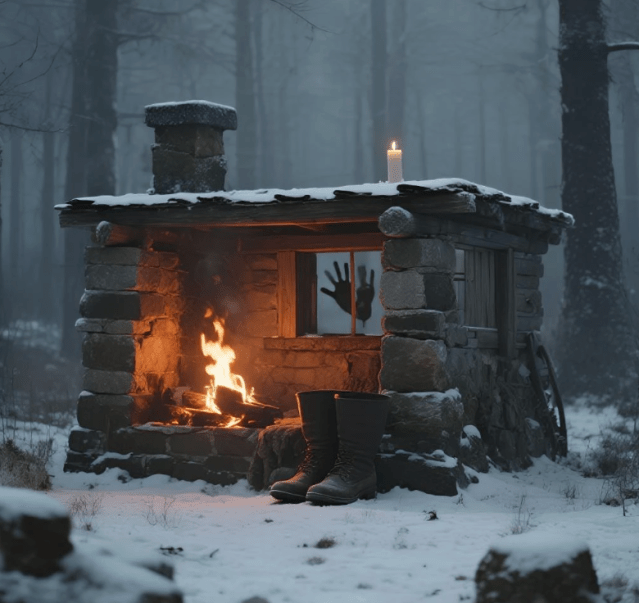
Door County — Waterfront Charm with Community Spirit

Door County is ideal for tiny home enthusiasts seeking a mix of scenic lakes, small-town life, and tourism-driven vibrancy:

  • Zoning flexibility in rural areas: Many parcels outside the main towns allow tiny homes as primary residences or accessory dwellings.
  • Land affordability: Rural lots range from $25,000–$80,000 per acre — enough space for gardens, solar panels, and small-scale off-grid systems.
  • Community mindset: Residents embrace sustainability, local farming, and outdoor recreation, making tiny homes socially welcomed.

💡 Brooke Tip: Focus on parcels a few miles inland from Lake Michigan or smaller inland lakes — you’ll avoid the highest property taxes and flood zones while still enjoying waterfront access.

Minocqua — Northern Lakes & Tranquility
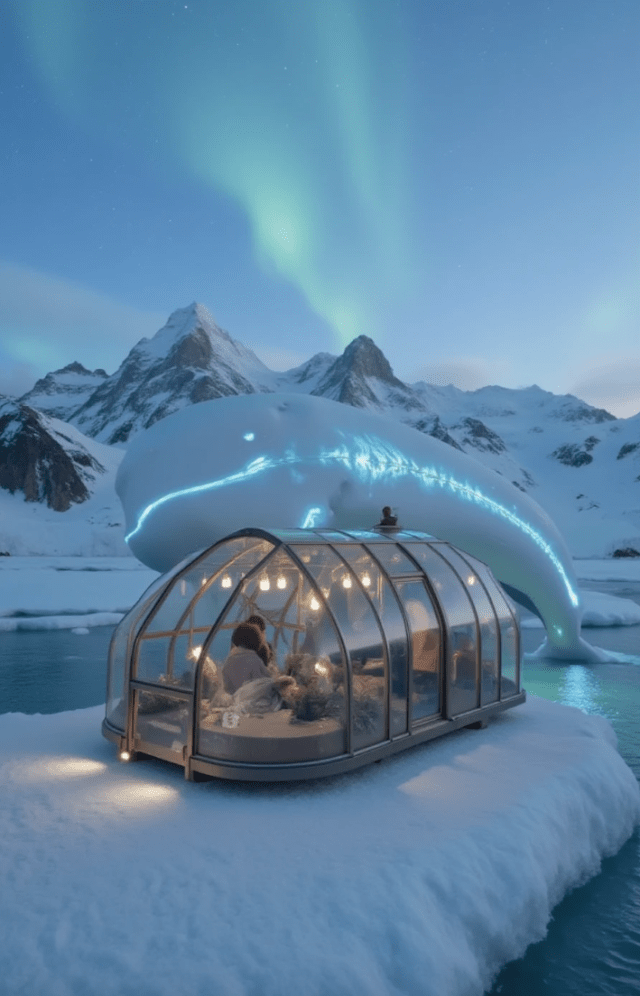
Minocqua offers peaceful lakeside living in northern Wisconsin, ideal for minimalist homesteads:

  • Rural-friendly zoning: Many parcels allow Tiny Homes on Wheels (THOWs) or foundation-based tiny homes.
  • Land affordability: Parcels typically range from $20,000–$60,000 per acre — perfect for off-grid living.
  • Community support: Residents value self-sufficiency, simplicity, and outdoor recreation.

Brooke Survival Insight: Northern Wisconsin winters are cold and snowy — insulation, heating systems, and proper roofing are essential to maintain comfort and protect your investment.

Challenging Areas for Tiny Homes in Wisconsin: Milwaukee & Madison
Urban centers present hurdles:

  • Zoning restrictions: Minimum lot sizes, historic district rules, and city ordinances limit tiny home placement.
  • High land costs: Urban parcels can exceed $100,000 per lot.
  • Limited off-grid options: Dense development restricts solar, septic, and water independence.

💡 Brooke Tip: Tiny homes in Milwaukee or Madison are mostly feasible as ADUs behind existing homes or in planned tiny home communities.

Zoning Laws in Wisconsin — Tiny Home Considerations

Wisconsin does not have a statewide tiny home law; local regulations vary:

  • Accessory Dwelling Units (ADUs): Increasingly allowed in many towns, usually 200–500 sq. ft.
  • Tiny Homes on Wheels (THOWs): Treated as RVs; generally allowed on rural private land or in RV parks.
  • Foundation-based Tiny Homes: Must meet state and local building codes, including structural, electrical, plumbing, and insulation standards.

Brooke Advice: Always check zoning with local city or county offices before purchasing land — regulations can differ widely between neighboring lakes or towns.

Cost of Land in Wisconsin — Budgeting for Tiny Homes

Land in Wisconsin varies based on proximity to lakes and towns:

  • Door County rural lots: $25,000–$80,000 per acre — ideal for semi-rural lakeside living.
  • Minocqua parcels: $20,000–$60,000 per acre — perfect for off-grid setups.
  • Milwaukee & Madison metro: $100,000+ per lot — tiny homes mostly feasible as ADUs.
  • Northern inland lakes: $15,000–$50,000 per acre — excellent for self-sufficient living.

Other costs include wells, septic systems, solar panels, driveway access, and winter-proofing.

Climate Considerations — Wisconsin Weather for Tiny Homes

Wisconsin has a humid continental climate, which affects tiny home planning:

  • Winter: Cold and snowy — proper insulation, heating systems, and snow-load roofs are essential.
  • Summer: Warm and humid — ventilation and shading maintain comfort.
  • Storms: Occasional thunderstorms and heavy rains require proper drainage and reinforced construction.
  • Flooding: Lakeside parcels need proper elevation and flood mitigation to prevent water damage.

Brooke Survival Insight: Tiny homes are compact — without proper insulation and storm prep, winters and storms can create serious discomfort or hazards.

Brooke Homestead’s Final Wisconsin Tiny Home ThoughtsTap Video Below to Watch

Wisconsin is a state where tiny home living thrives on and near lakes, offering natural beauty, outdoor recreation, and supportive communities:

  • Best Towns: Door County for waterfront charm and semi-rural amenities; Minocqua for northern lake tranquility and affordability.
  • Challenging Areas: Milwaukee and Madison due to urban density, zoning, and high land costs.
  • Planning Essentials: Verify zoning, design for snow, storms, and flooding, and consider off-grid systems for energy and water independence.

Tiny home living in Wisconsin is about resilience, simplicity, and enjoying life surrounded by lakes, forests, and friendly communities. With the right location and preparation, you can thrive in a small, sustainable home in the Badger State.


Texas Tiny Home Living: Best Cities and Worst Zoning Areas

Texas Tiny Home Living: Best Cities and Worst Zoning Areas

by Brooke Homestead — 2025 Female Survival Prepper of the Year

Texas is big. I mean really big. From the Hill Country to the deserts of West Texas, sprawling ranches to bustling cities, it’s a state that can accommodate nearly any lifestyle — including tiny home living. But size doesn’t automatically mean freedom. The Lone Star State has a mix of welcoming cities and tough zoning landscapes that can make or break your dream. I’m Brooke Homestead, and I’ve built off-grid setups in extreme climates. Today, I’ll guide you through the best cities for tiny homes in Texas and the places where zoning makes life a little trickier.


Best Cities for Tiny Homes in Texas: Austin and Fredericksburg

Austin — Culture, Community, and Tiny Home-Friendly Policies

Austin is the Texas state capital and also a city with a culture of creativity and sustainability. Tiny homes are increasingly accepted here, especially as Accessory Dwelling Units (ADUs).

Why Austin works:

  • Progressive zoning: Many neighborhoods now allow ADUs up to 400 square feet. Some districts also accept tiny homes as primary residences with proper permits.
  • Culture of innovation: The city embraces sustainability, solar energy, and alternative lifestyles — perfect for off-grid or tiny living.
  • Access to utilities and services: Even if you choose a small lot or off-grid setup, Austin provides proximity to healthcare, shops, and a thriving community.

💡 Brooke Tip: Seek parcels outside strict historic districts or single-family overlays to simplify approvals. Suburban and semi-rural areas near Austin are often the sweet spot for tiny home living.


Fredericksburg — Hill Country Charm and Rural Freedom

Fredericksburg sits in the Texas Hill Country, surrounded by rolling hills, vineyards, and open land. It’s ideal if you want space to spread out and a community that’s familiar with rural lifestyles.

Why Fredericksburg works:

  • Rural flexibility: Many parcels allow tiny homes on wheels or foundation-based homes with minimal interference from county zoning.
  • Scenic surroundings: Nature is literally at your doorstep — perfect for gardens, solar arrays, and small homesteads.
  • Community friendliness: Locals tend to respect private property rights and rural self-sufficiency, making it easier to integrate a tiny home.

Brooke Survival Insight: Water access is key in the Hill Country. Many rural lots have wells, but confirm availability before you buy. A tiny home with reliable water supply is a tiny home that survives.


Worst Zoning Areas for Tiny Homes: Houston and Dallas

Houston and Dallas are economic hubs, but zoning for tiny homes can be brutal:

  • Houston: Surprisingly tricky despite its size. While the city has no formal zoning law for most of its land, county-level permitting and utility access can be inconsistent. Tiny homes on wheels are treated like RVs, making full-time living complicated.
  • Dallas: Zoning tends to prioritize traditional housing and multifamily units. Tiny homes on private lots usually need to comply with minimum square footage rules, limiting your flexibility.

Other urban centers like San Antonio also present similar challenges — it’s not impossible, but expect bureaucracy, permit delays, and higher land costs.

Brooke Advice: If urban living is a must, consider tiny homes as ADUs behind a main residence or explore tiny home communities where regulations are built into the plan.


Zoning Laws in Texas — What Tiny Home Builders Must Know

Texas does not have statewide tiny home legislation. Tiny home legality depends on local city ordinances and county regulations. Here’s a breakdown:

  • Accessory Dwelling Units (ADUs): Growing acceptance in progressive cities like Austin and San Antonio. Usually requires adherence to local building codes.
  • Tiny Homes on Wheels (THOWs): Treated like RVs. Often allowed in RV parks, rural counties, or private lots with temporary permits.
  • Foundation-based Tiny Homes: Must comply with the International Residential Code (IRC) and local building codes. Some cities require minimum square footage for primary residences.

💡 Brooke Tip: Always call the city or county planner before buying land. I’ve seen too many tiny home dreams stall because of overlooked ordinances — especially minimum dwelling size and setback requirements.


Cost of Land in Texas — Know Your Budget

Texas land prices vary by region:

  • Rural Hill Country (Fredericksburg, Kerrville): $5,000–$15,000 per acre. Utilities and water access may need to be added.
  • Austin suburbs: $50,000–$150,000+ per small lot; tiny homes often require ADU classification.
  • Dallas/Fort Worth metro: High demand = high cost; small urban lots can easily exceed $100,000.
  • West Texas (El Paso, Marfa, remote areas): Low cost, open space, but infrastructure may be minimal.

Other costs to plan for: septic systems, wells, solar panels, road access, and permits. Off-grid readiness pays off in the long run.


Climate Considerations — Texas Weather Challenges

Texas is not uniform — climate varies from region to region:

  • Hill Country and Austin area: Hot summers, mild winters, occasional floods. Plan for heat mitigation, rainwater collection, and storm preparedness.
  • West Texas deserts: Arid, hot, and windy. Solar power and water storage are essential.
  • East Texas (piney woods): Humid, rainy summers, risk of tornadoes. Foundation and roof stability are key.
  • Metro areas: Urban heat islands, flooding in low-lying areas — plan drainage and insulation carefully.

Brooke Homestead Tip: Wherever you build, think resiliency first. Strong foundations, proper insulation, solar, and water storage are your best friends.


Brooke Homestead’s Final WordsClick Video Below to Watch

Texas is a land of extremes — big landscapes, diverse climates, and varied zoning realities. Tiny home living here is possible — but you need to pick your city wisely:

  • Best Cities: Austin for culture and policy-friendly ADUs; Fredericksburg for rural freedom and natural beauty.
  • Worst Zoning Areas: Houston and Dallas present bureaucracy, minimum square footage restrictions, and high costs.
  • Planning Is Everything: Understand local zoning, prepare for climate extremes, and budget realistically for land and infrastructure.

Tiny living is about freedom, resilience, and connection to your surroundings. Texas has the potential to offer all three — but only if you plan smart, respect the rules, and build wisely.

Ohio Tiny Homes: Best Cities for Affordable Small Living

Ohio Tiny Homes: Best Cities for Affordable Small Living

by Brooke Homestead — 2025 Female Survival Prepper of the Year

Ohio is a state of friendly communities, affordable land, and diverse landscapes — from Lake Erie shores to rolling hills and quiet suburbs. For tiny home enthusiasts, it’s a place where downsizing can be practical, economical, and rewarding. I’m Brooke Homestead, and after years of building tiny homes, thriving off-grid, and living simply, I can guide you through Ohio’s best cities for tiny homes, zoning realities, land costs, and climate considerations.


Best Cities for Tiny Homes in Ohio: Athens and Dayton

Athens — College Town with Rural Access

Athens is ideal for tiny home living because it combines progressive culture, community acceptance, and access to the countryside:

  • Zoning flexibility in rural outskirts: Many parcels allow tiny homes as primary residences or accessory dwellings.
  • Affordable land: Lots outside the city typically range from $15,000–$35,000 per acre.
  • Community mindset: Sustainability, minimalism, and small-space living are socially embraced by residents.

💡 Brooke Tip: Focus on parcels just outside Athens city limits for larger lots and more freedom to incorporate off-grid systems like solar panels, rainwater collection, and gardens.


Dayton — Affordable and Practical Tiny Living

Dayton offers an ideal mix of urban amenities, affordable land, and practical zoning for small homes:

  • Rural-friendly zoning: Many parcels in the outskirts allow tiny homes on wheels (THOWs) or foundation-based tiny homes.
  • Land affordability: Parcels range from $10,000–$30,000 per acre — excellent for off-grid or semi-rural tiny homes.
  • Community support: Residents value practicality, self-sufficiency, and simplicity.

Brooke Survival Insight: Ohio winters can be snowy and cold, while summers are humid. Proper insulation, ventilation, and weatherproofing are essential for comfort year-round.


Challenging Areas for Tiny Homes in Ohio: Cleveland & Columbus

Urban centers come with restrictions:

  • Zoning restrictions: Minimum lot sizes, urban planning codes, and historic district rules limit tiny home placement.
  • High land costs: Urban parcels often exceed $50,000–$150,000 per lot.
  • Limited off-grid options: Dense development reduces flexibility for solar, septic, and water systems.

💡 Brooke Tip: Tiny homes in Cleveland or Columbus are mostly feasible as ADUs behind existing homes or in planned small-home communities.


Zoning Laws in Ohio — Tiny Home Considerations

Ohio does not have a statewide tiny home law; local regulations vary by city and county:

  • Accessory Dwelling Units (ADUs): Allowed in some progressive towns, usually 200–500 sq. ft.
  • Tiny Homes on Wheels (THOWs): Treated as RVs; generally allowed on rural private land or in permitted RV parks.
  • Foundation-based Tiny Homes: Must meet state and local building codes, including structural, electrical, plumbing, and insulation standards.

Brooke Advice: Always check with local planning offices before buying land — rules can vary significantly even between neighboring parcels.


Cost of Land in Ohio — Budgeting for Tiny Homes

Land in Ohio is generally affordable, especially outside major metro areas:

  • Athens outskirts: $15,000–$35,000 per acre — ideal for off-grid tiny homes with gardens and solar.
  • Dayton rural lots: $10,000–$30,000 per acre — great for THOWs or foundation-based homes.
  • Cleveland & Columbus metro: $50,000+ per lot — tiny homes mostly feasible as ADUs.
  • Southern Ohio small towns: $5,000–$25,000 per acre — excellent for off-grid, minimalist living.

Other costs include wells, septic systems, solar panels, driveways, and snow preparedness.


Climate Considerations — Ohio Weather for Tiny Homes

Ohio has a humid continental climate, which affects tiny home planning:

  • Winter: Cold with snow — proper insulation and heating are essential.
  • Summer: Hot and humid — ventilation, shade, and cooling systems are important.
  • Storms: Severe thunderstorms and occasional tornadoes require reinforced construction and anchoring.
  • Rain & Flooding: Proper drainage and elevated foundations prevent water damage.

Brooke Survival Insight: Tiny homes are compact — poor insulation, ventilation, or storm prep can quickly make life uncomfortable or unsafe.


Final Homestead Thoughts

Ohio is a state where tiny home living can thrive, particularly in small cities and suburban-rural outskirts:

  • Best Cities: Athens for progressive culture and rural access; Dayton for affordability and practical zoning.
  • Challenging Areas: Cleveland and Columbus metro due to zoning, density, and higher land costs.
  • Planning Essentials: Verify zoning, plan for snow, storms, and humidity, and consider off-grid systems for water and energy.

Tiny home living in Ohio is about resilience, minimalism, and enjoying space while staying close to nature and community. With careful planning and the right city, you can thrive in a small, sustainable home surrounded by rolling hills, rivers, and friendly neighborhoods.

Brooke Homestead

Maryland’s Tiny Home Movement: Best and Worst Counties

Maryland’s Tiny Home Movement: Best and Worst Counties

by Brooke Homestead — 2025 Female Survival Prepper of the Year

Maryland may be small geographically, but it offers big opportunities for tiny home living — if you know where to look. From the Chesapeake Bay shores to the mountains of western Maryland, the state has a mix of welcoming counties and strict zoning areas that can make or break your tiny home dream. I’m Brooke Homestead, and after years of off-grid living, tiny home building, and survival prep, I know that location, zoning, and climate planning are everything when downsizing.

Here’s my guide to Maryland’s best and worst counties for tiny home living, with practical advice for building sustainably and thriving off-grid.


Best Counties for Tiny Homes in Maryland: Allegany & Garrett Counties

Allegany County — Affordable and Rural-Friendly

Allegany County, in western Maryland, offers plenty of open land and rural freedom, making it ideal for tiny homes.

Why Allegany works:

  • Rural zoning flexibility: Many parcels allow tiny homes, both foundation-based and on wheels, especially outside densely populated areas.
  • Affordable land: Acreage is reasonably priced, often $3,000–$10,000 per acre.
  • Natural resources: Rivers, forests, and hills make sustainable living practical — firewood, gardening, and water collection are all feasible.

💡 Brooke Tip: Check each parcel for well access and septic approval — utilities may not be included on more remote lots. A tiny home thrives with a reliable water source.


Garrett County — Mountain Retreat for Off-Grid Living

Garrett County, Maryland’s westernmost county, is ideal if you’re seeking quiet, forested surroundings and off-grid potential.

Why Garrett works:

  • Zoning and building codes: County codes are more accommodating in rural zones, allowing tiny homes as primary residences with proper permits.
  • Outdoor opportunities: Hiking, lakes, and forests make this county perfect for tiny home gardens, solar power, and wood heating systems.
  • Community acceptance: Small towns value independence and self-sufficiency, which aligns perfectly with tiny living.

Brooke Survival Insight: Winters are cold and snowy — plan insulation, heating, and roof load carefully. A tiny home in Garrett County must be winter-ready.


Worst Counties for Tiny Homes in Maryland: Montgomery & Howard Counties

Montgomery and Howard Counties are desirable, but zoning and regulations can make tiny home living challenging:

  • Montgomery County: Strict zoning ordinances, minimum lot sizes, and building codes make standalone tiny homes difficult. Tiny homes on wheels are often treated as RVs, limiting full-time residency.
  • Howard County: Minimum dwelling sizes, tight suburban development, and limited rural parcels restrict freedom for tiny home builders.

💡 Brooke Tip: If your heart is in these counties, consider tiny homes as ADUs behind an existing house or explore small modular homes that meet minimum square footage requirements.


Zoning Laws in Maryland — Tiny Home Considerations

Maryland does not have a statewide tiny home law, so everything depends on county and municipal rules:

  • Accessory Dwelling Units (ADUs): Allowed in many progressive counties and cities, often 200–400 sq. ft.
  • Tiny Homes on Wheels (THOWs): Treated as RVs; generally allowed in rural areas, private land, or RV parks with permits.
  • Foundation-based Tiny Homes: Must meet state and local residential building codes, including electrical, plumbing, insulation, and structural requirements.

Brooke Advice: Always contact the county zoning office before purchasing land. A parcel may seem perfect, but zoning, setbacks, or easements can prevent tiny home placement.


Cost of Land in Maryland — What to Budget For

Land prices vary widely depending on county:

  • Western Maryland (Allegany & Garrett): $3,000–$10,000 per acre — affordable and ideal for off-grid setups.
  • Central Maryland (Howard & Montgomery suburbs): $75,000–$150,000+ per small lot. Tiny home feasibility is limited due to zoning and cost.
  • Eastern Shore: $10,000–$25,000 per acre, often flood-prone; careful site selection is required.

Other costs: septic systems, wells, solar panels, and road access. Off-grid readiness pays off, especially in rural western counties.


Climate Considerations — Maryland Weather for Tiny Homes

Maryland has a four-season climate that affects tiny home design:

  • Western Maryland (mountains): Cold winters with snow; proper insulation, heating, and roof design are essential.
  • Central Maryland (Baltimore suburbs): Hot summers, mild winters; consider ventilation and humidity control.
  • Eastern Shore & coastal areas: Humid summers, occasional storms; drainage and flood planning are crucial.

Brooke Survival Insight: Tiny homes are compact — winter storms, flooding, or humidity missteps can impact your entire space. Plan accordingly.


Final Homestead Thoughts

Maryland can be a tiny home haven if you pick the right county and plan carefully:

  • Best Counties: Allegany for affordable rural land and zoning flexibility; Garrett for forested, off-grid retreats.
  • Challenging Counties: Montgomery and Howard due to strict suburban zoning and high costs.
  • Planning Essentials: Verify zoning, check utilities and water access, and prepare for seasonal weather.

Tiny home living in Maryland is about freedom, resilience, and smart planning. Choose your county wisely, build responsibly, and you can thrive in a small home surrounded by forests, rivers, and open land.

Brooke Homestead

Vermont Tiny Home Living: Best Rural Spots for Minimalist Life

Vermont Tiny Home Living: Best Rural Spots for Minimalist Life

by Brooke Homestead — 2025 Female Survival Prepper of the Year

Vermont is the kind of state that whispers promises of quiet rivers, rolling hills, and forested retreats. If you’ve ever dreamed of living small while staying close to nature, this is your paradise — provided you’re ready to embrace both the beauty and the challenge of rural New England living. I’m Brooke Homestead, and after years of off-grid survival, homesteading, and tiny home building, I’ve learned that Vermont rewards those who plan carefully, respect the land, and prepare for the realities of cold winters.

Here’s a guide to Vermont’s best rural spots for minimalist life, along with practical survival tips for off-grid tiny living.


Best Rural Spots for Tiny Homes in Vermont: Stowe and Brattleboro 🌲🏡

Stowe — Mountain Living with Accessibility

Nestled at the base of Mount Mansfield, Stowe is a dream for anyone seeking mountain views, hiking trails, and true seasonal living. It’s small enough to feel connected to a local community, yet spacious enough for tiny homes and off-grid setups.

Why Stowe works:

  • Ample rural land: Town and surrounding county zoning allow for small homes and accessory dwellings, particularly on parcels outside dense village areas.
  • Nature at your doorstep: Rivers, mountains, and forests make self-sufficiency practical — firewood, rainwater collection, and gardening are all achievable.
  • Community support: Stowe’s small-town culture is often welcoming to non-traditional housing if you maintain aesthetics and follow permitting rules.

Brooke Tip: Check with the town zoning office before purchasing property. Many plots near trails or water may have conservation easements or restrictions that could affect tiny home placement.

Brattleboro — Artistic, Rural, and Off-Grid Friendly

If you’re drawn to a community that blends art, culture, and rural simplicity, Brattleboro is worth a look. Its combination of farmland, rivers, and creative local culture makes it ideal for tiny homes and off-grid living.

Why Brattleboro works:

  • Rural flexibility: Surrounding Windham County is generally supportive of small homes, tiny cottages, and modular structures, especially when paired with sustainable systems.
  • Water and utilities access: Many parcels have well access or shared community water, making off-grid integration smoother.
  • Community mindset: The town values sustainability and alternative lifestyles, which can be helpful when navigating local zoning.

💡 Brooke Insight: Both Stowe and Brattleboro benefit from seasonal tourism, so planning your tiny home build outside peak tourist zones can keep your life peaceful and secure.


Toughest Places for Tiny Homes in Vermont: Burlington and Montpelier

Burlington and Montpelier are charming, historic, and highly desirable — but they present challenges for tiny home living:

  • High property costs: Small plots in these urban centers are expensive, often outpricing a typical tiny home budget.
  • Zoning restrictions: Urban zoning tends to favor traditional single-family dwellings or multi-family units, limiting the feasibility of free-standing tiny homes.
  • Limited rural access: Tiny homes in these areas often need to conform to ADU regulations, leaving little room for fully off-grid setups.

Brooke Tip: If your heart is set on urban Vermont, tiny living may be best achieved through ADUs or eco-village communities that allow shared infrastructure while keeping your footprint minimal.


Zoning Laws in Vermont — Key Considerations

Vermont doesn’t have a statewide law giving tiny homes automatic permission. Zoning is county and town dependent, so here’s what you need to know:

  • Accessory Dwelling Units (ADUs): Tiny homes are often permitted as secondary dwellings on existing lots.
  • Tiny Homes on Wheels (THOWs): Typically treated as RVs — allowed in some rural counties or under temporary permits.
  • Foundation-based Tiny Homes: Must meet the Vermont Residential Building Code, including minimum structural, plumbing, and insulation standards.

Brooke Advice: Always contact the local zoning office before purchasing land. What looks perfect on paper may have restrictions like wetland setbacks, forest conservation rules, or minimal square footage requirements that impact your tiny home dream.


Cost of Land in Vermont — Budget Realities 💰

Land prices in Vermont vary dramatically depending on location:

  • Rural northern areas (Stowe, Newport): $5,000–$15,000 per acre for forested or farmland parcels. Utilities may need to be installed.
  • Southern Vermont (Brattleboro, Bennington): $10,000–$25,000 per acre. Slightly higher demand due to proximity to cultural hubs.
  • Urban centers (Burlington, Montpelier): $50,000+ per small lot; tiny home builds often require ADU integration or creative zoning solutions.

💡 Brooke Survival Tip: Factor in infrastructure costs — wells, septic systems, solar setups, and road access can add thousands to your budget. Off-grid readiness is key in rural Vermont.


Climate Considerations — Vermont’s Four-Season Challenge

Vermont is beautiful — but it’s not forgiving. Tiny homes here must be prepared for cold winters, snow loads, and seasonal precipitation:

  • Winter cold: Snow and ice require strong insulation, snow-resistant roofing, and reliable heating sources (wood stoves or propane).
  • Spring thaw and rainfall: Good drainage, elevated foundations, and water diversion are essential to prevent moisture issues.
  • Summer warmth: While summers are mild, ventilation and shading still matter for comfort.

Brooke Survival Wisdom: No matter where you build, always prioritize foundation stability, moisture control, and heating efficiency. Vermont winters will teach you to respect the elements — and your tiny home should be built accordingly.


Final Homestead Thoughts

Vermont is ideal for tiny home living for those who:

  • Appreciate nature, rural life, and seasonal change
  • Are willing to plan carefully around zoning, land costs, and infrastructure
  • Want self-sufficiency and off-grid readiness

Top Picks:

  • Stowe: Mountain access, moderate zoning, natural beauty.
  • Brattleboro: Creative, sustainable community, flexible land options.

Challenging Areas:

  • Burlington and Montpelier: Charming, urban, but expensive and highly regulated.

Tiny living is about freedom, resilience, and connection to your environment. Vermont offers a unique landscape for anyone ready to embrace its seasons, respect its rules, and thrive off the grid.

Go small, plan smart, and let Vermont’s rivers and forests be the backdrop to your minimalist life.
Brooke Homestead

Pennsylvania Tiny Homes: Where Downsizing Is Taking Off

Pennsylvania Tiny Homes: Where Downsizing Is Taking Off

by Brooke Homestead — 2025 Female Survival Prepper of the Year

Pennsylvania is a state of historic cities, rolling hills, forests, and farmland — making it an intriguing option for tiny home living. Whether you’re looking to embrace minimalism in the countryside or settle into a small urban-friendly community, downsizing is gaining traction across the Keystone State. I’m Brooke Homestead, and after years of building tiny homes, surviving off-grid, and helping people live minimally, I know that location, zoning, and climate planning are the keys to a successful tiny home lifestyle.


Best Places for Tiny Homes in Pennsylvania: Lancaster and State College

Lancaster — Rural Charm and Tiny Home Potential

Lancaster, in southeastern Pennsylvania, is perfect if you want affordable land, farmland views, and a strong community focus:

  • Zoning flexibility in rural areas: Many parcels in Lancaster County allow tiny homes on foundations or on wheels.
  • Affordable land: Rural lots often range from $20,000–$50,000 per acre, providing room for gardens, solar setups, and rainwater collection.
  • Community mindset: Residents value sustainable living, small-scale farming, and practical off-grid solutions.

💡 Brooke Tip: Focus on parcels outside city limits to maximize zoning flexibility and off-grid potential.


State College — Progressive Town for Small Living

State College offers college-town energy combined with suburban-rural flexibility, ideal for tiny home enthusiasts:

  • Rural/suburban zoning: County regulations often permit tiny homes as primary residences or accessory dwellings in low-density areas.
  • Community support: Progressive, environmentally conscious residents embrace downsizing and alternative lifestyles.
  • Access to amenities: Nearby markets, services, and recreational areas make tiny living more convenient without urban congestion.

Brooke Survival Insight: Winters are cold and snowy. Proper insulation, heating, and snow-load roof design are essential.

Challenging Areas for Tiny Homes in Pennsylvania: Philadelphia & Pittsburgh Metro

Urban centers pose challenges for downsizing and off-grid living:

  • Zoning restrictions: Minimum lot sizes, historic district codes, and urban planning limit tiny home placement.
  • High land costs: Urban lots can exceed $100,000–$300,000, reducing the financial advantage of tiny living.
  • Limited off-grid potential: Dense development limits water, septic, and solar independence.

Brooke Tip: Tiny homes in Philadelphia or Pittsburgh are mostly feasible as ADUs behind existing homes or in planned tiny home or eco-communities.

Zoning Laws in Pennsylvania — Tiny Home Considerations

Pennsylvania has no statewide tiny home law, so regulations vary by municipality:

  • Accessory Dwelling Units (ADUs): Increasingly allowed in progressive towns, typically 200–500 sq. ft.
  • Tiny Homes on Wheels (THOWs): Treated as RVs; allowed mainly on rural private land or in permitted RV parks.
  • Foundation-based Tiny Homes: Must comply with state and local building codes, including electrical, plumbing, structural, and insulation requirements.

Brooke Advice: Always verify with your township or county planning office before purchasing land — legal tiny home placement can vary widely, even between neighboring parcels.

Cost of Land in Pennsylvania — Budgeting for Tiny Homes

Land in Pennsylvania varies depending on location:

  • Lancaster County outskirts: $20,000–$50,000 per acre — ideal for off-grid or semi-rural living.
  • State College rural/suburban lots: $25,000–$60,000 per acre — offers space for small-scale gardens and solar.
  • Philadelphia & Pittsburgh metro: $100,000+ per lot — tiny homes mostly feasible as ADUs or secondary dwellings.
  • Northern PA small towns: $5,000–$20,000 per acre — excellent for off-grid setups and minimalist living.

Additional costs include wells, septic systems, solar panels, driveway access, and winter weather preparedness.

Climate Considerations — Pennsylvania Weather for Tiny Homes

Pennsylvania has four distinct seasons, which affects tiny home design:

  • Winter: Cold, snowy, and windy — insulation, heating, and roof load capacity are critical.
  • Summer: Hot and humid — ventilation, shade, and cooling systems are essential.
  • Spring/Fall: Rain and storms require proper drainage and weatherproofing.

Brooke Survival Insight: Tiny homes are compact — poor insulation, inadequate ventilation, or water management mistakes can quickly create discomfort or hazards.

Final Homestead Thoughts

Pennsylvania is a state where tiny homes are gaining popularity, especially in rural and progressive areas:

  • Best Places: Lancaster for farmland and rural freedom; State College for progressive, small-town living.
  • Challenging Areas: Philadelphia and Pittsburgh metro due to zoning, density, and high land costs.
  • Planning Essentials: Verify zoning, plan for all seasons, and prepare for off-grid readiness when possible.

Tiny home living in Pennsylvania is about resilience, minimalism, and connecting with your environment. With careful planning and the right location, you can thrive in a small, sustainable home surrounded by forests, farmland, and small-town communities.

Brooke Homestead

West Virginia Tiny Homes: Hidden Places for Simple Living

West Virginia Tiny Homes: Hidden Places for Simple Living

by Brooke Homestead — 2025 Female Survival Prepper of the Year

West Virginia is a state of mountains, rivers, and hidden valleys, making it one of the best-kept secrets for tiny home living. If you crave space, privacy, and a slower pace of life, the Mountain State offers small towns and rural parcels where downsizing isn’t just possible—it’s ideal. I’m Brooke Homestead, and after years of building tiny homes, surviving off-grid, and embracing minimalist living, I can guide you through West Virginia’s hidden places for tiny homes, zoning realities, land costs, and climate considerations.


Best Hidden Places for Tiny Homes in West Virginia: Lewisburg and Harpers Ferry

Lewisburg — Quaint Small-Town Charm

Lewisburg is perfect for tiny home enthusiasts seeking community, culture, and rural surroundings:

  • Zoning flexibility: Many parcels in the county allow tiny homes as primary residences or accessory dwellings.
  • Affordable land: Lots outside town range from $20,000–$50,000 per acre — ample space for off-grid systems like solar panels, rainwater collection, and gardens.
  • Community mindset: Residents value sustainability, local business, and simplicity, making tiny homes socially welcomed.

💡 Brooke Tip: Look for properties a few miles outside town limits — you gain privacy, space, and fewer restrictions while still accessing shops, services, and healthcare.


Harpers Ferry — Historic Charm Meets Off-Grid Potential

Harpers Ferry offers historic charm, riverside access, and quiet surroundings:

  • Rural-friendly zoning: Many parcels allow tiny homes on wheels (THOWs) or foundation-based structures.
  • Land affordability: Parcels range from $25,000–$60,000 per acre, depending on proximity to the river and trails.
  • Community support: Residents appreciate outdoor recreation, minimalism, and sustainable living.

Brooke Survival Insight: Winters are cold, and summers can be humid. Proper insulation, ventilation, and weatherproofing are essential for comfort.


Challenging Areas for Tiny Homes in West Virginia: Charleston & Morgantown

Urban areas present some obstacles:

  • Zoning restrictions: Minimum lot sizes, building codes, and urban planning regulations limit tiny home placement.
  • High land costs: Urban parcels often exceed $50,000–$100,000 per lot.
  • Limited off-grid options: Dense development reduces flexibility for solar, septic, and water systems.

💡 Brooke Tip: Tiny homes in Charleston or Morgantown are mostly feasible as ADUs behind existing homes or in planned small-home communities.


Zoning Laws in West Virginia — Tiny Home Considerations

West Virginia does not have a statewide tiny home law; local regulations vary by county:

  • Accessory Dwelling Units (ADUs): Allowed in some towns, typically 200–500 sq. ft.
  • Tiny Homes on Wheels (THOWs): Treated as RVs; generally permitted on rural private land or in designated RV parks.
  • Foundation-based Tiny Homes: Must meet state and local building codes, including electrical, plumbing, structural, and insulation standards.

Brooke Advice: Always check zoning with local planning offices before purchasing land — neighboring parcels can have very different rules.


Cost of Land in West Virginia — Budgeting for Tiny Homes

Land in West Virginia is generally affordable and plentiful in rural areas:

  • Lewisburg outskirts: $20,000–$50,000 per acre — ideal for off-grid tiny homes.
  • Harpers Ferry rural lots: $25,000–$60,000 per acre — perfect for THOWs or foundation-based homes.
  • Charleston & Morgantown metro: $50,000+ per small lot — tiny homes mostly feasible as ADUs.
  • Northern and southern rural towns: $5,000–$25,000 per acre — excellent for self-sufficient, minimalist living.

Other costs: wells, septic systems, solar panels, driveways, and weatherproofing.


Climate Considerations — West Virginia Weather for Tiny Homes

West Virginia has a humid continental climate with mountainous influences, which affects tiny home design:

  • Winter: Cold and snowy — insulation, heating systems, and snow-load roofs are essential.
  • Summer: Warm and humid — ventilation, shading, and cooling systems are important.
  • Storms: Thunderstorms and occasional flooding require proper drainage and elevated foundations.
  • Mountain microclimates: Varying temperatures and wind patterns make careful site selection essential.

Brooke Survival Insight: Tiny homes are compact — poor insulation, ventilation, or storm preparation can create discomfort or hazards, especially in hilly and mountainous terrain.


Final Homestead Thoughts

West Virginia is a hidden gem for tiny home living, offering space, privacy, and communities that support minimalism:

  • Best Hidden Places: Lewisburg for small-town charm and flexibility; Harpers Ferry for riverside beauty and off-grid potential.
  • Challenging Areas: Charleston and Morgantown due to zoning, density, and higher land costs.
  • Planning Essentials: Verify zoning, prepare for winter, humidity, and storms, and design for off-grid self-sufficiency.

Tiny home living in West Virginia is about resilience, simplicity, and enjoying life in quiet valleys and mountain towns. With the right location and careful planning, you can thrive in a small, sustainable home surrounded by forests, rivers, and rolling hills.

Brooke Homestead

New York — Tiny Home Living in New York: Cities That Welcome Small Homes

New York — Tiny Home Living in New York: Cities That Welcome Small Homes

by Brooke Homestead — 2025 Female Survival Prepper of the Year

New York isn’t just the skyscrapers and hustle of Manhattan — it’s a state of rolling hills, lakes, mountains, and charming small towns that are perfect for tiny home living. From the Hudson Valley to the Adirondacks, New York offers plenty of opportunity for those ready to downsize, go off-grid, or embrace a simpler lifestyle. I’m Brooke Homestead, and I’ve built tiny homes in extreme conditions, survived off-grid, and lived sustainably in tight quarters. Today, I’m sharing the best cities in New York that welcome tiny homes, zoning tips, and survival-minded strategies to make your small-home dreams thrive.


Best Cities for Tiny Homes in New York: Ithaca and Hudson

Ithaca — Nature, Community, and Sustainability

Ithaca, in the Finger Lakes region, is widely known for its progressive community, sustainable culture, and natural beauty. Tiny homes fit naturally here.

Why Ithaca works:

  • Supportive zoning and ADU programs: Local regulations increasingly allow small footprint dwellings, especially as accessory structures.
  • Close to nature: Lakes, gorges, and forests provide endless opportunities for gardening, off-grid water systems, and hiking.
  • Community support: Ithaca has a strong network of people who value alternative lifestyles, sustainability, and creative housing solutions.

💡 Brooke Tip: Check surrounding Tompkins County parcels for rural lots that allow tiny homes with minimal permitting challenges.


Hudson — Small-Town Charm with Urban Access

Hudson, located in Columbia County along the Hudson River, combines rural freedom with artsy culture. It’s perfect if you want a tiny home near creative communities without living in a congested city.

Why Hudson works:

  • Flexible suburban zoning: Many lots allow tiny homes as secondary dwellings or foundation-based structures under 500 sq. ft.
  • Lifestyle opportunities: Farmers’ markets, riverside parks, and community events make tiny home living engaging.
  • Off-grid potential: Surrounding properties often provide options for solar power, rainwater collection, and wood heating.

Brooke Survival Insight: Utilities are generally accessible, but remote parcels allow more freedom to experiment with off-grid systems. Make sure to plan for snow and winter heating.


Toughest Zoning Areas for Tiny Homes in New York: New York City & Albany Metro

While NYC and Albany offer opportunities, urban zoning can make tiny home living nearly impossible:

  • New York City: Tiny homes are mostly limited to ADUs, and space is tight. THOWs (tiny homes on wheels) are heavily restricted.
  • Albany Metro: Minimum lot sizes, building codes, and urban planning restrict standalone tiny homes. Utilities and septic requirements make it costly to live off-grid.

💡 Brooke Tip: If you want city living, consider a tiny home as an ADU behind an existing home or explore eco-village style communities in upstate New York.


Zoning Laws in New York — Tiny Home Considerations

New York does not have a statewide tiny home law, so zoning varies widely by county and municipality:

  • Accessory Dwelling Units (ADUs): Increasingly allowed in progressive cities like Ithaca and Hudson, often 200–500 sq. ft.
  • Tiny Homes on Wheels (THOWs): Treated like RVs. Permitted mostly in rural areas or special communities.
  • Foundation-based Tiny Homes: Must meet state and local residential building codes, including insulation, structural, plumbing, and electrical requirements.

Brooke Advice: Always check the local planning office before buying land. Tiny home legality can vary drastically between neighboring lots, so confirming before purchase saves headaches.


Cost of Land in New York — Budgeting for Tiny Living

Land costs vary dramatically across the state:

  • Upstate rural areas (Ithaca, Hudson outskirts): $10,000–$50,000 per acre for farmland or forested parcels. Utilities may need installation.
  • Suburban Hudson Valley towns: $75,000–$150,000 per lot; some tiny homes are feasible as ADUs or secondary dwellings.
  • Urban areas (New York City, Albany): $200,000+ per small lot; most tiny home living requires creative solutions like co-housing or shared property.

Other expenses: septic or sewer hookups, wells, solar setups, road access, and winter preparedness. Upstate New York winters require planning for snow, ice, and cold insulation.


Climate Considerations — New York Weather for Tiny Homes

New York’s climate varies:

  • Upstate (Ithaca, Hudson): Cold, snowy winters; humid summers. Insulation, heating, and roof load management are crucial.
  • Urban areas (NYC, Albany): Less snow than the north but still cold winters; heat management in summer is key.
  • Water management: Snow melt, spring rains, and occasional flooding must be considered when designing off-grid or tiny homes.

Brooke Survival Insight: Plan for snow removal, roof integrity, and energy efficiency. Tiny homes are compact — any weather misstep can impact your entire space.


Final Homestead Thoughts

New York is surprisingly diverse for tiny home living:

  • Best Cities: Ithaca for sustainability and community support; Hudson for small-town charm and suburban flexibility.
  • Challenging Areas: NYC and Albany metro for zoning restrictions, high costs, and limited off-grid potential.
  • Planning Essentials: Always check zoning, prepare for winter, and consider off-grid systems when possible.

Tiny living in New York is about resilience, connection to nature, and community support. Choose the right location, plan wisely, and you can thrive in a small, sustainable home surrounded by forests, rivers, and rolling hills.

Brooke Homestead

Michigan Tiny Homes: Lakeside Locations Perfect for Small Living

Michigan Tiny Homes: Lakeside Locations Perfect for Small Living

by Brooke Homestead — 2025 Female Survival Prepper of the Year

Michigan is a paradise for tiny home enthusiasts, with its Great Lakes shorelines, inland lakes, forests, and charming small towns. For those seeking minimalist living with access to water, nature, and community, Michigan offers countless opportunities. I’m Brooke Homestead, and after years of building tiny homes, thriving off-grid, and living simply, I’ll guide you through the best lakeside locations for tiny homes, zoning realities, land costs, and climate considerations.


Best Lakeside Locations for Tiny Homes in Michigan: Traverse City and Petoskey

Traverse City — Cherry Capital with Waterfront Charm

Traverse City is perfect for tiny home enthusiasts who want lakeside living with a community that values simplicity and sustainability:

  • Zoning flexibility in rural outskirts: Many parcels allow tiny homes as primary residences or accessory dwellings, particularly outside downtown.
  • Affordable land: Rural lots typically range from $20,000–$60,000 per acre — enough space for solar panels, gardens, or off-grid systems.
  • Community mindset: Residents embrace local agriculture, small-scale living, and outdoor activities, making tiny homes socially welcomed.

💡 Brooke Tip: Look for parcels a few miles from Lake Michigan or inland lakes — privacy, larger lots, and fewer restrictions make off-grid living easier.


Petoskey — Northern Lakeside Living

Petoskey offers a quieter, scenic location on Little Traverse Bay, ideal for off-grid and minimalist living:

  • Rural-friendly zoning: Many parcels allow THOWs or foundation-based tiny homes, particularly in lightly populated areas.
  • Land affordability: Parcels range from $25,000–$70,000 per acre — reasonable for lakeside access.
  • Community support: Residents appreciate outdoor recreation, sustainability, and alternative living lifestyles.

Brooke Survival Insight: Northern Michigan winters are cold and snowy — proper insulation, heating systems, and snow-proof construction are essential.


Challenging Areas for Tiny Homes in Michigan: Detroit & Grand Rapids

Urban centers present hurdles:

  • Zoning restrictions: Minimum lot sizes, urban planning codes, and historic district rules limit tiny home placement.
  • High land costs: Urban parcels can exceed $75,000–$150,000 per lot.
  • Limited off-grid options: Dense development restricts solar, septic, and water independence.

💡 Brooke Tip: Tiny homes in Detroit or Grand Rapids are mostly feasible as ADUs behind existing homes or in planned eco-friendly small-home communities.


Zoning Laws in Michigan — Tiny Home Considerations

Michigan does not have a statewide tiny home law; local regulations vary:

  • Accessory Dwelling Units (ADUs): Increasingly allowed in some towns, usually 200–500 sq. ft.
  • Tiny Homes on Wheels (THOWs): Treated as RVs; generally allowed on private rural land or in designated RV parks.
  • Foundation-based Tiny Homes: Must meet state and local building codes, including structural, electrical, plumbing, and insulation standards.

Brooke Advice: Always verify zoning with city or county offices before purchasing land — neighboring parcels may have very different rules.


Cost of Land in Michigan — Budgeting for Tiny Homes

Land in Michigan varies depending on lakeside access and proximity to cities:

  • Traverse City outskirts: $20,000–$60,000 per acre — ideal for lakeside or inland lake living.
  • Petoskey rural lots: $25,000–$70,000 per acre — perfect for THOWs or foundation-based tiny homes.
  • Detroit & Grand Rapids metro: $75,000+ per lot — tiny homes mostly feasible as ADUs.
  • Smaller northern or inland towns: $10,000–$35,000 per acre — great for off-grid minimalist living.

Other costs include wells, septic systems, solar panels, driveway access, and winter-proofing.


Climate Considerations — Michigan Weather for Tiny Homes

Michigan has a continental climate with Great Lakes influences, which affects tiny home design:

  • Winter: Cold with heavy snow — insulation, heating, and snow-load roofs are essential.
  • Summer: Warm and humid — ventilation, shading, and cooling systems help maintain comfort.
  • Storms: Occasional thunderstorms and lake-effect snow require reinforced construction and proper drainage.
  • Flooding & Ice: Waterfront lots need elevated foundations and flood-resistant materials.

Brooke Survival Insight: Tiny homes are compact — without proper insulation, heating, and storm prep, winters and lake-effect snow can make life uncomfortable or even unsafe.


Final Thoughts from Female Survival Babe Brooke Homestead

Michigan is a state where lakeside tiny home living can thrive, offering scenic views, abundant nature, and community support:

  • Best Lakeside Locations: Traverse City for waterfront charm and community; Petoskey for northern tranquility and outdoor living.
  • Challenging Areas: Detroit and Grand Rapids due to zoning, density, and higher land costs.
  • Planning Essentials: Verify zoning, design for winter snow, storms, and lake flooding, and consider off-grid systems for water and energy.

Tiny home living in Michigan is about resilience, simplicity, and enjoying life on or near the water. With the right location and planning, you can thrive in a small, sustainable home surrounded by lakes, forests, and friendly communities.

Brooke Homestead

South Dakota Tiny Home Living: Where Simple Living Thrives

South Dakota Tiny Home Living: Where Simple Living Thrives

by Brooke Homestead — 2025 Female Survival Prepper of the Year

South Dakota is a state of wide-open skies, rolling prairies, and rugged hills — a place that naturally lends itself to simple, off-grid, and tiny home living. From the Badlands to the Black Hills, the landscape invites a slower pace and a deeper connection with nature. I’m Brooke Homestead, and after years of surviving off-grid, building tiny homes, and testing my skills in challenging environments, I can tell you: South Dakota is a tiny home dream if you choose your location carefully and plan wisely.

Let’s explore the best places to live tiny in South Dakota, what to watch for with zoning, land costs, climate considerations, and how to thrive in this beautiful state.


Best Cities and Areas for Tiny Homes in South Dakota: Rapid City and Spearfish

Rapid City — Gateway to the Black Hills

Rapid City is the perfect balance of small-city convenience and access to wilderness. If you want to live tiny while having access to shops, healthcare, and community resources, Rapid City and its outskirts are ideal.

Why Rapid City works:

  • Supportive rural and suburban zoning: Many parcels outside the city core allow for tiny homes, ADUs, or modular structures with proper permitting.
  • Proximity to nature: The Black Hills provide trails, rivers, and forests for sustainable living, hunting, gardening, and off-grid adventures.
  • Community openness: Many locals embrace non-traditional housing, especially when it blends with the natural landscape.

💡 Brooke Tip: Look slightly outside Rapid City city limits. You get more flexibility, larger plots for solar, gardens, and water storage, and fewer bureaucratic headaches.


Spearfish — Small-Town Charm with Rural Freedom

Spearfish is a hidden gem in western South Dakota. It offers mountain views, open land, and a slower pace, which is perfect for anyone serious about tiny living.

Why Spearfish works:

  • Rural zoning flexibility: County codes often allow tiny homes on private property, both on wheels and foundation-based.
  • Outdoor lifestyle: Hiking, rivers, and nearby forests make it easy to integrate sustainable living systems like rainwater collection or wood heating.
  • Community-minded residents: Smaller towns tend to value self-sufficiency, giving you more freedom to build responsibly.

Brooke Insight: Water access is critical. Check if the parcel has well access or reliable utilities. Tiny homes thrive when you can store and manage water efficiently.


Toughest Zoning Areas for Tiny Homes in South Dakota: Sioux Falls and Urban Metro Areas

Sioux Falls is the largest city in South Dakota. While it has amenities, urban zoning makes tiny home living trickier:

  • Strict minimum lot sizes: Tiny homes often don’t meet minimum square footage requirements for single-family residential zones.
  • Tiny homes on wheels: Often treated as RVs, which limits full-time residency on private lots.
  • High demand and cost: Even small parcels are expensive compared to rural areas, making tiny homes less cost-effective.

Other urban centers like Rapid City’s inner city or Aberdeen have similar restrictions. If your heart is set on city living, consider ADUs or planned tiny home communities.


Zoning Laws in South Dakota — Tiny Home Considerations

South Dakota doesn’t have statewide tiny home laws. Zoning depends on city, town, or county regulations:

  • Accessory Dwelling Units (ADUs): Allowed in some suburban areas, typically 200–400 square feet.
  • Tiny Homes on Wheels (THOWs): Treated as RVs; allowed in RV parks or rural land with proper permits.
  • Foundation-based Tiny Homes: Must meet state building codes, including structural, plumbing, and electrical standards.

💡 Brooke Advice: Contact county or city planning offices before buying land. Tiny home legality can vary dramatically between neighboring parcels.


Cost of Land in South Dakota — Budgeting for Tiny Homes

Land costs vary by region:

  • Western South Dakota (Black Hills, Rapid City outskirts): $5,000–$15,000 per acre. Utilities may need installation.
  • Eastern South Dakota (Sioux Falls suburbs): $20,000–$50,000 per small lot. Urban regulations often limit free-standing tiny homes.
  • Remote rural areas: As low as $2,000–$5,000 per acre, offering plenty of space for off-grid systems.

Other expenses include wells, septic systems, solar panels, and access roads. Off-grid readiness is key in South Dakota’s rural areas.


Climate Considerations — South Dakota Weather for Tiny Homes

South Dakota is not gentle — cold winters, hot summers, and strong winds are the norm:

  • Winter cold: Snow and ice require insulation, strong roofing, and reliable heating (wood stove, propane, or electric backup).
  • Summer heat and thunderstorms: Proper ventilation and rainwater management are essential.
  • Wind: Tiny homes must be secured with tie-downs or permanent foundations in open prairie areas.

Brooke Survival Insight: Compact living doesn’t excuse planning failures. Always design for extreme weather — wind, snow, and rain can challenge any tiny home if it isn’t prepared.


Final Homestead Thoughts

South Dakota is ideal for tiny living for those who embrace simplicity, planning, and nature:

  • Best Spots: Rapid City for access to Black Hills, Spearfish for rural charm.
  • Challenging Areas: Sioux Falls and urban centers with restrictive zoning.
  • Planning Essentials: Check zoning, water access, infrastructure costs, and climate preparedness before committing.

Tiny home living in South Dakota isn’t just about saving space — it’s about freedom, resilience, and connection to the land. Choose wisely, plan carefully, and the prairies, hills, and rivers of South Dakota will reward your tiny lifestyle.

Brooke Homestead