Is Connecticut’s Drinking Water Safe

Is Connecticut’s Drinking Water Safe? Hell No – Prepare to Filter or Perish

Let me be real clear with you: if you’re still trusting ANY government, ANY water company, or ANY utility to keep your family alive with clean drinking water, you’ve already lost the first battle in the war of survival.

Connecticut’s drinking water? Don’t get me started. Maybe you’ve heard the soothing lullabies from your local officials—“Our water meets EPA standards,” they say. “It’s treated, it’s monitored, it’s safe.” Well guess what? So did Flint, Michigan. So did Camp Lejeune. How’d that turn out?

Do not wait until your taps run brown or start smelling like a meth lab. Water is life. And if you’re not taking full control of your own water source—where it comes from, how it’s cleaned, and how it’s stored—you’re gambling with your life and the lives of everyone you love.

The Ugly Truth About Connecticut’s Water

Let’s break it down.

Connecticut relies on a combination of reservoirs, groundwater wells, and rivers. Sounds nice, right? Lots of fresh forested hills and mountain-fed streams? Sure—until a chemical spill upstream, a manufacturing plant dumps PCBs, or a water treatment plant malfunctions. Don’t even get me started on forever chemicals—PFAS. They’ve been found in dozens of water sources across New England, and Connecticut is no exception.

And did you know? Municipal systems can legally contain up to 10 parts per billion of arsenic. ARSENIC. That’s a carcinogen. Why would any sane human accept that?

The answer: they don’t know any better. But you do now.

So here’s what you need to survive.


15 Water Filtration Survival Skills Every Nutmeg Prepper Must Master

1. Boiling
The classic. Bring water to a rolling boil for at least one minute (or three at higher altitudes). Kills bacteria, viruses, and parasites. But doesn’t remove chemicals.

2. Activated Charcoal Filtration
Make your own with burned hardwood. Crush it up, pack it tight. Removes chemicals, odors, and some heavy metals.

3. Sand & Gravel Layer Filtration
Build a gravity filter using layers of gravel, fine sand, and charcoal. Slows the water, filters debris, and traps particulates.

4. Solar Still Construction
Dig a pit, cover it with clear plastic, and collect evaporated water in a cup. This distillation method removes salts and chemicals.

5. DIY Ceramic Filter
Use a ceramic pot (unglazed), line it with charcoal, and let gravity do the work. Excellent bacteria filter.

6. Bio-Sand Filter
A long-term solution: buckets layered with gravel, sand, and a biological layer that naturally digests pathogens.

7. Portable Filter Straw Use
LifeStraw or Sawyer Mini. Buy them. Use them. Carry them. These can save your life when you’re caught off-grid.

8. Rainwater Harvesting
Collect off your roof using food-grade barrels. Filter before drinking. Make sure your gutters are clean and BPA-free.

9. Bleach Purification
Unscented bleach, 4-6 drops per quart, wait 30 minutes. Effective against bacteria and viruses. DO NOT overdose.

10. UV Light Purification
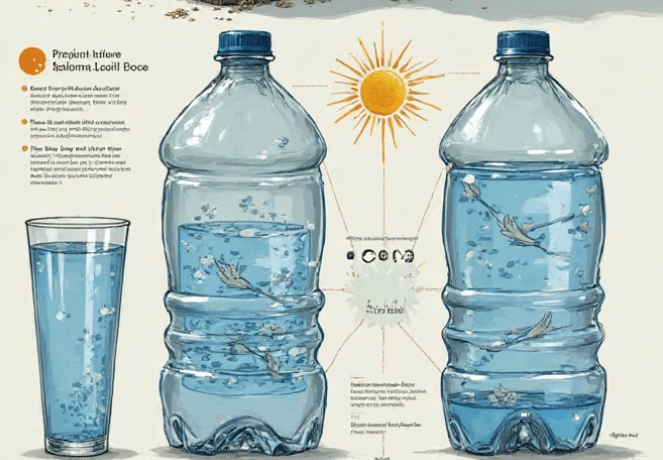
Solar disinfection (SODIS): fill clear bottles, leave in full sun for 6 hours. UV-A rays kill microbes.

11. Boil-Filter Combo
Boil water first, then run it through charcoal or ceramic filters to remove remaining toxins.

12. Pine Tree Filtration
Pine resin and wood can be used to create a makeshift bio-filter in emergencies.

13. Coffee Filter Pre-Screening
Use a coffee filter or even a clean cloth to remove large debris before finer filtration.

14. Emergency Desalination
If you’re near salt water: distill. Don’t drink it directly—salt kills. Learn to build a crude solar distiller or stove-top system.

15. Streamside Safety Tactics
Never collect water downstream of civilization or livestock. Always go upstream and filter anyway—never trust clear water.


3 DIY Survival Drinking Water Hacks (When You’re Out of Options)

These aren’t pretty, but they work when all else fails.

Hack #1: The Sock Filter
Take a clean sock. Fill the toe with charcoal (from your fire), followed by sand, and small rocks. Pour dirty water through. It won’t remove viruses, but it can reduce sediment and chemical taste. Still needs boiling after.

Hack #2: The Tree Tap Trick
Tie a plastic bag around a leafy tree branch and seal it. Let the sun work—plants sweat. You’ll collect a bit of safe drinking water per day. It’s slow, but it’s clean.

Hack #3: The Bottle UV Bomb
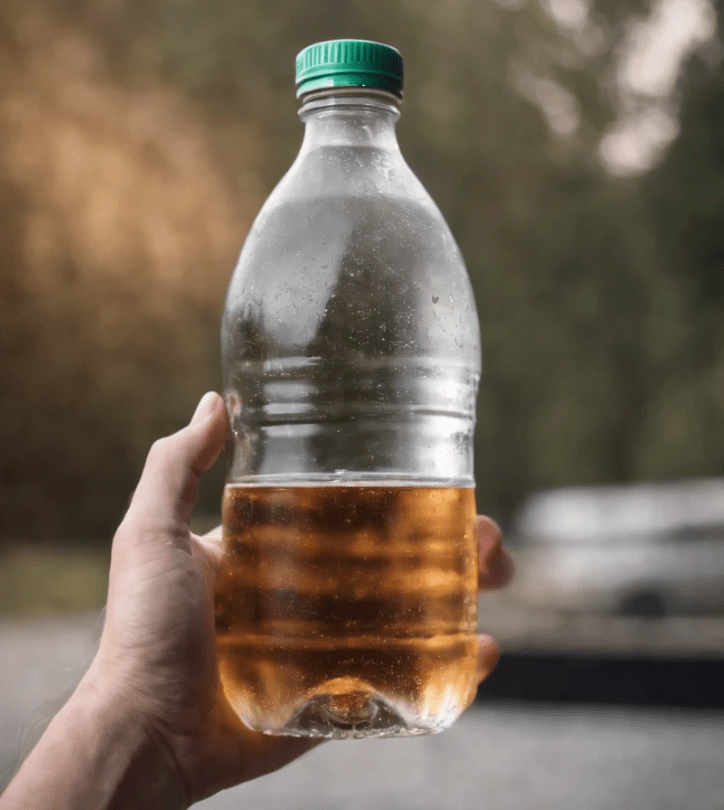
Clear plastic bottle + direct sunlight = your survival friend. Fill it, leave it on a reflective surface in the sun for 6-8 hours. It’s not perfect, but it’s better than drinking from a pond raw.


Connecticut Residents: Get Off the Couch and Into the Wild

Don’t wait for the next boil water advisory. They’re coming. You can bet your last water ration on it.

You think the government will roll up with bottled water for everyone? They’ll help some folks. Not you. Not me. You’re on your own.

The best way to treat water is to assume every drop is contaminated until you’ve processed it yourself. That means heat it, strain it, filter it, and store it properly in BPA-free, light-blocking containers. Rotate your water supply every 6 months. Keep at least 2 gallons per person per day stocked—minimum of 30 days.

And if you’re reading this and thinking, “Man, this guy’s paranoid”—good. You should be. Because it’s not paranoia when the threat is real.

We’re not just talking about survival in the wild—we’re talking about surviving suburban collapse. When the grid goes down. When the treatment plants fail. When a cyberattack poisons the supply chain. When chaos hits. And it will.


Closing Warning

Connecticut’s infrastructure is aging. Its groundwater is vulnerable. Its rivers are exposed. And its leaders are more concerned with policy optics than pipeline integrity.

If you’re still drinking straight from the tap, I hope you’re also writing your will.

Get a gravity-fed Berkey. Build a bio-sand filter. Learn to read a stream like your life depends on it—because it does.

Water doesn’t care about politics. It’s either clean or it’s not. And if you’re not filtering it, you’re the filter.


Filter or die, friend. Your move.

Is Delaware’s Drinking Water Safe

Is Delaware’s Drinking Water Safe? You’d Better Start Prepping Now.

Let me hit you with the hard truth right out the gate: if you’re trusting your government, your city, or some bureaucrat in a tie to deliver clean, safe drinking water in Delaware—or anywhere, for that matter—you’re gambling with your life. I don’t care what the reports say. “Compliant with federal standards” doesn’t mean jack when it comes to the sludge they pump into your pipes.

Delaware’s drinking water? Yeah, it’s been on the hot seat for decades. Don’t let a few smiling officials or a shiny website tell you otherwise. The water in parts of the state—especially around New Castle County and Sussex—has tested positive for everything from PFAS (a.k.a. “forever chemicals”) to nitrates, lead, and who knows what else they’re not telling you. And that’s during a “normal” year. Throw in a flood, a power outage, or an industrial spill, and you’re one pipe burst away from drinking poison.

And here’s the kicker: they still call it “safe.”

Safe? For who? Rats? Roaches? Corporate profits? Certainly not for the people trying to survive off the grid, or anyone with half a brain who actually tests their tap water.

Let me lay it out for you straight, because the system won’t: if you’re not actively filtering your own water—right now—you’re already behind. If you’re waiting until the taps run dry or smell like a gas station bathroom, you’ll be too late.

So, whether you’re holed up in the backwoods of Sussex County or stuck in an apartment in Wilmington, you need water filtration survival skills. Not tomorrow. Not when the next disaster hits. TODAY.

15 Water Filtration Survival Skills Every Delawarean (and Patriot) Must Know:

1. Learn to Boil and Let Cool.
Simple but effective. Boiling kills bacteria, viruses, and protozoa. Let it cool in a clean, covered container. Use this method as your base survival skill.

2. DIY Sand and Gravel Filter.
Layer fine sand, activated charcoal, and gravel in a plastic bottle. Pour dirty water in the top and let gravity do the work. Not perfect, but it buys time.

3. Build a Solar Still.
Dig a hole, line it with plastic, place a container in the center, and cover with clear plastic. Let the sun condense pure water into the container. Science and sweat.

4. Use Activated Charcoal.
This stuff is the black gold of filtration. It absorbs toxins and improves taste. You can make your own from burned hardwoods.

5. Master Chemical Disinfection.
Bleach (unscented, no additives). Use 8 drops per gallon of water, shake it, wait 30 minutes. Chlorine dioxide tablets also work wonders.

6. Learn How to Use a LifeStraw.
This little tool filters bacteria and protozoa on the go. Lightweight, lifesaving. Carry one in every bug-out bag and glove box.

7. Gravity Fed Filtration Systems.
Berkey-style filters aren’t just for “preppers”—they’re for anyone with common sense. Build your own if needed: stackable buckets, ceramic filters, and patience.

8. Purify with UV Light.
UV pens can sterilize clear water fast. No electricity? Use the sun—Solar UV disinfection (SODIS) works by leaving clear PET bottles in direct sunlight for 6 hours.

9. Use the Cloth Pre-Filter Method.
Wrap a T-shirt or coffee filter around your container to catch large debris before filtration. A dirty cloth today can mean clean water tomorrow.

10. Dig a Seep Well.
If you’re near a contaminated source, dig a few feet away and let the water seep in naturally. The ground acts as a crude pre-filter.

11. Distillation Setup.
Capture clean steam by boiling water and funneling the vapor into a cool container. Tedious, but it removes everything—including heavy metals.

12. Master the Use of Natural Filters.
Plants like banana peels, moringa seeds, and even certain mosses can remove impurities. Know your biology—or carry a guidebook.

13. Identify Water Sources by Terrain.
Learn where water gathers—valleys, rock beds, tree roots. Knowing where to look is half the battle.

14. Carry Redundant Filters.
Two is one, one is none. Always carry backups—compact pump filters, ceramic units, or iodine tablets. Gear breaks; your need doesn’t.

15. Test Water Regularly.
If you’re not testing, you’re guessing. Use at-home water testing kits to check for lead, nitrates, and pathogens—especially in Delaware, where pollution knows no bounds.


3 DIY Survival Drinking Water Hacks (That Could Save Your Life)

1. Pine Tree Water Collector
Delaware has pines in spades. Tie a plastic bag over green pine branches in direct sunlight. Water vapor will collect in the bag through transpiration. It’s slow—but drinkable.

2. Emergency Tin Can Boiler
No pot? No problem. Take an empty food can, fill with water, and heat it over a fire. Sterilized water in 10 minutes. Add rocks to stabilize or improvise a handle with wire.

3. Wild Grape Vine Tap
Cut a mature wild grapevine (thick and green), about 3 feet from the ground. Tilt the vine down and let it drip into a container. Fresh, potable water, but make sure it’s the right vine or you’re drinking death.


Why Trusting Delaware’s Tap is a Deadly Gamble

Let me remind you: Delaware has over 90 water systems. The biggest ones—like the City of Wilmington and Artesian Water Company—have faced scrutiny and violations over the years. We’re talking lead, PFAS, disinfection byproducts, and more. And don’t think bottled water is your golden ticket either—half of that stuff is glorified tap in a plastic coffin.

Go ahead. Look up the EPA violations. See how long they’ve let nitrates fester in the farm runoff zones. Investigate the “acceptable” PFAS levels the state tolerates, despite studies linking them to cancer, infertility, and immune dysfunction.

And when the lights go out—during the next hurricane, or cyberattack, or chemical spill—guess who’s NOT bringing you a bottle of clean water? The government. You’re on your own, and if you haven’t prepared, you’re already prey.


Final Word from a Man Who Trusts No Tap

Delaware’s water isn’t just questionable—it’s a warning shot. If you’re not ready, you’re vulnerable. The comforts of city plumbing can vanish overnight. The guy next door with a well and a filtration system? He’ll be just fine. You? You’ll be boiling puddles in a rusty can.

So get angry. Get smart. Get self-reliant.

Because when it comes to clean water, hope is not a survival strategy.

Is Florida’s Drinking Water Safe

Is Florida’s Drinking Water Safe? Hell No – But Here’s How You Survive It

Let me get something straight right out of the gate: if you’re living in Florida and you trust your drinking water, you’re either willfully ignorant or just plain suicidal. Between the agricultural runoff, radioactive waste, saltwater intrusion, aging infrastructure, and a government more interested in optics than actual safety, Florida’s water supply is a chemical cocktail served up with a smile.

I’m an angry survivalist—and for good reason. I’ve seen what happens when people depend on city pipes and blind faith. You think FEMA’s going to come running with a pitcher of spring water when the next hurricane hits? You’ll be lucky if they remember your zip code. Trust me: if you want clean water in Florida, you’re going to have to make it yourself.

Let’s break down the reality of what you’re drinking—and then I’ll hand you the skills you need to survive what’s coming.


What’s in Florida’s Tap Water?

Florida’s water looks clear, tastes okay sometimes, and flows freely from your tap. But don’t let appearances lull you into a false sense of security. You’re probably swallowing trace amounts of nitrates, PFAS (“forever chemicals”), arsenic, lead from old pipes, and even radioactive radium. That’s right. Some water sources in Florida test above legal limits for radium. Not “recommended” levels—legal limits. Because what’s legal and what’s safe are two different things.

You’ve also got bacteria from failing septic systems, algae blooms from phosphorus overload, and saltwater creeping into the aquifer in coastal areas. Did I mention that Florida is flat, flood-prone, and has one of the highest sinkhole rates in the country? Good luck when one of those collapses a water main.

The Florida Department of Environmental Protection will smile and tell you “it meets standards.” So did Flint’s water. So did Camp Lejeune. If you’re not filtering your water every damn day in Florida, you’re a walking science experiment.


15 Water Filtration Survival Skills for Florida and Beyond

You don’t need a million-dollar bunker or fancy gear. What you need is skills. Below are 15 tried-and-true water purification methods that’ll keep you and your family alive long after the tap runs dry or turns brown.

1. Boil Like Your Life Depends on It

Because it does. Bring water to a rolling boil for at least 1 minute (3 minutes at elevation). It kills most bacteria, viruses, and protozoa. Won’t fix chemical contamination, but it’s a damn good start.

2. Activated Charcoal Filters

Build or buy a system that uses activated charcoal. It removes odors, improves taste, and traps a wide range of organic contaminants, including some pesticides and chlorine byproducts.

3. Build a Bio-Sand Filter

Layer gravel, fine sand, and charcoal in a barrel. Run water slowly through it. Takes time, but kills pathogens and removes particulates. Great for homestead setups.

4. Use a Gravity-Fed Filter

Systems like Berkey or homemade gravity filters are essential. No electricity required, and they’re effective against bacteria, protozoa, and some chemicals.

5. Solar Disinfection (SODIS)

Fill clear PET bottles, leave them in direct Florida sun for 6 hours. UV rays destroy pathogens. Simple, cheap, and lifesaving.

6. Chemical Treatment

Chlorine dioxide tabs, iodine, or plain unscented bleach (8 drops per gallon) kill microorganisms. But this isn’t for long-term daily use—these are for bug-out bags and emergencies.

7. Distillation

Use heat to boil water, capture the steam, and condense it back into clean liquid. Removes EVERYTHING—salt, metals, bacteria, you name it. Ideal for saltwater or brackish sources—common in coastal Florida.

8. Rainwater Harvesting

Florida rains a lot—use it. Collect water off roofs using food-safe barrels. Add a first-flush diverter and fine mesh. Filter before drinking, always.

9. Pre-Filter with Cloth

Running water through a t-shirt, bandana, or coffee filter removes large debris. Not a purification method, but essential as a first step.

10. Use Portable Filters

LifeStraws, Sawyer Minis, and similar devices are compact and effective for personal use. Don’t expect them to clean up chemical-heavy water, but they’ll save your life from bacteria.

11. Learn to Identify Contaminated Water

If it’s cloudy, smells like rotten eggs, has algae, or is near a farm or septic system, assume it’s unsafe. Assume all Florida water is unsafe unless you treat it.

12. Build a Tree Transpiration Bag

Tie a plastic bag around a leafy branch. Over time, the tree’s natural transpiration gives you clean water vapor, which condenses and collects. In Florida heat, this works beautifully.

13. Dig a Sand Well

Dig a hole a few feet from a contaminated pond or swamp. Water will seep in through the ground, naturally filtered by the sand. Still needs boiling or filtering, but cleaner than direct source.

14. Backflush Your Filters

Know how to clean and backflush your filters. A clogged filter is useless. Learn maintenance or lose your clean water mid-crisis.

15. Stockpile and Rotate Water

Store at least one gallon per person per day. Use food-grade containers, label dates, and rotate regularly. Treat and seal it airtight.


3 DIY Survival Water Hacks for Florida’s Worst Days

Hack #1: DIY Solar Still

Dig a pit, place a container in the center, and cover with plastic sheeting weighed down by a rock. Water from moist soil or plant matter evaporates and condenses into the container. Works even in Florida swamps.

Hack #2: Swamp Water Purification

Got nothing but a gator-infested swamp nearby? Use a cloth pre-filter, boil the water, then run it through charcoal. Swamp water is nasty, but with patience and layers of filtration, you can make it survivable.

Hack #3: Gallon Jug Sun Disinfection

Fill a one-gallon clear plastic jug, shake it to oxygenate, and lay it in the sun on aluminum foil. After 6–8 hours of Florida sunshine, it’ll kill most pathogens. Better than nothing when boiling isn’t an option.


Florida’s Water System Is Fragile—and It’s Only Getting Worse

This state is a disaster magnet: hurricanes, floods, toxic algae blooms, red tide, power grid failures, and infrastructure barely held together with political duct tape. And now they want to convince you the water is “fine”? While nitrate levels rise and phosphate pollution chokes lakes and rivers?

They say the aquifer will save us. But saltwater intrusion is already corrupting freshwater wells. You can’t grow citrus with saltwater, and you sure as hell shouldn’t drink it.

Every year they issue boil notices by the hundreds—some towns go days without safe water after a storm. That’s not a warning; that’s a preview.


Final Words from a Pissed-Off Prepper

Look, you can keep pretending this is someone else’s problem, or you can face reality: if you want safe drinking water in Florida, you have to secure it yourself. Nobody’s coming. No one will hand you a canteen when the pumps stop or when algae poisons the rivers again.

This isn’t paranoia. It’s history. It’s fact. It’s Florida.

So stop watching the news, start collecting rain, clean your filters, and for the love of all that’s survival-worthy—stop trusting the tap.

You’re not crazy for prepping. You’re crazy if you’re not.

Drink smart. Stay alive.

Is Colorado’s Drinking Water Safe

Is Colorado’s Drinking Water Safe? An Angry Survivalist’s Guide to Filtering What the Government Won’t

Let me tell you something right now: if you’re relying solely on the government to provide you with clean, safe drinking water in Colorado—or anywhere else, for that matter—you’re one busted pipe or bureaucratic lie away from poisoning yourself and your family. If you’re asking whether Colorado’s drinking water is safe, the short answer is: it depends. The long answer? Not unless you take matters into your own damn hands.

I don’t care how many “Water Quality Reports” they publish or how many toothy officials smile on TV and tell you everything’s “within limits.” Those “limits” are set by people who wouldn’t last two days off-grid, and whose careers depend on keeping you calm, not alive.

Let’s rip off the Band-Aid.


What’s in Colorado’s Water?

Colorado’s water sources might look pristine—mountain springs, glacial runoff, and crystal-clear rivers—but don’t let appearances fool you. The second that meltwater hits human infrastructure, it’s game over. Between agricultural runoff, industrial waste, mining remnants, lead pipes in old buildings, and “acceptable” levels of uranium in certain counties, you’re gambling every time you turn on the tap.

And then there’s the chlorine. Yeah, it’s there to kill pathogens, but drink too much of it and you’re killing your gut flora instead. Want a nice side of PFAS “forever chemicals” with your morning coffee? They’re in there too—especially around military bases and airports, thanks to firefighting foam. And let’s not forget aging water infrastructure that would crumble if you sneezed hard enough.

So, no. Colorado’s water isn’t safe—not in any long-term, trust-your-life-on-it kind of way. You want safety? You make it yourself.


15 Water Filtration Survival Skills Every Prepared Person Needs

When the grid fails, the water stops. When the pipes burst, contamination flows. When the politicians lie, your filter is your last line of defense. Master these 15 skills or be ready to drink poison with the rest of the clueless herd.

1. Boiling Water—The First Line

It’s basic, but effective. Boil your water for at least one full minute (three if you’re above 6,500 feet—hello, Colorado). This kills bacteria, viruses, and protozoa. Doesn’t fix chemicals or heavy metals, though. That’s just round one.

2. Gravity-Fed Filtration Systems

Get yourself a quality gravity-fed filter system like a Berkey or build your own using activated charcoal, sand, and gravel. It’s low-tech, long-term, and effective against pathogens and particulates.

3. Solar Still Construction

Dig a pit, put a container in the middle, cover with plastic sheeting, and use the sun to condense clean water. Works in arid areas, and Colorado’s got plenty of sun.

4. DIY Charcoal Filter

Burn hardwood, crush the charcoal, and layer it between cloth, sand, and gravel. Great for removing toxins and improving taste.

5. Identifying Safe Natural Sources

Know your terrain. Fast-moving water from a spring is probably safer than a stagnant pond. But don’t trust any source 100%. Always purify.

6. Solar Disinfection (SODIS)

Fill a clear PET plastic bottle with water and leave it in direct sunlight for 6+ hours. UV rays kill pathogens. Not perfect, but it’s something.

7. Chemical Purification

Stock iodine tablets, chlorine dioxide drops, or household bleach (unscented, 4–6% sodium hypochlorite). Know your ratios. Don’t eyeball it unless you like vomiting.

8. Building a Bio-Sand Filter

Layer sand, gravel, and activated charcoal in a barrel. Add a slow-drip system. Excellent for long-term setups and removing pathogens.

9. Improvised Cloth Filters

Use clean t-shirts or bandanas to pre-filter dirty water. Won’t purify, but removes debris and extends your primary filter’s life.

10. Rainwater Harvesting

Set up rain catchment systems with food-grade barrels. Add mesh screens to keep debris and insects out. This is illegal in some places—because the state thinks it owns your water—so be discreet.

11. Distillation (Fire + Coil Method)

Boil water and run steam through copper tubing into a clean container. Strips out virtually everything, including heavy metals. Requires heat and setup, but gold standard.

12. Assessing Water by Sight & Smell

Learn to identify water that looks and smells wrong. Oil slicks, unnatural colors, dead animals nearby? Hard pass.

13. Using a LifeStraw or Sawyer Filter

These compact filters are a must for any bug-out bag. They won’t remove chemicals, but they’re lifesavers for biological threats.

14. Filter Maintenance and Backflushing

A filter is only as good as its condition. Clean, dry, backflush, and rotate. If you let mold or gunk build up, it’s worse than useless.

15. Caching Emergency Water Supplies

Bury water storage in food-grade containers. Freeze-dried meals won’t matter if you’ve got nothing to rehydrate them with.


3 DIY Survival Drinking Water Hacks

Need water now and don’t have a high-end setup? Get resourceful.

Hack 1: Bleach Bottle Purification

Add 8 drops (about 1/8 teaspoon) of unscented household bleach to one gallon of clear water. Shake well, wait 30 minutes. If it smells slightly of chlorine, it’s good. If not, repeat. Do not overdo it—this isn’t the time to guess.

Hack 2: Plastic Bottle UV Disinfection

Use a clear plastic bottle and fill it with suspect water. Lay it on a reflective surface (like foil or a metal roof) in direct sunlight for 6+ hours. Works best when water is clear. UV does the killing; heat helps.

Hack 3: Tree Transpiration Bag

Tie a clear plastic bag over a leafy branch. The tree transpires clean water vapor, which condenses inside the bag. Drinkable. Slow, but genius. Works in dry, sunny Colorado forests.


Why You Should Never Trust “Safe” Labels Again

Here’s the brutal truth: “safe” is a political word, not a scientific one. Flint, Michigan was “safe.” Camp Lejeune was “safe.” The Animas River spill in Colorado dumped 3 million gallons of toxic sludge into the water system in 2015. That was “monitored.” Spoiler: monitoring doesn’t mean fixing.

Ask any old-timer living near the mining zones of Silverton or Durango if they drink straight from the tap. They’ll laugh in your face—then show you the brown stains in their sinks.

And don’t think bottled water saves you either. Microplastics, chemical leaching from hot transport conditions, and price gouging in emergencies make that a short-term solution, not a strategy.


Bottom Line

If you want to live—really live—through a natural disaster, power grid failure, terrorist attack, EMP, or just a careless city engineer, you need to control your own water.

Colorado is beautiful, rugged, and full of wild, untamed nature. But its infrastructure isn’t built to last, and its water sources are increasingly compromised. You’re either prepared—or you’re prey.

So stop asking if Colorado’s water is safe. Ask if your water plan is.

Because when the taps run dry and the rivers run foul, it’s not going to be the government knocking on your door with a solution.

It’ll be your neighbors.

And they’ll be thirsty.

Is Illinois’s Drinking Water Safe

Let me be real with you. If you’re living in Illinois and still trusting your tap water to be “safe,” then you’re either asleep at the wheel or brainwashed by bureaucrats who care more about budgets than bodies.

You think just because water comes out of your faucet, it’s drinkable? You think Chicago’s water is clean just because they throw some chlorine and fluoride into Lake Michigan and call it a day? Wake up.

Illinois’s water supply is crawling with contaminants—lead, PFAS, nitrates, bacteria, industrial waste, agricultural runoff, and God-knows-what from those rotting underground pipes running beneath every town from Rockford to Cairo. Just because it looks clear doesn’t mean it won’t kill you slowly.

Here’s the cold, hard truth: your water has to pass through decades-old infrastructure, across chemically soaked farmland, and through some of the most poorly maintained treatment systems in the Midwest. And you’re supposed to just drink it and smile?

No. Hell no.


What’s Really in Illinois Tap Water?

Ever hear of lead poisoning? Guess what—it’s not just Flint. Hundreds of towns in Illinois, especially in Chicago and older suburban areas, still have lead service lines buried underground. A 2023 report estimated over 600,000 lead lines still in use across the state. That’s not “concerning.” That’s criminal.

Now add PFAS chemicals (the so-called “forever chemicals” that don’t break down and have been linked to cancer, immune system suppression, and developmental problems) detected in more than 300 water systems across Illinois.

Don’t forget the nitrates seeping into wells from farm runoff in rural areas. Or the bacteria in small towns with outdated sewage systems. Or the chromium-6, the same cancer-causing toxin Erin Brockovich fought over.

Still think Illinois water is safe?

You’d be a fool to rely on a state that can’t balance a budget, can’t patch a pothole, and sure as hell can’t keep its water clean.


15 Water Filtration Survival Skills You Better Learn Before the Grid Goes Down

You want to stay alive when the system collapses—or just when the tap runs brown? Then learn these. Drill them into your brain like your life depends on it. Because it does.

1. Boil Everything

Always start with boiling. 3–5 minutes at a rolling boil will kill bacteria, viruses, and parasites. But it won’t remove chemicals—so don’t stop here.

2. Make a DIY Charcoal Filter

Use a two-liter bottle, layer in gravel, sand, and activated charcoal. It removes particulates and some toxins. Cheap. Portable. Effective.

3. Distill Water with Heat

Use a metal pot, a glass bowl, and a lid. Collect the steam. That steam is your pure water. Removes everything: heavy metals, bacteria, and poisons.

4. Rainwater Harvesting

Set up barrels, tarp systems, or gutter-fed tanks. In Illinois, you’ll get plenty—filter it and store it for droughts or grid-down scenarios.

5. Gravity-Fed Multi-Stage Filters

Use two buckets. Upper one filled with filter media: gravel, sand, charcoal. Let gravity do the work. Clean, no power needed.

6. Know the Taste of Trouble

Learn to recognize off-smells, discoloration, and cloudiness. If your water tastes metallic, smells like sulfur, or feels slimy—filter or ditch it.

7. Solar Water Disinfection (SODIS)

Fill a clear plastic bottle, lay it in the sun for 6+ hours. UV rays will kill pathogens. Works when you’re low on fuel.

8. Portable Filters—Always Carry One

Sawyer Mini, LifeStraw, Katadyn. Keep one in your car, one in your bag, one at home. Don’t leave water purification to chance.

9. Ceramic Filters for Long-Term Use

Set up ceramic filters with silver-impregnated cores. Great for home use or homestead life. Lasts for thousands of liters.

10. Learn to Use Bleach Safely

Use 8 drops of 6% bleach per gallon of water. Stir and wait 30 minutes. Know your ratios—too much and you’ll poison yourself. Too little and you’ll just get sick anyway.

11. Use Moringa Seeds to Coagulate Crap

Crushed moringa seeds bind to particles in dirty water and help them settle. Clearer water = easier filtration.

12. DIY Bio-Filter in a 5-Gallon Bucket

Layer cloth, charcoal, sand, and gravel in a bucket with a spout. Maintain it. Clean it. It can give you weeks of clean water on the move.

13. Make a Fire Pit Still

Dig a fire pit, boil water in a covered pot, channel steam to a container using copper tubing. It’s crude but gives you distilled water in the wild.

14. Identify Safe Natural Sources

Fast-moving streams in wooded areas are better than ponds near towns or farmland. Never trust standing water without treating it.

15. Know the Warning Signs of Water Illness

Cramping, diarrhea, vomiting, and fatigue after drinking water? You screwed up. Learn the signs. Respond fast. Dehydration kills.


3 DIY Survival Water Hacks to Save Your Ass When Illinois Water Turns to Sludge

Hack #1: Trash Bag Solar Still

Dig a hole. Add wet grass or dirty water. Place a cup in the center. Cover with a clear trash bag and place a rock in the middle. Water evaporates, condenses, and drips into the cup. Boom—survival distilled water.

Hack #2: Tin Can Charcoal Filter

Make charcoal from a campfire (use hardwood). Crush it. Pack it into a tin can with cloth, gravel, and sand. Punch holes in the bottom. It’s crude but filters a lot of nastiness.

Hack #3: Bandana + Bleach Emergency Method

Pour water through a bandana to get rid of big debris. Then treat with bleach. It’s a two-step last-resort method when all else fails.


Illinois Is a Powder Keg of Water Problems—Prepare Now or Pay Later

You want to trust that smiling politician in Springfield? Go ahead. You want to wait for the EPA to do something useful? Be my guest.

But when the next big storm floods the treatment plants… when the aging pipes finally give out… when the chemicals spread from the next industrial “accident”… you’ll remember this warning.

Because you’re not just fighting bacteria anymore. You’re fighting corporate greed, crumbling infrastructure, and environmental collapse—all pouring out of your kitchen faucet.


Final Word: Own Your Water or Die Without It

Don’t wait for help. Don’t trust the tap. Don’t trust the system. Take control of your water supply today. Master filtration. Build your backup systems. Store bleach, charcoal, filters, and buckets. Stockpile water like it’s ammunition—because in the next disaster, that’s exactly what it will be.

Water is life. And in Illinois? It’s a life you have to fight for.

Is California’s Drinking Water Safe

Is California’s Drinking Water Safe? Hell No—Here’s How to Survive It

Let’s get one thing straight: if you’re living in California and drinking straight from the tap, you’re playing Russian roulette with your health. You trust the state that can’t keep its grid running, can’t manage wildfire prevention, and thinks dumping chemicals into aquifers is “regulated” to keep your drinking water clean?

Wake the hell up.

California’s water supply is an unfiltered mess of agricultural runoff, industrial waste, aging infrastructure, and bureaucratic neglect. You think just because you’re in the Bay Area or L.A. you’re safe? Nope. PFAS—those so-called “forever chemicals”—have been found in the water from San Diego all the way to Sacramento. And that’s just what they test for.

In the Central Valley, groundwater is loaded with nitrates from decades of pesticide and fertilizer abuse. You can’t see it. You can’t smell it. But drink it long enough, and it’s destroying your insides—especially your kidneys and reproductive system. In rural communities, some wells have been so contaminated that residents literally bring in bottled water just to bathe their children.

Still think California’s drinking water is “safe?”


15 Water Filtration Survival Skills Every Californian Needs If You Want to Stay Alive

1. Boil Your Water Every Time the Grid Fails
Rolling blackouts in California aren’t just annoying—they’re dangerous. No power = no water treatment. When the lights go out, you better start boiling.

2. Build a DIY Charcoal and Sand Filter
Grab a couple buckets, some gravel, sand, and activated charcoal. Stack it in layers. Run your water through it. It won’t catch everything, but it’ll get the big killers out.

3. Distillation = Absolute Purity
Distill your water using heat and condensation. Removes chemicals, metals, salts. Especially useful in coastal areas where saltwater intrusion is becoming real.

4. Know How to Make a Solar Still
Dig a pit, throw a container in the middle, add vegetation or dirty water around it, cover with plastic, put a rock in the center. Sun does the rest.

5. Use Bleach—But Use It Right
8 drops of unscented bleach per gallon of water. Mix, let it sit 30 minutes. Any more and you’re drinking poison. Any less and you’re just drinking contaminated water.

6. Rainwater Collection Mastery
California’s got weird rain patterns. When it comes, be ready. Gutters, barrels, screens—set it up and collect every drop. Then filter it.

7. Portable Filters Like LifeStraw or Sawyer Mini
If you’re on the move, you need something lightweight that removes bacteria and protozoa. Doesn’t solve chemical contamination, but it’ll keep you alive longer.

8. Ceramic Filters for Long-Term Survival
Old-school but effective. Removes bacteria and particulates. Get one with a silver core for added virus protection.

9. Learn to Identify Unsafe Water Sources
Don’t assume a spring or river in NorCal is clean. Look for algae blooms, industrial runoff signs, nearby livestock. Assume it’s dirty until proven otherwise.

10. Use Natural Coagulants
Crushed moringa seeds or alum powder can help settle out particles before filtration. This can make your system way more efficient.

11. Master the Gravity Fed System
You don’t need electricity. Set up a two-bucket gravity-fed filtration system. Upper bucket = dirty. Lower = filtered. Run it slow for maximum purity.

12. Test Your Water Regularly
Don’t trust your city’s report. Buy a water testing kit. Check for lead, nitrates, bacteria, pH, and more. Knowledge = power = survival.

13. Solar Disinfection (SODIS)
Fill a clear PET bottle with water and leave it in direct sunlight for 6+ hours. The UV will kill most microbes. Doesn’t work on chemicals, but better than nothing in a pinch.

14. Stockpile Water Purification Tablets
Iodine or chlorine dioxide tablets are lightweight and effective. Keep them in every go-bag, car, and backpack. They can make tainted water drinkable fast.

15. Don’t Forget to Filter Your Shower Water
People ignore this. You’re absorbing toxins through your skin. Get a showerhead filter—especially if you live near L.A., the Central Valley, or any industrial zone.


3 DIY Survival Drinking Water Hacks That Could Save Your Life in California

Hack #1: The Two-Bottle Solar Still
Take two soda bottles. Cut one in half, fill the bottom with dirty water. Place the cut half upside down over it like a dome. Place in sun. Water evaporates, condenses on top, and drips down—pure, drinkable.

Hack #2: Fire-Charcoal Tin Filter
Burn hardwood to make your own charcoal. Smash it up and pack it into a tin can with holes poked at the bottom. Add layers of gravel and sand. Filter water through it before boiling. This helps reduce some chemical load and gets rid of taste.

Hack #3: Bandana + Boil
Filter murky water through a bandana or shirt to get rid of debris. Then boil or purify. This won’t remove microscopic threats, but it’s step one when you’re in a pinch and running out of daylight.


Why California’s Tap Water Is a Hidden Threat

Want to know what really pisses me off?

It’s not just that the water’s dirty. It’s that most people have no idea. They think that clear liquid coming out of their faucet is fine because the city says so. You think Los Angeles cares about your health more than profit? You think Sacramento’s going to sound the alarm every time a chemical plant screws up?

Think again.

The water crisis in East Orosi, California, has gone on for decades. Nitrate contamination from agriculture. The town can’t even drink their tap water. And what did the state do? Handed out bottled water. As a permanent solution.

That’s a Band-Aid on a bullet wound.

And it’s spreading. Droughts make everything worse. When there’s no water flowing, pollutants concentrate. When groundwater levels drop, contaminants rise. And guess what? You’re still brushing your teeth, cooking, and bathing in it.

If you’re not treating your water like it’s potentially lethal, then you’re not taking your survival seriously.


You Want to Live? Start Acting Like It

Don’t wait for the next “water quality advisory.” That’s bureaucratic code for you’ve been drinking poison for weeks. Build your own filtration systems. Stockpile purification supplies. Learn how to make do when the trucks stop delivering and the taps run dry.

Because one day—sooner than you think—you’ll turn on that faucet and get nothing.

And when that day comes, your survival won’t depend on the government. It won’t depend on your neighbors. It’ll depend on how well you prepared.

Don’t be another statistic. Don’t be another thirsty fool standing in line for FEMA handouts.

Own your water. Or die without it.

Is Alabama’s Drinking Water Safe


Is Alabama’s Drinking Water Safe? Hell No—Here’s How to Survive It

Let me break it to you straight: if you’re trusting the government or your local utility company to keep your drinking water safe, you’re already behind enemy lines. Especially if you’re living in Alabama. I’m not saying you need to panic—but you do need to wake the hell up.

You think because water comes out of your tap, it’s pure? Think again. Alabama’s got more than its fair share of water quality issues. Nitrate contamination. PFAS. Lead. Bacteria. Sewage runoff. Pesticides. Industrial chemicals. You name it, it’s leaching into the rivers, lakes, and reservoirs down here. And you’re drinking it. Every. Damn. Day.

Still feel safe?

In 2023, multiple municipalities in Alabama reported levels of PFAS (forever chemicals that don’t break down in your body) above the EPA’s updated advisory levels. That means your so-called “safe” water is messing with your hormones, increasing your cancer risk, and God knows what else. Some parts of the state—particularly around the Black Warrior River and the Tennessee River Basin—are practically chemical cocktails.

And let’s not forget lead. Do I need to bring up Flint? That wasn’t an isolated incident. Lead is found in aging water infrastructure across the country. Alabama included. If your pipes are old, or if your town’s not doing aggressive water treatment (and let’s face it, most small Alabama towns aren’t), you could be slowly poisoning yourself and your kids.

You want to survive? You need to stop relying on the damn faucet.


Here Are 15 Water Filtration Survival Skills That Every Self-Reliant Person in Alabama Needs to Master

1. Learn to Identify Contaminated Water
Clear water doesn’t mean clean water. Know the signs—odor, color, foam, strange taste, or animal activity nearby.

2. Build a DIY Charcoal Filter
Layer gravel, sand, and activated charcoal inside a bottle or PVC pipe. It’s primitive, but it works to remove sediment and some chemicals.

3. Boil, Boil, Boil
Boiling water kills bacteria, viruses, and parasites. It’s not enough for chemical contaminants, but it’s a damn good start.

4. Solar Disinfection (SODIS)
Got a plastic bottle and sun? Fill it, lay it on a reflective surface in the sun for 6+ hours. UV rays will kill pathogens. It won’t help with chemicals, but in a pinch, it’s better than nothing.

5. Learn to Use a LifeStraw or Similar Device
Portable, lightweight, and filters out most bacteria and parasites. Essential for every bug-out bag.

6. Rainwater Collection
Install barrels under gutters. Make sure you filter it afterward—bird crap and rooftop chemicals are real threats.

7. Make a Slow Sand Filter
Build a filtration barrel with fine sand and gravel. Takes time to set up, but filters water effectively for months.

8. Use Potassium Permanganate
A few crystals per liter of water can kill bacteria and viruses. Learn the correct dosage—too much and you poison yourself.

9. Know Your Local Water Sources
Don’t just “hope” there’s a stream or spring nearby. Scout it. Test it. Map it.

10. Distillation
Set up a fire-based or solar still. It’ll remove salt and heavy metals. Collect that steam and let it condense—boom, pure water.

11. Bleach Purification
Unscented bleach (5-6% sodium hypochlorite). Use 8 drops per gallon, stir, and wait 30 minutes. Again—know the right dosage.

12. Build a Bio-Filter Bucket
Stack layers of fine cloth, sand, charcoal, and gravel inside a 5-gallon bucket with a spigot. Good for a semi-permanent homestead.

13. Use Natural Coagulants
Crushed moringa seeds or even dirty water stirred with clean clay can clump together particles for easier filtering.

14. Understand Gravity-Driven Systems
Learn how to set up gravity-fed filtration using elevation and multi-stage filtering. No power needed.

15. Know the Signs of Dehydration and Water-Borne Illness
You might think you’re drinking “filtered” water, but if you’re getting diarrhea, cramps, or fatigue—you’ve done something wrong. Adjust fast or you won’t last long.


3 DIY Survival Drinking Water Hacks That Could Save Your Life

Hack #1: The Fire-Stone Steam Distiller
Dig a hole in the ground, place a container in the center, surround it with wet vegetation or dirty water, and cover with plastic sheeting. Place a small rock in the center to create a drip point. The sun heats the water, and condensation gathers in the clean container. It’s basic as hell but gives you drinkable water—especially useful near coastal Alabama where brackish water is a problem.

Hack #2: The Bandana Filter Trick
Got no gear? Run dirty water through a bandana or shirt to remove big particles. Then use bleach drops or boil it. It’s rough, but it can keep you alive another day.

Hack #3: The Tin-Can Charcoal Filter
Burn hardwood to make your own charcoal. Crush it, layer it in a cleaned-out tin can with holes punched at the bottom. Add sand and gravel. Pour in the water. It’ll strip out some toxins and sediment—won’t taste great, but it’ll keep you kicking.


Alabama’s Water Isn’t Just a Health Risk—It’s a Damn Wake-Up Call

This isn’t about fear. It’s about reality. Survival isn’t just about living off the grid in the woods—it’s about knowing when your everyday comforts have become silent threats. Tap water is one of them.

If you’re living in Birmingham, Montgomery, Mobile, or anywhere near industrial zones, poultry farms, or paper mills, your water has been through hell before it hits your faucet. And the regulations? Let’s just say they’re too little, too late. Half the time, contaminants aren’t even regulated. The EPA plays catch-up while companies dump waste upstream.

You think you’ll get a warning before something bad happens? Ask the people of West Virginia, East Palestine, or Jackson, Mississippi how that worked out.

Stop being a sitting duck. Get off your ass, prepare your water systems, and teach your family how to survive without a working faucet.


Bottom Line

Alabama’s drinking water is not safe—not if you’re measuring by real survival standards. You want to live long enough to rebuild after the grid fails? Or after a flood contaminates your supply? Or when that “harmless” chemical dump leaks into the aquifer?

Then you better start acting like it. Learn these water filtration skills. Practice them. Store gear. Store bleach. Store charcoal. Collect rain. Build your water IQ now—not after you’re already dehydrated and poisoned.

Because in a crisis, water will be the first thing you fight for.

And in Alabama? That fight has already started.

Is Maryland’s Drinking Water Safe

Is Maryland’s Drinking Water Safe?

Listen up, because I’m not here to sugarcoat things or lull you into a false sense of security. Maryland’s drinking water safety? Hell, don’t trust it with your life — because I mean your life. The government, the water companies, and the so-called experts want you to sip from their poisoned fountains, but I’m here to tell you the cold, harsh truth: that water is riddled with contaminants, toxins, and chemicals that can screw you up before you even realize it.

You want safe drinking water in Maryland? You’re going to have to fight tooth and nail for it. You can’t just twist a tap handle and assume it’s pure. No way. That water’s got nitrates, pesticides, industrial waste, pharmaceuticals, heavy metals, and god knows what else flowing in the veins of your rivers and reservoirs. The Chesapeake Bay area might look pristine from afar, but look closer — it’s a toxic soup, courtesy of decades of industrial negligence and urban sprawl.

And if you think boiling that stuff fixes everything, wake up! Boiling water only kills germs; it doesn’t remove chemicals or heavy metals. That poison stays in the water like a ticking time bomb waiting to explode in your gut. The truth is: if you rely on Maryland’s tap water without filtration, you’re rolling the dice with your health every damn day.


15 Water Filtration Survival Skills You Need NOW

  1. Know Your Enemy: Contaminants Identification
    Understand what you’re filtering out. Bacteria, protozoa, viruses, chemicals, heavy metals, sediment, and microplastics all lurk in water. Know how to spot signs of contamination in natural sources.
  2. Basic Boiling – Not a Panacea
    Boil water for at least 1 minute to kill pathogens. At higher altitudes, boil for 3 minutes. But remember, boiling won’t remove chemicals or metals.
  3. Use a Cloth to Pre-Filter
    Always filter water through a clean cloth to remove sediment and debris before any other treatment. It’s the first line of defense.
  4. DIY Charcoal Filter Construction
    Burn hardwood to make charcoal, crush it, and use it in a homemade filter to trap chemicals and improve taste. Activated charcoal is a warrior against toxins.
  5. Portable Water Filters
    Get your hands on reliable portable filters like Sawyer or Katadyn. These will remove bacteria, protozoa, and some viruses, but NOT chemicals.
  6. Chemical Purification Tablets
    Iodine and chlorine dioxide tablets kill pathogens, but again, they won’t touch chemical pollutants.
  7. Solar Water Disinfection (SODIS)
    Fill clear bottles and expose them to direct sunlight for 6+ hours to kill viruses and bacteria. Slow but effective in survival situations.
  8. Distillation Using Simple DIY Setup
    Collect steam from boiling contaminated water, then condense it into a clean container. Distillation removes nearly all impurities, including chemicals and salts.
  9. Know Your Water Sources
    Runoff from farms, industrial waste, and urban contaminants hit rivers and lakes fast. Avoid stagnant water, and always seek flowing, clear water.
  10. Sand Filtration Method
    Layer sand and gravel to create a homemade filter that removes sediment and some pathogens.
  11. Freeze-Thaw Purification
    Freeze water in clean containers; impurities settle or get separated. Thaw the clean ice and discard remaining water with contaminants.
  12. DIY Solar Still
    Dig a hole, place a container at the bottom, cover with plastic, and let the sun distill water from the soil and plants. A lifesaver if surface water is contaminated.
  13. Use a UV Purifier Device
    Handheld UV purifiers zap pathogens instantly. They don’t remove chemicals, but they’re great for biological threats.
  14. Regular Maintenance of Filtration Gear
    Keep your filters clean and replace them as recommended. A clogged or old filter is worthless and potentially dangerous.
  15. Testing Water Quality on the Fly
    Carry simple water testing kits for pH, chlorine, nitrates, and bacteria. Don’t just trust your gut or appearance.

3 DIY Survival Drinking Water Hacks You Need to Master

Hack #1: Charcoal and Sand Bucket Filter
Take a clean bucket. Drill holes at the bottom. Layer the bottom with a cloth, then charcoal (activated by heating hardwood), then sand, then gravel on top. Pour dirty water through this homemade filter and catch the cleaner water coming out. It won’t be perfect, but it will remove sediments, some chemicals, and improve taste drastically.

Hack #2: Solar Still for Distilled Water
Dig a hole, place a small container in the center, cover the hole with clear plastic, and weight down the edges with rocks to seal it. Place a small rock in the center of the plastic to create a low point where condensation will drip into your container. This method distills water, leaving behind most contaminants. You can do this anywhere — no fancy tools required.

Hack #3: Boiling + Iodine Combo
If you suspect biological contamination and chemical pollution, first boil the water to kill germs. Let it cool, then add iodine tablets to kill remaining pathogens. This double whammy isn’t perfect, but it’s better than nothing if you lack equipment. Just remember, iodine is toxic in excess—use sparingly.


Why You Should NEVER Take Maryland’s Water at Face Value

Let’s get real: every damn day, news breaks about lead pipes, cryptosporidium outbreaks, PFAS (forever chemicals), and industrial dumping in Maryland. The Chesapeake Bay, the mighty Potomac River, and the Susquehanna watershed all get slammed with pollution. And the bureaucrats? They keep assuring you “it’s safe,” while quietly slipping in higher contaminant limits or pushing blame downstream.

You think your city water treatment fixes all this? It doesn’t. Water treatment plants don’t remove everything — especially not modern-day industrial chemicals. They’re designed for old-school bacteria and sediment, not the cocktail of pharmaceuticals, microplastics, and toxic metals coursing through the system.

If you want to survive a prolonged crisis or even daily exposure, you need to act like a survivalist — because the “safe” water you drink today might just be ticking poison time bombs for your kidneys, liver, and brain.


Bottom Line? Fight For Your Water, Or Die Trying

Maryland’s drinking water isn’t “safe.” Not in the pristine, crystal-clear, survival-ready sense. If you’re relying solely on your tap, you’re a sitting duck.

Take matters into your own hands:

  • Learn water filtration skills like your life depends on it—because it does.
  • Carry portable water filters and chemical tablets.
  • Build DIY filtration systems with charcoal and sand.
  • Master solar stills and distillation.
  • Always test your water before drinking.

Your survival is your responsibility. Don’t trust the system. Don’t trust the government. Don’t trust the water company.

Prepare. Filter. Purify. Survive.

Is Maine’s Drinking Water Safe

Is Maine’s Drinking Water Safe? Hell No—Not for the Prepared Survivalist!

Listen up, because I’m about to tell you exactly why Maine’s drinking water—despite what the so-called “experts” say—is NOT safe enough for you or your family, especially if you’re serious about survival. I don’t care what the glowing brochures from some government agency or utility company say. You want the truth? Here it is, raw and unfiltered:

Maine’s water system is a ticking time bomb. You got aging infrastructure, contamination from industrial runoff, agricultural chemicals, and even hidden pathogens that slip through the cracks. This isn’t some conspiracy; it’s the reality of a state with beautiful lakes and rivers that have been poisoned by careless human activity.

You think because the water tastes “fine” or meets EPA standards it’s safe? I’ve been in the trenches of survival prepping long enough to know that “safe” is a relative term. When the grid goes down, or when a natural disaster hits, your pristine tap water can turn into a biological nightmare in seconds.

If you’re serious about staying alive, you better learn how to filter, purify, and make that water safe with your own hands, without relying on anyone else’s system or fancy labels. So buckle up—I’m giving you 15 critical water filtration survival skills you NEED, plus 3 DIY survival drinking water hacks you can whip up with stuff in your own home or out in the wild.


15 Water Filtration Survival Skills Every Prepared Person MUST Know

  1. Boiling Water Correctly: Don’t just simmer, bring water to a full, rolling boil for at least 1 minute (3 minutes above 6,500 ft elevation) to kill bacteria, viruses, and parasites.
  2. Using a Portable Water Filter: Know how to use a reliable ceramic, hollow fiber, or carbon water filter that removes protozoa and bacteria but realize most don’t filter out viruses.
  3. Improvised Sand and Charcoal Filter: Layer sand, charcoal (activated if possible), and gravel in a container to create a basic filter that removes sediments and some contaminants.
  4. Solar Disinfection (SODIS): Fill clear plastic bottles with water and leave them in direct sunlight for 6+ hours; UV rays kill pathogens but don’t remove chemicals.
  5. Chemical Purification: Use water purification tablets or household bleach (unscented, 8 drops per gallon, stir and wait 30 minutes) to disinfect water.
  6. Distillation: Use a homemade solar still or boil water and collect condensed steam to remove heavy metals and salts, not just pathogens.
  7. Using Cloth for Pre-Filtering: Pour water through a clean cloth or bandana to remove large debris and sediment before further treatment.
  8. Finding Natural Water Sources: Learn to identify reliable sources like springs, moving streams, or rainwater rather than stagnant ponds.
  9. Recognizing Contaminated Water: Know the warning signs—cloudiness, foul smell, dead animals nearby, or chemical odors mean avoid unless you can treat it properly.
  10. Testing Water with DIY Kits: Carry or make simple water testing kits for pH, turbidity, or bacteria presence for quick assessments.
  11. Using Bio-Sand Filters: Build a slow sand filter that uses biological layers to reduce pathogens over time.
  12. Emergency Water Collection: Learn to harvest dew, rainwater, or even plant transpiration in survival situations.
  13. Understanding Filtration Limits: Know what your filtration method can and can’t remove (viruses, heavy metals, chemical toxins) and combine methods accordingly.
  14. Storage of Filtered Water: Use clean, sealed containers to store water after filtration and purification to prevent recontamination.
  15. Portable UV Purifiers: Utilize handheld UV light devices that zap viruses and bacteria instantly when batteries hold up.

3 DIY Survival Drinking Water Hacks You Can Use TODAY

Hack #1: The Charcoal Coffee Filter Trick

Take some clean charcoal from your campfire or barbecue grill. Crush it into small pieces but not dust. Place it inside a clean coffee filter or cloth pouch. Pour suspicious water slowly through it. The charcoal adsorbs chemicals, bad odors, and some pathogens. Follow this with boiling or chemical purification.

Hack #2: The Plastic Bottle Solar Purifier

Fill a clear plastic bottle with water. Place it on a reflective surface (like a piece of aluminum foil or a car hood) in direct sunlight. Leave it there for 6+ hours. The sun’s UV rays kill off pathogens without any gear. Great when you’ve got nothing but a bottle and the sun.

Hack #3: The DIY Solar Still

Dig a hole about 3 feet wide and 2 feet deep in the dirt. Place a container in the center to catch distilled water. Cover the hole with a plastic sheet, anchor it down with dirt, and place a small rock in the center to create a dip so condensed water drips into the container. You can extract moisture from soil or plants this way when no water source is available.


Why You Can’t Trust Maine’s Water System Blindly

Maine is famous for its pristine wilderness, but the reality is far messier under the surface. You’ve got towns and cities dumping industrial pollutants into rivers, agricultural nitrates seeping into groundwater, and more recently, reports of PFAS (per- and polyfluoroalkyl substances)—the so-called “forever chemicals”—showing up in local wells. These aren’t your garden-variety contaminants. PFAS are linked to serious health problems, and they do NOT just go away by boiling or simple filtration.

Municipal water treatment plants are limited in their capability to deal with such advanced contaminants. They focus on bacteria and common chemicals, not long-term toxins that accumulate in your body. That’s why you need to be your own first line of defense.

Natural disasters? You bet. Maine faces heavy rains, floods, and freezing winters that stress pipes and water systems. After any disaster, the water quality can plummet overnight. You don’t want to be caught drinking water with sewage or chemical runoff when every drop counts.


How To Protect Yourself and Your Family

The solution? Don’t rely on the city or the tap. Prepare NOW. Train yourself in the filtration survival skills above, get the right gear (portable filters, UV purifiers, chemical tablets), and learn how to create your own DIY filtration devices from what’s available around you.

When disaster strikes or the grid fails, you don’t want to be the one scrambling to figure out how to make water safe. This is basic survival, and frankly, anyone who ignores water safety is courting sickness, dehydration, or worse.


Final Warning

Maine’s water may look clear, but that’s only skin deep. There’s a battlefield underneath filled with microscopic enemies and invisible toxins. Trusting the government or utility companies with your health? That’s a fool’s game.

Be angry if you want, be skeptical if you must, but be prepared. Your life depends on it.

Remember these words:

Safe water isn’t given—it’s earned through skill, preparation, and relentless vigilance.

Is Kansas’ Drinking Water Safe

Is Kansas’s Drinking Water Safe? A Survivalist’s Wake-Up Call

Let me make this real clear, right out the gate—NO, Kansas’s drinking water is not safe. Not if you’re the kind of person who doesn’t trust bureaucrats in suits who think “acceptable contamination levels” are just fine for your kids to drink. You want the truth? The truth is, if you’re not filtering your water in Kansas—or anywhere else for that matter—you’re just gambling with your health like it’s a slot machine in Vegas.

You think the government’s gonna save you when the pipes go dry or when a chemical spill leaks into your groundwater? You think the EPA, with its revolving door of industry lobbyists, is your friend? Wake up. It’s time to take control of your own survival, especially when it comes to the most critical element of life—clean water.


The Dirty Reality of Kansas Water

From nitrates in agricultural runoffs to PFAS forever chemicals from industrial waste, Kansas is sitting on a powder keg of pollution. And let’s not even get started on the crumbling infrastructure—half the rural water systems in Kansas haven’t seen a proper upgrade in 50 years.

Multiple towns across the state have tested positive for high nitrate levels, lead, and arsenic. In Haysville and parts of Wichita, residents have been advised to boil water due to E. coli outbreaks more than once in the last decade. Meanwhile, small farming communities are drinking straight from wells laced with farm runoff—fertilizers, herbicides, pesticides, you name it.


You Can’t Trust the Tap – What You CAN Do

It’s time to take matters into your own calloused hands. Whether you live in a city, on a homestead, or you’re bugging out in the Flint Hills, you need to know how to filter, purify, and secure safe drinking water.

Here are 15 essential water filtration survival skills every Kansan—and every American—ought to know before the next drought, blackout, or chemical spill turns your tap into a death trap.


15 Water Filtration Survival Skills You Better Learn Fast

1. Boiling

Boiling kills most bacteria, viruses, and parasites. Bring it to a rolling boil for at least 1 minute, or 3 minutes at higher elevations.

2. Charcoal Filtration

Homemade filters using activated charcoal remove many chemical impurities. Make one using a plastic bottle, charcoal, sand, and gravel.

3. Solar Disinfection (SODIS)

Use clear PET bottles and full sunlight for at least 6 hours. UV rays and heat kill pathogens—primitive but effective.

4. Portable Water Filters

Invest in Lifestraw, Sawyer Mini, or similar. These pocket-sized tools are lifesavers—literally. Always keep one in your bug-out bag.

5. DIY Slow Sand Filter

A 3-bucket system with sand, gravel, and activated charcoal. Slow, but removes bacteria and particulates over time.

6. Bleach Treatment

Unscented household bleach (6–8 drops per gallon). Let it sit for 30 minutes. The water should smell slightly of chlorine—no smell means add more.

7. UV Purifiers

Battery-powered or crank-operated UV pens (like SteriPen) zap waterborne microbes. Lightweight and deadly efficient.

8. Distillation

Heat water, capture the steam, and condense it. Removes everything—including heavy metals and salt. You can build one from pots and tubing or even a solar still.

9. Rainwater Collection

Catch rain off your roof. Use first-flush diverters to avoid debris. Store in food-grade barrels and filter before drinking.

10. Clay Pot Filters

Porous ceramic pots filter bacteria and particulates. Some are impregnated with silver for added antimicrobial properties.

11. Moss Filtration

Use sphagnum moss—a natural antimicrobial—to filter small volumes in an emergency. Better than nothing.

12. Pine Tree Filters

Pine sapwood’s xylem can filter bacteria at a microscopic level. Research from MIT shows it works. Cut, whittle, and rig it up.

13. Copper Storage

Store purified water in copper vessels. It kills bacteria and viruses slowly over time—useful for storage, not instant purification.

14. Bio-sand Filters

Layered gravel, fine sand, and charcoal create a long-lasting, low-tech filter. Requires maintenance but can serve a whole family.

15. Test Strips and Meters

Know what’s in your water. Test for nitrates, pH, chlorine, lead, and bacteria. Don’t guess—KNOW what poison you’re trying to filter out.


3 DIY Survival Drinking Water Hacks for the Mad Max Future We’re Heading Toward

1. Plastic Bottle Distiller

Take a clear plastic bottle, fill it halfway with dirty water, seal it, and place it angled in the sun with a clean bottle at the other end. The evaporated water will condense in the second bottle, leaving contaminants behind.

2. DIY Charcoal & Sand Filter

Cut a 2-liter bottle. Layer bottom-to-top: cloth, charcoal (from campfire), sand, then gravel. Pour dirty water in and let gravity do the work. Boil or bleach afterward if you can.

3. T-shirt and Pot Combo

No filter? Pour water through a clean t-shirt into a pot to remove visible gunk. Then boil. Crude but can save your hide.


So… Is Kansas’s Drinking Water Safe?

Here’s the final answer: Only if you make it safe.

Don’t wait for a government alert or a “boil notice” after your kid’s already got diarrhea for three days. Don’t trust a system that thinks it’s okay to dose your drinking supply with trace arsenic and tell you it’s “within acceptable limits.” That’s their limit—not yours.

The reality is, we live in a world where agricultural waste, industrial runoff, and political negligence have tainted the most basic resource we need to survive. Kansas is just one snapshot of a larger crisis. And it’s not just the rural well water, either—urban tap water is under constant threat from aging pipes and overburdened treatment systems.


Water Is Life—Act Like It

If you want to survive what’s coming—and believe me, something is coming—then you better treat water like the life-or-death issue it is. Practice these survival skills. Build DIY setups. Test your water. Filter everything. Assume nothing. And never, ever rely on someone else to keep you alive.

Be angry. Be aware. Be prepared.

Because when the grid fails and the faucets stop flowing, the only people who drink are the ones who planned ahead.