Following Railroad Tracks After SHTF Leads Straight to Your Final Destination

If you think railroad tracks are your secret navigation hack when everything collapses, then congratulations—you’re already halfway to being a ghost wandering through the ruins of a world that never cared about you in the first place. I know the fantasy. Movies, old adventure stories, nostalgic childhood daydreams—they all painted railroad tracks as some kind of dependable path through chaos. A beautiful, overgrown trail leading to safety, civilization, or at the very least some forgotten town where you might scavenge a can of beans.

But let me drag you back down into reality, the same reality we preppers stare into every day while everyone else scrolls on their phones pretending the world isn’t circling the drain. Because post-SHTF, when society has finally finished its swan dive off a cliff, railroad tracks won’t be romantic, helpful, or safe.

They’ll be a map, alright—a map straight to your final destination.

And you won’t like what’s waiting at the end.

The Railroad Myth Is the First Thing That Will Get You Killed

In normal times, railroad tracks feel harmless. They’re predictable, linear, and easy to follow. So people assume that in a crisis, they’ll be even more useful—leading survivors to towns, bridges, depots, or some imagined sanctuary.

But what people forget is this:
If it’s easy for you to follow, it’s easy for everyone else to follow.

And in a world where desperation replaces morality, you don’t want to be funneled into the same predictable routes as everyone with an empty stomach and a loaded weapon. You think you’re “navigating,” but you’re actually putting yourself on the most obvious human migration corridor that will exist after the collapse.

People will cling to anything familiar, and railroad tracks are a beacon for the unprepared masses. You won’t be alone out there. You’ll be packed shoulder-to-shoulder with every hungry, desperate, panicked soul who believed the same stupid myth you did.

You won’t find safety.
You’ll find crowds, conflict, ambushes, and disease.
You’ll find people who want what you have.
And they’ll take it—because tracks don’t offer any place to hide.

Railroads Will Become Predators’ Highways

This is the part most people refuse to think about. In a post-SHTF world, predictable travel routes become hunting grounds.

Predators—human predators—are always looking for the easiest place to find prey. And what’s easier than a narrow, linear path where all travelers are forced to move single-file with nowhere to escape?

Following railroad tracks makes you the deer walking into the wolf’s jaws. No cover. No elevation. No escape routes. Just you, exposed, visible against open gravel or steel.

And don’t kid yourself—if you can see a half mile down the tracks, so can someone else. Someone who might be hungrier, colder, and far less patient than you.

When the world falls apart, people get territorial, tribal, and vicious. Some groups will set up along these tracks intentionally, knowing they can pick off stragglers like fruit hanging too low on the tree.

But hey, sure—keep walking the magical steel path from fairy tales. See how that works out.

Railroad Infrastructure Becomes a Beacon for the Worst Human Behavior

Railroad depots, maintenance sheds, abandoned stations, bridges, and tunnels all become choke points. They look like shelter and supply hubs, which means they’ll attract exactly the kind of people you don’t want to meet.

Think about it:

  • Bridges funnel you into a single narrow crossing
  • Tunnels turn into traps where sound echoes but movement is limited
  • Depots become contested territory
  • Rail yards become sprawling zones where ambushes are easy and escape routes are confusing
  • Abandoned stations become squatter camps full of people who lost more than just their homes

It doesn’t matter how tough you think you are. Every single one of these spots becomes a risk multiplier.

Railroads don’t guide you to safety—they guide you directly into conflict zones.

“But Tracks Lead to Towns!” Yeah—Destroyed, Picked-Clean Towns

Let’s knock down the next fantasy. The idea that railroad tracks will lead you to towns and therefore resources.

Here’s the truth:

If a town is connected by a railroad, it will be one of the first places scavenged, looted, or burned.
Rail access means easy movement of goods pre-collapse—and easy movement of desperate survivors post-collapse. That means:

  • Stores emptied
  • Homes stripped
  • Hospitals overrun
  • Local police overwhelmed or gone
  • Rioters and gangs taking over
  • Fires left uncontained
  • Disease spreading

Railroad towns are not charming havens. They are graveyards filled with reminders of how fast civilization fell apart.

But hey, if you want to be the thousandth person to show up looking for supplies, be my guest.

Walking Tracks Drains Your Energy and Sanity

Everyone imagines railroad tracks as level and easy to walk. Try it in real life sometime. Walk five miles on uneven gravel with heavy gear, then come back and tell me how “easy” it is.

Now imagine doing it after the collapse, when:

  • You’re running on limited calories
  • You’re dehydrated
  • You’re stressed
  • You’re hyper-alert
  • You’re carrying your life on your back

Railroad ballast tears up your feet and ankles. It slows you down. It exhausts you faster than dirt trails or roads. Energy is survival, and tracks drain it with every step you take.

But the fantasy hikers will still tell you it’s a shortcut to safety.

Railroads Offer Zero Concealment, Zero Cover

And this one is simple:

You have nowhere to hide.

Dense woods? Nope.
Rocks? Nope.
Structures you can duck behind? Not really.

Railroad tracks are open wounds cutting across the landscape. You are visible from a distance. You are predictable. You are exposed.

If you want to survive a post-SHTF landscape, staying hidden is life. Walking along railroad tracks is a declaration of your location to every living thing within a mile radius.

In a World Without Rules, Tracks Are a Liability, Not a Lifeline

Movies have lied to you. Nostalgia has lied to you. Childhood memories have lied to you.

In the real collapsed world—the one preppers think about while the rest of society sleeps—railroad tracks are not a rescue line.

They are:

  • Funnels for refugees
  • Highways for predators
  • Snares for the optimistic
  • Dead ends for the naive
  • Markers of desperate travel
  • Predictable, dangerous migration corridors

In other words:
They’re a map straight to your final destination—just not the one you hoped for.

If you take nothing else from this angry rant at humanity’s collapsing sense of reality, take this:

When the world finally burns, the safest path is the one no one else is dumb enough to walk.

And railroad tracks?
Everyone will walk them.

Which means you shouldn’t.

Not if you want to stay alive long enough to see whether the world manages to claw its way back from the ashes.

The Off-Grid Survival Gear You’ll Need When Society Finally Collapses (Because It Will)

Everyone loves to pretend that society is stable. People cling to their smartphones, TikTok trends, and grocery-store convenience like it’s some kind of permanent blessing instead of the fragile illusion it really is. Meanwhile, the world teeters on the edge of failure—economies shaking, grids aging, infrastructure rotting, leadership clueless, and people softer than wet cardboard.

Off Grid Survival Gear: The Only Things That Actually Matter When the World Falls Apart” – My Mom

But sure, keep believing that someone’s coming to save you. FEMA? The government? Your neighbors who panic-buy toilet paper at the first sign of trouble? Yeah… that’ll work out great.

If you want even a fighting chance of surviving off-grid, especially long-term, you need gear that actually works—not gimmicks, not influencer trash, not overpriced corporate “prepper starter kits.” Real gear. Rugged gear. Gear that performs when everything else fails.

I’m not here to entertain you with positivity. I’m here to tell you the truth:
If you don’t take off-grid survival seriously, the world will chew you up and spit out your bones.

So let’s break down the only off-grid survival gear worth your time before the collapse—because it’s coming whether you’re ready or not.


1. A Real Backpack (Not the Amazon Special That Rips on Day One)

You can’t survive off-grid if you can’t carry your gear, and too many people trust bargain-bin backpacks that can’t even withstand a weekend hike.

A real off-grid pack needs:

  • 1,000D Cordura or stronger
  • MOLLE webbing
  • Reinforced stitching
  • Padded waist belt
  • At least 50–75 liters of capacity

If your bag fails, you fail. Simple as that. When you’re miles away from civilization and your shoulder strap snaps, you’re not just annoyed—you’re compromised.


2. A Water Filtration System That Won’t Quit

Humans can last weeks without food but only days without water. And when you’re off-grid, you’re not drinking from a cute plastic bottle—you’re drinking from rivers, ponds, snowmelt, and whatever questionable puddle nature hands you.

You need:

  • A gravity-fed filter for base camp
  • A personal survival straw for emergencies
  • A pump filter for on-the-move travel
  • Purification tablets as backup

If your filtration system fails, enjoy dehydration, parasites, and organ failure—because nature doesn’t care about your feelings.


3. Solar Power and the Means to Store It

Unless you’re planning to spend your off-grid life sitting in the dark like a cave troll, you need reliable, renewable power. But solar gear isn’t some magical energy fairy—you need the right components:

  • A rugged foldable solar panel (100W–200W minimum)
  • A power bank with high-capacity lithium storage
  • A compact solar generator if staying in one place
  • Durable cables and adapters that don’t fray

Cheap solar setups die fast. Real ones keep emergency communications running, power lights, charge essential tools, and help you not lose your mind in total darkness.


4. A Cutting Tool That Could Survive an Apocalypse

Every off-grid scenario demands a real blade. And no, your kitchen knife isn’t going to cut it. You need:

  • A full tang survival knife
  • A folding EDC blade for daily tasks
  • A machete or hatchet for clearing brush and splitting wood

Your knife is your lifeline—not an accessory. A dull, weak blade is basically an insult to your own survival.


5. Fire-Starting Gear That Works Even When Everything Is Wet

If you can’t make fire, you can’t stay warm, boil water, or cook food. Fire is the difference between freezing at night or living to see the next sunrise.

You need redundancy, because things fail—especially when you desperately need them. A proper off-grid fire kit includes:

  • Ferro rod and striker
  • Stormproof matches
  • Butane lighter
  • Tinder (cotton balls with petroleum jelly, fatwood, or commercial cubes)

If you have only one method, congratulations—you’re planning to fail.


6. Rugged Off-Grid Shelter and Sleep System

People underestimate how quickly exposure kills. Hypothermia doesn’t care if you’re tough or motivated. Without real shelter gear, the elements become your executioner.

Your off-grid setup must include:

  • A compact 4-season tent or durable tarp setup
  • A high-quality sleeping bag rated for low temps
  • Thermal blankets as backup
  • A sleeping pad to keep your body off the cold ground

Nature does not negotiate. If you sleep in the wrong conditions, you won’t wake up.


7. Off-Grid Cooking Essentials

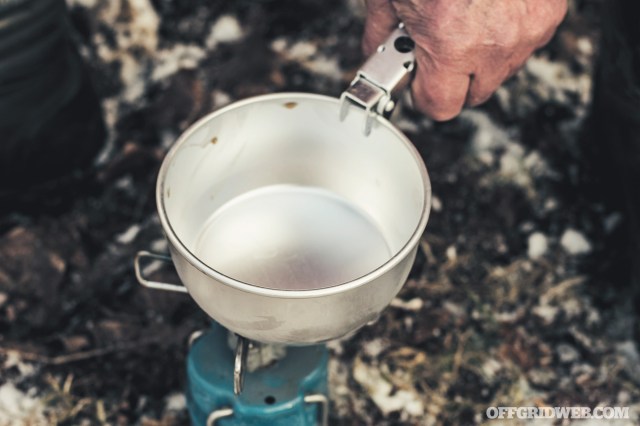
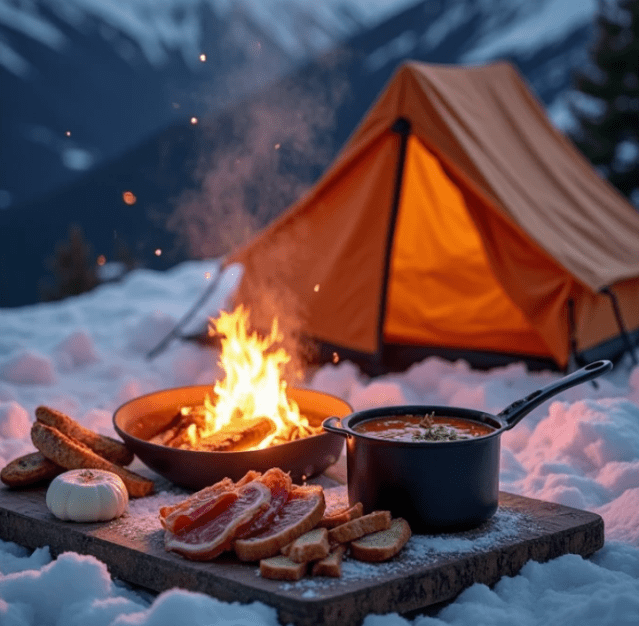
Close up Shot of a Camper at the Forest Cooking for Something Using Portable Stove on the Ground.

No power grid means no microwave, no stove, and no convenient meals. You need a way to cook in all weather conditions.

Your cooking kit should include:

  • A portable camp stove with multi-fuel capability
  • A stainless steel pot or cook set
  • A metal water bottle you can boil water in
  • Long-term food storage meals (freeze-dried or dehydrated)

And remember: off-grid life means learning primitive skills—because Skittles and instant ramen won’t feed you forever.


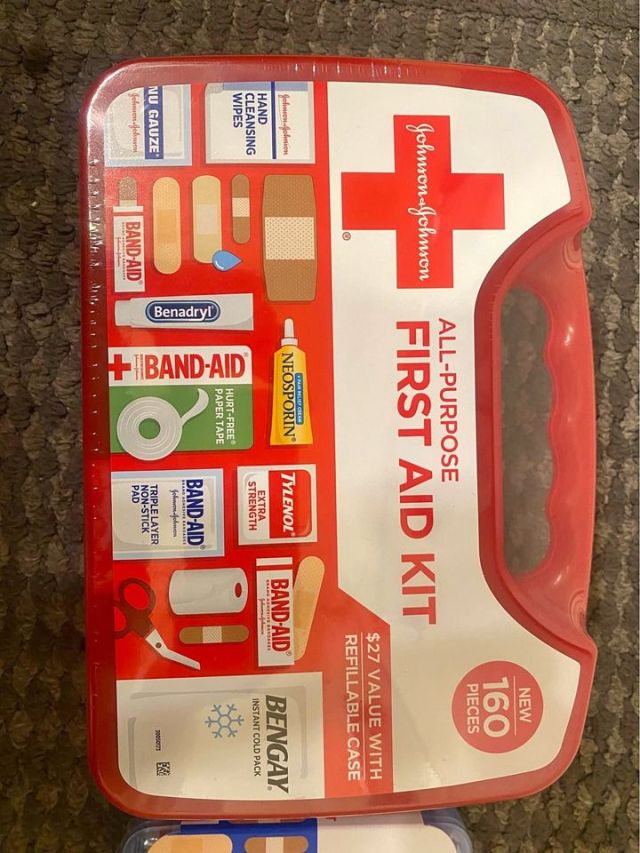
8. First Aid Gear—Because Injuries Off-Grid Are Unforgiving

In the wild, small wounds escalate into infections, infections become life-threatening, and emergency rooms are hours (or days) away.

A real off-grid first aid kit includes:

  • Trauma supplies (tourniquet, pressure bandage, clotting agent)
  • Antiseptics
  • Pain medication
  • Burn treatment
  • Splints and wraps
  • Medical tape that actually sticks

Too many people treat first aid like an afterthought. Those people don’t last long.


9. Navigation Tools—Because GPS Won’t Save You Forever

When the grid goes down, and your phone dies, you’ll need real tools:

  • A compass (a real one, not a toy)
  • Paper maps of your area
  • A backup GPS device for as long as satellites stay functional

If you’re lost off-grid, the world stops being your home and becomes your hunter.


10. Defensive Gear (Because Desperation Turns People Into Animals)

Let’s be honest: if society collapses, the biggest threat won’t be nature—it’ll be people. Desperate, unprepared, angry, panicked people who waited too long and now want your supplies.

You need defensive tools that fit your local laws, your skills, and your comfort level, such as:

  • Bear spray
  • A survival staff or hiking pole
  • Noise deterrents
  • Perimeter alarms for camp

Defense isn’t optional. It’s reality.


11. The Tools That Keep You Alive Long-Term

Short-term survival gear is easy. Anyone can buy a knife and a flashlight.
Long-term gear? That’s where the herd gets thinned.

You need:

  • A folding saw or compact chainsaw
  • A repair kit (duct tape, paracord, sewing needles, patches)
  • Fishing gear
  • A multitool with real steel, not cheap aluminum junk

Off-grid life is nonstop maintenance. If you can’t fix things, they fail—and then you fail too.


Final Reality Check

The harsh truth is simple:
Most people won’t survive off-grid.
They’re too soft, too dependent, too fragile, too delusional about how the world really works.

But if you’re reading this, maybe you’re different.
Maybe you’re one of the few who still understands that survival takes preparation, grit, and gear that won’t betray you.

Prepare now—while you still have the chance.

Texas Wants to End You: 10 Deadly Texas Threats That Could Kill You Tomorrow

Texas. The Lone Star State. Big skies, bigger landscapes, and apparently, bigger risks. If you think the biggest threat in Texas is a long wait at a barbecue joint or a traffic jam on I-35, think again. The truth is, Texas is a sprawling death trap disguised as “freedom and sunshine.” I’ve been around, seen people ignore danger, and it amazes me how many think they can wander into the heart of this state without preparing for the inevitable.

I don’t sugarcoat reality. So here it is: the top ten most dangerous things in Texas that could easily end your life—and how to survive them if you’re stubborn enough to stay alive.


1. Venomous Snakes

Texas boasts more venomous snakes than a paranoid survivalist could shake a stick at: rattlesnakes, copperheads, and cottonmouths all casually lying in wait. One careless step through the underbrush, and you could be meeting your maker before your cell phone even loads Google Maps.

Survival Tip: Learn to recognize snake habitats, wear thick boots, and carry a snake bite kit if you’re venturing into rural areas. Never try to handle snakes—this isn’t an Instagram stunt. Know the nearest hospital that stocks antivenom because time is life.


2. Spiders and Scorpions

Yes, even the little ones can kill you. Brown recluse spiders and bark scorpions aren’t just creepy crawlers; they can inflict venomous bites that send you into toxic shock if ignored. In the middle of the night, a casual scratch could end your life in ways you didn’t even know were possible.

Survival Tip: Always shake out clothes, shoes, and bed sheets if you’re camping or living in older rural homes. Keep your home sealed, and if you see one of these nightmares, kill it immediately—don’t rely on luck.


3. Extreme Heat

Texans like to brag about summer weather, but the truth is, the heat is a silent killer. Heat stroke isn’t just uncomfortable—it’s deadly. A few hours in 105°F temperatures without proper hydration can fry your organs and leave you begging for the sweet release of death.

Survival Tip: Hydrate constantly, carry electrolyte replacements, avoid unnecessary travel during peak hours, and never underestimate the power of shade. If you’re outdoors, plan your movements like a tactical operation.


4. Tornadoes and Extreme Weather

The skies over Texas look deceptively serene, until you see that twister forming on the horizon. Tornadoes don’t just destroy property—they destroy people. Flash floods and hailstorms are also common killers, ready to sweep away the unprepared.

Survival Tip: Always check weather alerts, invest in a storm shelter if possible, and have an emergency kit ready. If a tornado is spotted, don’t debate; get underground or in a reinforced interior room. The “it won’t happen to me” mentality is a fast track to the morgue.


5. Venomous Aquatic Life

Texas isn’t just dry heat and snakes—its waters hide death too. The Gulf of Mexico and inland lakes harbor sharks, jellyfish, and venomous fish like the stonefish. Drowning is also a major risk; many Texans underestimate water currents, underestimating the danger until it’s too late.

Survival Tip: Swim only in designated areas, never underestimate currents, and learn basic water survival skills. A personal flotation device isn’t just for kids—it’s a lifeline.


6. Fire Ants

You laugh at them until the first swarm attacks. Fire ants are small, but they kill with numbers and venom. Hundreds of bites in minutes can lead to severe allergic reactions or, if untreated, death. Texas soil is practically crawling with them.

Survival Tip: Avoid grassy areas with mounds, wear shoes outdoors, and carry antihistamines if you’re prone to allergies. Treat every ant bite seriously; swelling and pain can escalate faster than you think.


7. Highway Madness

Texas roads aren’t for the faint of heart. With giant trucks, insane drivers, and long stretches of isolated highways, traffic accidents are a leading killer. Combine that with heat, fatigue, and a false sense of invincibility, and you’re sitting on a steel coffin on wheels.

Survival Tip: Drive defensively, avoid late-night fatigue, and always maintain an emergency kit in your vehicle. Knowing how to react when someone tries to force you off the road could be the difference between life and death.


8. Disease-Carrying Insects

Mosquitoes in Texas carry West Nile virus and other diseases that can kill if ignored. Tick-borne illnesses like Rocky Mountain spotted fever also lurk in rural areas. One bite can change your life—or end it.

Survival Tip: Use insect repellent, wear long sleeves in wooded areas, and check for ticks daily. Don’t dismiss mild flu-like symptoms; early intervention is crucial.


9. Urban Crime

Yes, Texas is dangerous in the wild, but don’t think cities are safe. Armed robberies, assaults, and home invasions are very real threats, especially for those who think a “locked door” is enough to keep death at bay.

Survival Tip: Always be aware of your surroundings, secure your home with multiple layers of protection, and consider self-defense training. Naivety in urban areas can be just as lethal as ignoring snakes in the woods.


10. Neglecting Preparation

Finally, the deadliest danger of all in Texas is your own ignorance. Not knowing the terrain, underestimating the weather, ignoring wildlife, or failing to carry basic survival tools will end more lives than any rattlesnake or tornado ever will.

Survival Tip: Preparation is everything. Have a survival kit, know the terrain, check the weather, study local wildlife hazards, and always assume you are one bad decision away from disaster. If you’re not ready, Texas will gladly kill you without remorse.


Conclusion

Texas is no joke. Every step you take, every river you cross, every hour you spend outside, the state is silently reminding you: you are not in control. The animals, weather, highways, and even your own negligence are waiting for one slip to turn your life into a cautionary tale.

But here’s the silver lining for those stubborn enough to fight for survival: if you take these dangers seriously, educate yourself, and act decisively, you can walk through Texas alive. It requires vigilance, preparation, and an unflinching acknowledgment that the world is not your friend.

So pack your water, stock your antivenoms, learn your snakes from your rocks, and remember: Texas isn’t friendly—it’s lethal. And if you survive it, you’ve earned a medal for sheer stubbornness.

End-Times Childbirth: Why Most Won’t Survive Without Real Prepper Skills

Let’s not sugarcoat it: childbirth is dangerous even in the modern world. Hospitals, trained medical teams, surgical rooms, sterile equipment, and instant access to emergency intervention—that’s the only reason most births today feel “safe.” But when the world collapses, when the power grid fails, supply chains crumble, and professional healthcare becomes a memory, childbirth becomes what it always was throughout most of human history: deadly.

People don’t want to hear that. They think “natural birth” means “easy birth,” as if the human body cares about our romanticized fantasies of self-reliance. But if society actually crashes, and a woman goes into labor without proper support, training, and preparation, the harsh truth is this:

Mother and baby survival is no guarantee.

And the worst part? Most people have no clue how unprepared they really are.

In the end times, or any long-term collapse scenario, childbirth becomes one of the most dangerous events a family can face. And unless someone involved—preferably the prepper whose job it is to foresee these threats—has the right skills, things can go downhill fast.

If you want to survive childbirth during societal collapse, here’s the ugly truth: you need preparation, knowledge, calm under pressure, and the ability to adapt in situations where the margin of error is practically zero.

No fantasy. No Hollywood drama. No “just breathe.”
Real survival or real consequences.


Why Childbirth Becomes Deadly When Society Ends

Let’s break down why childbirth becomes so dangerous in a collapse scenario—because people keep pretending nature is kind.

Spoiler: she’s not.

1. Modern Medical Assistance Disappears

No hospitals.
No midwives unless you already know one.
No emergency C-sections.
No ultrasound warnings.
No fetal monitoring.
No antibiotics on demand.
No neonatal care.

Think about the number of modern births that require medical intervention just to prevent tragedy. Remove that safety net, and you can imagine the outcome.

2. Infection Becomes a Major Threat

Without sterile environments and proper supplies, infection becomes a killer. It’s not a minor problem—it’s a leading historical cause of maternal death.

3. Complications Don’t Pause Just Because You’re Unprepared

Breech births, prolonged labor, hemorrhage, exhaustion—these problems don’t care that the world has collapsed. They still happen. And without trained assistance, they can still kill.

4. Stress and Trauma Increase Risks

In end-times conditions, everyone is stressed. Everyone is malnourished, dehydrated, exhausted, or unsafe. Those conditions make childbirth harder, riskier, and more unpredictable.

But let’s not pretend the world is going to get any better. So if childbirth is happening during collapse, the only solution is to prepare now—and stop assuming everything will magically work out.


Essential Prepper Skills for End-Times Childbirth

(High-level survival concepts only — NOT medical instructions)

I’m not giving you step-by-step medical procedures. That would be irresponsible and unsafe. But I am going to tell you what general areas of knowledge a prepper needs to even have a fighting chance of helping during childbirth without modern systems.

Think of these as categories you need to be trained or educated in—before the world falls apart.

1. Basic Understanding of the Birth Process

You don’t have to become a doctor, but you should know what childbirth generally looks like—stages, timing, and what is considered normal versus what signals danger.

Too many people think birth happens like in movies—three minutes of screaming and then a baby magically appears. Wrong. Labor can take hours. Sometimes days.

Understanding the rhythm of childbirth helps prevent panic decisions that put mother and baby at risk.

2. Cleanliness and Sanitation Principles

This isn’t “use a sterile kit” because you won’t have one.
This is understanding how to minimize contamination.

Knowing how to create a cleaner environment, handle materials safely, and reduce infection risk can literally save lives.

Few people know the difference between “looks clean” and “actually safe.”

3. Emergency Assessment Skills

You need to know how to recognize signs that something is wrong—in general terms.

Not diagnose.
Not treat.
Just recognize danger.

Being able to tell when labor is stalled, when the mother is in distress, or when the situation is beyond your capacity is critical.

4. Emotional Stability Under Extreme Pressure

You know what happens to untrained people during high-stakes emergencies? They panic. They freeze. They break.

But childbirth in collapse conditions doesn’t leave room for breakdowns.
The person assisting must stay calm and alert, even when things take a bad turn.

5. Resource Management and Preparation

Birth requires supplies—clean water, cloths, safe cutting tools (if necessary), warmth, lighting, hydration, and a safe location.

This is where preppers have the advantage:
They’re used to thinking ahead.
They know how to gather, store, and ration supplies.

Even if you can’t replicate a hospital, you can still prepare an environment that keeps danger manageable.

6. Postpartum Care Awareness

Again—no medical procedures here. Just the concept: birth doesn’t end when the baby arrives.

Mother and baby both need monitoring, warmth, hydration, nourishment, and rest.
Infections, complications, or stress-related issues can appear after birth—sometimes hours or days later.

Too many preppers forget that survival doesn’t stop at delivery.


Why Most People Will Fail

(And why you shouldn’t be one of them)

People today are soft. They’re dependent. They think “Google it” is a skill. They think the government will swoop in during emergencies.

And worst of all, they think childbirth is some kind of guaranteed biological process that will always work out fine.

History disagrees.
Reality disagrees.
Collapse scenarios REALLY disagree.

You cannot rely on luck.
You cannot rely on assumptions.
You cannot rely on wishful thinking.

If you expect to bring a child into a fallen world and keep both mother and baby alive, you must prepare before the crisis.

Because once the world falls apart, it’s too late.


A Prepper’s Final Warning

I’m angry because people don’t take this seriously. They hoard ammunition, stockpile canned food, buy tactical gear… and then completely ignore one of the most dangerous survival events humanity knows: childbirth.

You want to survive the apocalypse?
You want to raise a child in a collapsed world?
You want to protect your family when society fails?

Then start respecting childbirth as the survival challenge it is.

Not a miracle.
Not a movie moment.
A life-or-death situation.

Prepare. Train. Learn.
Or you’re gambling with two lives at once.

And if that sounds harsh, good.
Reality is harsh.
Especially in the end times.

Bug-Out with Tent, Trailer, or Something Else? Why Your Choice Might Still Get You Killed

Let’s face it: most people wandering through life today think “bugging out” means grabbing a backpack, hopping in an SUV, and heading toward some fantasy cabin in the mountains like they’re starring in a low-budget survival movie. Meanwhile, those of us who actually prepare—really prepare—know that the world is teetering on the edge of collapse, and the worst part isn’t the chaos coming. It’s the crowds of clueless citizens who think they’re going to “figure it out” as everything burns.

So here’s the ugly truth: your bug-out shelter—tent, trailer, or whatever else you’ve romanticized—is probably not the miracle solution you think it is. Every option has weaknesses. Every option can fail you. And if you expect otherwise, you’ve already lost.

Still, we’re stuck in this doomed civilization together, so let’s break down the realities of the three main bug-out shelter paths and why they might, if you’re lucky, give you a microscopic edge when everything goes dark.


Option 1: The Tent — Lightweight, Portable, and Pathetically Vulnerable

Ah yes, the favorite of ultralight backpackers and YouTube survival “influencers” who pretend they know cold, hunger, and terror. The tent is the bug-out choice for those who prefer mobility—but it’s also the choice for those who are comfortable sleeping inside a nylon bag while the entire forest listens to them breathe.

But here’s why tents do matter despite their fragility:

The Pros:

  • You can move fast. Mobility is survival when the masses are fleeing like sheep without GPS.
  • No fuel requirement. Unlike trailers or RVs, you don’t become dependent on gas—something most people won’t plan for until they’re siphoning fuel in the middle of the night.
  • Cheap enough that even beginners can buy a real one. And yes, beginners will still manage to buy the wrong one, but at least they have a shot.

The Cons:

  • Zero protection. Rainfly or not, if the weather wants to punish you, it will. If wildlife wants to investigate your midnight snack, it will. If humans want your supplies, you’re done.
  • Terrible insulation. You’re a warm, edible burrito to the world.
  • Setup requires calm hands—something you won’t have on Day 3 of societal collapse.

Let’s put it simply: tents are fast, but fragile. Good for escaping the chaos, but dangerous for surviving it long-term. If your bug-out strategy relies solely on a tent, then congratulations—you’re planning for mobility, not protection.


Option 2: The Trailer — Sturdier, Heavier, and a Beacon for Desperate People

A trailer might seem like the balanced choice. It offers shelter, mobility, and storage. A place to sleep without waking up soaked from condensation or frost. A place where your food isn’t stored inches from your pillow. A place that doesn’t flap like a dying bird every time the wind blows.

But don’t fool yourself: trailers come with their own demons.

The Pros:

  • Protection from the elements. Real walls do wonders during storms, even if they’re thin aluminum.
  • More storage space. Your supplies can actually be organized instead of bursting out of a backpack like a sad garage-sale explosion.
  • You look less desperate. And in survival terms, “less desperate” often means “less likely to be targeted.”

The Cons:

  • You’re married to your vehicle. No truck, no mobility. Lose the key? You’re a stationary buffet for anyone who stumbles upon you.
  • Fuel dependency. And no—storing 20 gas cans “just in case” doesn’t magically fix this issue.
  • Visibility. Trailers scream: “I have supplies!” to anyone passing by.

Worse, navigating rough terrain with a trailer means you’ll be stuck on roads longer than someone with a tent. And roads will be where chaos lives.

Trailers are great—until you can’t move them. Then they’re nothing but a tiny metal coffin with cabinets.


Option 3: Other Options — The Fantasy Land of Improvised Survival

Some preppers swear by alternative bug-out shelters: hammocks, rooftop tents, converted school buses, vans, DIY off-grid carts, or even old hunting blinds. Innovation is great—right up until reality slaps you in the face.

The Pros:

  • Niche advantages. Hammocks are phenomenal in humid areas. Vans provide stealth. Rooftop tents keep you away from ground predators.
  • Customizability. You can tailor these setups exactly to your environment.

The Cons:

  • Specialized means limited. A hammock is useless in the desert. A rooftop tent is a liability in high winds. A van becomes your prison if people block the exit.
  • High learning curve. Most people don’t know how to use these systems correctly even in perfect conditions—much less during apocalypse-lite.
  • Maintenance. The more moving parts, the more chances something fails when you need it most.

In short, alternative shelters can be brilliant for specific environments—but they demand actual skill, discipline, and scenario planning. And let’s be real: most people won’t do any of that.


So Which Bug-Out Shelter Should You Choose?

The answer is as grim as you expect:

None of Them Are Perfect.

Because you don’t get perfection in collapse scenarios. You get trade-offs. You get compromises. You get options that are all flawed, and you choose the flaw you’re most prepared to survive.

Here’s the mindset you actually need:

  • If you expect chaos early: choose mobility. Tents win.
  • If you expect long-term off-grid living: choose protection. Trailers win.
  • If you know your terrain better than most people know their own families: choose alternatives. Specialized gear wins.

But the real truth—the one nobody likes to say out loud—is this:

Your shelter choice doesn’t save you. Your preparedness, discipline, skills, and planning save you. The shelter is just the tool.

And if society collapses tomorrow, the masses will flood the highways, destroy the forests, raid anyone with visible gear, and burn through resources like toddlers with matches. And you’ll be out there, choosing between nylon, aluminum, and creative madness.

Utah Power Outages And How to Stay Safe With No Electricity During SHTF

When the power goes out unexpectedly—especially for days or even weeks—many people realize just how dependent they are on electricity. As a lifelong prepper and someone who cares deeply about helping others get through tough times, I want to offer you both practical skills and compassionate guidance. Whether you live in a cozy Utah suburb or out in the red rock country, preparing for blackouts isn’t paranoia; it’s wisdom.

The truth is, Utah has unique challenges during power outages: harsh winters, vast rural areas, and increasing pressure on infrastructure from population growth and climate instability. If the power grid goes down during an SHTF (S**t Hits The Fan) event, being ready can mean the difference between discomfort and disaster—or worse.

Let’s go through five essential survival skills to help you thrive without electricity, three creative DIY power hacks, three must-have products, and the five worst cities in Utah to be stuck in during a blackout. Then, we’ll talk about how to put it all together into a sustainable plan for your household.


5 Essential Survival Skills for Living Without Electricity

1. Firecraft and Heating Without Power
If the power goes out in the middle of a Utah winter, especially in the high-elevation zones like Park City or Logan, keeping warm becomes a life-or-death priority. Learn how to safely build and maintain indoor and outdoor fires. Stockpile dry firewood, invest in a wood-burning stove or indoor-rated propane heater, and know how to ventilate properly. Always have a carbon monoxide detector on standby with backup batteries.

2. Manual Water Sourcing and Purification

Your taps won’t run forever when there’s no electricity. Wells need pumps. City water systems can lose pressure or become contaminated. Every household should have at least one gravity-fed water filtration system (like a Berkey or DIY ceramic filter). Learn to collect rainwater, find natural water sources, and purify with methods like boiling, iodine tablets, and solar stills.

3. Food Preservation and Non-Electric Cooking
Once refrigeration is gone, spoilage happens fast. Learn to can, pickle, and dehydrate food. If you haven’t tried solar ovens or rocket stoves yet, they’re efficient and perfect for Utah’s sunny days. A Dutch oven and cast-iron skillet over an open flame or hot coals will also serve you well. Don’t forget: learning to make bread from scratch using natural leavening like sourdough is both comforting and sustaining.

4. Non-Electric Communication
Cell towers may stay up for a while on backup generators—but not forever. Learn to use and maintain ham radios or CB radios for local communication. Have printed local maps and know your community’s geography in case you need to travel for help or trade.

5. Security and Situational Awareness
During a long-term blackout, desperation can grow fast in urban centers. Practice situational awareness. That means knowing your neighbors, keeping a low profile when distributing supplies, and securing your home. Training in self-defense, installing manual locks, and developing a home perimeter plan could keep your family safe when tensions run high.


3 DIY Electricity Hacks for Blackout Survival

You don’t need to rely on the grid to power a few essentials. Here are three DIY hacks to produce or store electricity in a blackout:

1. Build a Bicycle Generator
A stationary bike connected to a car alternator or small generator can be a great way to generate small amounts of power—enough to charge phones, small batteries, or LED lights. You’ll need a voltage regulator and some basic tools, but there are many tutorials online to guide you.

2. DIY Solar Power Bank
Combine a small portable solar panel (20–100 watts) with a deep-cycle marine battery, charge controller, and inverter. It’s simple and scalable. You can store enough power to run a fan, charge phones, or even keep a small fridge cold for a few hours a day.

3. Thermal Energy Conversion
Use thermoelectric generators (TEGs) to convert heat from a stove or fire into usable electricity. They don’t produce a lot, but it’s enough to power LED lights or a USB-powered device. This is particularly useful in cold climates like Utah, where you’re running heat sources daily in winter anyway.


The 3 Most Important Survival Products When There’s No Electricity

If you only had three survival products to rely on during a major grid-down event, these would give you the highest chances of staying safe and healthy:

1. Multi-Fuel Stove or Rocket Stove
Cooking, boiling water, and warmth—all without power. A rocket stove is efficient, burns small sticks, and works in all weather. Better still if it runs on multiple fuels like wood, propane, or alcohol.

2. Gravity-Fed Water Filtration System
Clean water is survival priority #1. Systems like the Berkey can filter thousands of gallons of questionable water without electricity. For long-term SHTF, this could save your life.

3. LED Lanterns with Rechargeable Batteries
Safe, long-lasting lighting is essential, especially when candles are too risky or short-lived. Use rechargeable AA or AAA batteries and charge them via solar panels or bike generators.


5 Worst Cities in Utah to Lose Power During SHTF

When considering which cities in Utah would be hardest to survive in during an extended power outage, we’re looking at population density, elevation, climate severity, infrastructure weaknesses, and social dynamics. Here are the top 5 you want to prepare especially well for:

1. Salt Lake City
High population, heavy snow in winter, and a complex urban infrastructure make SLC extremely vulnerable. If stores are looted and fuel runs dry, people will be desperate. Suburbs might fare slightly better, but urban chaos can ripple out fast.

2. West Valley City
Utah’s second-largest city, West Valley has a similar problem—high density, minimal local agriculture, and large apartment complexes that become heat traps or iceboxes without power. Security concerns are also more significant here.

3. Ogden
Known for rough winters and older infrastructure, Ogden’s electrical systems aren’t as robust as they should be. It’s also a hub city, which means traffic bottlenecks and resource shortages happen fast.

4. Provo
Though home to BYU and a somewhat community-minded population, Provo’s growing tech sector and urban sprawl make it dependent on the grid. Winters can be harsh, and there’s not a ton of backup infrastructure.

5. Park City
Tourism and wealth mask a survival challenge here: high altitude, deep winter snow, and dependence on electric heat. When vacationers leave, residents may find themselves cut off from help due to snowed-in roads and empty shelves.


How to Prepare and Stay Safe

Now that you know what skills to learn, products to get, and what areas are most at risk, it’s time to form a simple, clear plan.

Step 1: Create Layers of Redundancy
Don’t just rely on one flashlight or one water source. Have backups. If your solar panel fails, you want a hand-crank option. If your propane runs out, you want a wood option.

Step 2: Practice What You Learn
Reading about survival is great, but try going one weekend a month without electricity. Cook all your meals on a rocket stove. Use only non-electric lighting. Try to wash clothes by hand. You’ll discover weaknesses in your plan that you can fix now, while it’s still easy.

Step 3: Build a Support Network
No one survives alone forever. Get to know your neighbors. Find like-minded folks in your area who are also prepping. Build a barter system or a shared emergency plan. In Utah especially, many communities are already tight-knit—you just need to lean into that.

Step 4: Stay Calm and Lead by Example
When SHTF, people will panic. But you’ve prepared. Keep your cool. Help those who need it without putting your own household in danger. Your calm presence might be what inspires others to organize instead of descend into chaos.


Final Thoughts

Living without electricity is not only possible—it’s how humans lived for thousands of years. With a little knowledge, a few tools, and a lot of heart, you can thrive even when the lights go out. Whether you’re in a city or tucked into the mountains, your readiness could mean everything for your family and even your community.

Be wise. Be kind. Be prepared.

Oklahoma’s Worst Roads to Drive on During a Disaster

Oklahoma’s Worst Roads to Drive on During a Disaster – And How to Escape Alive

By a Well-Traveled Survivalist

I’ve driven through wildfire smoke so thick it turned day to night. I’ve had angry mobs pound on my hood, forded flooded roads where only alligators belonged, and maneuvered past twisted wrecks on broken highways. Let me tell you something straight: no matter how good your bug-out bag is or how much water you’ve stashed, if you can’t drive your way out when the heat’s on, you’re already dead in the water.

Now, let’s talk Oklahoma—a land of brutal tornadoes, torrential rains, ice storms that shut everything down, and enough open space to vanish into if you know what you’re doing. But it’s also a place where the roads betray the unprepared. Infrastructure here isn’t designed for mass evacuations, and even the most seasoned drivers can get trapped on the wrong stretch of pavement. So buckle in. I’m going to walk you through the worst roads in Oklahoma during a disaster, the skills you need to survive behind the wheel, and how to keep moving when your gas runs dry.


Oklahoma’s Worst Roads in a Disaster

  1. I-35 – Oklahoma City to Norman and Beyond
    The spine of the state. It clogs instantly during mass movement. One overturned semi in a storm and you’re boxed in for hours.
  2. I-44 – Tornado Alley’s Trap
    From Lawton to Tulsa, this road slices through storm central. It’s surrounded by low-lying areas prone to flash flooding.
  3. I-40 – Cross-State Death Funnel
    Wide open, windy, and exposed—especially across the western plains. When tornadoes touch down, debris gets whipped into vehicles like shrapnel.
  4. US-69 – McAlester to Muskogee Corridor
    Two-lane bottlenecks meet erratic traffic. Heavy storms routinely knock out lights and signage.
  5. Turner Turnpike – OKC to Tulsa
    Sounds convenient until you’re stuck with toll booths and zero shoulder space to escape a wreck or gridlock.
  6. US-412 – Wind Shear Highway
    High elevation sections turn into white-knuckle drives during ice storms or high crosswinds.
  7. US-59 – Flood-Prone Backcountry
    Low water crossings near Sallisaw and Poteau make it unpredictable in spring. Flash floods hit hard and fast.
  8. OK-9 – South OKC to Norman
    Suburban sprawl and narrow lanes make for confusion and chaos when lights go out or intersections fail.
  9. OK-3 (Northwest Expressway)
    An urban escape route for OKC folks, but everyone has the same idea. Wrecks, stalled cars, and blocked intersections pile up quick.
  10. US-81 – Grain Hauler’s Corridor
    Filled with slow rigs, agricultural machinery, and limited passing lanes. One wrong move and the line behind you builds fast.

15 Survival Driving Skills That Save Lives

  1. Throttle Control
    Panic makes people mash pedals. Learn to feather your gas—smooth inputs keep your tires gripping in mud, ice, and debris.
  2. Reading Terrain Fast
    Scan for soft shoulders, water depth, drop-offs. Know if you’re about to dive into a ditch or sinkhole before you commit.
  3. Escape Route Mapping
    Always carry a physical map. GPS lies. Signal drops. And some of the best routes don’t even show up on an app.
  4. Driving Without Street Lights
    Practice night driving with only parking lights or no lights on moonlit nights—especially if you’re moving stealth.
  5. High-Centering Avoidance
    Know your vehicle’s ground clearance. Avoid cresting debris piles or road medians that can leave you stuck on your frame.
  6. River Ford Judgment
    If water is fast and touching your bumper, turn back. But slow, shallow water (6 inches or less)? Low gear and don’t stop.
  7. Skid Recovery
    Whether it’s ice or wet clay, know how to steer into the slide and recover control. Panic spinning only makes it worse.
  8. Two-Tire Recovery
    Ever had two tires drop off the pavement? Don’t jerk the wheel. Ease back onto the road gradually.
  9. Quick U-Turns in Tight Spaces
    Learn how to spin your vehicle around in a pinch—especially with limited room and traffic pressure behind.
  10. Dead Reckoning Navigation
    When GPS and cell towers go, your brain better know the compass. Read the sun. Use landmarks. Get oriented.
  11. Hood and Mirror Discipline
    Keep your hood clear. Check mirrors constantly. You’re not just looking at cars—you’re watching for threats, mobs, or road hazards.
  12. Barricade Breach Planning
    Think like an operator. Is the barrier manned? Wooden or steel? Can you hit a low point or shoulder and bypass safely?
  13. Silent Evasion Tactics
    Kill your engine when scouting on foot. Coast in neutral down slopes. Sound attracts attention—keep your vehicle quiet when needed.
  14. Fuel Conservation Driving
    Drive slow, shift early, coast when you can. Keep RPMs low to stretch that last gallon of gas like it’s your lifeline.
  15. Mechanical First Aid
    Basic roadside repair knowledge is gold. Swap belts, patch tires, jump a dead battery, or bypass a blown fuse with a paperclip.

3 DIY Survival Driving Hacks When You Run Out of Gas

1. Gravity-Fed Fuel Siphon (No Suction Needed)
Carry 6-8 feet of clear tubing and a 2-gallon container. Drop one end deep into a donor vehicle’s tank, fill the hose with fuel manually, and lower the other end into your container. Gravity does the rest. No mouth-siphoning needed.

2. Propane to Gasoline Conversion (For Older Engines)
Some older carbureted vehicles can run on propane with a simple regulator and line adapter. If you’ve got camping propane tanks and the right rig, this can buy you escape miles in a pinch.

3. Ethanol Burn Trick (Rural Area Only)
Some farm towns keep high-purity ethanol or E85. If you’re in an older car not too picky about octane, you can mix ethanol 50/50 with gasoline to get home. Watch your fuel lines—it runs hot and lean.


Bonus Tips from the Road

  • Carry Jerry Cans – But Hide Them
    Thieves look for visible fuel. Mount internally or black out the cans and store low-profile.
  • Two-Way Radio Beats Cell Phones
    CBs or handheld ham radios keep you in contact even when the towers fall silent.
  • Camouflage Counts
    Don’t drive a decked-out survival truck screaming “I’m prepared.” Subtle wins. A dented old pickup draws fewer eyes.
  • One Road, One Chance
    Never back yourself into a single-exit road unless you know you can blast out in reverse or on foot. Always think: “If it closes behind me, how do I get out?”

Final Thoughts From Behind the Wheel

I’ve met people who spent years prepping gear, stashing supplies, and building bunkers—but forgot how to drive when the power went out or the roads flooded. Survival on the road isn’t about horsepower or tactical decals. It’s about brains, calm, and skill.

In Oklahoma, disasters don’t come with much warning. One minute the sky’s blue, the next it’s green, and then it’s gone. When that moment comes, you don’t rise to the occasion—you fall to your level of training.

So train hard. Drive smart. Keep your eyes on the road—and never, ever trust that the pavement will be there tomorrow.

How To Stay Safe and Survive During a Riot in Maine

Let me start by telling you this—when society cracks, it doesn’t do it politely. Riots are fast, chaotic, and unforgiving. I’ve trained for all kinds of emergencies, from economic collapse to grid-down scenarios. But civil unrest? That’s a whole different beast. You don’t need to be paranoid to be prepared. When things spiral out of control—like what we’ve seen across the country and even small towns in Maine—being ready isn’t optional. It’s survival.

Riots can spring up anywhere, even in places where you think, “Not here. Not us.” But unrest doesn’t ask for permission, and it won’t send a warning. You have to be ready. Below, I’ll walk you through self-defense tactics, real-world prep tips, and how to build survival weapons from scratch. This isn’t theory. It’s what works.


8 Self-Defense Skills Every Prepper Needs During a Riot

1. Situational Awareness
Before you even need a weapon, your first line of defense is your awareness. Know your exits, observe crowd energy, and scan for erratic behavior. Stay off your phone. Keep your head on a swivel and trust your instincts. If something feels off, it probably is.

2. De-escalation Techniques
Avoiding a fight is smarter than winning one. Speak calmly, don’t posture aggressively, and use body language to show non-threat. Your goal is to vanish into the background, not be a hero.

3. Basic Striking
Learn palm strikes, knee strikes, and elbow blows. These are high-impact, low-effort moves that work when you’re in tight spaces. You’re not in a movie—keep it simple and effective.

4. Escape From Grabs
If someone grabs you, you need to know how to break free fast. Practice wrist release techniques and elbow leverage moves. Every second counts when you’re restrained.

5. Improvised Weapon Use
Know how to turn what’s around you into a tool. A belt with a metal buckle becomes a flail. A flashlight can be a bludgeon. A pen? A lethal force multiplier.

6. Crowd Movement Navigation
Learn how to move with a panicked crowd without being trampled. Stay near walls, keep your arms up for space, and go with the flow until you can break out sideways. Don’t go against the current—it’ll swallow you.

7. Tactical Retreat
There’s no shame in running. A retreat is a strategic repositioning to preserve your life. Practice quick exits and safe fallback points around your home or work area. Know your alleyways, fences, and escape paths.

8. Ground Defense
If you fall, you’re vulnerable. Learn how to break your fall and defend from the ground. Practice kicking from your back and using your legs to create space until you can stand or escape.


3 DIY Survival Weapon Builds for Emergency Defense

1. PVC Pipe Baton

  • Materials: 1.5” PVC pipe (18-24”), duct tape, metal nuts or bolts, sand or concrete mix.
  • Build: Fill the pipe with sand or bolts, cap the ends, and wrap the handle with duct tape for grip. You’ve got a durable, hard-hitting baton that’s light and concealable.
  • Use: Strikes to joints or collarbones. Aim for disabling, not showmanship.

2. Survival Spear from a Broomstick

  • Materials: Old broom handle, steel knife blade, paracord.
  • Build: Lash a fixed-blade knife securely to the broomstick using paracord in an X-wrap pattern. Reinforce with duct tape if needed.
  • Use: Defense against multiple threats at distance or as a deterrent while retreating.

3. Weighted Slingshot with Marbles or Bearings

  • Materials: Y-shaped tree branch, surgical tubing, leather patch, marbles or steel ball bearings.
  • Build: Attach surgical tubing to the branch, with the leather patch in the middle. Practice tension for consistency.
  • Use: Quiet, reusable, and surprisingly powerful. Aim for head or knee-level targets.

Survival Mindset During Civil Unrest

A riot is chaos incarnate. Looters don’t care who you are. Some folks get swept up in group hysteria and act in ways they never would on their own. Your focus must be: avoid, defend, escape.

Don’t participate. Don’t record. Don’t engage. You are not law enforcement. You are not a hero. You are a survivor. That’s your job, and it’s a full-time commitment once SHTF (S*** Hits The Fan).

Bug-Out vs. Bug-In:
If you’re caught near a riot, your first choice is always to bug out. But sometimes roads are blocked, or you’re safer inside. If you have to bug in, reinforce your doors, shut off lights, and make your home look uninviting. No lights, no sound, no visibility from the street. Stack furniture or sandbags behind doors. Keep quiet and keep watch.

Escape Routes:
Always have two: one primary, one backup. Know which streets get congested and which backroads lead to open areas. Keep your gas tank half full at all times. Map out safe houses—friends or family at least 10 miles out.

Personal Loadout (Minimum Riot Kit):

  • Compact multi-tool or utility knife
  • Tactical flashlight (with strobe mode)
  • N95 mask (for smoke/gas protection)
  • Leather gloves
  • Safety glasses
  • Light body armor or padded jacket
  • Emergency radio
  • Concealed pepper spray or stun device (where legal)

Preparedness Checklist: Know It Cold

  • Food & Water: 3 days’ worth, per person.
  • Communication: Battery radio, burner phone, walkie-talkies.
  • Medical Supplies: Trauma kit with gauze, tourniquet, pain meds.
  • Documents: Keep IDs, emergency cash, and important papers in a waterproof bag.
  • Community Contacts: Know who you can trust locally. Lone wolves don’t last long when chaos drags on.

Closing Thoughts from a Veteran Prepper

Riots are not just “big city” problems. Maine, with its quiet towns and tightly knit communities, is no exception. The second you think “It can’t happen here” is the moment you become most vulnerable.

Preparation isn’t paranoia. It’s the mindset of those who live to tell the tale. Be calm, be smart, and be two steps ahead. When the fire rises and the streets fill with fear, you won’t have time to “figure it out.” You’ll either be ready or you won’t.

Train now. Build now. Plan now.

When society breaks, there’s no reset button. Only those who kept their edge survive!

How To Stay Safe and Survive During a Riot in Pennsylvania

When civil unrest erupts, the rules of normal society get tossed out the window. If you find yourself in Pennsylvania during a riot—whether in Philly, Pittsburgh, or a small town—you need to shift from civilian mindset to survivalist instinct fast. I’ve lived through hurricanes, blackouts, and civil unrest. Let me tell you: chaos doesn’t send a warning text.

If you’re caught unprepared, you’re a target. But with the right mindset, skills, and tools, you can protect yourself and your loved ones. Here’s how a seasoned survival prepper handles a riot scenario.


First: Situational Awareness is Your Survival Bedrock

Before you ever have to throw a punch or swing a bat, your awareness will keep you alive. Monitor your surroundings constantly. Know the difference between a peaceful crowd and a mob ready to burn everything in sight. Stay updated on local news, and if something starts brewing, trust your gut. Don’t wait. Get out early if you can.

Install police scanner apps and follow local emergency channels. If you’re on foot, avoid bottlenecks like alleyways or fences. If you’re in a vehicle, keep your gas tank above half at all times and know at least three alternate routes out of town.


8 Self-Defense Skills Every Prepper Should Master

In a riot, 911 is likely overwhelmed or unavailable. That means you are your own first responder. Whether you’re defending yourself or your family, here are the self-defense skills that matter most:

  1. Situational De-escalation
    Learn how to defuse tension verbally and with body language. Sometimes not fighting is the smartest fight you’ll win.
  2. Krav Maga Basics
    This Israeli martial art was designed for real-world violence. Focus on neutralizing threats fast—groin strikes, eye gouges, and throat punches are not dirty; they’re smart.
  3. Palm Heel Strikes
    Avoid hurting your own hand. A palm heel to the nose or jaw is devastating and easy to learn.
  4. Elbow Strikes
    In close quarters, nothing beats the elbow. Short, fast, and bone-breaking.
  5. Improvised Weapon Training
    Know how to turn a flashlight, pen, or belt buckle into a weapon. A sturdy tactical pen can be life-saving.
  6. Ground Defense
    If you end up on the ground, know how to protect your face and get back up. Jiu-jitsu fundamentals are invaluable here.
  7. Escape From Grabs
    Practice breaking holds. A wrist grab can lead to a beatdown—or a quick reversal if you’ve trained properly.
  8. Weapon Retention & Disarmament
    If someone pulls a weapon on you, your goal is either to flee or disarm fast. Learn the basics of redirecting a knife or firearm—timing and confidence are everything.

3 DIY Survival Weapons You Can Make at Home

Even if you don’t own firearms or they’re not accessible, you can arm yourself legally and discreetly with DIY tools that pack serious deterrent value.

1. PVC Pipe Baton

  • Materials: 1-inch diameter PVC pipe (2 feet), sand or BBs, duct tape.
  • Instructions: Fill the pipe with BBs or sand to give it weight, seal both ends, wrap with duct tape for grip. It hits hard and won’t attract as much attention as a metal bat.

2. Improvised Spear

  • Materials: A broomstick, kitchen knife, duct tape, paracord.
  • Instructions: Lash the knife to the end of the stick tightly. Works for both defense and deterrent purposes, especially if you’re defending your home.

3. Slingshot with Metal Ammo

  • Materials: Commercial slingshot, ball bearings or marbles.
  • Instructions: Practice accuracy. A slingshot can take down small game or discourage an aggressive attacker without the noise of a firearm.

How To Fortify & Escape Your Home During a Riot

If a riot is headed your way, bugging in is your first line of defense. Fortify your home with these quick strategies:

  • Block ground-floor windows with furniture or plywood. You’re not trying to win a war, just discourage entry.
  • Turn off all lights at night to avoid drawing attention.
  • Create a safe room. If intruders enter, you need one locked, fortified space to regroup and plan an escape if needed.

If the situation escalates and you must bug out:

  • Don’t take major roads. They’re likely jammed or under police/military lockdown.
  • Move at dawn or dusk. Less visibility, less risk.
  • Dress like a grey man. Neutral colors, no tactical gear that screams “prepared.” You want to blend in, not stand out.

Quick-Access Riot Survival Kit

Here’s what every Pennsylvanian should keep ready when unrest flares up:

  • Tactical flashlight with strobe
  • Filtered water bottle or Lifestraw
  • Multi-tool or fixed blade knife
  • First aid kit with blood clotting gauze
  • Smoke mask or N95
  • Sturdy gloves (for climbing or dealing with debris)
  • Copies of ID in a waterproof bag
  • Map with marked safe routes out of town
  • Cash in small bills
  • Energy bars or MREs

Mindset: The Ultimate Survival Tool

If you panic, you lose. Stay calm, focused, and decisive. Panic is contagious. So is confidence. Your demeanor will influence your family and those around you. In a riot, fear spreads like fire. Be the firebreak.

Trust your instincts. Don’t hesitate. If you see things are spiraling, don’t wait for permission to act. It’s always better to leave too early than one minute too late.


Final Thoughts From a Seasoned Prepper

Riots in Pennsylvania aren’t just a big-city problem anymore. With social tension boiling across the country, even rural towns can become hotspots overnight. You don’t need to be a doomsday bunker-dweller to be prepared. You just need to take your safety seriously.

Train your body. Train your mind. Prepare your home. Learn to defend yourself and protect what matters.

Because in the end, when the system fails, you’re all you’ve got.

How To Stay Safe and Not Die During a Riot in Arizona

Let me level with you—if you’re living in or traveling through Arizona and the streets erupt into chaos, your survival depends on how well-prepared you are and what you know how to do under stress. Riots aren’t just crowds and chants. They can turn violent, fast. It only takes one spark—one broken window, one thrown rock—for things to spiral.

I’ve trained in multiple survival disciplines, from urban escape tactics to hand-to-hand combat, and I’ve seen what happens when people freeze. If you’re reading this, you already know instinct and information can mean the difference between getting home safe and getting carried away on a stretcher—or worse.

Understand the Threat

In Arizona, you have to factor in more than just the human element. Heat, dehydration, and distance between safe zones can complicate everything. If a riot breaks out in Phoenix, Tucson, or even Flagstaff, you’re looking at blocked roads, limited law enforcement, and a population on edge. Cell service might crash. Water may be scarce. Stores will close. That’s your setting. Now let’s get to what matters—staying alive.


8 Self-Defense Skills That Could Save Your Life

1. Situational Awareness

This is your first weapon. Know your exits. Watch people’s hands, not their mouths. Scan for objects being thrown, vehicles approaching, or mobs changing direction. You want to read a situation five steps ahead before it turns hostile.

2. Verbal De-escalation

Before fists fly, words can buy you time or a safe retreat. Learn how to lower your tone, control your breathing, and not appear aggressive or confrontational. Most people just want to vent, not fight—unless you give them a reason.

3. Palm Heel Strike

Forget Hollywood punches. A palm heel strike to the chin or nose can disorient an attacker instantly. Aim upward, push through the target, and get moving. You want space, not a brawl.

4. Escape from Grabs

If someone grabs your wrist, don’t yank. Rotate your arm toward the attacker’s thumb (weakest part of the grip) and pull free. Then move—don’t try to “win” a street fight.

5. Improvised Weapon Use

A pen, flashlight, or belt can become a defensive tool. Know how to use everyday items for leverage, distraction, or deterrence. A heavy-duty flashlight to the collarbone? That drops anyone.

6. Ground Defense

If you’re taken to the ground, stay calm. Use your legs to create distance—what we call “kicking range.” Protect your head and get to your feet fast. Never let someone pin you during a riot. You’re vulnerable to trampling, looting, and worse.

7. Multiple Attacker Strategy

Don’t try to fight off a group. Prioritize movement. Use obstacles like cars, fences, or trash cans to create bottlenecks. Focus on evasion, not dominance.

8. Weapon Retention (and Use)

If you’re carrying a legal concealed weapon—know how to keep it. If it’s exposed, it becomes a target. Know your state laws, and if you’re forced to use it, make sure it’s a last resort. Understand where to aim, and always assume witnesses are filming.


3 DIY Survival Weapons You Can Build Fast

1. PVC Pipe Baton

What you need:

  • 1.25-inch PVC pipe (2 feet long)
  • Sand or gravel (for weight)
  • Duct tape or paracord (for grip)

Fill the pipe with sand, cap both ends, and wrap the handle with grip tape. This can’t be legally classified as a weapon in most areas—but it’s solid enough to break glass or defend against an attacker.

2. Sling Shot with Surgical Tubing

What you need:

  • Y-shaped tree branch or pre-cut handle
  • Surgical tubing (from medical or hardware store)
  • Leather patch (cut from old glove)

This gives you range defense. You can launch rocks, steel bearings, or marbles. It’s silent, and if you know how to aim, it can stop someone at 20 feet—hard.

3. Tactical Spear (Hiking Staff Mod)

What you need:

  • Hardwood staff or aluminum hiking pole
  • Duct tape
  • Fixed blade knife (full tang preferred)

Secure the knife at one end with duct tape and paracord. You now have a spear for distance defense, animal deterrent, or window breaking. It doubles as a walking stick.


Urban Survival Mindset

Here’s the thing people forget: a riot isn’t a movie. It’s loud, confusing, and people lose their minds when they feel anonymous. Your best defense is to avoid the fight altogether. But if you can’t, move with confidence. Confidence is disarming.

Dress down—no flashy gear or brands. Wear neutral colors. Tactical gear attracts attention in crowds. Go gray man. That means blending in while being fully prepared to respond.

Carry a get-home bag. Keep:

  • Water (1 liter minimum)
  • Multi-tool
  • Flashlight
  • Spare cash
  • Portable charger
  • Copies of ID and emergency numbers

Always let someone know where you’re going. Plan routes with backup exits. Use alleys, fire escapes, and rooftops if necessary.


Arizona-Specific Tips

Heat is a weapon. You need hydration, even in the winter. Don’t underestimate how fast you can dehydrate during physical exertion in 90+ degree weather.

Terrain awareness is key. Arizona has wide-open roads and large urban sprawl. If riots shut down interstates or key highways (I-10, I-17), you’re walking a long way.

Law enforcement response will vary. Arizona cities have tactical response teams, but they may not prioritize you. In chaos, you’re on your own.

Watch for flashpoints. Areas near government buildings, universities, or police departments are usually the first to blow. Avoid them at all costs.


Final Advice

You don’t need to be a black belt. You don’t need a bug-out bunker. You just need to know what to do, and have the guts to do it when the time comes.

Keep your eyes open. Move smart. Fight only when you have to—and if you fight, finish it fast and get out.

Survival isn’t about macho. It’s about staying quiet, staying sharp, and staying alive.