Is South Dakota’s Drinking Water Safe

Is South Dakota’s Drinking Water Safe? An Angry Survivalist’s No-Nonsense Take

Alright, listen up. I don’t have time for sugarcoating or wishy-washy half-truths. If you’re living in South Dakota—or anywhere for that matter—and you think your drinking water is safe just because some government report says so, you’re dangerously naïve. Water is life. And if you don’t know how to secure, filter, and purify it, you’re asking for trouble. Plain and simple.

South Dakota may look like a peaceful, wide-open state with its rolling plains and serene lakes, but don’t let that fool you. Beneath that calm surface, contaminants—industrial pollutants, agricultural runoff, bacteria, viruses, heavy metals—are waiting to wreck your gut, your health, or worse. The water in municipal supplies, private wells, and natural sources can all harbor threats. Trusting blindly in tap water or any “officially safe” label is a survival mistake you don’t get to make twice.

So here’s the deal: Whether you’re bugging out or bugging in, you MUST master water filtration and purification skills. If you don’t, you’re dead in the water—literally. I’m laying out 15 water filtration survival skills that could save your life. Then I’m hitting you with 3 DIY survival drinking water hacks, because when push comes to shove, you gotta improvise with what you have.

15 Water Filtration Survival Skills to Keep You Alive

  1. Know Your Sources
    First, identify all possible water sources around you: rivers, lakes, ponds, rainwater, even puddles. Never assume clear water is safe—often the most polluted water looks deceptively clean.
  2. Pre-Filter Sediment
    Always filter out large particles and sediment before any purification. Use cloth, coffee filters, or even layers of sand and charcoal in a homemade filter.
  3. Boiling Water Properly
    This is survival 101. Boil water vigorously for at least one full minute (3 minutes if you’re above 6,500 feet elevation). Boiling kills most pathogens—bacteria, viruses, and protozoa.
  4. Use Activated Charcoal
    Charcoal removes chemical contaminants, toxins, and improves taste. If you can’t get activated charcoal, make charcoal by burning hardwood and crushing the blackened remains.
  5. DIY Sand and Gravel Filter
    Layer fine sand, coarse sand, and gravel in a container to filter out suspended solids. Pour water through slowly to trap particles.
  6. Solar Disinfection (SODIS)
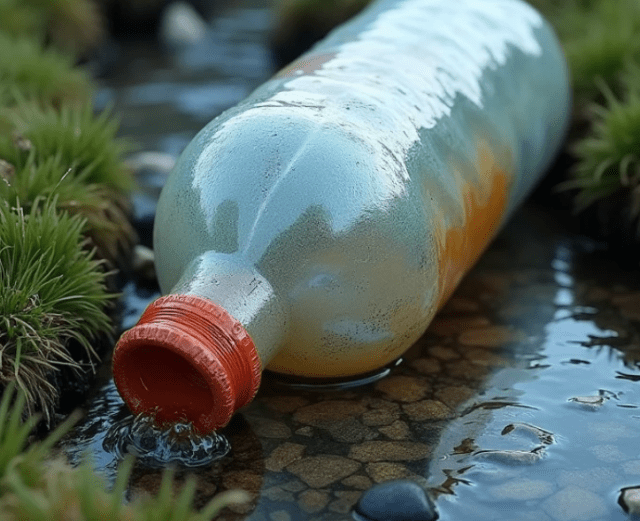
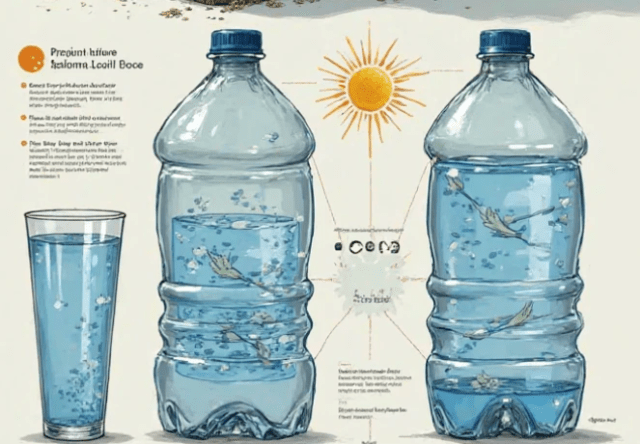
    In a pinch, fill a clear plastic bottle with water and leave it in direct sunlight for 6 hours. UV rays kill many bacteria and viruses.
  7. Chemical Purification
    Use iodine or chlorine tablets. Follow the instructions closely. Iodine is effective but not recommended for pregnant women or people with thyroid problems.
  8. Construct a Bio-Sand Filter
    This more advanced filter uses layers of sand and gravel combined with beneficial bacteria colonies to biologically purify water.
  9. Know Your Filters
    Carry a portable water filter rated to remove bacteria and protozoa. Some filter systems don’t handle viruses—know your gear’s limits.
  10. DIY Coffee Filter + Charcoal + Sand System
    Layer coffee filters, charcoal, sand, and gravel inside a plastic bottle with holes cut in the bottom for a makeshift filter.
  11. Distillation
    Set up a solar still or distillation apparatus if you have salty or chemically contaminated water. It’s slow but effective.
  12. Test for Contaminants
    If you have test strips or kits, use them to check for nitrates, lead, bacteria, and other toxins. It’s better than flying blind.
  13. Avoid Stagnant Water
    Avoid collecting water from stagnant sources that breed bacteria and parasites. Move water or let it flow before collecting.
  14. Maintain Your Equipment
    Clean your filters regularly. Don’t let mold or algae grow inside your water gear, or it defeats the purpose.
  15. Store Water Safely
    After filtration, store water in clean, food-grade containers. Cover them tightly and keep away from direct sunlight to prevent recontamination.

3 DIY Survival Drinking Water Hacks

Hack 1: The Bottle and Charcoal Filter
Take a clean plastic bottle and cut the bottom off. Invert it to make a funnel. Add a layer of cloth or coffee filter at the neck, then add crushed charcoal, fine sand, and gravel in layers. Pour water through slowly. This removes sediment, chemicals, and improves taste. Follow with boiling or chemical treatment for safety.

Hack 2: Solar Still for Distillation
Dig a hole in the ground. Place a container in the center to collect water. Cover the hole with plastic sheeting and weigh down the edges. Put a small stone in the middle of the plastic so it dips down over the container. Condensation will collect and drip into the container, leaving contaminants behind. Great for salty or dirty water.

Hack 3: Boiling with Pine Needles for Flavor and Detox
Boil water with fresh pine needles or spruce twigs. Not only does this add vitamins and improve taste, but the heat and natural oils can help neutralize some toxins. Just don’t rely on this alone; always filter first and purify.


Why You Can’t Trust “Safe” Water Reports in South Dakota

South Dakota’s surface water and groundwater come under increasing pressure from agricultural chemicals—nitrates, pesticides, herbicides—that seep into the water table. Reports often highlight compliance with EPA standards, but those standards don’t cover every harmful chemical or emerging contaminant. Industrial operations and old mining activities add heavy metals like arsenic and lead. Aging municipal infrastructure can cause pipe corrosion or contamination events.

You may have heard about nitrate contamination in parts of eastern South Dakota affecting private wells. Infants and pregnant women are especially vulnerable to nitrate poisoning (blue baby syndrome). And let’s not forget the occasional harmful algal blooms in lakes and reservoirs, which release deadly toxins into the water.

If you rely on untreated well water or natural sources, you’re rolling the dice without proper filtration and purification. Municipal tap water might be treated, but that doesn’t mean it’s 100% clean by your survivalist standards. Aging pipes, unknown contaminants, and possible boil water advisories during emergencies can all make tap water unsafe.


The Bottom Line

You have two choices: blindly trust whatever water comes out of your faucet or learn the skills to secure your own water supply no matter what. I don’t care if you live in a small South Dakota town or a farmstead miles from anywhere. You need to be your own water quality inspector, filtration engineer, and purification expert.

Ignoring this reality is an invitation to sickness or death. I’m not here to coddle you with feel-good talk or let you off the hook with “the government says it’s safe.” When the grid goes down, the rivers run dirty, or your well tests high on nitrates, what then? Don’t say I didn’t warn you.

Invest in a reliable water filter, learn to build your own, practice boiling and chemical purification. Carry test strips. Collect rainwater and know how to treat it. Build solar stills. Keep activated charcoal on hand. Don’t waste time complaining about water quality—fix it. Your life depends on it.

Remember, survival isn’t about hoping things get better. It’s about preparing for when they don’t. And when South Dakota’s drinking water turns bad—and it will—you better be ready. Because you won’t get a second chance.


Is South Carolina’s Drinking Water Safe? Hell No!

Listen up, because I’m not here to sugarcoat anything. If you think the water coming out of your tap in South Carolina is safe to drink, you’re dead wrong—and if you keep drinking that poison, you’re begging for trouble. I’m an angry survivalist, and I’ve seen what contaminated water does to people. It kills, it sickens, and it betrays the very essence of life. South Carolina’s water? It’s a ticking time bomb, loaded with industrial runoff, agricultural pesticides, heavy metals, and god knows what else. You’re basically swallowing a cocktail of chemicals and pathogens every time you take a sip.

Now, I don’t want to hear any excuses about “well, it passes government safety standards” or “the water looks clear, so it must be fine.” Clear water is not clean water. The government is often miles behind reality, and their “standards” barely scratch the surface. If you want to survive, thrive, and protect your family, you need to treat every drop of water like it’s a potential enemy. You want to live? You want to avoid the emergency room or worse? Learn how to filter, purify, and hack your way to safe drinking water—because no one’s going to save you but you.


15 Water Filtration Survival Skills You NEED to Master in South Carolina

  1. Know Your Sources: Rivers, lakes, and even groundwater in South Carolina can be heavily polluted. Never assume a natural water source is safe. Always scout upstream and avoid stagnant or suspicious water.
  2. Boiling Is Your First Line of Defense: Boil water for at least 5 minutes to kill bacteria, viruses, and parasites. This old-school method is reliable if you have the fuel.
  3. Use a High-Quality Portable Water Filter: Get a filter with a pore size of 0.1 microns or smaller. Sawyer Mini, LifeStraw, or Katadyn are solid choices that remove bacteria and protozoa.
  4. Activated Carbon Filters Are Your Friend: These remove chemicals, pesticides, and improve taste and odor. They won’t kill pathogens but are vital for chemical contaminants.
  5. DIY Sand and Charcoal Filter: Layer sand, charcoal, and gravel to create a simple but effective filter for large particles and some chemicals.
  6. Use Bleach Sparingly but Wisely: Household bleach can kill pathogens when added at 2 drops per liter and allowed to sit for 30 minutes. But it won’t remove chemicals or heavy metals.
  7. Solar Water Disinfection (SODIS): Fill clear plastic bottles with water and leave them in direct sunlight for 6 hours. UV rays kill pathogens, but it’s slow and weather-dependent.
  8. Distillation: If you have the equipment, boil water and capture the steam, condensing it back to liquid. This removes almost everything, including salts and heavy metals.
  9. Chemical Purifiers: Use iodine or chlorine dioxide tablets to treat water. They kill pathogens but not chemical contaminants.
  10. Pre-Filtration: Always pre-filter murky water through cloth or coffee filters before using finer filters to avoid clogging.
  11. Avoid Polluted Runoff: Stay clear of water near farms, factories, or urban areas. Runoff can contain pesticides, heavy metals, and bacteria.
  12. Test Water Whenever Possible: Portable water testing kits can alert you to heavy metals, bacteria, or chemical contamination. Use them.
  13. Collect Rainwater: When it rains, collect and store water. It’s naturally purified but should still be filtered and treated.
  14. Maintain and Clean Filters: Filters get clogged and dirty. Regular maintenance is essential to keep them effective and avoid bacterial growth.
  15. Understand Your Environment: South Carolina’s water quality varies by region and season. Research local water reports and plan accordingly.

3 DIY Survival Drinking Water Hacks to Keep You Alive in South Carolina

Hack #1: The DIY Charcoal Filter Bottle

  • Take an empty plastic bottle and cut off the bottom.
  • Invert the bottle like a funnel.
  • Layer cotton or cloth at the neck, followed by activated charcoal (from a campfire or bought), then sand, and finally gravel.
  • Pour water through this setup multiple times. It won’t sterilize but will remove sediment, some chemicals, and improve taste before you boil or chemically treat it.

Hack #2: Solar Still for Distillation

  • Dig a small hole in the ground.
  • Place a container in the center to collect distilled water.
  • Cover the hole with clear plastic sheeting, securing edges with dirt or rocks.
  • Put a small rock in the center of the plastic to create a low point for condensation to drip into the container.
  • Leave it under the sun. This method pulls moisture out of soil or plants and condenses it into safe drinking water.

Hack #3: Cloth Pre-Filtration and Boil Combo

  • Use a clean cloth or bandana to filter out large particles from river or pond water.
  • Collect the filtered water in a container, then boil it for at least 5 minutes.
  • If you have bleach or purification tablets, add them after boiling for extra safety.

Why You Must Stop Trusting South Carolina’s Drinking Water

Industrial plants line parts of the state, dumping chemicals directly or indirectly into waterways. The agricultural sector isn’t innocent either—pesticides, herbicides, and animal waste infiltrate the groundwater and surface water. Heavy metals like lead and arsenic have been found in some areas, and the aging infrastructure—rusty pipes and old treatment plants—adds its own cocktail of toxins. These contaminants don’t just “go away.” They accumulate in your body, damage your organs, and degrade your immune system. It’s a slow, invisible poison.

Think you’re safe drinking bottled water? Ha! The bottled water industry is a racket. Some bottled water is just filtered tap water. Others are stored in plastic bottles that leach chemicals, especially if exposed to heat. If you’re relying on store-bought water in an emergency, fine, but always have a plan to purify your own water in the wild or even in your backyard.


What Happens If You Don’t Filter or Purify Your Water?

You’re playing Russian roulette with waterborne diseases like giardia, cryptosporidium, E. coli, cholera, and hepatitis A. These aren’t just some minor stomach bugs; they can cripple you, cause severe dehydration, and kill you. And don’t even get me started on the chemical poisoning—neurological damage, cancer risks, kidney failure, and birth defects.

When disaster hits, water is the most critical survival resource. If you haven’t prepared by mastering filtration and purification, you’re dead in the water—literally.


Final Warning: Get Off Your Ass and Prepare

Stop being complacent. Water safety is not something to debate or trust blindly. Take control. Buy yourself a solid water filter, practice boiling water, learn to build your own filtration systems, and don’t ever, ever drink from an unknown source without treating the water first.

South Carolina’s drinking water is a silent killer. It’s up to you to fight back with knowledge, skills, and grit. If you want to survive whatever disaster or contamination comes your way, start NOW. Because when that tap runs dry or turns toxic, there won’t be a government official knocking on your door with bottled water. You’re on your own.


Remember: Water is life, but untreated water is death. Master these filtration skills and DIY hacks, protect your family, and never trust South Carolina’s drinking water to be safe without taking survival-level precautions. Stay angry, stay prepared, and stay alive.

Tennessee’s Drinking Water Safety: The Ugly Truth

Tennessee’s Drinking Water Safety: The Ugly Truth

Tennessee’s drinking water comes from a mix of surface water sources like rivers and lakes and groundwater from wells. On paper, the Tennessee Department of Environment and Conservation (TDEC) claims the water meets federal standards, but those “standards” can be shockingly lax. Heavy metals like lead and arsenic? They’ve been found in some regions. Agricultural runoff? Hello, nitrates and pesticides. Industrial pollution? Toxic chemicals lurking beneath the surface. And don’t forget about aging water treatment plants and pipelines, which can introduce bacteria and viruses if not properly maintained.

Even worse, in a crisis—natural disaster, contamination event, or infrastructure failure—your water source could become a death trap overnight. You think the government or local authorities will swoop in and save you immediately? Think again. When SHTF, it’s on you to have the skills and gear to secure clean water, or you’ll be drinking from mud puddles and praying to God you don’t catch something worse than dehydration.

15 Water Filtration Survival Skills You Need

Listen close because these skills could literally save your life. You cannot just hope the water is safe or rely on store-bought filters alone. You must master these filtration and purification methods like your life depends on it — because it does.

  1. Boiling Water
    The oldest and simplest trick: boil water for at least 1-3 minutes to kill most bacteria, viruses, and parasites. If you’re above 6,500 feet elevation, boil longer.
  2. Using Activated Charcoal
    Activated charcoal is a powerhouse for removing chemicals, toxins, and bad tastes. You can make your own charcoal by burning hardwood until it turns black and then crushing it finely.
  3. DIY Sand and Gravel Filter
    Layer sand, gravel, and charcoal in a container to create a slow water filter that catches sediment and particulates. It won’t kill microbes but will clarify the water.
  4. Solar Disinfection (SODIS)
    Fill clear plastic bottles with water and leave them in direct sunlight for 6 hours. UV rays help destroy pathogens. It’s not foolproof but better than nothing.
  5. Chemical Disinfection with Bleach
    Use unscented household bleach—add 8 drops per gallon, stir, and let it sit 30 minutes. If water smells like chlorine afterward, let it sit uncovered to off-gas.
  6. Constructing a Bio-Sand Filter
    Create a layered filter with sand and gravel, allowing beneficial bacteria to grow and naturally break down contaminants over time.
  7. Using Portable Water Filters
    Carry a quality survival water filter (like Sawyer or LifeStraw) designed to remove bacteria and protozoa.
  8. Distillation
    Capture water vapor by heating water and condensing the steam into a clean container. This removes heavy metals and salts but requires equipment.
  9. Using Iodine Tablets or Drops
    These are lightweight chemical treatments to kill bacteria and viruses. Be mindful of allergies or thyroid conditions.
  10. Making a Cloth Filter
    Use a clean cloth or bandana to filter out large particulates before further treatment.
  11. Freezing and Thawing
    In cold climates, freezing water and then thawing can reduce some microbial load, but it’s unreliable alone.
  12. Using Moringa Seeds
    Crush Moringa oleifera seeds and stir into turbid water. The seeds act as natural coagulants to help sediment settle.
  13. Using Alum Powder
    Alum helps clump sediment and contaminants, making it easier to filter out suspended solids.
  14. Using Coffee Filters or Paper Towels
    Not a full solution but can help remove debris and particulates before chemical treatment.
  15. Knowing How to Collect Rainwater Safely
    Set up clean containers or tarps to collect rainwater. Make sure collection surfaces are free from contaminants and treat before drinking.

3 DIY Survival Drinking Water Hacks for When You’re Out of Options

You don’t always have fancy filters or chemical tablets lying around. When you’re stranded in the wild or stuck in a grid-down scenario, you’ve got to improvise and survive with what you have. Here are three hacks that will keep you hydrated without poisoning yourself.

1. The Solar Still

This is a lifesaver in arid environments or when water sources are contaminated. Dig a hole in the ground, place a container in the center, cover the hole with plastic sheeting, and place a small rock in the middle to create a low point. Condensation will collect on the plastic and drip into your container. This collects pure distilled water—clean and safe to drink.

2. Charcoal and Cloth Filter Bottle

Take a plastic bottle, cut it in half, and invert the top into the bottom like a funnel. Layer crushed charcoal, sand, and gravel inside the top part, then cover the mouth with a cloth or bandana. Pour dirty water through the filter slowly, and the water collected in the bottom will be much cleaner.

3. Boiling Water with a Makeshift Pot

If you don’t have a metal pot, use a large, clean leaf or bark fashioned into a container and fill it with water. Place it on hot coals or a rock heated by fire, not directly in flames, and bring it to a boil to purify.

Final Word: Don’t Trust Tennessee’s Tap Water—Prepare Like Your Life Depends on It

Look, I’m not here to scare you just for kicks. I’m here because I’ve seen what happens when people blindly trust municipal water systems. You want a dead serious wake-up call? Study the news and you’ll find incidents where water was contaminated by industrial chemicals, lead leaks, or harmful bacteria outbreaks. Tennessee is no exception.

You need to assume your water is compromised and act accordingly. Boil it, filter it, treat it, purify it by any means necessary. Keep backup water purification supplies in your bug-out bag or emergency kit, and learn how to craft your own filters and distillers. Knowing how to get safe drinking water from almost any source is non-negotiable for survival in Tennessee or anywhere else.

If you want to stay alive, you’ll get serious about your water. That means stocking up on filters, learning chemical treatments, building your own filtration devices, and understanding nature’s methods like solar disinfection and distillation. If you don’t, you’re inviting sickness, disease, and disaster right to your doorstep.

So stop waiting for “official” assurances, because those come after the fact, long after you’re already sick. Take control. Prepare. Survive. Because when the water turns toxic, it’s not just a matter of inconvenience—it’s a matter of life and death. And I guarantee you, if you’re not ready, you won’t last a day.

Is Texas’s Drinking Water Safe? A Survivalist’s Raging Reality Check

Is Texas’s Drinking Water Safe? A Survivalist’s Raging Reality Check

Let me just cut through the polite nonsense and bullshit you’ve been spoon-fed by bureaucrats, big corporations, and slick politicians: NO, Texas’s drinking water is not safe. If you think you can just turn on the tap and gulp down clean, crystal-clear water, you’re either blissfully ignorant or dangerously naïve. This isn’t a conspiracy theory — this is hard, cold survival reality.

Texas has been battling drought, industrial contamination, failing infrastructure, and chemical pollutants for decades. Yet, somehow, the average Texan still thinks bottled water or tap water is a guaranteed safe choice. I’m here to tell you, wake the hell up before you and your family end up sick, poisoned, or worse. If you care about your survival — and I mean real survival, not some Instagram aesthetic about camping — then you better learn to filter and purify your water like your life depends on it. Because it does.

Why Texas Drinking Water Is a Toxic Nightmare

First off, let’s get one thing clear: Texas’s water infrastructure is a patchwork mess. The state’s growing population is straining ancient water systems built for a much smaller crowd. On top of that, you have industrial runoff from oil refineries, chemical plants, and farming pesticides seeping into the groundwater and rivers. Flint, Michigan taught us that government oversight doesn’t always protect us — and Texas has its own share of contamination scandals, from lead to benzene to arsenic.

Add drought to the mix — a hellish, persistent drought that shrinks reservoirs and concentrates toxins — and you have a toxic stew ready to kill you softly every time you take a sip. Waiting on the government to fix this? Good luck. The only reliable source of safe drinking water is the one you secure and purify yourself.

15 Water Filtration Survival Skills You Must Master Now

  1. Boiling Water — The oldest and simplest method. Boil water for at least one minute to kill bacteria, viruses, and parasites. High altitudes require longer boiling times. It’s basic but effective.
  2. Using a Portable Water Filter — Carry a quality portable filter like a Sawyer Mini or LifeStraw. These remove bacteria and protozoa instantly without chemicals.
  3. DIY Sand and Charcoal Filter — Layer sand, gravel, and activated charcoal in a container. Pour dirty water through it to remove large particles and some contaminants.
  4. Chemical Purification (Iodine/Chlorine) — Use iodine tablets or bleach drops (unscented household bleach, 8 drops per gallon). Wait 30 minutes before drinking. Effective but watch for taste and allergies.
  5. Solar Disinfection (SODIS) — Fill clear plastic bottles with water and place in direct sunlight for 6 hours. UV rays kill pathogens. Slow but useful in emergencies.
  6. Distillation — Boil water and collect the steam condensate. This removes salts, heavy metals, and many chemicals. Time-consuming but yields pure water.
  7. Using Coffee Filters or Cloth — Not a purifier alone but good for straining out sediments and debris before further purification.
  8. Ceramic Filters — Porous ceramic filters trap bacteria and protozoa. They require cleaning but are reusable and effective.
  9. UV Light Purifiers — Battery-powered UV devices like SteriPEN kill microbes by disrupting DNA. Fast and reliable but need power.
  10. Clay Pot Filters — Traditional method that filters water through porous clay. Slower flow but effective for removing sediments and some bacteria.
  11. Activated Charcoal — Charcoal from a fire can absorb toxins and improve water taste when used in a layered filter.
  12. Using Plant-Based Coagulants — Some plants like Moringa seeds can clarify water by clumping contaminants, making them easier to filter.
  13. Freezing Water — Freezing can kill some parasites, but it’s not reliable for all pathogens. Use only as a supplementary method.
  14. Using Moss or Grass as Filters — In extreme situations, moss or grass can trap particles. Combine with boiling or chemical treatment afterward.
  15. Making a DIY Solar Still — Dig a hole, place a container to catch condensed water, cover with plastic sheeting, and weight the center to collect evaporated clean water.

3 DIY Survival Drinking Water Hacks That Could Save Your Life

Hack #1: The Plastic Bottle Charcoal Filter

Grab an empty plastic bottle, cut off the bottom, and layer from the top: cotton balls, activated charcoal (you can make charcoal by burning hardwood and crushing it), sand, and gravel. Pour water slowly through this makeshift filter to reduce sediment and chemical impurities before boiling or chemically treating it. It’s cheap, quick, and can be made anywhere.

Hack #2: The Solar Water Pasteurizer

Fill a dark-colored container with water, seal it, and place it on a reflective surface in direct sun. The water temperature will rise high enough (around 65-70°C or 150-160°F) over several hours to kill most pathogens. Not full sterilization but enough to make it safer if boiling isn’t an option.

Hack #3: The Bandana Strain and Boil

In a pinch, use a clean bandana or cloth to strain out debris, then boil the strained water for at least one minute. This combines mechanical filtration with the most reliable purification method known to man. It’s not glamorous, but it’s effective.


Wake Up and Take Control

Texas’s water crisis is not going away anytime soon. Whether it’s drought, pollution, or infrastructure failure, the state’s tap water is a ticking time bomb for your health. Waiting for government fixes or corporate responsibility is a suicidal gamble. Your best chance to survive — to thrive — is learning how to secure and purify your own drinking water, no matter where you are.

If you don’t already have a water filtration system or survival skills, start yesterday. Learn to boil, filter, and chemically purify water. Practice making filters from natural materials. Carry a reliable portable filter with you always. Store emergency water and know how to treat unknown water sources.

This is survival 101. This is common sense. And if you don’t prepare for the inevitable collapse or contamination event, you will pay the ultimate price.

Final Words

Is Texas’s drinking water safe? Hell no. It’s contaminated, unpredictable, and not to be trusted. If you want to avoid illness, contamination, or outright poisoning, get serious about water filtration survival skills. Don’t wait for a disaster to teach you. Prepare now. Your life and the lives of those you love depend on it.

Stay sharp. Stay safe. Drink clean — or die trying.

Is Wyoming’s Drinking Water Safe

Is Wyoming’s Drinking Water Safe? Hell No, and Here’s Why You’d Better Learn to Filter It Yourself

Let me tell you something, and I’m not gonna sugarcoat it. If you’re sitting pretty in your high-rise, sipping tap water like it’s liquid gold because your government says it’s “safe,” then you’ve already lost. You’re not ready. And if you’re in Wyoming thinking your mountain streams and municipal water supply are God’s gift to hydration, then wake the hell up.

I’ve been living off the grid longer than most folks have been alive. Wyoming’s got beautiful country, no doubt—open skies, majestic peaks, and what looks like pristine streams. But don’t let the scenery lull you into a false sense of security. The truth? Wyoming’s drinking water might be safer than Detroit’s or Flint’s, but that doesn’t mean it’s safe for the long haul, especially if the grid goes down, disaster strikes, or pollutants seep into the supply like a thief in the night.

Wyoming’s Department of Environmental Quality might say their water complies with federal regulations, but “compliance” just means it meets the minimum requirements. That’s like saying a parachute “mostly works” at 5,000 feet. You willing to bet your life on that?

The Threats Are Real, and They’re Already Here

Let’s talk about what’s lurking in Wyoming’s water. Agricultural runoff is a major player. Fertilizers, pesticides, herbicides—all that junk ends up in rivers, wells, and reservoirs. You think the chemicals just vanish? They don’t. And guess what else Wyoming’s got? Mining operations. Heavy metals like arsenic and mercury can leach into the groundwater like a cancer. You want to drink cancer?

And let’s not forget natural contamination. That clear mountain stream? Might be full of Giardia, Cryptosporidium, and E. coli. One gulp and you’ll be hugging the toilet for a week—or worse.

So, the question isn’t just “Is Wyoming’s water safe now?” It’s “Are you prepared for when it isn’t?”

15 Survival Water Filtration Skills Every Wyomingite Should Know (or Anyone Who Wants to Stay Alive)

  1. Boiling Water: Basic but essential. Bring water to a rolling boil for at least 1 minute (3 minutes at elevation). Kills bacteria, parasites, viruses. Don’t skip it.
  2. DIY Charcoal Filter: Layer gravel, sand, and charcoal in a bottle. It won’t kill microbes, but it clears debris and absorbs chemicals.
  3. Solar Disinfection (SODIS): Fill a clear plastic bottle, place in sunlight for 6+ hours. UV rays destroy pathogens. Works best when the sun is strong.
  4. Portable Water Filters (e.g., Sawyer Mini or LifeStraw): Lightweight, affordable, and essential for any bug-out bag. Filters out protozoa and bacteria.
  5. Bleach Treatment: 2 drops of unscented household bleach per liter of water. Let it sit for 30 minutes. Works in a pinch. Do NOT overdo it.
  6. Potassium Permanganate: A few crystals per liter turns water light pink—strong disinfectant. But be careful, overdosing is toxic.
  7. Making a Bio-Filter: Combine sand, activated charcoal, and gravel in a bucket system. Slow but thorough. Perfect for long-term camps.
  8. Distillation: Boil water and catch the steam in a clean container. Leaves behind salts, heavy metals, and other contaminants.
  9. Use of Iodine Tablets: Effective against bacteria and viruses. Just know it can taste nasty and isn’t great for long-term use.
  10. Filter Through Cloth: Use a shirt, bandana, or coffee filter to remove sediment before further treatment.
  11. Clay and Charcoal Pot Filters: Build your own if you’ve got access to clay. Slow process, but incredibly effective for protozoa and bacteria.
  12. UV Light Purifiers: Battery-powered UV pens (like SteriPen) sterilize water in under a minute. Keep backups—battery failure means you’re screwed.
  13. Rainwater Collection: Use a tarp or metal sheet to funnel water into a clean container. Always filter before drinking.
  14. Tree Transpiration Bags: Wrap a clear plastic bag around green leaves. Sunlight causes condensation. It’s slow, but in a pinch, it works.
  15. Snow and Ice Melting: In Wyoming winters, this is your main source. But always melt and boil. Snow can contain airborne contaminants.

Now Pay Attention: 3 DIY Survival Drinking Water Hacks That Could Save Your Life

When the power’s out, the pipes are dry, and FEMA’s nowhere in sight, you’re going to want these in your back pocket.

  1. Tin Can Distiller
    Take two tin cans. Fill one with dirty water, cover it with foil, and connect it to the empty can with a metal or plastic tube. Heat the full can—steam will travel, condense, and collect in the empty can. Boom. Clean water. Not fancy, but it’ll keep you alive.
  2. Plastic Bottle Solar Still
    Cut a large plastic bottle in half. Put unfiltered water in the bottom, and a small container inside to collect clean drops. Tape plastic wrap over the top and set in the sun. As it heats, water evaporates and condenses—safe drinking water collects in the cup.
  3. Pine Tree Filter Trick
    Find a piece of pine wood, ideally still wet. Drill a hole through it, shove it into a hose or tubing. Pour water through slowly—pine wood’s natural structure filters out 99.9% of bacteria. Slow flow, but clean results. Nature’s miracle.

Final Word: Trust Nature, but Always Verify

You think the world’s gonna keep delivering clean tap water when disaster strikes? Hell no. We’ve got droughts, power grid vulnerabilities, chemical spills, EMP threats, civil unrest, and bureaucratic red tape that’ll kill you faster than dehydration. You trust the government? I trust my filter and my gut.

Even if you live in Cheyenne or Jackson and your tap water passed the latest tests with flying colors, you’re one wildfire or dam breach away from sipping sludge.

So don’t be a fool. Don’t wait for the next emergency to Google “how to purify water.” Get off your ass, get your gear in order, and train like your life depends on it—because it damn well does.

Clean water isn’t a right. It’s a privilege, and one that can vanish overnight. Wyoming may have clearer streams than most states, but clear doesn’t mean clean. You want to survive? Then act like it.

And remember: You don’t rise to the occasion—you fall to the level of your training.

Now get out there and train.

Is Wisconsin’s Drinking Water Safe? Don’t Bet Your Life on It.

Is Wisconsin’s Drinking Water Safe? Don’t Bet Your Life on It.

Let me get one thing straight before we dive in — if you’re sitting in Wisconsin and trusting that what’s coming out of your faucet is “safe” just because a government agency slapped a stamp on it, then you’re already halfway to being poisoned. We’re not talking about paranoid ramblings here — we’re talking hard, dirty truth. Wisconsin’s water — from the Great Lakes to the well in your backyard — has been under siege for years. Nitrate contamination, lead pipes, manure runoff, PFAS forever chemicals, and agricultural waste are just the tip of the polluted iceberg.

This isn’t fearmongering. This is survival. And if you want to live when the grid goes down, the trucks stop rolling, and nobody’s testing your water anymore — you’d better damn well know how to filter, purify, and produce your own drinking water. Don’t trust the tap. Don’t trust the politicians. Trust your skills, your gear, and your grit.

Here are 15 water filtration survival skills every Wisconsinite (or anyone, anywhere) should master now, before it’s too late:


1. Boiling Water (Properly)

Boiling kills bacteria, viruses, and parasites. But boil it hard — a full rolling boil for at least 3 minutes, longer at higher altitudes. Don’t play it safe — play it smart.

2. DIY Charcoal Filter

Layer sand, charcoal (from hardwoods, not treated lumber), and gravel in a container. Pour dirty water through — it’s not perfect, but it’ll take out the big threats. Make sure the charcoal is crushed fine for max absorption.

3. Solar Still Survival Method

Dig a hole, place a container in the middle, surround with green vegetation, cover with plastic, and weight the center. Evaporation and condensation will save your life.

4. Pump Filters (Know How to Maintain)

Hand-pump filters are lifesavers. But they’re only as good as the idiot using them. Clean regularly, backflush, and know when the cartridge is toast.

5. Know Your Contaminants

If you’re in Wisconsin, you better know what nitrates do to a body. Learn to test your water. Nitrates don’t boil away — they need actual filtration.

6. Gravity Filters

Set up a gravity filter system with two containers: dirty water on top, clean water below. Let gravity do the work with a ceramic or carbon filter in between. Slow, but solid.

7. Wild Plant Filtration Aids

Some plants — like banana peels, moringa seeds, or certain tree barks — help trap impurities. Learn your local options. Nature provides, if you know what to ask for.

8. DIY Bio-Sand Filter

Build a long-term filter with layers of sand, gravel, and activated charcoal. Keep the top layer wet and alive — that’s where the helpful bacteria live.

9. Using UV Light (Including the Sun)

A clear plastic bottle + 6 hours in direct sunlight = UV death for most pathogens. This only works if the water’s already clear, so pre-filter that muck.

10. Build a Clay Pot Filter

Porous clay pots can filter out bacteria slowly and steadily. Add colloidal silver if you’re handy with chemistry — it boosts the kill power.

11. Boil with Wood Ash

Add wood ash to water, let settle, then boil. Ash binds some heavy metals and neutralizes acidity. It’s not perfect, but in a pinch, it works.

12. Understand Turbidity

Cloudy water hides danger. Always let water settle and decant the top before filtering or boiling. Mud equals sickness.

13. Portable Straw Filters

LifeStraws, Sawyer Minis — these are not gimmicks. They work. But know their limits. Most don’t filter out viruses or chemicals. Still, better than a mouthful of cow pond.

14. Boil with a Metal Bottle

No pot? No excuse. Boil water in a stainless-steel bottle right in the coals. Burn your fingers once, and you’ll never forget how.

15. Backup Filters for Your Filters

One filter fails, you’re dead. Carry extras. Replace cartridges. Field-clean if possible. Redundancy is not paranoia. It’s survival.


Now that you’ve got the skills, let’s talk hacks — real-world, down-and-dirty, slap-together survival solutions when all hell breaks loose and you don’t have access to your gear.

3 DIY Survival Drinking Water Hacks


1. T-Shirt and Sand Filter

Got a dirty pond and no filter? Take a T-shirt, some clean-ish sand, and a bottle or container. Cut the bottle in half. Invert the top half into the bottom. Pack in layers of sand, charcoal (if you can get it), and cloth. Pour water through slowly. Then boil. Ugly? Sure. But it’ll get the mud and microbes down to a manageable level.


2. Plastic Bottle UV Purification

Take a clear soda bottle, fill it with water, and leave it in full sun for 6+ hours. This kills viruses and bacteria using ultraviolet light. Don’t use cloudy or green bottles. And again — if the water’s cloudy, you’re screwed. Pre-filter that swamp.


3. Tree Branch Filter (Xylem Filtration)

Hardwood trees like pine have a natural filtration system. Cut a 4-inch section of fresh branch, peel off the bark, and fit it tightly into tubing or a bottle. Pour water through it — slow, yes, but effective against bacteria. You won’t find this in your scout handbook.


Wisconsin’s Dirty Water Secrets

Look — Wisconsin’s got beauty. Lakes, rivers, groundwater galore. But that doesn’t mean it’s safe. The state has more than 1 million private wells, and around 42% of them don’t even get tested regularly. And even the “safe” city systems have problems — PFAS chemicals are turning up in Madison, Green Bay, Milwaukee — and once they’re in, they don’t come out without expensive, high-end filters.

We’ve got nitrate poisoning from farm runoff, lead in aging pipes, arsenic in the bedrock, and microbial contamination after floods. But don’t worry — the state says it’s “within federal standards.” As if that’s supposed to comfort you while your kidneys fail.

Do you think the bureaucrat sipping bottled water in his office gives a damn about your family’s health? If they did, they’d be handing out Berkey filters instead of excuses.


What You Should Do — Now

  1. Get a real water filter — gravity-fed, carbon-block, ceramic-core.
  2. Test your water — especially if you’re on a well.
  3. Learn to forage and filter from streams, ponds, lakes — safely.
  4. Teach your kids. Your spouse. Your neighbor.
  5. Don’t wait until there’s an alert. By the time you’re told not to drink the water, it’s already too late.

Bottom Line: You Can’t Afford to Trust the Tap

Wisconsin’s water might look clean. It might even taste fine. But clean-looking water can kill. Invisible poisons — nitrates, arsenic, PFAS — don’t have a smell. And they don’t wait until you’re ready.

Survival is about thinking ahead. About being angry before you’re a victim. Filter everything. Test everything. Prepare for when there’s no one left to warn you.

Don’t wait for someone else to save you. That’s how people die.


Get mad. Get ready. Get safe.


Is Alaska’s Drinking Water Safe – Heck No—Here’s What to Do About It


You ever trust a government agency telling you the water’s fine? That it’s “perfectly safe to drink”? Well, if you’re the kind of person who sleeps through a blizzard in June and thinks the tap won’t betray you, close this window and go back to watching moose videos. For the rest of you—those of us who actually give a damn about staying alive in the Alaskan wilderness—let’s talk about the real state of Alaska’s drinking water and what you need to do to survive.

Because here’s the brutal truth: Alaska’s drinking water isn’t always safe. Sure, there are places with treated municipal water, but do you really trust every remote cabin, every village, every melting glacier? Hell no. Between natural contamination, failing infrastructure, mining runoff, and straight-up negligence, you’re on your own. And that’s exactly how a survivalist likes it.

So before you keel over from giardia or puke your guts out from heavy metals, let’s talk tactics.


15 Water Filtration Survival Skills You Need If You’re Not an Idiot

1. Boil the Hell Out of It

Bring that water to a rolling boil for at least one minute (three if you’re above 6,500 feet—yeah, a lot of Alaska is). That kills most parasites and bacteria.

2. Use a Gravity Filter System

If you’ve got a base camp, a gravity-fed filter like the Berkey or homemade system can crank out clean water while you sleep. No pumping. No babysitting.

3. Carry a Pump Filter

Lightweight, compact, and essential. I swear by my MSR Guardian—it filters viruses, bacteria, protozoa, and even sediment from glacial melt. No filter, no survival.

4. DIY Charcoal Filter

Don’t have gear? Layer charcoal from your fire, sand, and cloth in a container. It’s not perfect, but it’ll take the edge off toxins and odors.

5. Learn to Use Iodine or Chlorine Dioxide

These chemicals kill the nasties. Iodine tabs are lighter than filters, though they taste like a swimming pool. Still alive beats tasting berries.

6. Pre-filter with a Bandana or Shirt

Got glacial silt or scum? Strain that gunk out before it clogs your filter. Less crap = longer filter life.

7. Know Your Sources

Rivers near mining operations? Avoid them like a rabid wolverine. Look for high-altitude streams, snow melt, or springs.

8. Solar Water Disinfection (SODIS)

Clear PET bottles in direct sun for six hours—UV radiation zaps the bad stuff. It’s real science, not hippie voodoo.

9. Dig a Seep Well

Find a water source, then dig a few feet back and let groundwater seep in. You’ll avoid surface contaminants and turds floating downstream.

10. Sand and Gravel Filter

Layer sand and gravel in a column—like a bottle or pipe. Pour water through it to mechanically remove sediment and larger organisms.

11. Always Carry Backup Purification Tablets

Stash them in every kit, pocket, and ammo can. Filters break. Fires go out. Tablets just work.

12. UV Sterilizers (Like the SteriPEN)

Battery-powered UV light kills pathogens in seconds. Good for small quantities—especially when stealth is critical.

13. Catch Rainwater

Set up a tarp, rain fly, or your tent’s fly to funnel rainwater into containers. It’s usually clean enough to drink with minimal treatment—still filter it if you’re smart.

14. Make a Solar Still

Dig a hole, place a container in the center, cover with plastic, and let solar evaporation do the rest. It’s slow, but it’ll keep you from dying of thirst.

15. Use Natural Filters: Moss, Sandstone, and Charcoal

In an emergency, use what nature gives you. Pack moss and charcoal into bark or birch tubes, and filter slow. You’ll still want to boil it afterward.


3 DIY Survival Drinking Water Hacks for the Bush

You’re out there with nothing but your wits and what’s in your pack. Here are three down-and-dirty tricks that can save your hide:

Hack #1: The Plastic Bottle Distiller

Take two plastic bottles. Cut one in half and put the dirty water in it. Connect the two using duct tape or a rubber seal. Set it near a heat source (like fire-warmed rocks) so the steam from the dirty side condenses into the clean side. It’s slow, but it can desalinate or purify almost anything.

Hack #2: Tree Transpiration Trap

Tie a clear plastic bag over leafy branches. As the sun hits, the plant releases moisture which condenses inside the bag. Drink that water. Just don’t pick anything toxic—don’t be dumb.

Hack #3: Fire-Baked Clay Filter

Shape some clay into a bowl and fire it in your campfire until it’s hardened. Mix in crushed charcoal before firing and you’ve got a primitive ceramic filter. It’s fragile but effective—if you’re not stupid and actually test it.


Alaska’s Water: What’s the Real Threat?

You think it’s just cold and clean because it’s “the Last Frontier”? Let’s break your fantasy.

  • Rural Alaska still relies on untreated wells and surface water. Hundreds of villages don’t have piped water. They haul it by the bucket.
  • Heavy metals and arsenic—especially in areas near old mines or natural deposits—can seep into groundwater. Arsenic doesn’t give you the runs. It gives you cancer.
  • Melting permafrost and climate change are unleashing ancient pathogens. Think that’s a sci-fi problem? Ask the Siberians.
  • Wildlife defecation upstream from your idyllic glacier stream is a guarantee. Moose, bears, and beavers don’t respect your thirst.
  • Boil water advisories are common in rural areas during storms, infrastructure failures, or contamination spikes. But guess what? When the grid goes down, there’s no advisory at all.

Bottom Line: You’re on Your Own

If you’re living in or traveling through Alaska—especially off-grid—no one is coming to save you. Your life depends on the choices you make before you’re choking on creek water or huddled with diarrhea in a tent at -10°F.

Build your kit. Know your skills. Practice them when your life doesn’t depend on them. Because one day, it will.


What To Do Right Now:

  • Inventory your water purification gear. If all you have is a LifeStraw, congratulations—you’re going to die eventually.
  • Test your sources. Get a water test kit. Know if your well or creek is contaminated before your kidneys fail.
  • Train your family. A good filter is useless if your kid drops it in the river.
  • Stockpile purification tablets, extra filters, and emergency water. This isn’t prepper paranoia—it’s called not being helpless.
  • Filter everything. Rain, snowmelt, tap water from a sketchy town—trust nothing that hasn’t been treated like an enemy.

You’re either prepared or you’re a liability. In Alaska, water isn’t just life—it’s life or death. Choose wisely.

Is Hawaii’s Drinking Water Safe? Hell No, and Here’s Why You Better Be Ready!

Let me tell you something about paradise, folks. Just because you’re surrounded by white sand and turquoise water doesn’t mean you’re safe—or hydrated. You think Hawaii’s drinking water is safe just because it’s America’s 50th state? Think again. If you’re sipping from the tap thinking you’re fine, you’re already behind the survival curve. Complacency kills, and in Hawaii, where volcanic rock, outdated infrastructure, and jet fuel-contaminated aquifers are part of the equation, that tap water might as well be poison.

Let’s talk about what they don’t tell you on your fancy resort brochure.

The Red Hill Disaster: You Still Thirsty?

In 2021, the U.S. Navy leaked jet fuel into the Red Hill aquifer, which supplies Oahu’s drinking water. Thousands of people—civilians and military alike—got sick. Headaches, vomiting, skin rashes. The government called it a “mishap.” I call it a warning shot. And guess what? That aquifer’s not fully recovered. You think the islands just magically healed?

If the water system on a U.S. military base in the middle of the Pacific can get poisoned, then you’d better believe the rest of us are vulnerable. Earthquakes, tsunamis, hurricanes—they don’t knock. They bulldoze. And you want to be caught with your mouth open under a faucet like a fool?

Let’s get one thing straight: You better know how to filter your own water, or you’re screwed.


15 Water Filtration Survival Skills You Better Learn Before You Need Them

These aren’t fancy TikTok tricks. These are hard-earned survival skills. Master them, or die thirsty.

  1. Boil the Hell Out of It – At sea level, a full boil for one minute kills most pathogens. In Hawaii’s higher elevations? Make that three minutes.
  2. DIY Charcoal Filter – Crush up charcoal, layer it with sand and gravel in a bottle. Pour water through. Slower is cleaner. Every jungle survivor worth their salt knows this.
  3. Solar Still Construction – Dig a pit, put a container in the middle, cover with plastic, and weight the center. Let the sun evaporate and condense clean water. Works damn well in the tropics.
  4. UV Disinfection (SODIS) – Fill a clear PET plastic bottle with water and leave it in direct sunlight for six hours. UV rays kill most viruses and bacteria. Simple, slow, effective.
  5. Build a Bamboo Pipe Filter – Split a piece of bamboo, fill it with charcoal and sand. Tropical and effective. Locals in SE Asia have done it for centuries.
  6. Use Native Plants – Hibiscus and moringa seeds can help coagulate particulates in murky water. Strain, then boil. Nature’s water treatment.
  7. Rain Catchment System – Set up tarps and gutters to collect rain into clean barrels. Keep them covered. Mosquitoes and debris are no joke.
  8. Cloth Pre-Filtration – Dirty water? Filter it through a T-shirt to remove sediments before treating. Better for your filters. Less clogging. More drinking.
  9. Portable Water Filter Use (Lifestraw, Sawyer Mini) – If you don’t already have one of these in your bug-out bag, stop reading. Go buy two.
  10. Distillation Over Fire – Dirty water, saltwater, or urine can be distilled by boiling and capturing the vapor into a clean container. Only the vapor is drinkable. The rest is death.
  11. Iodine Tablet Dosing – Use these carefully. 5 drops per quart, shake, wait 30 minutes. Don’t overdose unless you like thyroid issues.
  12. Bleach Purification – 2 drops of unscented bleach per liter of water. Shake, wait 30 minutes. Cloudy? Double the dose. Taste nasty but saves lives.
  13. Sand Filter Construction – A layered system of gravel, fine sand, and charcoal can purify gallons of water. Make one near your shelter for redundancy.
  14. Heat Pasteurization Indicator (HPI) – You don’t need to boil water to make it safe—just heat it to 149°F (65°C). Use wax that melts at that temp to know when it’s safe.
  15. Multi-stage Survival Filters – Combine cloth, sand, charcoal, and UV. Redundancy is safety. Never trust one method. Use two or three if your life’s on the line.

3 DIY Survival Drinking Water Hacks – Use These or Get Used to Dehydration

Want to survive when everything goes south and FEMA’s still three islands away? Use these DIY water tricks like your life depends on it—because it does.

1. Tarp Rain Trap

String up a tarp in a V-shape between two trees, pointing the low end into a container. It’ll collect rainwater fast during Hawaii’s frequent showers. Filter with cloth, then boil. Never miss a storm—storms mean free, fresh water.

2. Banana Tree Reservoir

Banana trees store water in their stalks. Cut one down, carve out a bowl-like section, and leave it overnight. Water will pool inside. Filter and boil. Works in the humid jungle and tropical zones like Puna or Hana.

3. Condom Canteen

In a pinch, condoms hold a lot of water (up to a gallon if you double them up). Boil water, cool it, pour into the condom, tie off, and keep it in the shade. Lightweight, flexible, and absurdly useful. Don’t be squeamish. Be smart.


Final Rant: Don’t Trust the System

You think the Hawaii Department of Health is watching your back? I don’t. They downplayed the Red Hill disaster until people started puking in the streets. They issue boil-water notices after the damage is done. When your tap smells like diesel, that’s not a time for bureaucracy. That’s a time for preparedness.

You need to build water independence. Rain barrels, filters, multiple purification methods—hell, even a desalination backup if you’re on the coast. Because when disaster hits, stores go empty in hours. And water—water disappears first. Not bread. Not toilet paper. Water.


Parting Words from a Paranoid Bastard Who’s Still Alive

I don’t care if you live in Waikiki, Hilo, or on the edge of a volcano with a pet chicken named Moe. If you don’t know how to get clean water when the taps run dry, you’re just a future headline.

Learn the skills. Practice them. And for the love of everything that’s holy and hydrated, stop trusting the system to save you.

Paradise is no excuse for ignorance. Hawaii’s drinking water is only safe until it’s not.

So ask yourself, are you ready?

Is Washington’s Drinking Water Safe

Is Washington’s Drinking Water Safe? An Angry Survivalist’s Reality Check

Let me give it to you straight — no sugarcoating, no bureaucratic BS. If you’re still trusting your tap water just because you live in Washington State, you’re playing Russian roulette with your kidneys. Yeah, that’s right. I’m talking to you — the average, unprepared, “it’ll be fine” kind of person sipping municipal tap water like it’s Evian. Wake up. Washington’s drinking water isn’t as clean or safe as they’d like you to believe. And if you’re not prepared to filter your own water, you’re one bad infrastructure day away from sucking down parasites, heavy metals, or worse — chemical runoff from a broken sewage pipe upstream.

Look, I didn’t crawl out of the backwoods of Cascadia with a backpack full of gear and 15 years of prepping experience to pat you on the head and tell you everything’s going to be okay. I’m here to light a fire under your complacent backside and arm you with survival-grade knowledge.

Because when the tap runs brown — and it will — you’ll wish you took water seriously.


Why You Can’t Trust Washington’s Water

Here’s the cold, hard truth: Washington’s water system is a patchwork of over 6,000 water providers, and not all of them are created equal. Flint, Michigan didn’t think it had a water problem either — until it did. And Washington’s urban sprawl, aging pipes, agricultural runoff, and growing industrial zones mean contamination is just one flood, earthquake, or bureaucratic oversight away.

Sure, Seattle’s water comes from protected mountain reservoirs. That sounds great until you realize all it takes is one wildfire or landslide to send ash, debris, and pathogens straight into your drinking supply. Meanwhile, rural areas often rely on groundwater — and guess what? That groundwater is getting hit with pesticide leaching, septic system leaks, and even PFAS (aka “forever chemicals”) from industrial waste. These toxins don’t ask permission to seep into aquifers.

Oh, and let’s not forget Legionella outbreaks, E. coli alerts, and lead warnings from old pipes in places like Tacoma and Spokane. Think those are “one-offs”? Keep dreaming. In a system this big and this old, you can bet your boots that for every contaminated water source you hear about, there are five more festering under the radar.


The 15 Survival Water Filtration Skills You’d Better Master — Now

I’ve seen people boil spaghetti in swamp water and call it “fine.” Don’t be that person. If you want to live when the grid goes down or a storm knocks out water treatment, you need to know how to purify and filter water like your life depends on it — because it does.

Here are 15 skills you need in your survival playbook:

  1. Boiling Water Properly
    Boil for at least 1 full minute (3 minutes above 6,500 ft). Don’t guess. Use a watch. Undercooked water is bacteria soup.
  2. DIY Gravity Filter Setup
    Use buckets, activated charcoal, sand, and gravel to make a slow-drip gravity filter. Works with pond water. Takes time, but it’s effective.
  3. Solar Disinfection (SODIS)
    Fill clear plastic bottles and let the sun UV-blast them for 6+ hours. Free. No fuel. Slow but effective against viruses and bacteria.
  4. Building a Charcoal Filter
    Learn how to make charcoal and use it to trap chemicals and impurities. Combine with cloth and gravel.
  5. Pre-Filtering with Cloth
    Always run turbid water through a t-shirt or bandana before further filtration. Removes sediment and large particles.
  6. Using Iodine or Bleach Drops
    Know your dosages: 2 drops of 8.25% bleach per quart. Shake, wait 30 minutes. Works — but not on chemical pollutants.
  7. Portable Water Filters (LifeStraw, Sawyer Mini)
    Always carry one. Lightweight. Fast. Filters out 99.999% of pathogens.
  8. Learning to Identify Safe Water Sources
    Flowing water is better than stagnant. Spring-fed creeks are gold. Avoid near agriculture, industry, or roads.
  9. DIY Ceramic Filter Knowledge
    These slow-drip filters last forever and are easy to build if you know pottery or can get your hands on a setup.
  10. Rainwater Harvesting Setup
    Use tarps, roofs, or plastic sheeting. Collect. Filter. Store in food-grade containers. Add bleach if storing long-term.
  11. UV Pen Purification
    Great for hiking or emergency bug-outs. Fast UV light zap kills bacteria and viruses. Doesn’t filter sediment.
  12. Pressure Filtering Systems (Berkey, Katadyn)
    Set one up at your base. Efficient. Handles larger volumes of water with multi-stage filtration.
  13. Distillation Techniques
    Boil, capture steam, condense. Strips nearly everything, including salt and heavy metals. Slow but ultra-effective.
  14. Making a Water Filter with a Plastic Bottle
    Cut in half. Add layers of sand, charcoal, gravel. Fast and dirty — better than nothing.
  15. Storage Sanitation and Rotation
    Treat stored water. Label with date. Rotate every 6 months. Clean containers with bleach solution beforehand.

3 DIY Survival Drinking Water Hacks

Let’s say you’re stuck. No filter, no stove, no fancy gear. You’ve still got options. Here are three MacGyver-tier hacks that can save your life:

  1. Tree Transpiration Hack
    Wrap a clear plastic bag around a leafy branch. Seal it. Let the sun draw out the moisture. Drink the condensed droplets. It’s slow, but it’s pure.
  2. Condom Canteen & Shirt Filter Combo
    Use a condom (unlubed!) to store water in an emergency. Stretchy and compact. Pre-filter through your shirt first. Then sanitize with bleach or iodine.
  3. Sand Pit Solar Still
    Dig a hole, put a cup in the center. Cover with plastic, seal the edges, and put a rock in the middle to make a drip point. The sun evaporates groundwater, condensing it into the cup. Labor-intensive, but works in deserts and coasts.

Final Warning: Don’t Wait for the Tap to Run Dry

I’m not saying you have to live in the woods with a knife in your teeth (though you should be capable of it). But if you’re relying on “normal” to stay normal, you’re already a liability — to yourself and anyone counting on you.

Washington’s water might be mostly safe today. But the world isn’t getting more stable. Climate change, wildfires, earthquakes, cyberattacks — take your pick. One good disaster and the same city officials who told you the water’s fine will be on TV stammering apologies while you’re rationing half a gallon for your family.

So don’t trust the faucet. Don’t trust the politicians. Trust your skills.

Get trained. Get geared. Get water-wise.

Or get sick.

Because in the end, there are two types of people in a water crisis: those who drink clean water, and those who wish they had listened.

Is Connecticut’s Drinking Water Safe

Is Connecticut’s Drinking Water Safe? Hell No – Prepare to Filter or Perish

Let me be real clear with you: if you’re still trusting ANY government, ANY water company, or ANY utility to keep your family alive with clean drinking water, you’ve already lost the first battle in the war of survival.

Connecticut’s drinking water? Don’t get me started. Maybe you’ve heard the soothing lullabies from your local officials—“Our water meets EPA standards,” they say. “It’s treated, it’s monitored, it’s safe.” Well guess what? So did Flint, Michigan. So did Camp Lejeune. How’d that turn out?

Do not wait until your taps run brown or start smelling like a meth lab. Water is life. And if you’re not taking full control of your own water source—where it comes from, how it’s cleaned, and how it’s stored—you’re gambling with your life and the lives of everyone you love.

The Ugly Truth About Connecticut’s Water

Let’s break it down.

Connecticut relies on a combination of reservoirs, groundwater wells, and rivers. Sounds nice, right? Lots of fresh forested hills and mountain-fed streams? Sure—until a chemical spill upstream, a manufacturing plant dumps PCBs, or a water treatment plant malfunctions. Don’t even get me started on forever chemicals—PFAS. They’ve been found in dozens of water sources across New England, and Connecticut is no exception.

And did you know? Municipal systems can legally contain up to 10 parts per billion of arsenic. ARSENIC. That’s a carcinogen. Why would any sane human accept that?

The answer: they don’t know any better. But you do now.

So here’s what you need to survive.


15 Water Filtration Survival Skills Every Nutmeg Prepper Must Master

1. Boiling
The classic. Bring water to a rolling boil for at least one minute (or three at higher altitudes). Kills bacteria, viruses, and parasites. But doesn’t remove chemicals.

2. Activated Charcoal Filtration
Make your own with burned hardwood. Crush it up, pack it tight. Removes chemicals, odors, and some heavy metals.

3. Sand & Gravel Layer Filtration
Build a gravity filter using layers of gravel, fine sand, and charcoal. Slows the water, filters debris, and traps particulates.

4. Solar Still Construction
Dig a pit, cover it with clear plastic, and collect evaporated water in a cup. This distillation method removes salts and chemicals.

5. DIY Ceramic Filter
Use a ceramic pot (unglazed), line it with charcoal, and let gravity do the work. Excellent bacteria filter.

6. Bio-Sand Filter
A long-term solution: buckets layered with gravel, sand, and a biological layer that naturally digests pathogens.

7. Portable Filter Straw Use
LifeStraw or Sawyer Mini. Buy them. Use them. Carry them. These can save your life when you’re caught off-grid.

8. Rainwater Harvesting
Collect off your roof using food-grade barrels. Filter before drinking. Make sure your gutters are clean and BPA-free.

9. Bleach Purification
Unscented bleach, 4-6 drops per quart, wait 30 minutes. Effective against bacteria and viruses. DO NOT overdose.

10. UV Light Purification
Solar disinfection (SODIS): fill clear bottles, leave in full sun for 6 hours. UV-A rays kill microbes.

11. Boil-Filter Combo
Boil water first, then run it through charcoal or ceramic filters to remove remaining toxins.

12. Pine Tree Filtration
Pine resin and wood can be used to create a makeshift bio-filter in emergencies.

13. Coffee Filter Pre-Screening
Use a coffee filter or even a clean cloth to remove large debris before finer filtration.

14. Emergency Desalination
If you’re near salt water: distill. Don’t drink it directly—salt kills. Learn to build a crude solar distiller or stove-top system.

15. Streamside Safety Tactics
Never collect water downstream of civilization or livestock. Always go upstream and filter anyway—never trust clear water.


3 DIY Survival Drinking Water Hacks (When You’re Out of Options)

These aren’t pretty, but they work when all else fails.

Hack #1: The Sock Filter
Take a clean sock. Fill the toe with charcoal (from your fire), followed by sand, and small rocks. Pour dirty water through. It won’t remove viruses, but it can reduce sediment and chemical taste. Still needs boiling after.

Hack #2: The Tree Tap Trick
Tie a plastic bag around a leafy tree branch and seal it. Let the sun work—plants sweat. You’ll collect a bit of safe drinking water per day. It’s slow, but it’s clean.

Hack #3: The Bottle UV Bomb
Clear plastic bottle + direct sunlight = your survival friend. Fill it, leave it on a reflective surface in the sun for 6-8 hours. It’s not perfect, but it’s better than drinking from a pond raw.


Connecticut Residents: Get Off the Couch and Into the Wild

Don’t wait for the next boil water advisory. They’re coming. You can bet your last water ration on it.

You think the government will roll up with bottled water for everyone? They’ll help some folks. Not you. Not me. You’re on your own.

The best way to treat water is to assume every drop is contaminated until you’ve processed it yourself. That means heat it, strain it, filter it, and store it properly in BPA-free, light-blocking containers. Rotate your water supply every 6 months. Keep at least 2 gallons per person per day stocked—minimum of 30 days.

And if you’re reading this and thinking, “Man, this guy’s paranoid”—good. You should be. Because it’s not paranoia when the threat is real.

We’re not just talking about survival in the wild—we’re talking about surviving suburban collapse. When the grid goes down. When the treatment plants fail. When a cyberattack poisons the supply chain. When chaos hits. And it will.


Closing Warning

Connecticut’s infrastructure is aging. Its groundwater is vulnerable. Its rivers are exposed. And its leaders are more concerned with policy optics than pipeline integrity.

If you’re still drinking straight from the tap, I hope you’re also writing your will.

Get a gravity-fed Berkey. Build a bio-sand filter. Learn to read a stream like your life depends on it—because it does.

Water doesn’t care about politics. It’s either clean or it’s not. And if you’re not filtering it, you’re the filter.


Filter or die, friend. Your move.