Minnesota Homestead Lifestyle: Confessions of a Fugitive Off-Grid

They say you can’t outrun the law, but they never tried doing it with a chainsaw, a root cellar, and a solar panel rigged to a deer blind.

The name ain’t important. Call me whatever suits you. I used to be somebody else—before the First National Bank of Mankato found itself unexpectedly light by $58,000 and a vault full of IOUs. Not proud of it, but I ain’t ashamed either. Desperate times make desperate men. What I can tell you is this: living off-grid in Minnesota saved my hide. And if you’re looking to disappear into the whispering birch and pine, you better come with more than just a flannel shirt and good intentions.

Here’s how I’ve stayed ahead of the badge—and built a life worth living.


15 Homesteading Skills That Keep Me Free

1. Woodlot Management: I know my trees like a preacher knows his psalms. Sugar maple, red oak, black walnut. I don’t just chop firewood—I rotate plots, thin for healthy growth, and never leave a fresh stump showing. Cops follow smoke. Keep your fires lean and your woods clean.

2. Rainwater Harvesting: Minnesota sky cries often enough. I rigged up gutters to feed twin 55-gallon drums, filtered through a homemade bio-sand setup. Water bills leave trails. Rain leaves no record.

3. Rocket Mass Heater Building: Keeps the cabin warm through those January soul-killers and burns so clean you won’t see smoke even at 4 a.m.

4. Root Cellar Construction: Dug it myself under a false chicken coop. Stores everything from canned venison to medical supplies. You want to be invisible, start by stockpiling quietly.

5. Foraging & Plant ID: Wild ramps, nettles, morels, highbush cranberries—you name it. Grocery stores have cameras. The woods just have owls.

6. Beekeeping: Nature’s little workforce. Trade honey for ammo or antibiotics with trusted folks. Silent and sweet economy.

7. Solar Power Setup: No grid, no bill, no questions. Panels from a junkyard, wired to deep-cycle batteries. Keeps my shortwave radio humming.

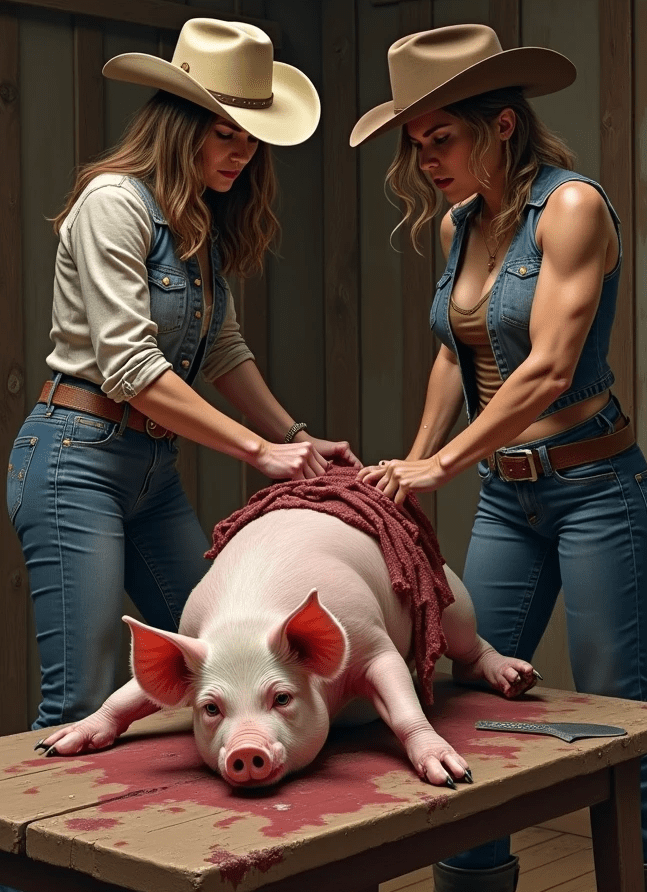
8. Hunting & Field Dressing: I take what I need, gut and clean fast, and bury the rest. Waste attracts bears—or worse, the DNR.

9. Hide Tanning & Leatherwork: From boots to sheaths, I make my gear. Nothing store-bought. Logos get you noticed.

10. Composting Toilets: Keeps the human sign down and the forest soil rich. Plus, it’s hard to track a man who doesn’t use plumbing.

11. Candle and Soap Making: Lye, ash, tallow. My cabin don’t smell like a hobo camp. Clean hands, clean conscience.

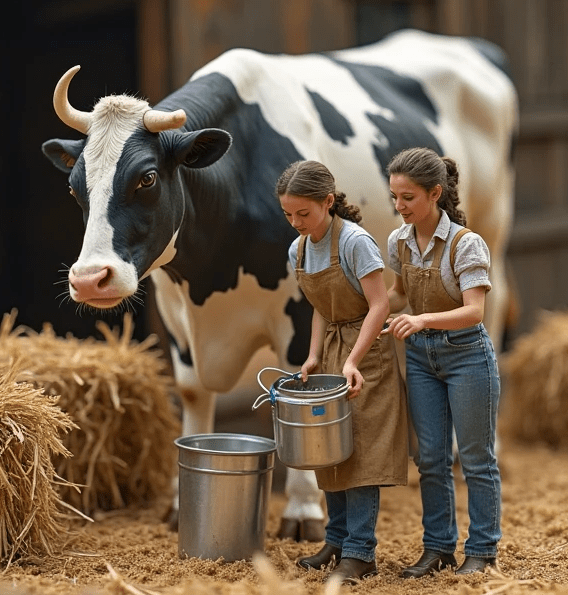
12. Livestock Rearing (Quiet Types): No roosters. Just rabbits and a couple Nigerian dwarf goats. Quiet producers of milk and meat. Screaming livestock is bad for low profiles.

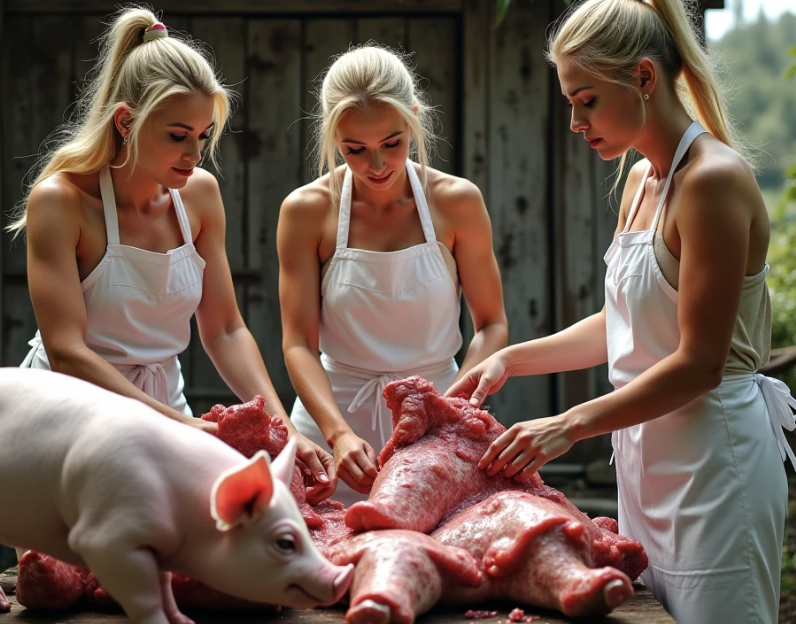
13. Preserving Meat Without Refrigeration: Salt curing, smoking, and pressure canning. Generator use is brief and rare. Noise discipline is everything.

14. Bushcraft Navigation: GPS? You kidding? The stars, moss lines, wind patterns. I can find Canada with my eyes closed and a pine needle.

15. Camouflage Gardening: Ever seen a potato field under a layer of native prairie grass? Neither has the sheriff. My food doesn’t grow in neat rows.


3 DIY Homestead Hacks to Keep Cops Off Your Trail

1. The “Backtrail Disrupter”:

I rigged a drag behind my boots—couple branches tied to an old belt. Erases tracks in snow or mud. Change shoes every few miles. When the hounds come sniffin’, they get confused like a churchgoer in a casino.

2. Thermal Masking With Earth and Brush:

Built an underground sleeping chamber six feet down, covered with old snow fence and three feet of packed pine boughs. Buried metal box stove inside. No signature on the FLIR. Learned that trick from an old Vietnam vet.

3. Decoy Cabin Setup:

Quarter-mile from my real homestead sits a busted-down shack with empty food tins, a lit lantern on a timer, and tracks leading nowhere. Last time they came, the law wasted three hours there while I was five ridges over, skinning a buck in the snow.


A Day in the Life, Off-Grid and Unseen

Mornings start early. Before the sun even touches the lake, I’m up with my wool hat, pulling traps. I don’t use steel-jaws—too noisy, too cruel. Simple snares for rabbits and the occasional raccoon. If I catch nothing, I forage. Roots in the spring, berries in summer, dried stores in winter.

Chores follow: firewood split, goats milked, snare lines checked, water filtered. The rhythm of it soothes the outlaw in me. No sirens. No headlines. Just the wind through spruce trees and the occasional crow cussing me out for being in its spot.

Evenings are for mending—gear, clothing, wounds. Reading sometimes, if the shortwave’s dead and I can risk the lantern. I still have a Bible. Still believe in something bigger than all this. Just think He understands better than the judge does.


Staying Invisible in a Digital Age

Off-grid don’t just mean power. It means no phone, no ID, no social. I burned mine in a fire with the bank map and a bottle of whiskey. I’m nobody now. And being nobody is a kind of freedom most people can’t stomach.

I barter, not buy. Never trade with anyone who doesn’t share a distrust of the federal alphabet soup. I listen more than I speak, and when I leave a place, I leave it cleaner than I found it. Reputation is currency. Silence is armor.


The Irony of It All

Funny thing is, I’ve built more community out here hiding than I ever had in town. Folks like me, living quiet, scratching out meaning in gardens and smokehouses, don’t ask many questions. We watch each other’s backs. We swap seeds, bullets, and stories.

We all ran from something: divorce, debt, despair. But out here, we found something else. Maybe not redemption. But something like peace.


Final Thoughts from the Pines

If you’re reading this, maybe you’re not a bank robber. Good. Keep it that way. But maybe you’re looking to get off the leash, to live like your grandfather’s grandfather did—by sun, soil, sweat, and guts. Maybe you feel that itch in your bones when you stare at a screen too long.

This life ain’t for the weak or the soft-hearted. It’s for those who understand that freedom costs. Mine came with sirens in the rearview and a pistol in the glove box.

But today, I’ve got a clean sky, a warm fire, and a pantry full of smoked trout.

And for now, that’s enough.

Welcome to My Kansas Homestead (Now Get Off My Lawn)

Listen, I didn’t move out to the middle of nowhere to deal with HOA regulations, TikTok garden tours, or nosy neighbors with opinions about my chicken coop. I came out here to build a life—one rooted in dirt, sweat, and the kind of hard work that most people wouldn’t touch with a ten-foot pole.

But you know what’s worse than a Kansas tornado ripping through your property in April? People with zero skills and shiny boots acting like homesteading is some Instagram aesthetic. This ain’t a curated lifestyle—it’s war, and the enemy is everything from drought to raccoons to tractor maintenance.

Now don’t get me wrong—I’m not mad at the land. I love this land. I wake up every morning with the prairie wind slapping me in the face like a cold coffee and I thank it for reminding me I’m alive. But if you’re thinking about starting a homestead here in Kansas, let me give you a cold, hard, mud-caked dose of reality—and maybe you’ll walk away a little wiser (and a little more respectful of people who actually live this life).

15 Skills Every Kansas Homesteader Needs (Or You’ll Fail Faster Than a Solar Panel in a Dust Storm):

  1. Seed Starting – Learn it. Master it. If you can’t sprout a tomato, go back to the city.
  2. Composting – Turn that kitchen slop into black gold. We don’t throw away nutrients out here.
  3. Animal Husbandry – Chickens, goats, pigs, and cows don’t raise themselves. If you don’t know what a broody hen is, you’re already behind.
  4. Canning & Food Preservation – If you don’t want your harvest rotting in a week, get friendly with a pressure canner.
  5. Basic Carpentry – Because hiring someone to fix your barn roof is for millionaires.
  6. Fence Building & Repair – Kansas winds will humble your fence real fast. Build it strong or build it twice.
  7. Rainwater Collection – When July hits and the sky forgets how to cry, you’ll wish you had barrels.
  8. First Aid – For animals and humans. Because the nearest vet or clinic might be 40 minutes away.
  9. Wildlife Identification – Know the difference between a coyote and your neighbor’s mangy dog.
  10. Butchering – If you’re not ready to process your meat, then don’t raise animals.
  11. Mechanical Repair – Tractors, chainsaws, and generators break down. Constantly. Learn to fix them or bleed money.
  12. Foraging – Kansas has wild edibles galore. If you don’t know what lamb’s quarters are, you should.
  13. Beekeeping – You want pollination? You want honey? Time to make friends with bees.
  14. Bread Making – Because there’s something deeply wrong about store-bought bread in a homemade kitchen.
  15. Firewood Splitting – Winters can be brutal. If you think electric heat is reliable, wait for your first ice storm blackout.

3 Homestead Hacks They Won’t Teach You on YouTube:

Hack #1: The “Solar-Shed Hybrid”
Build a small outbuilding that serves both as a tool shed and a solar battery house. Insulate it well, mount solar panels on top, and use it to store backup batteries, hand tools, seeds, and a deep freezer. Why waste space when everything can serve a dual purpose? Kansas gets a ton of sun—harness it.

Hack #2: The Chicken Coop Water Heater (No Electricity)
Use an old black-painted metal barrel filled with water and set it inside your chicken run—covered during summer, uncovered in winter. The sun heats it up during the day, and it radiates warmth at night, keeping your coop from freezing just enough. Kansas winters are no joke, and this passive heat source can mean the difference between frozen eggs and laying hens.

Hack #3: Firewood Seasoning Rack Made from Old Pallets
Kansas wind is hellish—but you can use it. Stack firewood on a base of pallets and build an angled windbreak using more pallets on the west side. The airflow will dry your wood faster than a kiln if you angle it right. Free pallets + Kansas wind = seasoned wood in half the time.


Now let’s talk about the romanticized crap people believe about homesteading.

People think living on a Kansas homestead means sipping sweet tea on a wraparound porch while chickens peck playfully at your feet. Let me tell you what those chickens actually do: they escape, crap on your porch, and eat your freshly planted lettuce the second you turn your back. But you know what? I still love the little monsters.

You think crops don’t fail? Kansas gets 100-degree heat in summer and freak snow in April. You’ll spend weeks babying your seedlings only for a late frost to punch you in the face like a drunk uncle at a family reunion.

You better learn to love failure, because it’s coming. Your first garden will be trash. Your first goat will outsmart you. And you’ll wonder—more than once—why the hell you didn’t just stay in town and pay $6 for organic lettuce like a sucker.

But then—then—something magical happens. You get better.

The kale grows. The hens lay like clockwork. Your compost pile smells like success. You find yourself butchering a chicken with precision, baking sourdough from your own starter, and fixing a busted well pump in 20 minutes with duct tape and willpower.

And that’s when you realize: this life isn’t supposed to be easy. It’s supposed to make you tough.

Homesteading in Kansas will either break you or build you into the kind of person who can dig a trench in a hailstorm while laughing maniacally and quoting Joel Salatin.

It teaches you everything school forgot—self-reliance, grit, adaptability, and how to deal with death, birth, and weather like a stoic philosopher with a side of rage.

So if you’re thinking of becoming a Kansas homesteader, here’s my advice: Don’t do it for likes. Don’t do it for the vibe. Do it because you want freedom—real freedom—the kind that comes with blistered hands, overflowing pantries, and the ability to look a winter storm in the eye and say, “Bring it.”

If that sounds like your kind of life, then welcome. Otherwise, keep your shiny boots on the porch and your opinions in the city.

We’ve got work to do.

This Ain’t Pinterest: Real Talk from a South Dakota Homesteader

Let me tell you something right now: if you think homesteading in South Dakota is all sourdough starters, chickens in cute aprons, and sun-dappled Instagram reels, you’re dead wrong. This ain’t some aesthetic lifestyle trend. This is hard, raw, gut-punching work. It’s frostbitten fingers, mud-caked boots, and waking up at 4:30 a.m. to milk goats in a -20°F blizzard while the wind rips through your soul like a rusty saw.

I’m not here to coddle you. I’m here to warn you — and, yeah, maybe light a fire under your backside. Because if you’re dreaming about “going off-grid” without knowing how to keep your pipes from freezing solid or your chickens from keeling over in the heat, you’ll get chewed up and spit out by South Dakota faster than you can say “sourdough discard.”

Let’s start with the weather, because Mother Nature out here doesn’t give a damn about your plans. Winter will try to kill you. Summer will try to dehydrate you. Spring is a cruel joke, and fall lasts about 12 minutes before winter kicks the door down again.

If you’re gonna survive here, you better get serious.

Here are 15 homesteading skills you’d damn well better know if you want to keep your sanity and your livestock alive in this state:

  1. Basic Carpentry – You’ll be fixing fences, building coops, and patching barns. No time for YouTube tutorials when your roof’s blown off in a storm.
  2. Animal Husbandry – Not just cuddling goats. I’m talking birthing, deworming, castrating, and dealing with an unexpected chicken massacre at 2 a.m.
  3. Seed Saving – Because next year’s food depends on this year’s seeds. Don’t trust Big Ag to bail you out.
  4. Composting – You’re gonna generate waste. Learn to turn it into black gold or you’ll drown in chicken crap.
  5. Butchering – If you can’t kill and process what you raise, you’ve got no business raising it.
  6. Water Management – Wells freeze. Hoses crack. You better know how to move, store, and thaw water without burning your house down.
  7. Soap Making – You will get filthy. Might as well smell like goat milk and lye while you do it.
  8. Canning & Preserving – Freezers aren’t dependable when the power cuts out for three days in a whiteout.
  9. Firewood Chopping – Forget electric heat. You’ll need cords of wood and the strength of a bear to stay warm out here.
  10. First Aid – The ER isn’t next door. You better know how to stitch, splint, and stop bleeding on your own.
  11. Foraging – Not every meal will come from your garden. Learn your wild edibles — chokecherries, morels, lamb’s quarters.
  12. Solar/Energy Know-How – Grid down? Windstorm take out the lines? Your backup better work, or you’re toast.
  13. Fencing – Livestock can’t stay in a dreamcatcher circle. Barbed wire, electric — learn it, use it, respect it.
  14. Mechanical Repair – Tractors, tillers, and generators break down. You need to be able to tear ‘em apart and put ‘em back together.
  15. Weather Forecasting (Old School) – If you wait for the weatherman, you’re already three days behind. Watch the sky. Smell the wind.

And don’t get me started on the DIY hacks — because out here, there’s no running to Lowe’s every time a hinge snaps. You rig it, you fix it, you improvise like your great-grandpa did. Here are three of my favorites that have saved my bacon more than once:


DIY Homestead Hack #1: The Heated Water Bucket on a Budget

Forget paying $50 a pop for fancy heated buckets. Take an old cooler, run a heated stock tank de-icer through the lid, seal it with silicone caulk, and boom — insulated, heated water bucket that keeps your animals hydrated even when it’s colder than a banker’s heart.


DIY Homestead Hack #2: Windbreak Wall from Pallets

South Dakota wind will drive you to madness if you let it. Stack free pallets, bolt them together, anchor them with t-posts, and fill the gaps with straw bales or snow. You’ll cut the wind chill for your animals and keep your coop from becoming a popsicle overnight.


DIY Homestead Hack #3: Egg Carton Fire Starters

Take your leftover egg cartons, fill the cups with dryer lint or sawdust, then pour melted candle wax or bacon grease over the top. Let ’em cool, then break off one or two when you need to light a fire fast — even in howling prairie wind.


And now, a word about expectations. Homesteading in South Dakota isn’t a weekend hobby. It’s not a way to “unplug” or “reconnect with nature.” It’s a full-blown life commitment, and it will test every part of your body and brain.

You will cry over dead piglets. You will rage at frozen pipes. You will feel like a failure at least once a week. But if you stick it out, there’s something deeper here. Something solid. Something that doesn’t blow away with the next windstorm.

Because when you finally harvest that first meal — every bite grown, raised, or foraged by you — it’ll taste better than anything you ever bought at a store.

When your kids learn to fix a fence before they learn to text, or when your partner brags about their pickled beets like they just won a blue ribbon at the state fair — you’ll know you’re doing something that matters.

We aren’t living in the past — we’re reclaiming the skills the world forgot. The ability to be independent. The courage to be prepared. The guts to face a world that thinks we’re crazy for wanting to work this damn hard.

So yeah, maybe I’m angry. I’m angry at a society that thinks we’re backward for wanting to know where our food comes from. I’m angry at every influencer who romanticizes this life but never shows the blood, frostbite, or exhaustion.

But most of all, I’m angry that more people don’t realize they can do this. You don’t need 100 acres. You don’t need a trust fund. You need grit, knowledge, and the humility to learn.

So get out there. Chop wood. Raise pigs. Plant seeds. Fail, learn, and keep going.

Because the wind may blow, the frost may bite, and the state may try to bury you — but out here, we endure.

North Carolina Homestead Lifestyle: A Gritty, No-BS Guide From an Angry Homesteader

Listen up, folks! If you think homesteading in North Carolina is all sunshine, sweet tea, and Instagram-perfect farm pics, you’re dead wrong. Out here, it’s sweat, dirt, bugs, and hard-earned grit. You want a life where you grow your own food, build your own shelter, and live off the damn land? Then get ready to work harder than you ever have in your life, because the North Carolina homestead lifestyle is not for the faint-hearted or the lazy.

I’m sick to death of hearing people whine about how hard it is to keep a homestead running. Newsflash: You don’t move to the country to sip lemonade on the porch all day. This is survival and self-sufficiency, and it demands skills, grit, and a hell of a lot of patience.

15 Essential Homestead Skills You’d Better Learn — Fast

  1. Gardening Without Whining
    If you can’t dig a proper garden bed and keep it weeded, you might as well give up now. North Carolina soil can be stubborn, full of clay and rocks, so you better know how to amend it with compost and mulch. Know your planting zones — Southern Appalachians to the Coastal Plain, they all differ!
  2. Raising Chickens Without Losing Your Mind
    Chickens are the lifeblood of any homestead. You need to know how to build a predator-proof coop because coyotes and raccoons don’t give a damn about your fancy plans. Feeding, watering, and collecting eggs? That’s daily labor, not a weekend hobby.
  3. Canning and Preserving
    If you grow it, you better learn how to keep it. North Carolina’s growing season is long, but it ends — and if you haven’t canned, pickled, or froze your produce, you’ll be eating ramen in the dead of winter.
  4. Basic Plumbing Repairs
    Water is life, and your homestead plumbing won’t fix itself. Pipes freeze or leak; pumps break down. If you can’t replace a washer or unclog a pipe, you’re stuck waiting on a plumber — who’s probably hours away.
  5. Firewood Splitting and Stacking
    Winter nights here can get chilly, especially in the mountains. If you don’t know how to chop, split, and properly season firewood, you’re wasting time and money buying propane or worse, freezing.
  6. Basic Carpentry
    You don’t get to complain about a broken fence or a leaky shed if you can’t swing a hammer and saw a board. Fixing your own structures is the difference between a flourishing homestead and a wreck.
  7. Animal Husbandry Beyond Chickens
    Goats, pigs, cattle, bees—each has its own needs. You better learn how to feed, shelter, and treat common ailments because vets in rural NC aren’t coming for every little thing.
  8. Composting
    If you think trashing everything is an option, think again. Composting is essential for enriching your garden soil and keeping waste manageable. It’s basic ecology, people.
  9. Water Catchment and Management
    Whether it’s rain barrels or pond management, you have to know how to collect and store water, especially when summer droughts hit.
  10. Foraging and Wildcrafting
    North Carolina’s woods are full of wild greens, berries, and medicinal plants. Know your poison ivy from your pokeweed and you might just save your own life.
  11. Basic Blacksmithing or Metalwork
    Fixing tools, making hooks, or even shoeing a horse — a little metalworking knowledge saves you from shelling out cash for everything.
  12. Soap and Candle Making
    Nothing fancy, just the basics for cleanliness and light. Store-bought ain’t always an option when the power goes out or stores close.
  13. Seed Saving
    If you don’t save seeds from year to year, you’re enslaved to the seed companies. Learn to identify and preserve your best plants.
  14. Solar Power Setup and Maintenance
    Electricity outages happen. If you’re off-grid or want to be, you need at least a rudimentary understanding of solar panels, batteries, and wiring.
  15. Fence Building and Maintenance
    Predators and livestock escape artists are everywhere. Building and maintaining fences isn’t optional; it’s survival.

3 DIY Homestead Hacks for North Carolina

Hack #1: The “Chicken Tractor” That Works Year-Round
Build a portable chicken coop with wheels (or skis if you must) so you can move your chickens to fresh pasture daily. This reduces parasite loads, fertilizes your garden on the fly, and saves you hauling manure all day. Use reclaimed wood and chicken wire from old fencing — no need to buy new materials every time.

Hack #2: The DIY Rain Barrel System
Don’t pay for fancy rainwater collection systems. Take old 55-gallon food-grade barrels, cut them to fit beneath your downspouts, and rig a simple valve and overflow pipe. This gives you gallons of free water for your garden during the dry spells. Bonus: add a screen to keep mosquitoes out.

Hack #3: Make Your Own Worm Bin
Kitchen scraps piling up? Instead of stinking up your trash, build a simple worm bin out of stacked plastic totes or wood boxes. Worm castings are black gold for your garden, and worms reduce your compost volume drastically. This little system is perfect for year-round composting in NC’s temperate climate.


Why the North Carolina Homestead Lifestyle Isn’t For Everyone

If you want luxury, you’ve got the wrong idea. This is sweat, dirt, and sometimes tears. North Carolina’s climate is a blessing and a curse — humid summers bring pests, rot, and fungus, while winters in the mountains can freeze pipes and freeze your butt off. Every day is a battle against the elements, critters, and sometimes your own exhaustion.

This state’s geography means you’ve got to know your land intimately. Whether you’re in the Piedmont with its rolling hills or the coastal plains with their sandy soils, each region requires different strategies for growing and maintaining. If you think planting tomatoes one way will work everywhere, you’re in for a rude surprise.

And don’t get me started on the neighbors. Out here, some people don’t get the homestead way of life — they want city conveniences, county services, and paved roads right up to their doorstep. Guess what? That’s not homesteading, that’s suburbia.

The Mindset You Need

You need grit, stubbornness, and a willingness to get your hands dirty. Mistakes will happen — crops fail, animals get sick, fences fall down. But you don’t quit. You fix, you rebuild, and you keep going. The homestead lifestyle is about independence, but it’s also about community. Find your tribe, trade skills, share labor — or you’ll drown in work alone.

And if you don’t have time for these 15 skills, don’t bother starting. You’ll burn out faster than a cheap candle on a windy porch. Homesteading in North Carolina demands all you’ve got, every day.


Final Word (Because I’m Fired Up)

So, if you’re thinking about the North Carolina homestead lifestyle, quit dreaming and start doing. Learn your skills, build your tools, get your hands filthy, and embrace the hard work. No one’s handing out free homesteading awards for “Most Instagram Likes.” This life is real, raw, and relentless.

If you want to sit back and enjoy the peace and quiet, fine — just don’t call yourself a homesteader. That title belongs to the fighters, the makers, and the stubborn souls who stare down the challenges of this beautiful, rugged state and say, “I’ll thrive here, or I’ll die trying.”

Now get out there and start building your damn homestead.

The Pennsylvania Homesteader: A Cold Reality Check for the Soft-Handed Dreamers

You think you’re ready for this life? Really? You saw a couple TikToks of someone in a Carhartt jacket holding a mason jar and now you’re a “homesteader”? Let me tell you something: homesteading in Pennsylvania ain’t no aesthetic daydream. It’s grit. It’s weather that turns on you faster than your cousin during deer season. It’s learning to live without modern conveniences—not because it’s cute, but because the power’s out and the propane truck got stuck at the bottom of your half-mile dirt driveway. Again.

You want the truth? This lifestyle will chew you up and spit you out if you come into it half-hearted. If you’re not ready to work like your life depends on it—and out here, it does—you might as well go back to your overpriced rental in Philly.

Skill #1: Firewood Management

Cutting, splitting, stacking, drying. Then doing it all over again because winter in Pennsylvania doesn’t care about your schedule or your feelings. You better learn how to read wood like a book and how to swing a maul like your ancestors are watching.

Skill #2: Canning and Preserving

We’re not talking about “fun jam day with the gals.” I’m talking about turning 60 pounds of tomatoes into shelf-stable food so you don’t starve in February. Pressure canner knowledge is non-negotiable. Botulism isn’t a joke.

Skill #3: Livestock Care

Chickens, goats, pigs, and if you’re brave (or stupid) enough—cattle. That means feeding, watering, birthing, butchering, doctoring, and yes, digging graves when things go sideways. Nature is cruel. So is this life.

Skill #4: Carpentry

You’re not calling a contractor every time something breaks, which is every day if your structures are older than your grandpa’s shotgun. Learn framing, roofing, and basic joinery—or get real comfortable watching your barn collapse.

Skill #5: Fencing

Good fences aren’t just about neighborly etiquette; they’re the only thing keeping your goats from demolishing your garden and your pigs from wandering into Route 6. Build it right, or build it again with fewer animals.

Skill #6: Gardening

This isn’t container gardening on a balcony. This is rows and rows of hard soil, invasive weeds, and groundhogs with a vendetta. You’ll battle blight, bugs, and burnout. Still want that heirloom tomato?

Skill #7: Butchering

You eat meat? Learn to process it. Know where your food comes from—right down to the blood, the guts, and the time your pig screamed like a banshee when it figured out what was happening. Respect the life, honor the death.

Skill #8: Beekeeping

Honey’s not just for tea; it’s medicinal and long-lasting. But you better learn fast, because if you don’t know how to manage mites or read a hive, you’ll lose them all before the first frost.

Skill #9: Food Fermentation

Sauerkraut, sourdough, kefir—if it bubbles and smells funky, you’re doing it right. Fermenting is not a trend out here. It’s preservation, nutrition, and flavor in one jar.

Skill #10: Seed Saving

Why keep buying seeds every season like a chump? Learn how to collect and store your own. It’s insurance for your food supply and a big ol’ middle finger to corporate agriculture.

Skill #11: Herbal Medicine

Healthcare’s a joke out here. Got a fever? A gash? A weird rash? You better know how to make a tincture, salve, or poultice, because the ER is an hour away and closed on Sundays.

Skill #12: Welding

Yes, welding. Because you will break things that can’t be fixed with screws and duct tape. Being able to fabricate or repair metal saves time, money, and your whole operation.

Skill #13: Weather Reading

If you wait for a forecast, you’re already screwed. Learn cloud types, wind direction, animal behavior, and that special smell the air gets right before a downpour. Your crops, animals, and firewood depend on it.

Skill #14: Hunting and Trapping

Deer meat fills the freezer, squirrels ruin the garden, and coyotes will eat your chickens. Don’t like guns or traps? Then get used to losing sleep and food to predators.

Skill #15: Water System Management

Rain catchment, graywater reuse, well pump repair—you need to control your water supply. If you’re relying on the town water line, you’re not homesteading—you’re cosplaying.


And Now… 3 DIY Homestead Hacks (That Actually Work)

Hack #1: Gravity-Fed Watering System

Run a length of PVC pipe or garden hose from a rain barrel or elevated tank to a drip irrigation line. Gravity does the work—no electricity needed. It’s a lifesaver when the grid goes down or you forget to water because your goat gave birth in the compost pile.

Hack #2: Solar Dehydrator Built from Scrap

Got old windows and leftover wood? Build yourself a solar dehydrator. Dry herbs, fruit, and meat without plugging in anything. Perfect for Pennsylvania summers when the sun’s out just enough to make you think it won’t storm later (spoiler: it will).

Hack #3: Five-Gallon Bucket Chicken Feeder

Drill 2-inch holes around the base of a bucket, set it inside a pan, and fill with feed. Chickens peck, feed doesn’t scatter, and your mornings get easier. Bonus: it keeps mice out. Mostly.


Final Thoughts from a Fed-Up Homesteader

Listen, I’m not here to crush your dreams. I’m just tired of watching folks think this is a vacation lifestyle. It’s not. It’s a fight—every damn day. But if you’ve got the backbone to match your Pinterest board, you might just make it. Pennsylvania’s a beautiful, brutal place to build a homestead. The soil’s rich, the woods are deep, and the seasons will humble you.

You want cozy? Fine. Come winter, we’ll see how cozy you feel when you’re breaking ice out of the goats’ water at 6 a.m., your kerosene ran out, and the rooster thinks 4:15 is a good time to start screaming.

But if you survive that first year? You’ll never want to go back. There’s power in self-reliance, in working with your hands, in building something that lasts. And when the world outside feels like it’s crumbling, you’ll be here—feeding yourself, heating your home, and sleeping with a clear conscience.

Welcome to the real Pennsylvania homestead lifestyle. Now grab a shovel and earn your keep.

Enough is Enough: The Raw Truth About Utah Homesteading

From One Fed-Up Homesteader to Anyone Still Paying for Store-Bought Eggs

Let me tell you something straight: if you’re out here in Utah talking about homesteading and you can’t gut a chicken, start a fire without a lighter, or preserve your own damn food, then you’re not homesteading. You’re cosplaying. And I’ve had it up to my straw hat with city folks pretending this life is all sunsets and sourdough starters.

We didn’t move out here to play pretend. We moved to get away from fragile systems, failing food chains, and the ever-suffocating noise of “convenience.” If you want to live this life—not just like it on Instagram—then roll up your sleeves. This lifestyle is brutal, beautiful, and not for the weak-minded.

Let me break it down for you with 15 skills you better learn yesterday if you’re going to make it through a winter in the Beehive State without crying into your cracked corn.


15 Homesteading Skills You Need in Utah (or Get Out of the Way)

  1. Canning and Food Preservation
    If you don’t know how to water bath or pressure can, you’re a liability. Period. Winters in Utah are unforgiving, and your garden’s not doing squat in January.
  2. Animal Husbandry
    Chickens, goats, pigs, rabbits—you need to know how to feed, breed, butcher, and heal them. If you flinch at blood, go back to Whole Foods.
  3. Seed Saving
    Buying new seeds every year? That’s not sustainable. Learn how to select, dry, and store seeds, or become dependent on the very system you claimed to reject.
  4. Composting
    You’re wasting gold if you’re tossing out scraps. Learn to compost properly and feed your soil, not the landfill.
  5. Basic Carpentry
    You’re not calling a contractor every time a coop door falls off. Learn to swing a hammer, measure twice, and build once.
  6. Firewood Cutting and Stacking
    If you heat with wood, you better start chopping in spring. You think you’re tough? Try splitting six cords by hand in July heat.
  7. Soap Making
    Your ancestors didn’t smell like lavender-vanilla nonsense. Learn to render fat, make lye, and keep your skin from falling off in the dry Utah air.
  8. Beekeeping
    If you’re not raising bees, you’re missing out on honey, wax, and crucial pollination. Plus, if you’re sweet, they’ll sting you—build character.
  9. Dutch Oven Cooking
    Campfire cooking isn’t just cute—it’s survival. If you can’t cook beans and cornbread in the wild, you’re dead weight.
  10. Fermentation
    Sauerkraut, kimchi, sourdough—these aren’t hipster trends. They’re preservation techniques, gut-health gold, and power-packed flavor.
  11. Off-Grid Power Knowledge
    Solar, wind, battery banks—you don’t get a pass when the power grid quits. Know how to run lights, charge radios, and keep the freezer cold.
  12. Irrigation and Water Management
    Utah’s dry, buddy. You better know how to move water, catch rain, and keep your soil moist without wasting a drop.
  13. Butchering and Meat Processing
    Don’t raise animals if you can’t face the knife. It’s a sacred act. Learn it, respect it, and do it right.
  14. Basic Veterinary Skills
    You don’t get to run to the vet every time a goat limps. YouTube it, stitch it, splint it—your animals depend on you.
  15. Root Cellaring
    Old school and underrated. If your carrots rot before December, you did it wrong. Build it. Use it.

3 DIY Homestead Hacks That Actually Work

Because I know not everyone’s made of money, here are three homemade solutions that actually pull their weight.

1. The Pallet Palace Chicken Coop

Don’t spend $2,000 on some prefab piece of junk. Get yourself six free pallets, a drill, and some scrap tin roofing. Line it with straw, cut out a few egg doors, and boom—you’ve got a sturdy, weather-tight coop for near-zero dollars. Bonus: it’s ugly enough to keep HOA types far away.

2. Gutter-to-Barrel Rain Catch System

Utah’s water laws are strict, but rain catchment up to 2 barrels per property is legal. So do it! Run gutters from your shed or home into a food-grade 55-gallon drum. Add a screen to keep the bugs out and a spigot at the bottom. There’s your free irrigation water.

3. The Five-Gallon Bucket Milking Stool

One old bucket, a chunk of 2×10, and some screws. Boom—you’ve got a portable milking stool and storage bucket in one. Add a lid, and your goat milk stays clean while you work.


A Word About Utah Living

Utah’s no joke. Between the high elevation, dry climate, and unpredictable seasons, it’s not the place to dabble. You need grit. Snow can hit in October and the sun can cook your garden in June. You’ll be cursing the alkaline soil, battling gophers, and praying your tomato plants hold on through late frosts.

And don’t get me started on property taxes and zoning. You want to build a tiny house or live in an RV? Good luck. You’ll need to be part attorney, part rebel, and 100% unshakable to keep your homestead legal and functional.


My Final Rant (For Now)

I don’t care if you’ve got matching enamel cookware, cute aprons, or a sourdough starter named Martha. If you’re not working every single day to feed yourself, learn a new skill, or improve your land, then you’re just playing homestead theater.

The grid is fragile. The food system is bloated and broken. If you think the grocery store will always be stocked, I hope you like powdered eggs and stale crackers. The only real security you have is what you can grow, raise, build, or fix with your own two hands.

So no more excuses. No more aesthetic photoshoots in flannel while you let your tomatoes die in the sun. Get out there. Work harder than you ever thought possible. Sweat more. Bleed a little. And earn your place in the dirt.

Because this—this raw, dusty, beautiful, back-breaking life—is the only real freedom left.

The Rhode Island Homestead Life: Not for the Weak, Lazy, or Whiny

You want the truth about homesteading in Rhode Island? Fine. Sit down, shut up, and listen. This ain’t some Instagram-filtered fantasy where you grow lavender in a teacup and get paid in likes. This is real life. This is New England grit. This is Rhode Island, baby—where the summers are muggy, the winters are ruthless, and land doesn’t come cheap. But guess what? If you’re tough, stubborn, and about half-crazy, you can build a life out here worth its weight in heirloom tomatoes.

You want a homestead in the smallest damn state in the Union? Then you’d better be big in skills, big in heart, and not afraid of breaking your damn back.

Let me tell you something first: homesteading is not a hobby. It’s not something you do because you saw a cute TikTok with someone in overalls making sourdough. It’s a lifestyle. A choice. A full-contact sport. And around here, it requires a thick skin, a sharp mind, and a chainsaw that starts on the first pull.

Here are 15 skills you’d better damn well learn if you want to make it here:

  1. Canning and Food Preservation – Your garden might explode in July, but if you don’t know how to can, dehydrate, or ferment, you’ll be eating sad supermarket mush all winter.
  2. Seed Starting – You think you’ll just buy plants every year? Not at $5 a seedling you won’t. Start your own, indoors, in March. Get a grow light or watch them get leggy and die.
  3. Composting – You’re gonna make a lot of waste. You can either send it to the landfill or turn it into black gold. Your choice.
  4. Basic Carpentry – Chicken coops, rabbit hutches, raised beds, fences—get used to cutting wood and smashing your thumb with a hammer. Don’t be a baby.
  5. Animal Husbandry – Chickens aren’t “easy pets.” They’re walking targets. Know how to feed them, deworm them, and protect them from hawks, foxes, and your neighbor’s stupid dog.
  6. Beekeeping – You want honey? You want pollination? Then suit up and get buzzing. And yes, you will get stung.
  7. Butchering – If you can’t stomach killing what you raise, go back to Whole Foods. Around here, we respect the animal by doing the hard part ourselves.
  8. Firewood Chopping and Stacking – Rhode Island winters don’t play around. Learn to wield a maul or invest in a log splitter. Stack it right, or your pile will rot before Thanksgiving.
  9. Rainwater Collection – Our water bills are outrageous. Set up a gutter system and start collecting rain in barrels before you cry over your next utility bill.
  10. Cooking From Scratch – You’ve got 20 pounds of squash. Now what? Better know a dozen ways to cook it or you’ll hate the sight of it by January.
  11. Wool Spinning/Knitting – You raise sheep? Great. Now learn what to do with all that fleece. Winter is long, and wool socks are gold.
  12. Cheesemaking – Got goats or a milk cow? Learn to turn that milk into something edible before it curdles in your fridge.
  13. Maple Syrup Tapping – You got sugar maples? Good. Drill those suckers in February, boil for days, and end up with half a pint of syrup. It’s worth it.
  14. Cold Storage Building – A root cellar is your best friend. You can’t can everything. Sometimes, you just need a cool, dry place to stash potatoes.
  15. Fence Repair – Rhode Island is wet. Wet means rot. Your fence posts will fail. Your goats will escape. Learn to fix it quick or kiss your veggies goodbye.

Three DIY Homestead Hacks that Actually Work:

Hack #1: Pallet Power Raised Beds
Find a stack of free pallets (they’re everywhere if you know where to look—ask your local hardware store). Tear ’em down, pull out the nails, and build yourself raised garden beds. Slap on a coat of linseed oil if you’re feeling fancy. Boom—free lumber, less backache, and no tilling nonsense.

Hack #2: 5-Gallon Chicken Waterer
Winter sucks. Your chicken water freezes solid. So take a 5-gallon bucket with a lid, install a few nipple waterers on the bottom, and place it on a heated base (cinderblock + heat lamp works in a pinch). No more lugging frozen pails. Your birds stay hydrated. You stay sane.

Hack #3: Trash-to-Treasure Cold Frame
Old windows are gold. People throw ‘em out constantly. Grab one, build a slanted box with scrap wood, and bam—you’ve got a cold frame. Start your spring greens 4 weeks early, extend your fall crops, and rub it in your neighbor’s face.


Now listen. Homesteading in Rhode Island ain’t like Montana or Texas. You can’t just buy 50 acres for a handshake and a case of beer. You’re gonna pay through the nose for an acre, and the zoning board might make you fight for every goat, rooster, and shed. So get familiar with local ordinances. Learn to schmooze the town clerk. Show up to meetings. Be the “crazy farm person” who knows the law better than the law.

And don’t even get me started on the pests. Deer? Everywhere. Groundhogs? Little demons. Ticks? Ubiquitous. Your garden needs fencing like Fort Knox, and every animal needs a roofed pen or they’re lunch. Coyotes don’t care if it’s cute. They’re hungry.

Then there’s the weather. Rhode Island gives you everything. Blizzard in March? Check. Hurricane in September? Check. A heatwave in May? Absolutely. If you don’t have backups on backups—extra tarps, a generator, a sump pump—you’re gonna get wiped out.

But here’s the flip side. The reason we do this. The reason we keep going even when our hands are cracked and our knees ache and we smell like manure:

We eat like kings. Real food. Fresh food. Food with soul. We drink coffee with cream from our own cow. We eat eggs so orange they look fake. We walk outside, grab dinner from the garden, and sleep like rocks under handmade quilts.

We live outside the system, at least partly. We don’t panic when the store shelves empty. We don’t need to door-dash crap food. We don’t care about trends—we’re too damn busy planting, building, harvesting, living.

So yeah, I’m angry. I’m angry because too many people think this life is just “cute” or “aesthetic.” It’s not. It’s dirty, it’s hard, and it will chew you up and spit you out if you’re not all-in.

But if you are? If you’ve got guts and you’re willing to earn every bite of food and every moment of peace?

Welcome to the real homestead life.

Here in Rhode Island—we may be small, but we’re fierce as hell.

Life on the Vermont Homestead: Not for the Faint of Heart

Let me tell you something right now: homesteading in Vermont ain’t your cozy Pinterest fantasy. It’s not sipping raw milk in a flower crown while your goat poses for Instagram. It’s real. It’s raw. And it will chew you up and spit you out if you don’t know what the hell you’re doing. I’m talking black flies in your eyeballs, pipes that freeze solid by October, and crops that rot if you blink wrong during August humidity. You either toughen up or get back to the city where people think basil grows in the spice aisle.

People romanticize this lifestyle without knowing a damn thing about what it takes to survive out here, especially in the Green Mountains where the only thing greener than the landscape is a flatlander trying to milk a goat for the first time. But for those of us who know what we’re doing—those of us who bust our knuckles fixing busted solar inverters during January sleet—we thrive. And we earn every damn bite we eat.

15 Homestead Skills You Better Learn, Or Go Home

  1. Firewood Chopping and Stacking
    If you don’t know how to fell a tree, buck it up, and stack it so it seasons right, you’ll freeze your ass off and deserve it. Vermont winters don’t play nice.
  2. Animal Husbandry
    Chickens, goats, pigs, sheep. You better know how to feed them, birth them, vaccinate them, and yes, butcher them. We don’t raise pets—we raise protein.
  3. Composting
    Your waste better be working for you. Composting is the law of the land—nutrients in, nutrients out. And don’t come at me with that plastic bin nonsense.
  4. Preserving Food
    Canning, fermenting, drying, root cellaring—if you don’t know how to make summer harvests last through February, you’ll be buying limp grocery store lettuce like a chump.
  5. Basic Carpentry
    You’ll build chicken coops, cold frames, fences, and when the roof leaks? Guess who’s the roofer? You.
  6. Water Management
    Gravity-fed systems, rain catchment, greywater rerouting—you need to make every drop count, especially when your well pump quits mid-winter.
  7. Seed Saving
    Stop buying seeds like it’s a subscription service. Grow heirlooms, save the seeds, and you’ll never be at the mercy of shortages again.
  8. Cooking from Scratch
    There’s no takeout where we live. If you can’t turn a raw chicken and a handful of potatoes into a week of meals, get out of my face.
  9. Soap Making
    Because I’m not paying $9 for some factory-scented nonsense when I’ve got lard, lye, and lavender in my own damn backyard.
  10. Knitting and Mending Clothes
    If you think darning socks is quaint, wait until you rip your last pair during a blizzard and the road’s closed for three days.
  11. First Aid and Herbal Medicine
    There’s no urgent care around the corner. Chamomile for sleep, comfrey for bruises, garlic for infections. Know your plants or pay the price.
  12. Chainsaw Maintenance
    The saw is your best friend and your worst enemy. Sharpen that chain, mix your fuel right, and respect it—or it’ll bite you.
  13. Solar Power Setup and Maintenance
    You want off-grid? Then learn the difference between a charge controller and an inverter, or you’ll be reading by candlelight for the rest of your life.
  14. Trapping and Hunting
    Rabbits, deer, maybe even bear if things get tight. It’s not about sport—it’s about putting meat in the freezer.
  15. Plumbing and Septic Know-How
    One clogged pipe and you’re knee-deep in your own stupidity. Know how to snake a drain, insulate a pipe, and never trust PVC glue in the cold.

DIY Homestead Hacks That’ll Save Your Sanity (and a Few Bucks)

1. The “5-Gallon Gravity Shower” Hack
You want hot water but don’t have a fancy solar system? Paint a 5-gallon bucket black, mount it on a platform, and let the sun do the work. Add a spigot, hang a shower curtain in the woods, and boom—your very own hillbilly spa.

2. Eggshell Calcium Powder
Don’t throw those eggshells away! Dry them, crush them, and grind them into a fine powder. Sprinkle into garden beds for calcium-rich soil or feed to chickens for stronger shells. It’s like gold dust from the coop.

3. DIY Solar Dehydrator
All you need is an old window, some scrap wood, a black-painted back panel, and mesh trays. Angle it toward the sun, and you’ve got a food dehydrator that costs zero to run and works even during late September.


Vermont-Specific Rants from the Trenches

Now let’s talk about Vermont specifically, because folks seem to think living here is like moving into a Norman Rockwell painting. You think Vermont means cozy cabins and hot cider? Sure, if you like shoveling snow 3 times a day, running a generator when the inverter gives up, and chasing bears out of the compost pile at 2 a.m. with a shotgun in your bathrobe.

Vermont’s short growing season is not a joke. If you don’t get your seedlings in by Memorial Day and have your beds covered by frost in late September, you just flushed your growing efforts down the composting toilet. Speaking of which—if you’re not managing your humanure system responsibly, stay the hell off my land. We don’t poison our soil with ignorance.

And let’s talk taxes. They’re high. Ridiculously high. You think you’re gonna sell a few jars of jam and skate by? Good luck. Every chicken you raise, every log you cut, every damn goat you sell comes with paperwork, fees, inspections, and a bureaucracy that’s never set foot on a working farm.

But we do it anyway. Not because it’s easy, but because we’re stubborn and free and refuse to live under the fluorescent lights of a cubicle farm. We raise our own food, fix our own roofs, grow our own medicine, and take pride in knowing that when the power goes out or the store shelves go bare, we’ve already got what we need.

That’s Vermont homesteading. It’s mud season and sugaring and frost heaves that’ll wreck your axle. It’s biting wind and biting insects and stubborn neighbors who’ve been on their land longer than the state flag’s been flying. It’s resilience, not romance.


Final Word from a Grumpy Homesteader

So if you’re dreaming about Vermont homesteading, do me a favor: wake up. You’ll bleed, curse, and cry—but if you make it through a winter and still want more? Well then, maybe you’ve got what it takes.

Just don’t ask to borrow my chainsaw.

Virginia Homestead Lifestyle

Virginia Homestead Lifestyle: The Rant You Need from an Angry Homesteader

Let me tell you something right off the bat — this modern world’s gone soft. Folks can’t go two hours without a drive-thru meal, their third iced coffee, and their precious little phone telling them how to breathe. Meanwhile, out here in the rolling hills of Virginia, we’re doing things the way our great-grandparents did — with grit, with dirt under our fingernails, and without needing to Google “how to boil water.”

You want the Virginia homestead lifestyle? Good. But don’t expect it to be all cute chickens and fresh eggs. This ain’t a Pinterest board. This is real life. Real work. And if you’re not willing to break a sweat, bleed a little, and maybe cry into your calloused hands now and then, you might as well turn back now and go back to your soy lattes and your HOA complaints.

Now that we’ve weeded out the weak, let me give you a crash course in what it really means to homestead in Virginia. We’ve got four solid seasons here — from blazing humidity in July to frozen ground in January. If you don’t respect the land and the weather, the land will eat you alive. Period.

Let’s start with the 15 skills you better learn fast if you want to make it out here:


1. Gardening (with actual results)

I’m not talking about a pot of basil on your windowsill. You better learn how to grow food — tomatoes, potatoes, beans, squash, corn. Figure out succession planting, crop rotation, and pest control that doesn’t destroy your soil. This is survival gardening, not Instagram.

2. Canning and Preserving

If you don’t know what a pressure canner is, you’re behind. Water bath canning for high-acid stuff, pressure canning for low-acid. Learn it, practice it, and keep your shelves stocked. Freezers fail — jars don’t.

3. Basic Carpentry

You’re going to need to build things. Coops, sheds, fences, maybe even a barn if you’re ambitious. A hammer, a saw, a level — get familiar with them. Ain’t nobody got time to wait on contractors who charge $200 just to show up.

4. Animal Husbandry

Chickens, goats, rabbits, maybe a couple pigs. You need to know how to feed them, breed them, and when the time comes — butcher them. Harsh? Maybe. But it’s honest.

5. Composting

Waste nothing. That pile of kitchen scraps and animal bedding can turn into black gold. Know what to compost, how to keep it hot, and how to use it.

6. Seed Saving

You really want to be self-sufficient? Stop buying seeds every spring. Learn how to save them. Tomatoes, beans, squash — they’re easy starters.

7. Hunting and Trapping

Deer season isn’t just for fun. It fills your freezer. Know the laws, respect the game, and sharpen your shot. Trapping’s trickier, but muskrats and raccoons don’t belong in your chicken coop.

8. Firewood Management

Chainsaw skills, axe work, splitting, stacking, seasoning — your heat depends on it if you’re off-grid or using a wood stove. Start early, or you’ll be burning green wood and cursing yourself in January.

9. Food Storage (beyond the pantry)

Root cellars, smokehouses, drying racks — these old-school methods still work. Don’t act surprised when the power goes out and your freezer full of meat is suddenly a liability.

10. Beekeeping

Not just for honey. Bees help everything grow. They’re finicky, though. Treat them right and they’ll give you liquid gold and pollinate your crops. Treat them wrong and they’ll abandon you.

11. Basic Veterinary Skills

Can’t call the vet every time a chicken sneezes or a goat limps. Learn how to treat wounds, give shots, and recognize illness. Your animals are your livelihood.

12. Soap Making

Store shelves empty? You’ll still be clean. Lye, fat, and patience. That’s all it takes. Plus, it beats rubbing synthetic nonsense on your skin.

13. Sewing and Mending

Clothes tear. Blankets wear out. Learn how to stitch a seam and patch a hole. Keep your gear going instead of tossing it.

14. Water Management

Wells, rainwater catchment, filtering, hauling — know it all. When the faucet stops running, will you know where to turn?

15. Emergency Medical Know-How

A well-stocked first aid kit won’t save you if you don’t know how to use it. Splints, wound care, recognizing infections — these are essential.


You still with me? Good. Then let me sweeten the pot with 3 DIY homestead hacks that’ll save your hide one day:


Hack #1: 5-Gallon Bucket Nesting Boxes

You don’t need to spend a fortune on fancy nesting boxes. Take a few 5-gallon buckets, cut off the top third at a 45° angle, bolt them to the wall at a slight upward tilt, and throw in some pine shavings. Chickens love ‘em, and they’re easy to clean. Durable, too — and free if you salvage from restaurants or bakeries.


Hack #2: Solar-Powered Electric Fence from Recycled Parts

Predators don’t care how much your livestock cost. Keep them out with a DIY solar electric fence. Repurpose an old solar yard light, a small car battery, and some wire from that junk pile you keep meaning to clean up. Hook up a low-voltage fence charger, and bam — perimeter security without raising your electric bill.


Hack #3: DIY Root Cellar in a Trash Can

Don’t have the time or money for a full root cellar? Bury a metal trash can up to the rim in a shady spot. Line the bottom with gravel for drainage, then stack your root veggies in layers of sand or sawdust. Pop the lid on and cover with straw bales in winter. It’ll stay cool and dark — perfect for carrots, potatoes, and turnips.


Living the Virginia homestead lifestyle isn’t about prepping for doomsday. It’s about living honestly — away from the noise, the lies, and the weakness of a society that’s forgotten how to feed itself. It’s about waking up with the sunrise, working your body to the bone, and falling asleep with pride instead of anxiety.

People say, “I could never do that. It’s too hard.” Damn right, it’s hard. That’s the point. If you’re looking for ease, go back to your concrete jungle. But if you’re looking for a life with meaning, sweat, and real satisfaction — get your boots on. We’ve got work to do.


So go on — till that soil, raise that barn, gather those eggs, and for the love of all things sacred — stop whining. This is Virginia. We don’t just survive out here. We thrive.

Florida Homestead Lifestyle

You want the truth about homesteading in Florida? Fine. Buckle up, because I’m not sugarcoating a damn thing. Everyone’s out here sipping iced tea and romanticizing chickens like this is some kind of Southern Pinterest fantasy. News flash: Florida isn’t all sunshine and citrus groves—it’s sweat, hurricanes, fire ants, and bureaucracy thicker than swamp mud.

Let me tell you something. If you’re gonna make it in the Florida homestead lifestyle, you better harden the hell up. It’s not about “trying your hand” at gardening or playing backyard farmer with a couple of raised beds and a pet goat named Daisy. This is survival. This is war with nature, incompetence, and a system that would rather see you dependent than self-sufficient.


The Harsh Reality of Florida Homesteading

First off, Florida will try to kill you. Every. Single. Day. You’ve got alligators in your pond, snakes in your toolshed, and mosquitoes so big they need their own Social Security numbers. The heat? It’s like living inside Satan’s mouth six months a year. You want to grow lettuce? Good luck—it’ll bolt faster than a city slicker in a hog pen.

But here’s the kicker: despite all that, Florida is still one of the best damn places in the country for homesteading—if you’ve got the grit. You get year-round growing seasons, mild winters, and legal leniency in some counties if you fly under the radar. But only the prepared, the disciplined, and the pissed-off make it work.


15 Homestead Skills You Better Master—Fast

You want a Florida homestead that actually works? Then stop scrolling and start learning. Here are the 15 essential homestead skills that separate the dreamers from the doers:

  1. Rainwater Harvesting – The state will try to regulate it, but if you’re not collecting water, you’re a fool. Rain is abundant. Use it or lose it.
  2. Permaculture Design – Florida’s ecosystems are unique. Learn to work with nature, not against it. Lazy layouts lead to wasted effort.
  3. Chicken Butchering – Pets don’t lay eggs forever. Learn to cull and process. It’s not cruel—it’s survival.
  4. Composting in Heat – Decomposition happens fast in the heat. Control the pile or attract every pest in a 10-mile radius.
  5. Aquaponics – Water management is key. Tilapia + plants = sustainable protein and veggies.
  6. Firewood Processing – Not just for heat—smoke clears bugs, preserves meat, and keeps you sane in a blackout.
  7. Seed Saving – Buying seeds every season is for amateurs. Learn to save, dry, and store heirloom seeds.
  8. Wild Edibles ID – Know your wild plants. Spanish needle, beautyberry, and purslane grow like weeds and keep you fed.
  9. Solar Panel Installation – The grid’s a luxury. Treat it like backup. Learn off-grid energy or be a victim when the storms hit.
  10. Canning & Preservation – Your harvest won’t wait. Learn water bath and pressure canning, or kiss your hard work goodbye.
  11. Basic Veterinary Skills – Vets are expensive and scarce. Learn to treat bloat, infection, wounds, and worms.
  12. Natural Pest Control – Chemical sprays are for lazy gardeners. Use neem oil, diatomaceous earth, and good companion planting.
  13. Livestock Breeding – Know how to breed rabbits, goats, and chickens. Buying animals every season is unsustainable.
  14. Fencing & Carpentry – You’ll build, fix, and rebuild. Know your way around a hammer, saw, and T-post driver.
  15. Hurricane Prep – This isn’t negotiable. Storms will come. Your home, animals, and supplies must be protected or you’ll lose everything.

3 DIY Florida Homestead Hacks You’ll Thank Me For

I’m not here to give you pretty advice. I’m here to give you what works—things I’ve learned the hard way after watching $1,000 worth of feed get soaked or waking up to raccoons in the coop. Here are three no-nonsense hacks you better write down:

1. Trash Can Feed Vault

Florida humidity will destroy feed faster than termites on a porch swing. Store your animal feed in galvanized trash cans with a ring of diatomaceous earth around the base. Rodents hate it. Bugs can’t cross it. Your feed stays dry and safe—even in a hurricane.

2. Mosquito Control with Muscovy Ducks

Forget DEET and citronella. Muscovy ducks are your best defense. They eat mosquitoes, ticks, and every other bloodsucker that makes Florida feel like a jungle warzone. Bonus: They’re quiet, hardy, and lay big ol’ eggs.

3. Cinder Block Raised Beds with Shade Cloth Arches

The sun in July will cook your tomatoes before you taste them. Build raised beds with cinder blocks (cheap, indestructible), then add PVC arches and clip on 40-50% shade cloth. Your plants won’t fry, and your yields will triple. Plus, it doubles as frost protection in winter.


Why Most People Fail at Florida Homesteading

Let me be clear: the system doesn’t want you to succeed. They want you pacified, dependent on Publix and Amazon Prime. The minute you try to be self-sufficient, code enforcement starts sniffing around. Neighbors complain. The county wants permits for a chicken coop and a prayer to build a shed.

And most people? They quit. Too much work. Too many bugs. Too hot. Too hard.

But you? If you’re reading this far, I’m betting you’re not like them. You’re angry. You’re sick of soft hands and weak excuses. You want a life that means something. One where your kids know where food comes from, where your home isn’t one storm away from collapse, and where you answer to no one but God and your own damn conscience.


Final Thoughts: Earn It or Leave It

Florida doesn’t hand out success—it makes you earn it in blood, sweat, and mosquito bites. You’ll fail. Then you’ll learn. Then you’ll build back smarter. And maybe—maybe—you’ll make something that lasts.

A Florida homestead isn’t a backyard hobby. It’s a fortress. It’s a mindset. It’s a middle finger to the fragility of modern life.

So if you’re ready to dig in, bleed a little, and fight for your food, your freedom, and your future—then welcome. But if you’re still dreaming about a cozy, easy life on 5 acres with a porch swing and a few hens, do yourself a favor:

Stay in the city.

We’ve got enough mosquitoes, snakes, and dead weight out here already.