You’re Already Dead If You Haven’t Started Prepping Your Food Supply

Let’s get something straight right out of the gate: society isn’t stable, the system isn’t secure, and the people running the world couldn’t keep a chicken coop alive, much less an entire civilization. Every time you turn on the news, some new catastrophe is unfolding—food shortages, transportation shutdowns, political meltdowns, economic collapses, cyberattacks, contaminated water supplies, natural disasters. Pick your poison. The writing isn’t just on the wall; it’s spray-painted in neon letters. And yet most people walk around like clueless livestock, grazing blindly toward the slaughterhouse.

But you? You’re here because you know better. You understand what the herd refuses to admit: the only person responsible for keeping you alive is you, and that starts with long-term food storage that can actually withstand the chaos barreling straight toward us.

I’m not here to coddle you. I’m here to shake you awake. If that makes me “too pessimistic,” fine. If being angry is what it takes to survive in a world full of people who think Uber Eats will magically appear after the grid collapses, then I’ll stay angry.

Let’s talk long-term food storage. Not the fantasy version. The real stuff. The supplies that keep you alive when the world finally face-plants into the dirt.


Why Long-Term Food Storage Is Non-Negotiable
Most people hear “long-term food storage” and think it means grabbing a few extra cans of soup during a supermarket sale. Cute. If your plan is to survive a weekend power outage, that might work. If your plan is to survive actual societal collapse, supply chain failure, or an extended emergency, you’re going to need far more than a pantry full of canned ravioli.

Ask yourself this:
If grocery stores closed tomorrow—not next year, not next month, tomorrow—how long would you last?

A week?
Three days?
A few miserable hours?

Let’s be brutally honest: most people would starve faster than they could comprehend what was happening. If you refuse to be one of them, you need a real food storage strategy—something resilient, diverse, nutrient-dense, and built to last decades.


1. Freeze-Dried Foods: The Prepper’s Crown Jewel

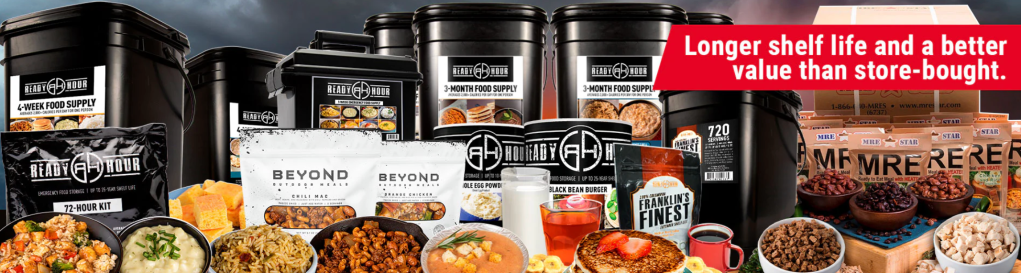
If you want food that lasts longer than today’s political promises, freeze-dried meals are your safest bet. Shelf lives of 25–30 years are typical, assuming you store them correctly in cool, dry environments. The texture is weird, sure. The taste can be hit or miss. But none of that matters when you’re staring down a long-term collapse and everyone else is bartering shoelaces for scraps of moldy bread.

Why freeze-dried works:

  • Insanely long shelf life
  • Lightweight
  • Nutrient retention remains high
  • Easy to prepare (just add water, assuming you’ve prepped that too)

They’re expensive upfront, but so is dying. Choose wisely.


2. Bulk Staples: The Backbone of Real Food Storage

While freeze-dried meals are your convenience stock, bulk staples are your survival workhorses. These are the foods humans have relied on for centuries—foods that fed armies, settlers, and every generation before modern society made everyone soft and useless.

Your Bulk Storage Must Include:

  • Rice (white rice lasts decades; brown does not—don’t get sloppy)
  • Dry beans (the humble protein source that won’t betray you)
  • Wheat berries (if you can grind your own flour, you’re already ahead of 99% of people)
  • Oats
  • Pasta
  • Sugar
  • Salt
  • Honey (this stuff lasts basically forever)

Stored properly in mylar bags + oxygen absorbers + food-grade buckets, these staples can outlive political careers, social media trends, and most human attention spans.


3. Canned Goods: Heavy but Reliable

Canned foods aren’t glamorous. They’re heavy, clunky, and sometimes questionable in taste. But you know what? They work. And in a world where shipping systems fail and electricity doesn’t exist, reliability matters more than whatever fancy diet trend is popular this week.

Ideal canned essentials:

  • Vegetables
  • Fruits
  • Meats (tuna, chicken, Spam, beef, sardines)
  • Beans
  • Tomato products
  • Soups and stews

Canned goods give you instant calories without fuel or prep. And in a crisis, convenience is survival.


4. Fats and Oils: The Most Overlooked (and Essential) Food Group

Calories keep you alive. Fat gives you calories. A lot of preppers focus on grains and protein while forgetting that fat is necessary for both energy and health. Good luck rebuilding a collapsed society while running on low-fat starvation rations like some malnourished dieter.

Store these:

  • Ghee (15+ year shelf life)
  • Coconut oil (long-lasting and stable)
  • Olive oil (shorter shelf life but valuable)
  • Shortening
  • Peanut butter (rotate frequently)

Without fats, your long-term plans turn into long-term suffering.


5. Comfort Foods: Don’t Be a Martyr

Listen, the world might collapse, but you don’t need to collapse emotionally with it. Morale matters. A spoonful of sugar might not fix civilization, but it can fix your mood long enough to keep you focused.

Stock:

  • Chocolate
  • Coffee
  • Tea
  • Hard candies
  • Shelf-stable baking ingredients

Call it luxury if you want — but it’s actually psychology.


6. Water Storage & Food Prep Compatibility

What good is freeze-dried food if you don’t have water? None. It’s as useless as trusting the government to save you.

Your food storage MUST align with your water storage and purification systems. If you’re relying on foods that require boiling water, make sure you actually have:

  • Stored water
  • Filtration
  • Fire source
  • Fuel
  • Backup methods if those fail

Prepping isn’t about hope. It’s about redundancy.


7. Rotation, Organization & Storage Discipline

Your food storage will only work if you maintain it. I know — personal responsibility is unpopular today, but that’s exactly why society is cracking apart.

Rules to live by:

  • Label everything
  • Track expiration dates
  • Rotate regularly
  • Store in cool, dry darkness
  • Use airtight containers
  • Don’t store where pests can ruin your future

Being sloppy now means being hungry later.


Final Thoughts: The World Isn’t Going to Get Better — But You Can Be Ready

People love to accuse preppers of fear-mongering. But the truth is, the world is doing a fine job fear-mongering itself. We’re not paranoid — we just pay attention. And long-term food storage isn’t a hobby, a trend, or some quirky personality trait. It’s survival. Pure and simple.

While everyone else is arguing about nonsense online, ignoring warning signs, and trusting fragile systems and incompetent leaders, you’re building something real: security, independence, and the power to survive what others won’t.

The world may be broken beyond repair — but with the right long-term food storage, you don’t have to fall with it.



The Dirty Water Drinking Crisis No One Takes Seriously

I keep saying it, and nobody listens: water is the first thing that will vanish when society finally collapses. Not your Wi-Fi. Not your gasoline. Not your overpriced organic snack bars. Water. The same stuff everyone wastes every day as if the tap is some magical, eternal fountain. Spoiler alert: it isn’t.

And when the taps run dry, the unprepared masses will panic, trample each other in grocery stores, and fight over the last case of bottled water like feral animals. It’s predictable. It’s avoidable. But people love ignoring reality — right up to the moment reality wipes the floor with them.

So, if you’re one of the rare people who actually gets it, let’s talk about water storage and purification before the world proves (yet again) how fragile it really is.


Why Water Will Fail First (And Why It’s Your Problem)

Most people don’t realize how unbelievably delicate the water grid is. A power outage, a chemical spill, a cyberattack, or a natural disaster is all it takes for the water system to crumble like wet cardboard. Municipal water plants rely on electricity, skilled staff, and supply chains — three things our society has proven it cannot reliably maintain even on a good day.

Yet people trust the system blindly.

They actually believe that if something goes wrong, the government will “step in and help.”

Yeah. Sure. The same government that told you to expect a 72-hour emergency kit while they stockpile years’ worth of supplies in their bunkers.

If you want water in an emergency, you’d better secure it yourself.


How Much Water You Actually Need (Not the Ridiculous Bare Minimums)

The official recommendations say one gallon per person per day. Cute. That’s enough to keep you technically alive but miserable, dehydrated, filthy, and nonfunctional.

A prepper needs at least:

  • 2–3 gallons per person per day (drinking, cooking, minimal hygiene)
  • At least 14–30 days stored — minimum

If you think that sounds excessive, congratulations — you’re thinking like the average person who ends up on the news crying because they had “no idea something like this could happen.”


The Best Water Storage Containers (For People Who Don’t Trust Cheap Plastic Junk)

1. Thick-Walled BPA-Free Water Jugs

These are good, but only if you buy quality. Not the dollar-store garbage that cracks when the temperature changes by five degrees.

2. Water Bricks

Stackable. Durable. Practically indestructible. If everything else collapses, these will still be standing like tiny blue monuments to your sanity.

3. 55-Gallon Drums

A classic. Store them in a cool area, put them on a platform (never directly on concrete), and use a hand pump. You’ll feel like a pioneer, except smarter and better prepared.

4. IBC Totes (For the Serious Prepper)

275–330 gallons of glorious security. A single tote can keep a family hydrated through weeks of chaos. Just don’t brag about it — desperate neighbors have a funny habit of suddenly remembering where you live.


Hidden Water Sources Everyone Else Is Too Stupid to Notice

When the grid goes down and your neighbors start panicking, you’ll see them sprinting to stores instead of using common sense. Meanwhile, you’ll be collecting from:

  • Water heaters (40–80 gallons sitting right there)
  • Toilet tanks (the top tank, not the bowl — obviously)
  • Rain barrels
  • Ice in the freezer
  • Backyard pools
    (Purify it first — it’s full of chemicals and child pee)

People walk around surrounded by hundreds of gallons of emergency water and never think twice. That’s why preparing feels like shouting into the wind.


Purification Methods (Because Dirty Water Will End You Faster Than Thirst)

1. Boiling

The simplest and most reliable method. Bring it to a rolling boil for one minute. That’s it.
And yet, somehow, people still mess this up.

2. Water Filter Systems

  • Sawyer Mini – small, cheap, reliable
  • LifeStraw – good for individuals
  • Berkey – the gold standard for home preppers
  • Katadyn – rugged and long-lasting

Filters remove pathogens and debris, but not all chemicals, so pair them with other methods when dealing with questionable sources.

3. Water Purification Tablets

Lightweight, long-lasting, and perfect when boiling isn’t an option.
If the taste bothers you, good — it means you’re alive enough to complain.

4. Unscented Household Bleach

Yes, bleach.
Use only unscented, plain chlorine bleach, and replace your bottles every 6–12 months.

8 drops per gallon
½ teaspoon per 5 gallons
Wait 30 minutes.
If it still smells weird? Filter it again.

5. Solar Disinfection (SODIS)

Put water in a clear bottle, leave it in the sun for six hours.
Slow but effective, especially when you’re out of options.


Rotating Water Storage (Because Nothing Lasts Forever — Especially Not Tap Water)

Stored water isn’t immortal. Rotate it every:

  • 6 months for basic tap water
  • 12 months for treated, sealed containers

Mark dates. Keep records. Don’t guess. Guessing is for people who die first in every disaster movie.


Rainwater Harvesting: The Prepper’s Secret Weapon

If you aren’t harvesting rainwater yet, start immediately.

All it takes is:

  • A roof
  • Gutters
  • A first-flush diverter
  • A few storage barrels or tanks

And suddenly you’re producing your own water supply while everyone else is begging FEMA for a case of Dasani.

In many places it’s legal. In some places it’s restricted. Either way — water falling from the sky belongs to you. I’m not telling you to break laws… I’m just saying governments love regulating things they don’t provide themselves.


Final Prepper Tip: Never Tell Anyone How Much Water You Have

People are friendly right up until they’re thirsty.

When desperation hits:

  • Friends become competitors
  • Neighbors become threats
  • The unprepared become dangerous

Your water supply is nobody’s business. The less people know, the safer you are.

The Brutal Truth Why Your “Survival Kit” Is A Joke – And What You Actually Need to Survive

Let’s get something straight: the world is not your friend. It never has been. And every time you scroll through social media watching people argue about meaningless garbage — politics, celebrity drama, whatever nonsense is trending — you can almost feel civilization cracking under the weight of its own stupidity. Most people think “preparedness” means buying a flashlight and hoping the government saves them. These are the same people who panic when the grocery store runs out of milk for 48 hours. Pathetic.

But you’re here because you’re not one of them — or at least, you’re trying not to be. You want a real survival kit. A kit that won’t crumble the moment the power grid collapses or society finally implodes under its own ignorance. Good. Because we’re done pretending that everything is fine. It’s not. And if you don’t have the right essentials, you’re going to learn the hard way why every serious survivalist keeps their gear ready, organized, and non-negotiable.

Below are the actual best survival kit essentials — not the watered-down, cute little lists written by lifestyle bloggers who think “minimalist living” is the same thing as surviving catastrophe. This is the gear you need when the world stops pretending.


1. A Real Knife — Not a Toy

If your knife came in a plastic package at a gas station, throw it in the trash. A survival knife is not a fashion accessory. It’s a tool, a weapon, a lifeline, and in the worst-case scenario, the only thing between you and becoming a cautionary tale.

Your knife should be:

  • Full-tang
  • Carbon steel or high-quality stainless
  • Strong enough to baton wood
  • Sharp enough to cut rope, fabric, and meat

The world will not hesitate to put you in situations where your knife is your only defense. Expect it.


2. Water Filtration — Because Clean Water Won’t Magically Appear

People act like water is always going to flow from their faucets forever. News flash: when the grid goes down, the pumps stop. And when that happens, the unprepared will drink whatever they can find — contaminated ponds, roadside runoff, bacteria-infested puddles. They’ll get sick. You won’t. Because you’ll have:

  • A portable water filter (Sawyer Mini or similar)
  • Purification tablets
  • A metal canteen for boiling water

Without clean water, you have 3 days. Maybe. Plan accordingly.


3. Fire-Starting Gear — Because Cold and Darkness Don’t Care

If you think one cheap lighter is enough, you’re already halfway to failure. You need multiple ways to create fire because fire means warmth, sterilization, cooking, signaling, and psychological stability.

A real kit includes:

  • Ferro rod
  • Stormproof matches
  • Butane lighter
  • Tinder sources (cotton balls, fatwood, etc.)

Fire is life. And life doesn’t come easy.


4. Shelter Materials — Because Exposure Will Kill You First

Most people think they’re invincible. They aren’t. One night of cold rain will crush morale and end your chances. Shelter isn’t optional — it’s the backbone of survival.

Your kit must include:

  • Emergency reflective blanket
  • Tarp or lightweight shelter
  • Paracord
  • Stakes or makeshift anchors

Comfort is irrelevant. Survival is everything.


5. First Aid — Because Injuries Don’t Heal Themselves

The world is full of hazards — rusty nails, broken glass, cliffs, hostile people, and plain old bad luck. And guess what? Hospitals won’t be open when everything collapses.

Your first aid essentials:

  • Bandages, gauze, and wraps
  • Antiseptic wipes
  • Antibiotic ointment
  • Painkillers
  • Trauma supplies (tourniquet, hemostatic gauze)
  • Medical gloves

There’s no dignity in dying from an infection. Handle it.


6. Multi-Tool — Because You Need More Than Two Hands

A multi-tool is the unsung hero of survival gear. Opening cans, fixing gear, cutting wire, tightening screws — it’s the stuff you don’t think about until you need it. And in survival situations, you will need it.

Avoid the cheap ones. If it breaks in your hand when you’re desperate, that’s on you.


7. Reliable Light Source — Because Darkness Is the Enemy

A flashlight is more than a convenience — it’s control. It’s the ability to move, work, and defend yourself at night. It’s the difference between panic and clarity.

You need:

  • A rugged LED flashlight
  • Spare batteries
  • A small back-up light or headlamp

Without light, your environment owns you.


8. Navigation Gear — Because Phone GPS Is a Luxury

Technology-dependent people are going to be completely lost — literally. Batteries die. Cell towers fail. Satellites get compromised. And then what?

Your kit must include:

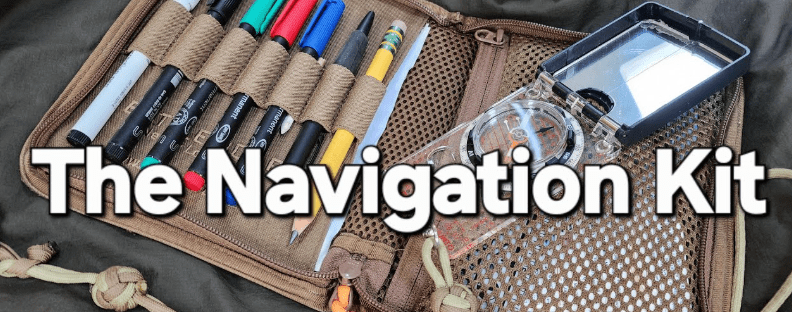
  • Compass
  • Physical map of your region
  • Backup notes of routes, landmarks, and safe zones

If you can’t navigate without a smartphone, you’re prey.


9. Food Rations — Because Hunger Makes People Stupid

When people get hungry, they make bad decisions — desperate decisions. You need rations that don’t rely on refrigeration, cooking, or delicate packaging.

Go for:

  • High-calorie emergency bars
  • Freeze-dried meals
  • Nuts and protein-dense snacks

This isn’t gourmet dining. This is “stay alive until tomorrow.”


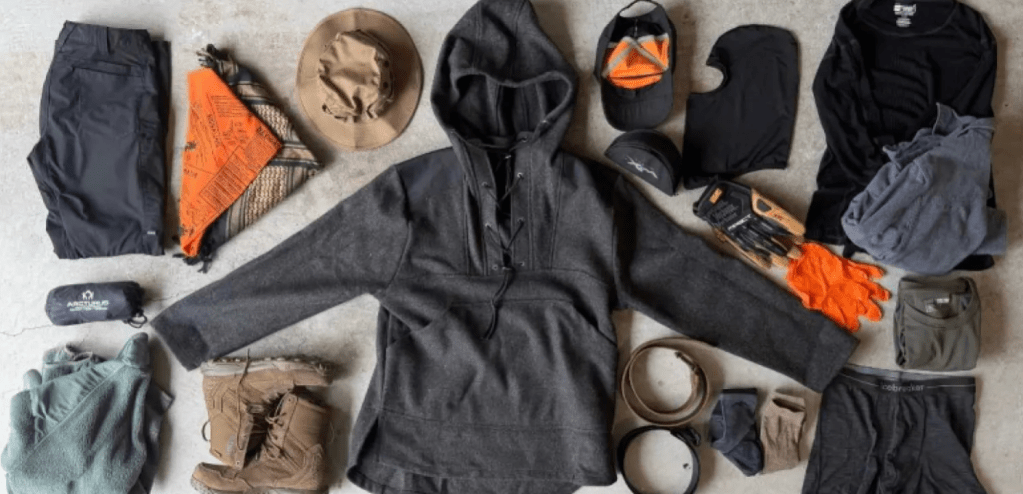
10. Clothing Layers — Because Weather Doesn’t Care About Your Plans

A proper survival kit includes more than gear — it includes what you wear. Weather changes faster than society collapses, and if you aren’t ready, the environment will make you pay.

Pack:

  • Thermal base layers
  • Waterproof shell
  • Wool socks
  • Gloves and a beanie

Comfort is optional. Protection is not.


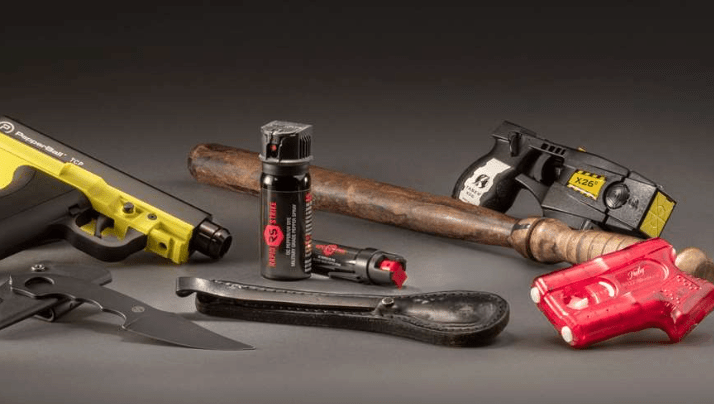
11. Self-Defense Tools — Because People Become the Real Threat

When systems fail, people unravel. Desperation turns good people dangerous, and dangerous people malicious. You don’t need paranoia — you need realism.

Consider carrying:

  • Pepper spray
  • A sturdy knife (again — you should have two)
  • A tactical pen
  • A self-defense training mindset

Because the worst thing you can do in a crisis is trust the wrong person.


12. The Mental Will to Survive

All the gear in the world can’t save someone who’s mentally weak. Survival demands grit — the kind this modern world has stripped from most people. When panic hits, when exhaustion tries to break you, when the world around you falls apart, the only thing that keeps you alive is your will.

And that’s something no one can pack for you.


Conclusion

The world is unpredictable, fragile, and full of people who think “preparedness” is unnecessary until it’s too late. Don’t be one of them. Build your survival kit like your life depends on it — because one day, it might.

When the world fails — and it will — your survival kit is either your life insurance or a reminder of your own negligence. Choose wisely.

Utah Power Outages And How to Stay Safe With No Electricity During SHTF

When the power goes out unexpectedly—especially for days or even weeks—many people realize just how dependent they are on electricity. As a lifelong prepper and someone who cares deeply about helping others get through tough times, I want to offer you both practical skills and compassionate guidance. Whether you live in a cozy Utah suburb or out in the red rock country, preparing for blackouts isn’t paranoia; it’s wisdom.

The truth is, Utah has unique challenges during power outages: harsh winters, vast rural areas, and increasing pressure on infrastructure from population growth and climate instability. If the power grid goes down during an SHTF (S**t Hits The Fan) event, being ready can mean the difference between discomfort and disaster—or worse.

Let’s go through five essential survival skills to help you thrive without electricity, three creative DIY power hacks, three must-have products, and the five worst cities in Utah to be stuck in during a blackout. Then, we’ll talk about how to put it all together into a sustainable plan for your household.


5 Essential Survival Skills for Living Without Electricity

1. Firecraft and Heating Without Power
If the power goes out in the middle of a Utah winter, especially in the high-elevation zones like Park City or Logan, keeping warm becomes a life-or-death priority. Learn how to safely build and maintain indoor and outdoor fires. Stockpile dry firewood, invest in a wood-burning stove or indoor-rated propane heater, and know how to ventilate properly. Always have a carbon monoxide detector on standby with backup batteries.

2. Manual Water Sourcing and Purification
Your taps won’t run forever when there’s no electricity. Wells need pumps. City water systems can lose pressure or become contaminated. Every household should have at least one gravity-fed water filtration system (like a Berkey or DIY ceramic filter). Learn to collect rainwater, find natural water sources, and purify with methods like boiling, iodine tablets, and solar stills.

3. Food Preservation and Non-Electric Cooking
Once refrigeration is gone, spoilage happens fast. Learn to can, pickle, and dehydrate food. If you haven’t tried solar ovens or rocket stoves yet, they’re efficient and perfect for Utah’s sunny days. A Dutch oven and cast-iron skillet over an open flame or hot coals will also serve you well. Don’t forget: learning to make bread from scratch using natural leavening like sourdough is both comforting and sustaining.

4. Non-Electric Communication
Cell towers may stay up for a while on backup generators—but not forever. Learn to use and maintain ham radios or CB radios for local communication. Have printed local maps and know your community’s geography in case you need to travel for help or trade.

5. Security and Situational Awareness
During a long-term blackout, desperation can grow fast in urban centers. Practice situational awareness. That means knowing your neighbors, keeping a low profile when distributing supplies, and securing your home. Training in self-defense, installing manual locks, and developing a home perimeter plan could keep your family safe when tensions run high.


3 DIY Electricity Hacks for Blackout Survival

You don’t need to rely on the grid to power a few essentials. Here are three DIY hacks to produce or store electricity in a blackout:

1. Build a Bicycle Generator
A stationary bike connected to a car alternator or small generator can be a great way to generate small amounts of power—enough to charge phones, small batteries, or LED lights. You’ll need a voltage regulator and some basic tools, but there are many tutorials online to guide you.

2. DIY Solar Power Bank
Combine a small portable solar panel (20–100 watts) with a deep-cycle marine battery, charge controller, and inverter. It’s simple and scalable. You can store enough power to run a fan, charge phones, or even keep a small fridge cold for a few hours a day.

3. Thermal Energy Conversion
Use thermoelectric generators (TEGs) to convert heat from a stove or fire into usable electricity. They don’t produce a lot, but it’s enough to power LED lights or a USB-powered device. This is particularly useful in cold climates like Utah, where you’re running heat sources daily in winter anyway.


The 3 Most Important Survival Products When There’s No Electricity

If you only had three survival products to rely on during a major grid-down event, these would give you the highest chances of staying safe and healthy:

1. Multi-Fuel Stove or Rocket Stove
Cooking, boiling water, and warmth—all without power. A rocket stove is efficient, burns small sticks, and works in all weather. Better still if it runs on multiple fuels like wood, propane, or alcohol.

2. Gravity-Fed Water Filtration System
Clean water is survival priority #1. Systems like the Berkey can filter thousands of gallons of questionable water without electricity. For long-term SHTF, this could save your life.

3. LED Lanterns with Rechargeable Batteries
Safe, long-lasting lighting is essential, especially when candles are too risky or short-lived. Use rechargeable AA or AAA batteries and charge them via solar panels or bike generators.


5 Worst Cities in Utah to Lose Power During SHTF

When considering which cities in Utah would be hardest to survive in during an extended power outage, we’re looking at population density, elevation, climate severity, infrastructure weaknesses, and social dynamics. Here are the top 5 you want to prepare especially well for:

1. Salt Lake City
High population, heavy snow in winter, and a complex urban infrastructure make SLC extremely vulnerable. If stores are looted and fuel runs dry, people will be desperate. Suburbs might fare slightly better, but urban chaos can ripple out fast.

2. West Valley City
Utah’s second-largest city, West Valley has a similar problem—high density, minimal local agriculture, and large apartment complexes that become heat traps or iceboxes without power. Security concerns are also more significant here.

3. Ogden
Known for rough winters and older infrastructure, Ogden’s electrical systems aren’t as robust as they should be. It’s also a hub city, which means traffic bottlenecks and resource shortages happen fast.

4. Provo
Though home to BYU and a somewhat community-minded population, Provo’s growing tech sector and urban sprawl make it dependent on the grid. Winters can be harsh, and there’s not a ton of backup infrastructure.

5. Park City
Tourism and wealth mask a survival challenge here: high altitude, deep winter snow, and dependence on electric heat. When vacationers leave, residents may find themselves cut off from help due to snowed-in roads and empty shelves.


How to Prepare and Stay Safe

Now that you know what skills to learn, products to get, and what areas are most at risk, it’s time to form a simple, clear plan.

Step 1: Create Layers of Redundancy
Don’t just rely on one flashlight or one water source. Have backups. If your solar panel fails, you want a hand-crank option. If your propane runs out, you want a wood option.

Step 2: Practice What You Learn
Reading about survival is great, but try going one weekend a month without electricity. Cook all your meals on a rocket stove. Use only non-electric lighting. Try to wash clothes by hand. You’ll discover weaknesses in your plan that you can fix now, while it’s still easy.

Step 3: Build a Support Network
No one survives alone forever. Get to know your neighbors. Find like-minded folks in your area who are also prepping. Build a barter system or a shared emergency plan. In Utah especially, many communities are already tight-knit—you just need to lean into that.

Step 4: Stay Calm and Lead by Example
When SHTF, people will panic. But you’ve prepared. Keep your cool. Help those who need it without putting your own household in danger. Your calm presence might be what inspires others to organize instead of descend into chaos.


Final Thoughts

Living without electricity is not only possible—it’s how humans lived for thousands of years. With a little knowledge, a few tools, and a lot of heart, you can thrive even when the lights go out. Whether you’re in a city or tucked into the mountains, your readiness could mean everything for your family and even your community.

Be wise. Be kind. Be prepared.

Texas Power Outages And How to Stay Safe With No Electricity During SHTF

If you’ve lived in Texas for a while, you already know that we can experience extreme weather from every angle—burning summers, ice storms, flooding, and even tornadoes. Unfortunately, each of these natural events can quickly spiral into a larger emergency, especially when the power goes out. The infamous Texas Winter Storm of 2021 taught us all just how vulnerable our power grid really is. So if you’re reading this, you’re likely the type of person who doesn’t want to be caught off guard again. That’s smart.

I’m here to help you prepare, not panic. When the grid goes down—whether from weather, cyberattack, aging infrastructure, or overload—you need to be able to survive, adapt, and protect your loved ones. No electricity doesn’t have to mean no hope. With the right skills, tools, and mindset, you can make it through even the toughest blackouts.

Let’s walk through five essential survival skills you’ll need when the lights go out, three clever DIY hacks for generating some power on your own, the top three must-have survival items to keep on hand, and finally, which cities in Texas are the absolute worst places to be when the grid fails.


5 Survival Skills to Know When Living Without Electricity

1. Off-Grid Cooking & Food Prep

When the power goes out, so does your electric stove, microwave, and fridge. Being able to cook food without power is critical. Invest in a propane camping stove, rocket stove, or build your own solar oven using a cardboard box and foil. Know how to use cast iron cookware over an open flame safely. And don’t forget the value of shelf-stable foods—beans, rice, canned meats, powdered milk.

Being able to preserve food without a fridge—by smoking, salting, dehydrating, or fermenting—is another underrated skill. It’s not just about eating, it’s about eating safely.

2. Water Purification and Storage

When electricity goes down, water pressure often drops or gets contaminated. Learn to collect rainwater and purify it. You should have water filters like LifeStraw or Sawyer Minis, but also know old-school methods like boiling, using bleach drops, or building a sand-charcoal filtration system.

You can DIY a water cache using 55-gallon food-grade barrels. Plan for at least one gallon of water per person, per day, for a minimum of two weeks.

3. Staying Warm (or Cool)

Texas weather isn’t just inconvenient—it can be deadly. In winter, without heat, hypothermia becomes a real risk. Learn to insulate a room using blankets, foam board, or mylar emergency blankets on windows. Set up a safe heat source like a Mr. Heater Buddy (rated for indoor propane use with proper ventilation).

In the summer, know how to cool down with old-fashioned tricks like cross-ventilation, wet cloth wraps, shade shelters, and battery-powered fans. Heat stroke can kill just as easily as frostbite.

4. Lighting & Situational Awareness

Once it’s dark, your world shrinks. Have a system for lighting: solar lanterns, candles, headlamps, and flashlights with rechargeable batteries. But also learn how to maintain night vision, avoid light discipline mistakes (which can attract attention in bad times), and move silently in low light.

Your eyes and ears are your best defenses when everything else is down. Learn to listen to your environment.

5. Community Bartering & Security Basics

Survival isn’t always about going it alone. When the grid is down for weeks, bartering may become necessary. Learn basic trade value (like what a bottle of bleach or a pound of rice is worth in hard times) and build trust with neighbors beforehand. At the same time, know how to secure your property discreetly and safely. Motion-activated solar lights, reinforced doors, and simple early-warning tripwires can go a long way.

You don’t need to become Rambo—you just need to be prepared, alert, and protective of your space and people.


3 DIY Electricity Hacks During a Blackout

1. Build a Solar USB Charger

Using a small solar panel (5-20W), a charge controller, and a USB output module, you can create your own solar phone charger. These parts are widely available online or from hardware stores. Great for keeping phones, radios, or USB lights running when the grid is down.

2. Bicycle Generator Setup

Convert a bicycle into a pedal-powered generator using an alternator or a DC motor. You’ll need a voltage regulator and a battery to store the charge. This DIY setup can power small devices or recharge batteries with a good workout.

3. DIY Mason Jar Oil Lamp

If you’re caught without flashlights or solar lanterns, you can make an oil lamp using a mason jar, olive or vegetable oil, and a cotton wick (or even a shoelace in a pinch). It won’t replace your entire lighting system, but it can provide a surprisingly steady light source.


Top 3 Most Important Survival Products to Have Without Electricity

1. Portable Power Bank (Solar Rechargeable)
A high-capacity solar power bank or battery station like a Jackery or Goal Zero unit allows you to keep your essential electronics (phone, radio, flashlight, fan) running. Make sure it’s solar rechargeable and test it regularly.

2. Water Filtration System
Whether it’s a gravity-fed Berkey filter, a LifeStraw, or Sawyer Mini, you must have a reliable way to turn contaminated water into drinkable water. Boiling is great—but what if you’re low on fuel?

3. Emergency Radio (Hand Crank + Solar + Battery)
Communication is critical in a crisis. A NOAA weather radio with AM/FM and shortwave capabilities keeps you informed. Bonus if it includes a flashlight and USB charger.


5 Worst Cities in Texas to Be in During a Power Outage

Some places in Texas are just tougher to survive in when the grid fails. Factors like population density, climate extremes, lack of infrastructure, or crime risk make these cities particularly hazardous:

1. Houston
Hot, humid, and sprawling, Houston becomes almost unlivable without AC. Crime increases during outages, and flood risk adds another danger.

2. Dallas
High population, extreme summer heat, and ice storms in the winter. Dallas has seen grid strain before and would struggle in long-term blackouts.

3. El Paso
While drier and safer than some cities, El Paso relies heavily on power for water pumps and cooling systems in a desert environment. Summer heat can be punishing.

4. Corpus Christi
Hurricane-prone and vulnerable to grid instability. Water contamination and evacuation problems make this a tough spot during power-down events.

5. San Antonio
Large and rapidly growing, San Antonio’s grid is already under pressure. With extreme heat and limited shade, it poses a serious survival challenge during summer outages.


Final Thoughts: Resilience Starts With Mindset

The truth is, we can’t always predict when or why the lights will go out. But what we can do is take control of how we respond. Preparing for a power outage isn’t just about gadgets or gear—it’s about mindset. Think long-term. Think “What can I do today to be better off tomorrow?”

Start small. Practice one survival skill a week. Add a few key items to your home every month. Talk to your neighbors. Run a mock blackout scenario with your family. It’s not paranoia—it’s responsibility.

The more self-sufficient you become, the more peace you’ll feel. And if the day comes when everything does go dark, you’ll be the one who knows how to light a fire, filter the water, cook the food, and stay calm in the storm.

Stay safe, stay prepared, and never underestimate the power of knowledge.

New York Power Outages and How to Stay Safe With No Electricity During SHTF

When the lights go out, everything changes. If you’ve ever been caught in a power outage—especially a long one—you know how quickly our modern comforts can disappear. For those of us living in New York State, where population density, weather extremes, and infrastructure vulnerabilities converge, losing power isn’t just inconvenient; it can be downright dangerous. Whether you’re in the heart of Manhattan or in a small upstate town, being prepared means more than having a flashlight and a few cans of soup.

Let’s talk about how to stay safe, smart, and sane when the grid goes down, especially during a situation where everything hits the fan (SHTF). From hard-earned survival skills to practical DIY electricity hacks, this guide is here to empower you with both knowledge and confidence.


5 Survival Skills for Living Without Electricity

Living without power can feel like stepping back a century. But people lived that way for thousands of years, and so can we—with the right mindset and skills. Here are five critical abilities every New Yorker should learn before the lights go out.


1. Fire Craft and Off-Grid Cooking

Cooking is one of the first hurdles you’ll face in a blackout, especially if your stove or microwave relies on electricity. Being able to start a fire safely is a foundational survival skill. Learn how to make a Dakota fire hole—an efficient, smokeless fire pit—and how to cook over an open flame using cast iron. If you have a propane grill, keep extra tanks stored safely. Bonus points if you know how to cook with a solar oven, which works wonders in summer.


2. Water Procurement and Purification

In a prolonged power outage, municipal water systems can fail, especially if the pumps rely on electricity. You’ll need to locate alternate sources of water (like rainwater or streams) and purify them. Learn how to make a gravity-fed water filtration system using activated charcoal, sand, and gravel. Always keep a stash of water purification tablets, and know how to boil water over an open fire if needed.


3. Food Preservation Without Refrigeration

Food spoilage is one of the biggest threats when the fridge dies. Learn traditional methods of preservation like canning, pickling, smoking, fermenting, and dehydration. For example, salt-cured meats can last weeks unrefrigerated, and fermented vegetables can supply essential nutrients long after the fresh stuff is gone.


4. Manual Sanitation and Waste Management

Let’s be honest—when the toilet won’t flush and the water stops running, things get… uncomfortable. In urban areas especially, this can quickly become a health hazard. Learn how to create a sawdust toilet (composting toilet alternative), manage gray water safely, and maintain personal hygiene with minimal water. Keep a well-stocked sanitation bucket system with heavy-duty trash bags, baking soda, and bleach.


5. Situational Awareness and Community Communication

When the grid goes down, you lose not only power but also connection—no internet, no news, and possibly no phone signal. Train yourself to rely on local radio, ideally a hand-crank emergency radio. Form neighborhood alliances and have a community plan. Understand the signs of civil unrest or worsening conditions and how to respond calmly and smartly.


3 DIY Electricity Hacks When the Grid Goes Down

You don’t have to be an electrical engineer to generate a bit of power during a blackout. Here are three practical, do-it-yourself hacks that can bring light, charge your devices, or even run small appliances in a pinch.


1. DIY Solar Charger with USB Output

With a small solar panel kit (available online or at hardware stores), you can build a basic solar charging system for phones, radios, or flashlights. You’ll need:

  • A 10-20W solar panel
  • A solar charge controller
  • A 12V battery (like a deep-cycle marine battery)
  • A USB car adapter

Connect the panel to the charge controller, then to the battery, and plug in your USB adapter. This can keep your essential devices running for days.


2. Bicycle Generator for Small Power Needs

If you’re handy, convert an old bike into a pedal-powered generator. You’ll need a bike stand, a belt or chain drive, and a small alternator or motor. This setup can generate enough electricity to charge a battery pack or power a few LED lights. It’s also great exercise and a morale booster during dark times.


3. Saltwater Battery Lamp

When resources are scarce, even salt and water can make a difference. Using magnesium and copper plates (or coins), you can make a rudimentary battery with saltwater. Connect enough of these cells in series, and you can power an LED. It won’t light up your whole house, but in an emergency, every little bit of light helps.


3 Most Important Survival Products Without Electricity

While survival is mostly about mindset and skill, having the right gear can make a night-and-day difference. If I had to choose just three must-haves for a no-electricity scenario, these would be it:


1. Multi-Fuel Camp Stove (e.g., MSR WhisperLite)
Reliable, versatile, and portable, these stoves can burn white gas, kerosene, or even unleaded gasoline. It’s your best bet for cooking or boiling water safely when the power is out and fire pits aren’t an option.


2. Solar Generator (like Jackery or Bluetti)
A solar generator is a quiet, clean way to power essentials like a CPAP machine, lights, or small appliances. Look for one with at least 500Wh capacity and a foldable solar panel. It may be an investment—but in a long-term blackout, it can be a lifeline.


3. Headlamp with Rechargeable Battery
Hands-free lighting is more useful than a flashlight, and using a rechargeable model with a solar bank or hand crank makes it even better. Always have backup lights and extra power sources available.


5 Worst Cities in New York to Be in During a Power Outage

Not all places in New York are created equal when the grid goes dark. The following cities pose unique challenges due to their infrastructure, population density, crime potential, and lack of immediate resources.


1. New York City
No surprise here. The Big Apple is deeply reliant on electricity for everything—transportation, water pumps, elevators, and communication systems. A prolonged outage could result in gridlock, water shortages, looting, and a breakdown in services. If you’re in NYC, you must have a robust bug-in or bug-out plan.


2. Buffalo
Heavy snowfall in winter combined with aging electrical infrastructure makes Buffalo a risky place for long-term outages. Frozen pipes, inaccessible roads, and limited local resources can make it extremely challenging to stay warm and safe.


3. Albany
The capital city is a central hub, but its aging grid and colder winters make power outages especially tough. Hospitals and government systems may get backup generators—but residential areas might not. Additionally, it’s prone to flooding, adding another layer of risk.


4. Rochester
Another cold-weather city with a high dependency on the grid. Its older buildings and infrastructure are not well-equipped for extended blackouts, especially during storm season. Food spoilage and heating become urgent concerns here.


5. Yonkers
Close to NYC but with fewer resources, Yonkers faces the double threat of population density and limited emergency services. If an outage leads to cascading failures in sanitation, water, or policing, residents could be left fending for themselves.


Staying Safe, Staying Smart

Preparedness isn’t about fear—it’s about confidence. When you have the skills, tools, and mindset to meet challenges head-on, you’re not just surviving. You’re thriving under pressure.

If you live in New York or any other urban or semi-urban area, take the time now—while the lights are still on—to build your resilience. Practice your fire-starting skills in a controlled setting. Stock up on clean water, batteries, canned goods, and medical supplies. Make sure your family knows the plan.

Don’t wait for FEMA or the city to come knocking. When the grid goes down, you’ll be glad you took the time to prepare.

Stay safe, stay aware, and above all, stay kind. In the darkest times, a little light from a helping hand can go a long way.

South Dakota’s Worst Roads to Drive on During a Disaster

South Dakota’s Worst Roads to Drive on During a Disaster: A Survivalist’s Guide to Driving Your Way Out

I’ve spent decades on the road—across continents, through unforgiving terrain, and in every imaginable disaster scenario. Whether navigating flooded highways, treacherous mountain passes, or icy backroads, one truth stands firm: your vehicle can be your lifeline—or your coffin. South Dakota is no exception. Its wide-open prairies hide some dangerous choke points and stretches that become death traps when disaster strikes.

If you ever find yourself needing to bug out or escape a disaster in South Dakota, knowing which roads to avoid—and how to drive like your life depends on it—is crucial. I’ve mapped out some of the worst roads for disaster driving here, along with survival driving skills you need to master, and a few DIY hacks for when you run out of fuel. Buckle up; this is not a ride for the faint of heart.


The Worst Roads in South Dakota to Avoid in Disaster Scenarios

South Dakota’s terrain may look gentle, but disaster turns it into a death zone quickly. These roads are notoriously difficult during floods, ice storms, or structural failures:

  1. Highway 34 through the Badlands
    Narrow, winding, and often exposed to high winds and sudden rockslides, this highway can become a nightmare when disaster strikes. The Badlands are known for unpredictable weather and limited cell service, meaning if you get stuck here, help could be days away.
  2. Interstate 90 near the Missouri River Bridges
    During floods, these bridges can be compromised or closed without warning. Traffic congestion becomes a death trap in disaster evacuations, and the surrounding lowlands flood fast, trapping vehicles.
  3. Highway 79 south of Belle Fourche
    This stretch is exposed prairie with few alternative routes and is prone to heavy snow drifts in winter storms. In a disaster, this road can quickly become impassable, with limited places to pull over safely.
  4. State Route 34 between Huron and Mitchell
    Flood plains dominate this region, making it vulnerable to flash floods. The flat terrain means water pools quickly, and drainage systems can be overwhelmed.
  5. County Roads near the Black Hills National Forest
    Rugged, poorly maintained, and winding through dense forest, these roads are prone to landslides and fallen trees during storms or wildfires.

Survival Driving Skills for Disaster Scenarios in South Dakota

When the stakes are life or death, normal driving techniques won’t cut it. Here are 15 survival driving skills I swear by when navigating disaster zones on South Dakota’s worst roads:

  1. Controlled Skid Recovery
    When ice or mud takes the wheel from you, don’t slam the brakes. Steer into the skid and gently ease off the accelerator until control is regained.
  2. Throttle Modulation
    Smooth throttle application prevents wheel spin on slippery surfaces like ice or loose gravel.
  3. Defensive Scanning
    Constantly scan the horizon and roadside for obstacles, fallen trees, animals, or sudden drops. This also helps you anticipate road collapses or flood zones.
  4. Weight Transfer Management
    Understanding how your vehicle’s weight shifts during turns and braking helps prevent rollovers on narrow roads like Highway 34 through the Badlands.
  5. Emergency Braking Without ABS
    If your vehicle doesn’t have ABS, pump the brakes to avoid skidding. ABS systems behave differently; learn your vehicle’s braking response before disaster hits.
  6. High-Centering Avoidance
    When driving on uneven gravel roads or flood debris, know how to navigate to avoid your vehicle getting stuck high on an obstacle.
  7. Low-Speed Manoeuvring
    Master slow, precise steering to navigate tight, damaged, or obstructed roads.
  8. Hill Start Control
    On steep, icy inclines, use clutch control or the parking brake to prevent rollback.
  9. Use of Engine Braking
    On steep descents, downshift instead of relying solely on brakes to avoid overheating.
  10. Crosswind Stability
    South Dakota’s open plains expose vehicles to fierce crosswinds; keep a firm grip and slight steering correction to maintain lane control.
  11. Night Driving Preparedness
    Disasters often strike without warning; keep your night vision sharp and drive with minimal light pollution—use high beams only when safe.
  12. Water Fording Judgement
    Know the depth and current of floodwaters before crossing. Water above the axle is almost always a no-go.
  13. Tire Pressure Adjustments
    Lowering tire pressure can increase traction on soft surfaces like mud or sand, but be ready to reinflate as soon as possible.
  14. Vehicle Positioning for Escape Routes
    Always park or stop your vehicle so you can drive out quickly in any direction, especially on roads prone to sudden closures or blockages.
  15. Emergency Communication Readiness
    Keep a charged radio or satellite communicator to receive updates on road closures or hazards.

DIY Survival Driving Hacks When You Run Out of Gas

Running out of fuel during a disaster is a nightmare, but being a survivalist means preparing for the worst and improvising solutions. Here are three hacks that can keep you moving—or at least help you escape:

  1. Create a Gravity-Fed Fuel Transfer System
    If you find a fuel source in a nearby container (a damaged vehicle, storage tank, or jerrycan), use a clean hose or even a sturdy, flexible tube to siphon fuel. Gravity-fed siphoning is safer and more effective than mouth suction. Remember: always filter fuel through a clean cloth to avoid clogging your fuel lines.
  2. Use Dry Wood or Charcoal Briquettes to Generate Heat and Signal
    If you can’t move your vehicle, use dry wood or charcoal to create a controlled fire nearby. This can serve multiple purposes: keeping you warm, signaling rescuers, and deterring predators. Don’t leave your vehicle unguarded while you gather materials.
  3. Build a Makeshift Pulley or Tow System
    If your vehicle is stuck and fuel is low, rig a pulley system from sturdy branches or vehicle parts. Use your tow straps, rope, or even seat belts to leverage moving your vehicle to safer ground or toward a known fuel source. This requires some muscle and ingenuity but can save hours waiting for rescue.

Putting It All Together: Preparing for South Dakota’s Roads in Disaster

In my travels, I’ve learned that knowledge combined with preparation is survival’s foundation. South Dakota may seem calm, but when disaster hits, these roads become high-risk zones. Always:

  • Scout your route beforehand.
  • Pack extra fuel, emergency repair kits, and communication devices.
  • Know your vehicle’s limits.
  • Practice the survival driving skills until they become second nature.

When roads narrow or floodwaters rise, your mindset will determine if you’re just another statistic—or the one who makes it through.


Final Thoughts

South Dakota’s rural and sometimes wild landscape tests every driver, but especially in disaster scenarios. Your vehicle is a tool—one that requires skill, respect, and constant readiness. Learn the terrain, anticipate hazards, and never rely solely on modern conveniences like GPS or mobile networks. These will fail when you need them most.

Remember: disaster driving isn’t about speed; it’s about control, patience, and survival instincts honed by experience. If you master these 15 survival driving skills and know the worst roads to avoid, you’ll dramatically increase your chances of bugging out safely.

And if you do run out of gas, those three DIY hacks might just be the difference between staying stranded and making it home.

Stay sharp, stay ready, and drive smart.

Tennessee’s Worst Roads to Drive on During a Disaster

Tennessee’s Worst Roads to Drive on During a Disaster (And How to Survive Them)
By: A Well-Traveled Survivalist

When you’ve spent decades chasing storms, crawling through flash-flooded passes, and navigating highways turned to chaos, you learn one thing fast: the road is rarely your friend in a disaster. Especially in Tennessee.

Now, I’ve driven all over this country—rockslides in Colorado, hurricanes in Florida, ice storms in Maine—but Tennessee? It’s got its own flavor of trouble. The combination of winding mountain passes, crumbling infrastructure, sudden weather shifts, and bottlenecked urban sprawl makes it one of the trickiest states to navigate during a crisis. Whether you’re escaping a tornado, dodging wildfires, or trying to outrun the first signs of societal collapse, understanding the roads—and how to outsmart them—might just be what keeps you alive.

Tennessee’s Most Dangerous Roads During a Disaster

Let’s get specific. If you’re in Tennessee and the grid goes dark or a twister touches down, avoid these roads like the plague:

  1. I-24 Through Monteagle Mountain
    A steep, fog-prone stretch with frequent rockslides and sudden weather shifts. During a disaster, this becomes a deathtrap.
  2. I-40 Through Downtown Nashville
    Gridlocked in the best of times. In a crisis? It’s a parking lot with panicked drivers and no clear escape route.
  3. US-129 (Tail of the Dragon)
    318 curves in 11 miles—thrilling on a Sunday ride, deadly when you’re trying to flee with a vehicle full of supplies.
  4. I-75 Through Chattanooga
    Prone to major pileups and susceptible to flash flooding. Bridges and underpasses can trap you like a rat.
  5. SR-64 Through Franklin County
    Low visibility, poor maintenance, and sharp elevation changes. When every second counts, this road turns into a gauntlet.
  6. I-440 Loop in Nashville
    Short, poorly designed, and overloaded. A minor fender bender can stall traffic for hours, especially during an emergency.
  7. State Route 68 Through Tellico Plains
    Narrow, winding, and prone to fallen trees. In rural areas like this, you’re on your own.
  8. US-70S Through Murfreesboro
    Suburban chaos with high traffic density. Once panic sets in, forget about getting anywhere fast.
  9. I-81 in Northeast Tennessee
    Notorious for black ice and bad weather. Add in a panicked population and you’ve got a dangerous mix.
  10. SR-111 Near Cookeville
    Steep gradients and limited guardrails. Night driving here is hazardous—don’t even try it during a blackout.

15 Survival Driving Skills That Could Save Your Life

Now, let’s say you’re caught in a disaster scenario. Roads are jammed, GPS is fried, and cell towers are down. Here’s what you need to know to survive:

  1. Situational Awareness
    Scan far ahead for brake lights, smoke, or roadblocks. Keep your head on a swivel—danger rarely comes from just one direction.
  2. Off-Road Maneuvering
    Know how to take your vehicle off pavement. Even a two-wheel drive can manage a field or ditch if you pick your line carefully.
  3. Engine Braking
    Use your gears to control speed downhill—especially in the Appalachians. Burn out your brakes and you’re a rolling coffin.
  4. Navigating Without GPS
    Keep a physical map. Learn to read topography so you can identify passes, rivers, and high ground.
  5. Controlled Skidding
    Practice steering into a skid. Whether it’s rain, ice, or gravel, knowing how to recover might save your life.
  6. Driving Blackout
    Learn to drive with your lights off using only your night vision in low-profile getaways. Don’t do it often, but know it.
  7. Vehicle Field Repair
    From changing a tire to bypassing a starter relay, basic vehicle mechanics can get you out of a jam.
  8. Fuel Rationing Techniques
    Feather the gas, coast downhill, and limit idling. In a crisis, every drop matters.
  9. Using the Shoulder and Median
    These are legal gray zones during a crisis. Use them wisely—but avoid getting stuck in a soft shoulder.
  10. Barricade Breaching
    Keep a tow strap, winch, or even bolt cutters. Sometimes survival means clearing your own way.
  11. Convoy Driving
    In numbers there is safety—but it takes coordination. Establish signals, routes, and fallback points.
  12. Escape Route Planning
    Always have two exits: your main route and a backup. Practice both.
  13. Water Crossing Techniques
    Know your vehicle’s clearance. Never cross fast-moving water—six inches can sweep you off the road.
  14. Defensive Driving
    Aggression gets people killed. Keep space, stay calm, and anticipate others’ panic.
  15. Silent Starts and Idles
    Know how to shut down accessories and keep a low profile. Sometimes, quiet is your best ally.

3 DIY Survival Driving Hacks When You Run Out of Gas

Now for the brutal truth—eventually, you’re going to run out of fuel. Whether it’s panic-buying or supply chain collapse, it’s coming. But don’t throw in the towel just yet. Here are three DIY survival driving hacks that might buy you critical miles:

1. Ethanol Siphoning from Outdoor Equipment
Gas cans dry up fast—but lawnmowers, ATVs, boats, and even chainsaws often contain small amounts of fuel. It may be ethanol-blended, but it’ll burn in most engines if you’re desperate.

  • Tip: Use clear tubing and gravity to siphon safely. Avoid ingesting vapors.

2. Emergency Biofuel Additives
In certain engines, you can extend your gas with high-proof alcohol (like Everclear). It’s not ideal and not recommended long-term, but it can get you to the next stop.

  • Warning: Only for fuel-injected systems designed to tolerate ethanol blends. This is a last-resort move.

3. Human-Powered Flat Tow
If you’re completely out of fuel but not out of manpower, use tow straps and a bike, ATV, or even another person on foot to pull your vehicle downhill or out of the kill zone.

  • Pro Tip: Lighten the load, remove excess gear, and use neutral gear. It won’t be fast—but it might save your life.

Final Thoughts

I’ve survived by being prepared, staying calm, and adapting fast. That’s what driving through a disaster demands. Roads in Tennessee are beautiful but brutal. The mountains don’t care. The floods don’t care. Panic sure as hell doesn’t care.

So next time you’re driving down I-24 and the skies go green, ask yourself:
Do I know my vehicle?
Do I know this road?
Do I know how to get out alive?

Because if you don’t, it might be time to learn.

Minnesota’s Worst Roads to Drive on During a Disaster

Minnesota’s Worst Roads to Drive on During a Disaster

Here are the stretches of road that are known for turning into nightmares when SHTF in the North Star State:

1. I-94 Between Minneapolis and St. Cloud

This artery is notorious for whiteout blizzards and multi-car pileups. It’s a main corridor, so it’s often jammed with traffic during evacuations. One stalled semi here during a snowstorm, and you’ve got a parking lot for miles.

2. Highway 61 Along the North Shore

A beautiful drive in summer, but during icy storms or landslides from spring thaw, this road can become blocked or collapse altogether. Limited turn-offs and few gas stations add to the danger.

3. I-35 Near Duluth

Steep grades and lake-effect snow make this area a hazard zone in winter. If a tanker jackknifes here during a disaster, good luck getting out fast.

4. Highway 2 Through the Iron Range

This remote highway cuts through miles of isolated terrain. In a wildfire or grid-down event, getting stranded out here can leave you helpless unless you’re prepared.

5. County Road 8 in Beltrami County

Flood-prone and poorly maintained, this road has eaten more tires than I care to count. Add heavy rain or washed-out culverts, and you’re stuck in the swamp.

6. MN-36 in the Twin Cities Metro

This is a commuter’s nightmare on a regular day. In an emergency? It’s gridlock hell. It bottlenecks near Stillwater, especially during bridge closures.

7. Highway 169 in Southern Minnesota

Flat, exposed, and prone to blowing snow and drifts. Visibility can drop to zero, and locals know to avoid it in winter—outsiders might not.


15 Survival Driving Skills for Disaster Scenarios

Whether you’re facing down a tornado, bugging out after a grid collapse, or escaping wildfires, your vehicle is only as useful as your ability to drive it under stress. These 15 skills can keep you alive:

1. Defensive Driving Under Duress

Know how to anticipate panic drivers and avoid pileups. Most people freeze or slam the brakes. Stay smooth, stay alert.

2. Navigating Without GPS

Cell towers fail. Learn to read a map and use a compass. Keep printed maps of your region and alternate routes in your glove box.

3. Driving with Limited Visibility

Fog, snow, smoke—disasters impair vision. Use fog lights, drive slow, crack a window to listen for hazards, and follow road contours.

4. Off-Road Navigation

Dirt roads, fields, frozen lakes—when pavement fails, you’ll need to take the road less traveled. Practice in a safe place before you need to do it for real.

5. Tire Repair and Inflation on the Fly

Carry a patch kit, plug kit, and portable air compressor. Knowing how to plug a tire in minutes is a lifesaver.

6. Fuel Management

Keep your tank above half at all times. Know your fuel economy, range on reserve, and where gas stations are off the main drag.

7. Escape Maneuvers

Learn how to break through roadblocks or ditches without rolling your rig. Practice hard turns, J-turns, and evasive braking in safe areas.

8. Braking on Ice or Wet Roads

Pumping brakes on ice vs. ABS braking—know the difference and how your vehicle behaves. Practice sliding recoveries in a snow-covered parking lot.

9. Tactical Parking

Never park head-in during a disaster. Park for a fast exit, with the nose pointing out. If you’re bugging out, seconds count.

10. Driving Through Water

If you must ford water, know your vehicle’s wading depth. Drive slow, steady, and don’t stop mid-crossing unless you want to be swimming.

11. Winching and Towing

A winch and tow straps are gold. Learn how to use them safely. Practice snatch recoveries with a buddy before disaster strikes.

12. Spotting and Avoiding Road Hazards

Broken asphalt, downed power lines, and abandoned vehicles can trap you. Know how to spot danger ahead and steer clear.

13. Silent Driving

Turn off music, avoid honking, and drive with stealth in hostile zones. Useful in post-disaster looting scenarios or civil unrest.

14. Vehicle Camouflage

If it’s really bad, black out lights with red film, remove visible decals, and drape camo netting over your car when parked.

15. Driving with Injuries

Know how to operate your vehicle with one arm or leg in a worst-case scenario. Modify seat positions and practice using hand controls if needed.


3 DIY Survival Driving Hacks When You Run Out of Gas

Running out of fuel during a disaster is not just an inconvenience—it could kill you. Here are 3 last-ditch hacks I’ve used in the field:

1. The Camp Stove Siphon Hack

Got a camp stove that uses white gas or Coleman fuel? You can mix small amounts with what’s left in your tank (older vehicles only). Filter through a shirt to remove particulates. Use only in emergencies and only if your engine is not high-compression.

2. Alcohol Burn Trick

In extreme cold, windshield washer fluid with high alcohol content can keep your fuel system alive. Add it only in small amounts to dilute water in the tank, not as a fuel source. Also works to keep lines from freezing temporarily.

3. Gravity Siphon from Abandoned Vehicles

Use clear tubing and a plastic bottle to start a siphon from another car. Bite the tube, lower the bottle below tank height, and let gravity work. Always check for pressure systems—newer cars may need a hand-pump siphon.


Closing Thoughts

Disasters don’t care how new your SUV is or whether you’ve got a Bluetooth infotainment system. When hell breaks loose, it’s about fundamentals: terrain, timing, and tenacity. Minnesota’s roads can turn savage fast—from sudden floods to snarled exits during a wildfire. But with the right knowledge, preparation, and vehicle discipline, you can drive your way out of almost anything.

Make no mistake: the most important gear you’ll ever carry is between your ears. But backed with good tools, sharp instincts, and hardened skills, you won’t just survive—you’ll escape.

Washington’s Worst Roads to Drive on During a Disaster

Washington’s Worst Roads During a Disaster

Some roads are always a gamble—even on a clear day. During a disaster? They can turn into a death trap.

1. I-5 Through Seattle and Tacoma
When the quake hits or the power goes out, this artery becomes a clogged vein. Overpasses are vulnerable, exits get jammed, and you’ll be boxed in by people who panic and freeze.

2. U.S. Route 2 (Stevens Pass)
A beautiful drive on a sunny day. But in winter or a landslide? It’s a cold, steep, slippery coffin. If you’re heading over the Cascades, know the risks.

3. SR 410 (Chinook Pass)
High elevation and prone to avalanches and rockslides. This scenic route turns deadly fast with little warning.

4. SR 20 (North Cascades Highway)
The long, winding remoteness of this route makes rescue nearly impossible. If you’re up there during a fire or snowstorm, you’re on your own.

5. I-90 Snoqualmie Pass
It’s the main east-west lifeline, but it clogs like bad plumbing under snow or seismic stress. Bridges could drop, and rockfall is a real hazard.

6. SR 14 Along the Columbia River Gorge
One side is rock, the other is water. Landslides, windstorms, and floods are all fair game here.

7. SR 18 Between Auburn and North Bend
It’s already notorious for fatal accidents. Add bad weather or panic evacuations, and you’ve got a mobile junkyard waiting to happen.

8. SR 530 (Oso Slide Area)
This one already proved its danger. Soft soil, heavy rain, and steep hills mean slides are always possible.

9. U.S. Route 101 on the Olympic Peninsula
One way in, one way out. If a tsunami is coming after an offshore quake, this road will be buried or jammed.

10. Any Coastal Route in Grays Harbor or Pacific Counties
These roads are flat, low, and isolated. If you’re not already headed inland when the sirens go off, you’re probably too late.


15 Survival Driving Skills to Master

Now, surviving a disaster on wheels isn’t about horsepower or luxury. It’s about grit, smarts, and skill. Here are 15 driving techniques that could save your life:

1. Off-Road Navigation Without GPS
Learn to read terrain and use topographic maps. When cell towers go down, you’ll need old-school navigation.

2. Rock Crawl With Precision
If landslides leave rubble, knowing how to ease over rocks without damaging your undercarriage is key.

3. Tire Plug and Inflation On the Go
Know how to plug a puncture and re-inflate using a portable compressor or even a CO2 inflator.

4. Water Crossing Technique
Don’t just gun it through. Learn to walk it first, gauge depth, and drive slow and steady.

5. Quick Reverse Under Pressure
Practice backing out of tight, sloped, or crumbling spaces without losing control.

6. J-Turn or Bootleg Turn
This can be a lifesaver if you need to reverse direction in a blocked or hostile road.

7. Braking Without ABS
If your systems go down or you’re in an old rig, know how to pulse-brake and steer under pressure.

8. Using Your E-Brake for Controlled Stops
In brake failure situations, the emergency brake can save your life—if you know how to feather it properly.

9. Stealth Driving at Night
Low beams, no interior lights, coasting when possible. In hostile zones, stealth wins.

10. Making a Roadblock-Ram Decision
Sometimes you don’t have time to go around. Learn to identify what you can push through with minimal damage.

11. Weight Distribution Awareness
Know what’s in your rig and how it affects your handling—especially with gear shifting during rough terrain.

12. Improvised Traction (Sand, Logs, Chains)
Use floor mats, branches, chains, or even seat cushions to gain traction in mud, ice, or snow.

13. Manual Fuel Siphoning (Legally and Ethically)
Desperate times. Learn how to do it without ingesting fumes or damaging tanks.

14. Riverbank Exits and Entry Points
Know how to scout and safely ascend or descend riverbanks in case bridges are out.

15. Group Convoy Tactics
Know how to drive in a group without becoming a liability. Signals, spacing, and roles matter.


3 DIY Gas Hacks When the Tank is Bone Dry

Running out of gas in the middle of a crisis is more common than people think. Here are three unconventional—but survival-tested—methods to get a few more miles when options run out.

1. Rubbing Alcohol Fuel Boost
In a pinch, you can mix up to 10% isopropyl alcohol (91% or higher) into a mostly full gas tank. It’s volatile enough to combust but should only be used temporarily. Don’t overdo it—this is emergency-only and works best in older engines.

2. Fuel From Lawn Equipment or ATVs
Most people overlook their shed or abandoned properties. Lawnmowers, snowmobiles, generators—they all carry small gas reserves. With a siphon hose and some patience, you can build up enough to make it to a safe zone.

3. Build a Gravity-Feed Tank From Salvage
If your vehicle’s fuel pump is shot or power is gone, rig a gravity-fed tank from an elevated container (like a 2-gallon jug). Mount it above the engine bay and run fuel directly into the carburetor or throttle body. This only works for older or modified vehicles—fuel-injected systems may require bypassing electronics.


Final Thoughts from the Road

Disasters don’t care if you drive a Tesla or a Tacoma. When the infrastructure crumbles and the roads go quiet, survival favors the prepared and the practiced.

In Washington, the odds of being stranded in a snowstorm, fire zone, or post-earthquake wasteland aren’t far-fetched—they’re forecasted. Your best asset is not just your gear, but your head and your hands.

So don’t just drive—train. Know your rig like you know your rifle. Know your route like you know your bug-out plan. And most of all, know that when rubber meets the road, it’s up to you to make it out.

Because out here, survival isn’t a hobby. It’s the reason you’re still breathing.