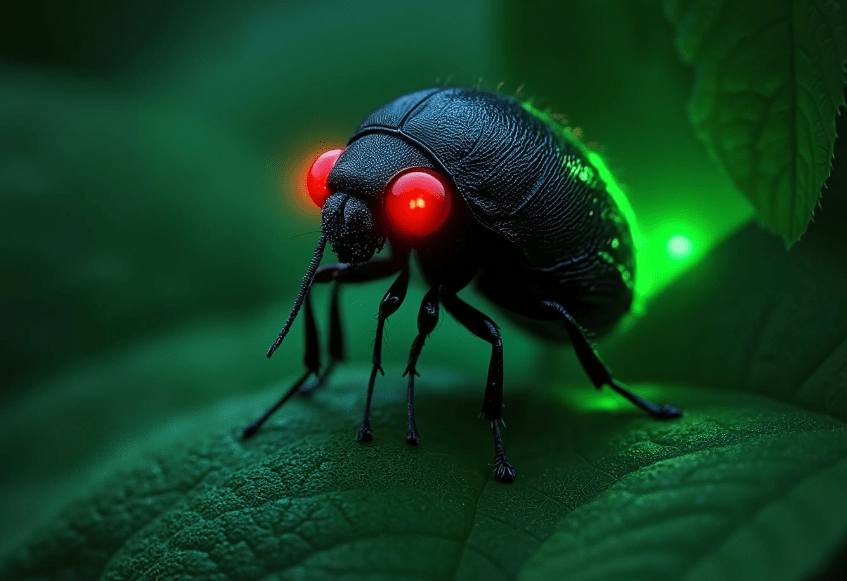
Surviving Mississippi’s Most Lethal Bugs: Expert Tips from a Prepper

When most people think about dangerous wildlife in Mississippi, their minds often go straight to snakes, alligators, or even the occasional wild hog. But let me tell you as a survival prepper—and someone married to a woman who grew up under the blazing Arizona sun—some of the deadliest threats to your life in the Magnolia State are far smaller and far less obvious: bugs.

Yes, I’m talking about insects that are not only irritating but capable of killing if you aren’t careful. For those of us who live off the land, hunt, fish, or even just enjoy a summer evening on the porch, understanding these deadly bugs and knowing how to survive an encounter is essential. So, let’s dive into the most lethal bugs in Mississippi and the survival strategies you need to stay alive.


1. The Lone Star Tick – Tiny but Terrifying

The Lone Star tick is a small, reddish-brown arachnid with a distinctive white spot on its back. Don’t let its size fool you—these ticks carry multiple diseases that can be fatal if left untreated.

Why it’s deadly: Lone Star ticks transmit Ehrlichiosis, a bacterial infection that can cause fever, headaches, and, in severe cases, organ failure. They are also linked to an allergy to red meat, known as Alpha-gal syndrome, which can lead to life-threatening allergic reactions.

How to survive:

  • Wear light-colored, long-sleeved clothing when hiking or working outdoors.
  • Use tick repellents containing DEET or permethrin.
  • Conduct full-body tick checks daily.
  • If bitten, remove the tick promptly with tweezers and monitor for fever, rash, or unusual symptoms. Seek medical attention immediately if any signs appear.

2. The Brown Recluse Spider – Silent Assassin

The brown recluse spider isn’t aggressive, but if disturbed, its venom can cause severe tissue damage and secondary infections. Most bites occur indoors, hidden in clothing, shoes, or boxes.

Why it’s deadly: While fatalities are rare, some bites can become necrotic, leading to serious infections, and in extreme cases, systemic complications. For preppers and survivalists, even a small bite in the wilderness can become life-threatening if untreated.

How to survive:

  • Shake out clothing and shoes before wearing them, especially if stored in dark areas.
  • Seal gaps in your home where spiders can enter.
  • Keep first aid supplies, including antiseptics and bandages, accessible.
  • If bitten, clean the wound and seek immediate medical attention.

3. The Mosquito – Smallest Killer of All

If you think mosquitoes are just annoying, think again. They are the deadliest insects in Mississippi—and in the world. Mosquitoes in Mississippi can carry West Nile Virus, Eastern Equine Encephalitis, and even Zika.

Why it’s deadly: West Nile Virus alone can cause neurological complications, paralysis, and in rare cases, death. Summer and fall are prime mosquito season, especially in the humid, swampy areas of southern Mississippi.

How to survive:

  • Apply insect repellents containing DEET, picaridin, or oil of lemon eucalyptus.
  • Wear long sleeves and pants, especially at dawn and dusk.
  • Keep standing water around your home to a minimum. Mosquitoes breed quickly in stagnant water.
  • Consider using mosquito nets when camping or sleeping outdoors.

4. The Red Imported Fire Ant – Small but Aggressive

Fire ants are highly aggressive and will attack in swarms if their mound is disturbed. Their stings can trigger severe allergic reactions.

Why it’s deadly: Multiple stings can result in anaphylaxis, a life-threatening allergic reaction that requires immediate medical attention. Children and the elderly are particularly vulnerable.

How to survive:

  • Avoid stepping on mounds and wear boots if working outdoors.
  • Use insecticidal baits to control colonies near your home.
  • Carry an epinephrine auto-injector if you have known allergies to stings.

5. The Kissing Bug – Stealthy and Dangerous

Also called “assassin bugs,” kissing bugs can carry Trypanosoma cruzi, the parasite that causes Chagas disease. They are nocturnal and often bite around the lips or eyes while you sleep.

Why it’s deadly: Chagas disease can cause severe cardiac and digestive problems years after the initial infection. Many bites go unnoticed, which makes it a silent killer.

How to survive:

  • Seal gaps and cracks around your home to prevent them from entering.
  • Avoid sleeping near outdoor lights at night, as these bugs are attracted to them.
  • Remove animal nests close to your living spaces, as these bugs often feed on rodents and other mammals.

Survival Mindset: Preparation is Everything

As a survival prepper, I’ve learned that surviving Mississippi’s deadliest bugs isn’t just about avoidance—it’s about preparation. My wife, a native Arizonan, reminds me that being over-prepared is never a bad thing. From keeping a well-stocked first aid kit to knowing which plants repel insects naturally, small steps can make the difference between life and death.

Prepper’s survival checklist for deadly bugs:

  1. Protective clothing: Long sleeves, boots, gloves, and hats.
  2. Repellents and insecticides: DEET, permethrin, and natural alternatives like citronella.
  3. First aid kit: Include antihistamines, antiseptics, tweezers, and wound care supplies.
  4. Home protection: Seal entry points, remove debris, and control standing water.
  5. Knowledge: Recognize the bugs, their habitats, and symptoms of bites or stings.

Why Awareness Can Save Your Life

Mississippi is a beautiful state, full of rivers, forests, and swamps. But that natural beauty comes with hidden dangers. Even the smallest creatures can pose life-threatening risks if you aren’t aware of them. Understanding the behavior and habitats of these deadly bugs—and taking simple preventive measures—can drastically reduce your risk of serious illness or death.

Living a prepper lifestyle in Mississippi is about more than stockpiling food or building shelters; it’s about cultivating awareness, vigilance, and respect for the environment around you. Every hike, camping trip, or backyard barbecue can turn into a lesson in survival if you’re mindful of the risks posed by these tiny killers.


Final Thoughts

The bugs in Mississippi are a reminder that danger doesn’t always come in large, obvious forms. Sometimes, it’s the nearly invisible, the overlooked, and the underestimated that can pose the greatest threat to life. As a survival prepper—and a husband to a woman who thrives under the harsh Arizona sun—I know that preparation, vigilance, and knowledge are your best weapons.

From the tiny Lone Star tick to the nocturnal kissing bug, every deadly insect has a weakness: awareness and proactive prevention. Equip yourself, educate your family, and never underestimate the power of a small bug in Mississippi. Life is beautiful here, but survival requires respect for the tiniest inhabitants of the Magnolia State.

Stay vigilant, stay prepared, and never let a tiny bug take you by surprise.

Illinois’ Killer Bugs: How to Survive the Deadliest Insects in Your Backyard

Alright, buckle up, my bug-fearing friends. Today we’re going on a terrifying safari—but don’t worry, you won’t need a plane ticket, a safari hat, or a guide who mysteriously disappears halfway through the trip. Nope. All you need is a healthy dose of paranoia, some bug spray, and maybe a faint memory of your last camping trip when you realized mosquitoes were basically tiny vampires with bad attitudes.

Yes, we’re talking about Illinois. Land of corn, Cubs fans, and… insects that could end your life if you’re unlucky enough to catch their attention. Illinois isn’t exactly the Amazon rainforest, but don’t let that lull you into a false sense of security. Our state has its share of tiny killers, and they’re sneaky. Today, I’ll introduce you to the most dangerous insects in Illinois and, because I am basically the survivalist version of a dad-joke enthusiast, I’ll tell you how to survive them without looking like a screaming amateur in your own backyard.


1. The Mosquito is Possibly a Secret Assassin

Let’s start with the classic. Mosquitoes: the insect that makes you question all your life choices in summer. You think they’re just annoying, but think again. Some Illinois mosquitoes carry West Nile Virus, which, if you’re unlucky, can be serious—or worse. They are basically little flying syringes looking to turn your blood into their next cocktail. And they’re everywhere. Rivers, ponds, puddles, your forgotten lemonade spill from three days ago—they don’t discriminate.

Why They’re Deadly

  • West Nile Virus (WNV): Most Illinois cases come from Culex mosquitoes. Symptoms can range from fever and headaches to neurological issues. Rare, but terrifying.
  • La Crosse Encephalitis: A smaller, yet still scary threat carried by the treehole mosquito. Mostly affects children.

Survival Tips

  1. Bug Spray is Your Friend: DEET, picaridin, oil of lemon eucalyptus. If you don’t have it, you might as well try screaming at them. Spoiler: It doesn’t work.
  2. Avoid Dawn and Dusk: Mosquitoes love to party at these times. Think of it as their preferred cocktail hour. You don’t want an invite.
  3. Eliminate Standing Water: This is their nursery. Empty it, and you’re basically evicting the tenants before the lease is up.

Honestly, mosquitoes are the insect equivalent of that one relative who overstays their welcome—except they bring disease and probably hate you.


2. Ticks Are Nature’s Tiny, Eight-Legged Vampires

Ticks are the sneaky ninjas of the insect world. Unlike mosquitoes, they don’t buzz obnoxiously to announce their presence. They just crawl up your leg and latch on, like that awkward stranger at a high school dance who refuses to let go.

Why They’re Deadly

  • Lyme Disease: Caused by the bacterium Borrelia burgdorferi, spread by black-legged (deer) ticks. Early symptoms include fever, chills, fatigue, and a telltale bullseye rash. If untreated, it can lead to arthritis, neurological issues, and heart problems.
  • Anaplasmosis and Ehrlichiosis: Other bacterial diseases carried by ticks. Rare, but real.

Survival Tips

  1. Check Yourself: Every time you go outside, do a full-body tick inspection. Yes, even in weird places. You might look ridiculous, but you’ll thank yourself later.
  2. Clothing is Armor: Light-colored clothing, tucked pants, and boots. Ticks hate making contact with humans… mostly because it’s hard to find soft, warm skin through a thick boot.
  3. Repellents Work Here Too: DEET and permethrin-treated clothing are a tick’s worst nightmare.

Ticks are like tiny saboteurs sent from nature’s board of death. Except they’re silent and patient. And incredibly annoying.


3. The Killer Wasp: Yellowjackets and Bald-Faced Hornets

Illinois isn’t exactly home to hornets the size of your fist (we leave that to other parts of the U.S.), but we do have some nasties: yellowjackets, bald-faced hornets, and paper wasps. These insects are not subtle. They sting, they hurt, and some people are allergic enough that one sting could send them to the ER.

Why They’re Deadly

  • Allergic Reactions: Anaphylaxis can occur within minutes. If you’ve never had a severe allergy, congratulations. Don’t get cocky.
  • Multiple Stings: Unlike a bee, yellowjackets and hornets can sting repeatedly. Imagine someone hitting you with tiny hot darts multiple times. Painful.

Survival Tips

  1. Don’t Swat (Unless You Want More Trouble): Swatting an angry yellowjacket is basically waving a red flag at a bull. They call in friends.
  2. Avoid Nests: Bald-faced hornets can be aggressive if their nest is disturbed. Keep an eye out for paper-like hives.
  3. Know Your Exit Routes: If you get swarmed, run to shelter indoors. Pretend you’re training for the Olympics’ sprint events.

Honestly, these guys are like nature’s tiny bodyguards for nothing important. Annoying, painful, and deadly to the unprepared.


4. The Brown Recluse and Black Widow: Spiders That Are Basically Insect Cousins

Okay, technically spiders aren’t insects—they’re arachnids—but in survival land, I lump them together because your mortality depends on knowing them. Illinois has a small population of brown recluse spiders and black widows.

Why They’re Deadly

  • Brown Recluse: Its bite can destroy tissue over time. Pain might be delayed, but the consequences are real.
  • Black Widow: Their venom attacks the nervous system. Muscle pain, cramping, and, in rare cases, death.

Survival Tips

  1. Inspect Dark, Undisturbed Spaces: Attics, basements, closets—these are prime spider real estate.
  2. Gloves Are Life: Handling boxes or firewood? Gloves aren’t just a fashion statement—they’re your first line of defense.
  3. Antivenom Exists: But prevention is way cheaper than an ER visit.

Remember, these guys aren’t aggressive unless provoked, but they’re the kind of roommates you don’t want to meet unexpectedly.


5. The Asian Giant Hornet: Not in Illinois… Yet

Okay, let’s clarify: as of 2026, there’s no confirmed permanent population of Asian giant hornets in Illinois. But news reports keep them in the headlines. If you like living on the edge, imagine a hornet the size of a human thumb with a venomous sting that can kill in rare cases.

Why They’re Deadly

  • Multiple Stings Are Fatal: Their venom is far more potent than local wasps.
  • Aggressive Behavior: Unlike native hornets, they can swarm without provocation.

Survival Tips

  1. Stay Informed: If sightings increase, local authorities will issue warnings. Listen.
  2. Don’t Approach: Seriously. If it looks like it belongs in a Godzilla movie, it probably does.

While you likely won’t encounter them in Illinois, a prepper never ignores a potential threat.


6. Fire Ants: Tiny Ninjas of Pain

Southern Illinois is technically within fire ant territory. These little guys are small, red, and have a venomous sting that can cause severe allergic reactions.

Why They’re Deadly

  • Venom Can Cause Allergic Shock: Similar to wasps, some people are at serious risk.
  • Swarming Behavior: If disturbed, they attack in numbers, delivering multiple stings in seconds.

Survival Tips

  1. Avoid Disturbing Mounds: Seriously. Just look, don’t touch.
  2. Protective Clothing Helps: Boots and long pants save lives—and egos.
  3. Treat Stings Quickly: Wash, ice, and monitor for signs of anaphylaxis.

Fire ants are basically the insect world’s version of a bad roommate that moves in without asking. Painful, unrelenting, and extremely irritating.


7. General Survival Tips for Illinois Insect Encounters

Alright, you’ve survived the tour of Illinois’ deadliest bugs. But survival isn’t just about knowing names and looking at pictures like it’s a creepy coffee table book. Here’s a prepper’s guide to surviving all insects… with a touch of my patented humor.

Personal Protective Equipment (PPE)

  • Long sleeves and pants. You want your skin like Fort Knox—impenetrable.
  • Gloves for gardening, handling firewood, or investigating mysterious crawl spaces.

Repellents and Treatments

  • DEET, picaridin, permethrin, lemon eucalyptus oil. Pick your poison… but not literally.
  • First aid kits are mandatory. Ice packs, antihistamines, and basic wound care are lifesavers.

Environmental Control

  • Empty standing water. Mosquito nurseries are everywhere.
  • Remove trash, debris, and fallen logs that attract insects.
  • Seal cracks and entry points in homes to keep them out.

Mental Preparedness

  • Keep calm. Panicking is the #1 reason humans get bitten, stung, or chased by insects.
  • Learn to identify high-risk species. Knowledge = survival + bragging rights.

Emergency Procedures

  • Allergic reactions: Epinephrine auto-injectors (EpiPens) can save lives.
  • Multiple stings or bites: Seek medical attention immediately.
  • Severe infections: Clean, monitor, and get professional help.

Conclusion: Illinois Bugs Are No Joke—But Humor Helps

Illinois’ insects aren’t out to get you personally… unless you’re a mosquito, a tick, or a hornet, in which case, yes, congratulations—you’re on the menu. The key to survival is preparation, awareness, and taking the threats seriously, even while cracking jokes that might make your friends roll their eyes.

So next time you’re enjoying an Illinois sunset, remember: your backyard may look peaceful, but lurking in the grass, under rocks, and in your favorite hammock are tiny assassins just waiting for you to make a mistake. Know them. Respect them. And laugh at yourself before they make you cry—or itch uncontrollably.

Stay vigilant, stay prepared, and keep your bug spray handy. Illinois may not have lions or tigers or bears (oh my!), but we’ve got mosquitoes, ticks, hornets, and spiders that can turn a pleasant evening into a survival scenario faster than you can say, “Is that a mosquito on my eyebrow?”

Remember, survival isn’t just about strength—it’s about knowledge, preparation, and yes, a terrible sense of humor. Now go forth, Illinois residents, and live another day… preferably without being a bug’s dinner.

Connecticut’s Deadliest Creepers and How to Survive Them

I’m going to cut through the usual sugarcoated nonsense you read online about cute little bugs and their “benefits to the ecosystem.” Let me tell you something straight: insects in Connecticut are not here to cuddle you—they are tiny, merciless predators that could end your miserable existence in minutes if you aren’t prepared. And yes, I say this with authority, because I’ve seen the brutality of nature up close—my brother was torn apart by a brown bear in Alaska when we were kids. That trauma doesn’t leave you; it haunts every raindrop, every creepy-crawly sensation, every whisper of wind through the trees.

If you think Connecticut is some tame, suburban paradise where the worst you’ll face is a bee sting, think again. Mother Nature has no mercy here, and the insects lurking in your yard or local park are far deadlier than most people realize. This isn’t a drill. I’m writing this because I want you to survive—and because, frankly, the world is full of idiots who underestimate the smallest killers.

1. The Lone Star Tick – Tiny Vampire of Terror

If you think ticks are just annoying, think again. The Lone Star Tick is the silent predator hiding in Connecticut’s forests, shrubs, and even in suburban lawns. These tiny bloodsuckers aren’t just pests—they are carriers of some of the deadliest infections known to humans.

Why it’s dangerous:

  • Alpha-Gal Allergy: A bite from this tick can trigger a rare condition called alpha-gal syndrome. It makes your body react violently to red meat. You could go into anaphylactic shock without warning.
  • Ehrlichiosis: A bacterial infection that can cause fever, fatigue, and even death if left untreated.
  • Heartland Virus: A relatively new threat in the US that can induce severe flu-like symptoms, sometimes fatal.

Survival tips:

  • Avoid tall grasses and shrubs. Wear long sleeves and pants, preferably tucked into boots.
  • Use tick repellents containing DEET or permethrin.
  • Conduct a thorough body check immediately after being outdoors. A tick can inject its venom before you even realize it’s there.
  • Remove ticks properly using tweezers, pulling straight out without twisting. If left improperly, the bite can escalate into infection.

I don’t sugarcoat these things because I’ve seen what happens when people do. Nature doesn’t care. The Lone Star Tick doesn’t care. You are meat on the hoof for these parasites if you’re careless.

2. The Brown Recluse Spider – Stealthy Assassin in the Shadows

Connecticut isn’t famous for spiders, but don’t let your guard down. The Brown Recluse Spider is a nightmare hiding in plain sight, usually in basements, garages, or attics—places where humans feel safe.

Why it’s dangerous:

  • Necrotic Venom: Its bite may seem minor at first, but the venom destroys tissue over time. A wound that looks like a small puncture can balloon into a horrific, slow-healing ulcer.
  • Systemic Effects: In rare cases, the venom can trigger fever, chills, nausea, or even organ failure. Death is uncommon but possible, especially in children or the elderly.

Survival tips:

  • Inspect dark corners, shoes, and clothing before use.
  • Seal cracks and gaps in your home to prevent these intruders from moving in.
  • Wear gloves when handling storage boxes or woodpiles.
  • If bitten, seek medical attention immediately—don’t waste time with home remedies.

Trust me: I’ve seen people underestimate a spider bite, thinking “it’s just a bug.” That “just a bug” can ruin your life if it’s a Brown Recluse.

3. The Asian Giant Hornet – Flying Death

Yes, Connecticut has hornets, and yes, one of them is a flying nightmare imported from overseas. The Asian Giant Hornet isn’t just a bigger wasp—it’s a full-scale biological weapon in insect form.

Why it’s dangerous:

  • Multiple stings can be fatal, even to healthy adults.
  • Its venom contains neurotoxins that destroy tissue and can cause kidney failure.
  • The pain is excruciating—people describe it as “hot metal being poured under the skin.”

Survival tips:

  • Never provoke a hornet. If you see a nest, leave it alone and alert professionals.
  • Cover exposed skin when outdoors in wooded areas.
  • Have a plan for allergic reactions—epinephrine injectors aren’t optional if you’re in hornet territory.

Hornets, like bears, don’t give second chances. One wrong move and it’s game over. And if you think you’re safe because they’re rare, you’re living in a delusion.

4. Deer Ticks – Tiny Silent Killers

Deer ticks aren’t just annoying—they are vectors for Lyme disease, an infection that can ruin your life. But don’t stop at Lyme; deer ticks also carry anaplasmosis, babesiosis, and Powassan virus, all of which can be fatal in extreme cases.

Why it’s dangerous:

  • Lyme disease can cause paralysis, chronic pain, and neurological damage if untreated.
  • Powassan virus can infect your brain and spinal cord, sometimes killing within a week.
  • Ticks are nearly invisible and can stay attached for hours before detection.

Survival tips:

  • Wear insect-repellent clothing and use DEET-based sprays.
  • Check every inch of your body after spending time outdoors, especially in wooded or grassy areas.
  • Keep your yard trimmed and remove leaf litter where ticks thrive.

Deer ticks are the little monsters that make you regret ever leaving the house. They are a slow, patient assassin. Unlike bears, they don’t roar—they sneak. And the worst part? You won’t even know they’re there until it’s almost too late.

5. Wasps and Yellowjackets – Nature’s Tiny Kamikazes

Wasps and yellowjackets are aggressive, territorial, and relentless. One sting can send you into anaphylactic shock if you’re unlucky—or unprepared. And let me tell you something: they don’t need a reason to attack. You breathe wrong near a nest, and they’ll go full kamikaze.

Why it’s dangerous:

  • Allergic reactions can escalate to death in minutes.
  • Multiple stings can cause toxic reactions, kidney failure, or cardiac complications.
  • They are intelligent hunters—disturb a nest, and the swarm will coordinate attacks.

Survival tips:

  • Identify nests around your home and have professionals remove them safely.
  • Avoid wearing bright colors or floral patterns outside—these attract stinging insects.
  • If you are stung and show symptoms of a severe reaction, administer epinephrine immediately and get medical help.

I’ve seen the aftermath of a yellowjacket attack. It’s not pretty, and it’s a lesson in humility and rage toward nature all at once.

6. Mosquitoes – Tiny Vectors of Doom

Don’t let the idea that mosquitoes are “just annoying” fool you. In Connecticut, they are carriers of West Nile virus and Eastern Equine Encephalitis (EEE). Both can kill. Both can ruin your life permanently.

Why it’s dangerous:

  • West Nile Virus: Can cause encephalitis (swelling of the brain), paralysis, and death in severe cases.
  • EEE Virus: Rare but deadly—fatal in around 30% of cases with severe neurological symptoms.
  • Mosquitoes bite at dawn and dusk, often unnoticed until it’s too late.

Survival tips:

  • Use repellents containing DEET or picaridin.
  • Avoid standing water where mosquitoes breed—don’t let your property become a breeding ground.
  • Wear long sleeves and pants when outdoors, especially at peak mosquito hours.

These tiny flying pests are nature’s spiteful joke. You think you’re safe because you live in a “civilized” state. You’re not.

Conclusion – Survival Isn’t Optional

Connecticut may look calm on the surface, but beneath its leaves and undergrowth, a silent army of deadly insects waits for careless humans. I’ve seen real death in the wilderness, and I can tell you this: the insects won’t stop, they won’t negotiate, and they certainly won’t care about your excuses.

If you want to survive here, you must respect the threat, prepare for it, and always be vigilant. Wear protective clothing, use repellents, check your body daily, and keep your home secure. Nature doesn’t forgive mistakes, and neither will these small, lethal assassins.

So next time it rains, don’t complain. Don’t curse the weather. Remember that the same wet soil that feeds your lawn also gives life to some of the most dangerous insects you will ever encounter—and if you’re not prepared, they could be the end of you.

Connecticut isn’t paradise. It’s a battlefield. And the enemy is often smaller than you’d ever imagine—but infinitely more deadly.

Stay Clean, Stay Ready: 10 Essential Water-Saving Bathing Tips

When disaster strikes, whether it’s a natural calamity like a hurricane or earthquake, or a man-made crisis like civil unrest or infrastructure failure, one of the first and most critical resources you’ll have to guard is water. Clean water isn’t just for drinking—it’s essential for hygiene, survival, and maintaining morale. As a survival prepper, I’ve learned that even in the worst conditions, maintaining cleanliness isn’t a luxury; it’s a necessity. But the challenge? Water can be scarce when the world goes sideways.

Bathing efficiently without wasting water is one of the most overlooked survival skills. You might think, “How much difference can saving a few gallons per shower make?” Trust me—it adds up fast. Conserving water during everyday activities like bathing can mean the difference between having enough water to drink and running dangerously low during a disaster.

Here are 10 practical tips to save water when bathing, designed for anyone serious about survival preparedness, while still keeping personal hygiene intact.


1. Take Short Showers – 5 Minutes or Less

In normal circumstances, it’s easy to linger under the water while daydreaming or checking your phone. But in survival scenarios, every drop counts. Limiting your shower to five minutes or less drastically reduces water usage. Use a timer if needed—think of it as a countdown for your survival plan. Quick showers will keep you clean and help you ration water for other critical needs.


2. Use a Bucket to Collect Shower Water

This technique may feel old-school, but it’s a survivalist’s best friend. Place a bucket in the shower to catch the cold water that flows while waiting for it to heat. That water can later be used for flushing toilets, cleaning dishes, or even watering plants if necessary. During emergencies, no drop should go to waste.


3. Install a Low-Flow Showerhead

A low-flow showerhead can cut your water usage in half without sacrificing cleanliness. Many models are easy to install and don’t require a plumber. For preppers, this is a long-term investment in water security. When water is scarce, technology like this becomes a true lifesaver.


4. Turn Off the Tap When Lathering

We all do it—letting the water run while scrubbing shampoo into our hair or washing our bodies. Instead, turn off the tap while lathering, then turn it back on to rinse. It’s simple, effective, and could save hundreds of gallons over a month. In survival terms, every gallon you save could be used for drinking, cooking, or emergency medical needs.


5. Use a Wet Washcloth or Sponge Instead of a Full Shower

In a worst-case scenario where water is extremely limited, you don’t need a full shower every day. A wet washcloth or sponge bath uses far less water and still keeps you hygienic. Focus on key areas like your face, underarms, and groin. Think of it as “targeted hygiene”—you stay clean without depleting your water reserves.


6. Reuse Greywater for Non-Potable Purposes

Greywater is the term for water that has been used for bathing, washing dishes, or laundry. While not safe to drink, it can be stored and reused for flushing toilets, cleaning floors, or irrigation. In survival mode, storing and reusing greywater is a crucial skill. Even in small quantities, it can extend your water supply significantly.


7. Keep Your Showers Cooler

Hot showers feel luxurious, but heating water consumes fuel or electricity—resources that might be scarce in emergencies. Cooler showers use less water because people naturally shorten the time they spend under cold water. Additionally, cold showers have health benefits, including increased alertness and improved circulation. Think of it as a survival boost and a water-saving tactic rolled into one.


8. Bathe Less Frequently, But Strategically

In survival situations, hygiene routines may need to change. Bathing every single day may not be necessary—especially if you’re not heavily sweating or exposed to contaminants. Focus on bathing strategically: after heavy work, exposure to dirt or chemicals, or when morale and mental health demand it. A strategic approach conserves water while keeping you safe and reasonably comfortable.


9. Collect Rainwater for Bathing

Rainwater collection is a classic prepper technique. If it’s safe in your region, set up barrels or containers to catch rainwater for bathing and other non-potable uses. While you should always filter and possibly disinfect collected water, rainwater can drastically extend your bathing supply without drawing on your main water reserves.


10. Educate Everyone in Your Household

Water conservation is most effective when everyone in your household understands the stakes. Teach your family or fellow preppers these water-saving techniques. Turn it into a fun challenge: who can take the fastest, cleanest shower while using the least water? In emergencies, a cooperative approach can save thousands of gallons of water.


Bonus Survival Tip: Prepare for Long-Term Water Scarcity

Saving water while bathing is just one piece of the puzzle. Prepper survival strategies should include storing water, knowing local water sources, learning purification methods, and even growing foods that require minimal irrigation. The more you practice water conservation now, the better prepared you’ll be for unexpected disasters. Every tip you implement today is an investment in your survival tomorrow.


Final Thoughts

Water is life. In any disaster, whether it’s a flood, a drought, or societal collapse, conserving water is not optional—it’s mandatory. By implementing these ten strategies, you’ll stretch every drop further while maintaining hygiene and morale. Remember, survival is as much about smart planning and discipline as it is about strength and endurance.

Even small adjustments, like turning off the tap while lathering or taking a five-minute shower, can accumulate into a significant water reserve over weeks or months. Pair these tips with rainwater collection, greywater reuse, and low-flow fixtures, and you’ll be prepared for situations where every gallon counts.

Being clean doesn’t have to be a casualty in a crisis—it just requires some forward thinking, discipline, and creativity. Stay prepared, stay hygienic, and never underestimate the power of a few simple water-saving habits.

Pennsylvania’s Top 10 Life-Threatening Hazards and How to Beat Them

Pennsylvania might look like a nice, sleepy state with rolling hills, charming small towns, and overpriced hipster coffee shops, but underneath it all, the place is a death trap just waiting to claim your lazy, unprepared soul. If you’ve ever thought, “I’ll be fine,” you’re already on the fast track to becoming a statistic. I’ve spent years studying survival, prepping for worst-case scenarios, and watching people make boneheaded mistakes that end in tragedy. So let’s get brutally honest. Here are the top ten most dangerous things in Pennsylvania that could wipe you off this Earth—and, more importantly, how to survive them.


1. Venomous Snakes – Timber Rattlesnakes and Copperheads

Don’t let their slow, slithering demeanor fool you. Pennsylvania’s venomous snakes are a ticking time bomb. Timber rattlesnakes are shy, sure, but one careless step in the right (wrong) spot and you could be staring down an emergency that will cost you your life if you aren’t prepared. Copperheads? They’re sneaky, blending into leaf litter like masters of camouflage.

Survival Tip: Always wear thick boots and long pants when hiking. Never stick your hands under rocks or fallen logs. Carry a snake bite kit and know the fastest route to the nearest hospital. And for the love of sanity, don’t try to play “catch the snake” for Instagram.


2. White-Tailed Deer – Not as Harmless as They Seem

I swear, half the people in this state treat deer like friendly woodland mascots, but those graceful creatures are death on four legs. Pennsylvania has one of the highest deer populations in the U.S., and collisions with vehicles are more common than people think. A 2,000-pound deer slamming into a car at 60 mph doesn’t negotiate—it destroys.

Survival Tip: Drive cautiously, especially at dawn and dusk. Use high beams when appropriate and install deer whistles on your vehicle if you’re serious about not becoming roadkill.


3. Pennsylvania’s Rivers – Silent Killers

Rivers are beautiful until they try to drown you. Fast currents, cold temperatures, hidden rocks—Pennsylvania has more than its fair share of deadly waterways. People underestimate the force of water, and you don’t get a do-over once it drags you under.

Survival Tip: Never swim alone. Wear a life jacket if you’re boating or kayaking. And for god’s sake, don’t assume “it looks shallow” means it’s safe.


4. Extreme Weather – Tornadoes, Floods, and Blizzards

Pennsylvania may not be Tornado Alley, but don’t think that spares you. Freak storms can strike with zero warning. Winter brings ice storms, blizzards, and hypothermia-inducing winds. Flooding can wash away entire neighborhoods faster than your brain can process what’s happening.

Survival Tip: Always check the weather before leaving home. Keep an emergency kit stocked with food, water, blankets, and a hand-crank weather radio. Know the safest location in your house for tornadoes or flash floods. And keep warm clothing in your car at all times—because the state doesn’t care if you’re comfortable.


5. Black Bears – Big, Hairy, and Deadly if Provoked

Yeah, they look like something out of a nature documentary, but black bears don’t read scripts. If you stumble across one in the woods—or worse, in your backyard—they can attack if threatened, hungry, or just plain annoyed.

Survival Tip: Make noise when hiking to avoid surprise encounters. Carry bear spray. Keep garbage secured in bear-proof containers. And under no circumstances, ever, attempt to feed a bear. I don’t care if you think it’s cute.


6. Venomous Insects – Ticks, Bees, and Wasps

Lyme disease, anaphylactic shock—these little monsters are silent killers. Pennsylvania is one of the top states for Lyme disease. Ticks are everywhere, from your backyard to hiking trails. And if you’re allergic to bees or wasps, one sting could be fatal.

Survival Tip: Wear light-colored, long-sleeved clothing in tick-prone areas. Use insect repellent. Always check yourself and pets after outdoor excursions. Carry an EpiPen if you’re allergic to stings. Ignoring this could be the last mistake you ever make.


7. Poisonous Plants – Deadly Beauty

Poison ivy is just the tip of the iceberg. Pennsylvania hosts a host of plants that can cause severe reactions if ingested or touched. Giant Hogweed, for instance, can cause third-degree burns from simple skin contact with its sap.

Survival Tip: Learn to identify poisonous plants. Don’t touch plants you don’t recognize. Gloves and long sleeves are your friends. And if exposure occurs, wash immediately and seek medical attention.


8. Urban Hazards – Traffic, Construction, and Crime

You think rural dangers are bad? Welcome to the cities. Philadelphia, Pittsburgh, and other urban areas have traffic, construction zones, and a level of crime that can turn an ordinary day into a nightmare. Distracted drivers, falling debris, and opportunistic criminals are everywhere.

Survival Tip: Stay vigilant. Don’t walk alone in poorly lit areas. Follow traffic rules meticulously, and always assume the worst-case scenario when crossing streets or navigating construction zones.


9. Hypothermia and Exposure – The Cold Will Kill You

Pennsylvania winters are merciless. The snow, ice, and wind are not “quaint seasonal annoyances.” They are death sentences if you are unprepared. Hypothermia can set in before you realize you’re in danger, and exposure can incapacitate you in minutes.

Survival Tip: Dress in layers, wear insulated boots, and always carry emergency thermal blankets in your car or hiking pack. Never underestimate the cold, because it certainly won’t underestimate you.


10. Your Own Complacency – The Quiet Killer

This isn’t a bear or a snake—it’s worse. Your own laziness, overconfidence, and ignorance are the number-one reason Pennsylvanians die in preventable accidents every year. You ignore the warnings, you think “it won’t happen to me,” and then the universe slaps you down.

Survival Tip: Stay alert. Prepare for worst-case scenarios. Read, research, and rehearse survival strategies constantly. Your survival depends on it.


Conclusion: Survive or Become Just Another Statistic

Pennsylvania is a state with deadly wildlife, unpredictable weather, and hazards lurking around every corner. It doesn’t care about your plans, your feelings, or your sense of adventure. The only way to make it out alive is to approach life like a paranoid survivalist: always prepared, always skeptical, and always ready to fight for your life.

Take this list seriously. Learn the dangers, respect them, and equip yourself to handle them. Underestimate any of these threats, and you’re nothing more than another sad statistic waiting to happen.

Survival isn’t glamorous. It isn’t easy. And it certainly isn’t fair. But if you’re willing to fight, if you’re willing to prepare, you might just make it through another day in Pennsylvania—alive, bitter, and a little wiser.

The Deadly Side of Illinois: 10 Things That Can End Your Life and How to Escape Them

If you think Illinois is just flat cornfields, windy cities, and midwestern monotony, you are dead wrong—literally. I’ve been alive long enough to see the world crawl into decay, and Illinois is no exception. There’s a quiet lethality lurking in the corners of the state, in both its cities and its countryside. This is not a cheery tourist guide or a fluff piece for the fainthearted. This is your wake-up call. The top 10 threats I’ve identified are real, and each one can end you in a heartbeat if you don’t know how to survive.


The Top 10 Most Dangerous Things in the State of Illinois That Can Easily End Your Life—and How to Survive Them

1. Tornadoes – Nature’s Unpredictable Executioners

Illinois sits squarely in Tornado Alley’s eastern edge, and Mother Nature doesn’t care about your plans. Tornadoes can form in minutes, reaching wind speeds over 200 mph, capable of ripping buildings apart like cardboard. In rural areas, your chances of survival drop if you’re in a mobile home or a flimsy structure.

Survival Tips:

  • Know your safe spots—storm cellars, basements, or interior rooms with no windows.
  • Have an emergency kit with food, water, first aid, and a weather radio.
  • Stay informed through NOAA alerts. If a tornado warning sounds, don’t debate—it’s already too late to hesitate.

2. Highway Traffic – Death at 70 MPH

The I-90, I-55, and I-57 corridors are death traps masquerading as roads. Illinois drivers are notoriously aggressive, distracted, or just downright incompetent. Combine that with winter black ice and potholes the size of small lakes, and you have a recipe for instant death.

Survival Tips:

  • Always wear your seatbelt. This is not optional.
  • Keep a safe distance from other vehicles; tailgating is a fast ticket to death.
  • Maintain a winter emergency kit in your car: blankets, flares, food, water, and a small first-aid kit.

3. Chicago Crime – When Steel Meets Malice

Chicago gets a lot of heat for violence, and for good reason. Gang conflicts, shootings, and random acts of aggression are common. Walking into the wrong neighborhood without situational awareness is an invitation to become a statistic.

Survival Tips:

  • Stick to well-populated, well-lit areas and always know your exit routes.
  • Avoid confrontations. Your life is not worth proving a point.
  • Carry non-lethal self-defense tools where legally permitted.

4. Extreme Winter Weather – The Silent Killer

Illinois winters are brutal. Wind chills routinely hit negative numbers, ice storms make roads impassable, and snow can trap you in your home for days. Hypothermia and frostbite are silent, slow killers that catch the unprepared off guard.

Survival Tips:

  • Invest in proper winter clothing and layered insulation.
  • Keep extra food, water, and fuel in case you’re snowed in.
  • Don’t underestimate the danger of driving during ice storms. Sitting in your driveway is safer than hitting the roads.

5. Flash Floods – Illinois’ Hidden Water Hazard

You don’t need a hurricane to be drowned in Illinois. Flash floods happen fast, often after heavy rain. Rivers, creeks, and even urban streets can turn into raging torrents in minutes.

Survival Tips:

  • Never attempt to cross flooded roads. Six inches of water can sweep a person off their feet; two feet can float a car.
  • Move to higher ground immediately if there’s a flood warning.
  • Keep an emergency bag in your home with essentials. Water rises fast, but preparation rises faster.

6. Gun Accidents – The Silent Threat in Homes

Illinois may have strict gun laws in some areas, but accidents still happen. Unsecured firearms in homes or carelessness while hunting can end lives instantly. Even experienced hunters underestimate how fast a firearm can become a killer.

Survival Tips:

  • Always store guns unloaded and locked.
  • Educate everyone in your household about firearm safety.
  • Treat every gun as loaded until proven otherwise.

7. Poisonous Wildlife – Illinois’ Unexpected Predators

Everyone worries about bears or mountain lions, but Illinois has its own toxic residents: venomous snakes like copperheads and rattlesnakes, aggressive snapping turtles, and deer with nasty temperaments during mating season. Even ticks carrying Lyme disease are life-threatening if ignored.

Survival Tips:

  • Wear proper clothing when hiking or working outdoors.
  • Learn to identify dangerous snakes and give them a wide berth.
  • Use tick repellents and check for ticks after any exposure to tall grass or wooded areas.

8. Industrial Accidents – When Human Negligence Strikes

Illinois is a hub of factories, chemical plants, and construction zones. Explosions, chemical spills, and structural collapses aren’t rare—they’re inevitable somewhere in the state. One careless mistake or safety violation can make your life end before you see it coming.

Survival Tips:

  • Stay alert near industrial areas and heed warning signs.
  • Know your community’s emergency evacuation routes.
  • Keep a basic hazmat knowledge toolkit and protective equipment if you live near high-risk zones.

9. Urban Fires – Flames You Can’t Always Escape

Chicago and other cities aren’t immune to deadly fires. Whether it’s an apartment, a commercial building, or a row house, fires can spread in minutes. Smoke inhalation kills faster than flames, and panic spreads faster than the fire itself.

Survival Tips:

  • Install smoke detectors in every room and test them regularly.
  • Keep fire extinguishers within reach.
  • Plan multiple escape routes and practice fire drills. In urban fires, speed equals survival.

10. Illness and Pandemics – The Invisible Killer

Finally, let’s not forget the quiet killers: viruses, bacteria, and sudden outbreaks. Illinois has major travel hubs like Chicago O’Hare, making it a hotspot for contagious illnesses. One careless cough, one ignored warning, and your life could be over.

Survival Tips:

  • Stay up-to-date on vaccinations and health warnings.
  • Practice hygiene and keep a stock of basic medical supplies.
  • Isolate when necessary. Survival isn’t glamorous—it’s practical.

Conclusion: Survival in Illinois Isn’t Optional

If you think life in Illinois is safe because it doesn’t have volcanoes or desert storms, think again. From natural disasters to human negligence, the state is a minefield of threats waiting to strike at any moment. I don’t sugarcoat reality. Survival isn’t a weekend hobby—it’s a full-time, paranoid, angry occupation.

Prepare yourself. Know the dangers. Respect them. And remember: if you ignore this advice, Illinois won’t care about your excuses. Your survival depends on vigilance, preparation, and the bitter recognition that the world is a relentless predator—and Illinois has its share of fangs.

Surviving Ohio: The 10 Most Dangerous Things That Could Kill You at Any Moment

The state of Ohio, with its cornfields, sleepy suburbs, and so-called “friendly people,” is quietly plotting your demise. Most of the population strolls around blind to the fact that death is lurking behind seemingly innocent facades—your local forest, a quiet pond, even the air you breathe. I’m done watching idiots get themselves killed while pretending everything is “fine.”

Here’s a cold, unfiltered rundown of the top 10 most dangerous things in Ohio that can easily end your life, and what you absolutely must do to survive them. Spoiler alert: if you think luck or a polite smile will save you, you’re already halfway to the morgue.


1. Tornadoes

Ohio isn’t Oklahoma, but don’t let that fool you—tornadoes are unpredictable, brutal, and they love Ohio in spring. These rotating death funnels can obliterate homes in seconds, hurl cars like toys, and turn your entire life into a nightmare in minutes.

How to survive:

  • Never, ever ignore tornado warnings. Your “I’ll wait it out” mentality will get you killed.
  • Have a storm cellar or a reinforced basement stocked with essentials.
  • Keep helmets and heavy blankets on hand—anything to protect your skull from flying debris.

Ignoring tornadoes is like challenging a bear to a thumb war. You’ll lose.


2. Rattlesnakes and Other Venomous Critters

Ohio is home to the Eastern Massasauga rattlesnake. Cute? Sure. Deadly? Absolutely. Most people never see them until it’s too late. Combine that with aggressive bees, spiders, and other venomous creatures, and your backyard can quickly become a death trap.

How to survive:

  • Watch your step in tall grass or near rivers.
  • Keep a snakebite kit handy and know how to use it.
  • Do NOT try to handle any venomous animals. You are not a superhero.

3. Flooding

Flooding in Ohio is subtle and sinister. A seemingly calm river can swell in hours, destroying homes, sweeping cars away, and drowning the unprepared. Many deaths happen not because people can’t swim, but because they underestimate water power.

How to survive:

  • Monitor local flood alerts—this isn’t optional.
  • Never drive or walk through floodwaters. A few inches can turn into a swift, deadly current.
  • Elevate critical items in your home and have an evacuation plan.

4. Poisonous Plants

Yes, you read that right. Ohio’s forests are full of plants that can slowly, painfully kill you if ingested or touched. Poison hemlock, wild parsnip, and deadly mushrooms aren’t folklore—they’re real, and they’re everywhere.

How to survive:

  • Learn to identify toxic flora. Ignorance is fatal.
  • Never eat foraged plants unless you are 100% sure they are safe.
  • Protect your skin when walking through thick vegetation.

5. The Ohio Highways

Forget bears, snakes, or tornadoes—humans on the road are just as deadly. Ohio’s highways are crawling with reckless drivers, distracted teenagers, and commuters fueled by coffee and rage. Statistics show thousands die in car accidents each year, many preventable.

How to survive:

  • Defensive driving isn’t optional. Assume every driver is trying to kill you.
  • Avoid driving at night on rural roads; wildlife is just waiting to plow into your car.
  • Seatbelts are the bare minimum—think of them as life insurance, not a suggestion.

6. Extreme Weather

Ohio doesn’t just have tornadoes. Winters bring bone-chilling cold, ice storms, and hypothermia-inducing blizzards. Summers are sweltering, humid, and perfect for heatstroke. Nature here will test your body, patience, and survival skills.

How to survive:

  • Stock layered clothing for winter and hydration strategies for summer.
  • Never underestimate exposure—frostbite and heatstroke are silent killers.
  • Have backup heat sources and cooling methods in case the grid fails.

7. Drowning in Lakes and Rivers

Ohio has thousands of lakes, rivers, and ponds. People go to swim, fish, or boat without realizing that water can end their life in moments. Currents, cold water shock, or even just poor swimming skills can kill you faster than you think.

How to survive:

  • Always wear a life jacket while boating or fishing.
  • Swim only in designated areas with lifeguards if possible.
  • Never underestimate cold water—it can incapacitate you in minutes.

8. Rabid Animals

Rabies isn’t a legend here; it’s a very real and very deadly threat. Bats, raccoons, and even stray dogs can carry the virus. A single bite can be fatal if not treated immediately.

How to survive:

  • Avoid wild animals, especially if they are acting unusually aggressive or tame.
  • Vaccinate pets and keep them away from wildlife.
  • Seek immediate medical attention if bitten—time is critical.

9. Foodborne Illnesses

You think dying in Ohio means a tornado or snakebite? Think again. Contaminated food, whether from local farms, restaurants, or your own kitchen, kills hundreds every year. Bacteria like E. coli and Salmonella are stealthy killers.

How to survive:

  • Wash hands, cook meat thoroughly, and store food properly.
  • Be skeptical of “fresh” produce from unknown sources.
  • When in doubt, throw it out. Your life is worth more than a moldy tomato.

10. The Complacent Mindset

Finally, the most lethal danger of all is your own ignorance. People assume Ohio is “safe” because it’s not New Orleans, not California, not Alaska. That complacency kills more than snakes, floods, and tornadoes combined.

How to survive:

  • Always be aware of your surroundings.
  • Learn survival skills, first aid, and basic self-defense.
  • Never trust that luck will keep you alive. It won’t.

Conclusion

Ohio might look peaceful with its rolling hills, cornfields, and “friendly” neighborhoods, but underneath lurks a deadly cocktail of natural, human, and environmental hazards. Tornadoes, floods, venomous creatures, and your own stupidity are waiting to end your life.

If you want to survive, you need to wake up. Be vigilant, be prepared, and respect every threat like it has a vendetta against your sorry existence—because, honestly, it does. Don’t wait until it’s too late. In Ohio, death doesn’t send a warning; it just comes for you quietly, and often, ruthlessly.

You’ve been warned.

5 Simple Survival Prepper Ways to Save More Money Before the World Falls Apart

If you haven’t noticed yet, the world is spiraling downhill faster than a shopping cart racing through a pothole-ridden parking lot. Prices climb every week, wages drag behind like a busted wagon, and everyone seems too distracted by the latest shiny nonsense to realize how unstable everything has become. While most people are busy scrolling themselves into oblivion, the rest of us—the ones with the nerve to prepare—are left scrambling to stretch every dollar before the next crisis knocks the power grid offline or the food supply chain collapses again.

So yes, I’m irritated. And if you’re paying attention, you should be too. But anger is only useful if it fuels action, and right now the smartest action a survival-minded person can take is to learn how to save more money while the system still barely functions.

Below are five simple survival prepper ways to save more money, even in a world that seems dead-set on squeezing us dry. These strategies aren’t fancy. They won’t impress the clueless masses. But they will help you build resilience, independence, and a financial buffer—even when the economy looks like it’s on life support.


1. Cut Every Recurring Cost That Doesn’t Support Survival

Most people have no idea how much money they burn on subscriptions, memberships, apps, streaming services, and convenience traps that don’t do a single thing to actually help them survive. Corporations count on this. They want you distracted. They want you attached to digital pacifiers. They want your wallet leaking small amounts constantly so you never accumulate real financial strength.

As a survival prepper, your first mission is to strip away everything that does not get you closer to self-reliance.

Ask yourself brutally honest questions:

  • Does this service help me acquire skills?
  • Does it help me prepare for economic downturns or supply shortages?
  • Does it help me build long-term resilience?
  • Would I even miss it after three days without power?

If the answer is “no,” then congratulations—you just found your next cancellation.

Bake this into your weekly routine. Every Friday, scan your bank account and credit card for recurring charges. If a subscription does not directly contribute to survival knowledge, physical tools, or mental resilience, terminate it immediately. You’ll be shocked how fast you start saving. And no, you won’t miss that streaming service where you rewatch the same stale shows.


2. Master the Lost Art of Repairing Everything

We live in a disposable culture, which is fitting for a disposable society. People throw away perfectly good items because they don’t know how to tighten a bolt, patch a seam, or sharpen a blade. Meanwhile, those of us who still possess a spine (and a functioning brain) know that self-reliance starts with the ability to repair what we already have.

Repairing saves money in two major ways:

  1. It prevents buying replacements
  2. It teaches the skills you’ll need when replacements are no longer available

Every repair you make is one less chunk of cash handed over to companies that seem to raise prices every time the wind blows.

Start with the basics:

  • Fix clothing tears before they explode into unwearable rags
  • Patch hoses and buckets instead of tossing them
  • Maintain knives, tools, axes, and saws
  • Clean and oil equipment regularly
  • Learn small engine maintenance

If you don’t know how to repair something, there are thousands of tutorials online—free ones. Watch them now while the internet still functions. Skills outlast systems, and systems are crumbling.


3. Buy in Bulk… But Only the Right Way

People hear “bulk buying” and immediately picture giant warehouse stores filled with oversized boxes of sugar-coated nonsense. That’s not what a real prepper does. Bulk buying is only useful when you’re stocking items that check all three boxes:

  1. Long shelf life
  2. Essential for survival
  3. Cheaper per unit when bought in quantity

Smart bulk buying targets staples that won’t spoil, won’t go out of usefulness, and won’t break your budget:

  • Rice
  • Beans
  • Oats
  • Salt
  • Sugar
  • Flour
  • Canned goods
  • Water storage containers
  • Medical supplies
  • Batteries
  • Fuel stabilizers

And yes, prices fluctuate—badly. That’s why you track costs over time. When something dips briefly below the usual price, that’s your moment. Stock deep when the rest of the world is distracted and wasting money on things they’ll toss within a month.

The money you save buying essentials in bulk compounds over time. Meanwhile, your pantry becomes insurance against inflated grocery bills and empty shelves.


4. Make DIY Versions of the Things You Use the Most

You want to save money while building skills that actually matter? Learn to make your own versions of everyday items instead of paying triple for store-bought products filled with chemicals nobody can pronounce.

A true prepper knows that DIY doesn’t just save money—it builds independence.

Start with easy wins:

  • Homemade cleaning supplies
  • Vinegar-based disinfectants
  • DIY soap
  • Simple first-aid balms
  • Laundry detergent
  • Fire starters
  • Water filters (as backups)
  • Dehydrated foods

The more you make yourself, the less you rely on a system that is constantly on the verge of breaking. And when you realize how cheap these items are to create, you’ll feel a satisfying mix of accomplishment and disgust at how badly corporations overcharge for convenience.


5. Stop Buying Junk and Invest Only in Gear That Lasts Decades

One of the greatest financial drains on modern households is the relentless purchase of cheap garbage. Tools that break. Clothes that unravel. Electronics that fail after two updates. Furniture made of cardboard. Equipment designed to fail so you buy more.

As a prepper, you don’t have the luxury of wasting money on disposable junk. Every dollar should go toward items that can withstand harsh conditions and heavy use.

This means buying:

  • Real tools—not decorative ones
  • Clothing built for durability—not trends
  • Cast iron instead of flimsy aluminum
  • Heavy-duty backpacks instead of bargain-bin specials
  • Knives with real steel—not mass-produced replicas
  • Water containers that won’t crack when the temperature drops

Yes, higher quality costs more upfront. But long-lasting gear saves money over your lifetime—and it’s far more reliable when the world goes sideways. Buy once. Cry once. Use forever.


Conclusion: The World Won’t Fix Itself—So Start Saving Like Your Life Depends on It

Look, the world is unraveling. People might not want to admit it, but we all see the cracks forming. Inflation is turning dollars into confetti. Supply chains snap every time a ship turns sideways. Society is one good crisis away from chaos.

You can’t control any of that. But you can control your preparedness, your spending habits, and your self-reliance.

These five methods won’t just save you money—they’ll help you build the independence necessary to weather whatever comes next. Whether the next disaster is economic, environmental, social, or something we haven’t even imagined yet, the people who survive will be the ones who took action early, saved aggressively, and learned to rely on themselves instead of a failing system.

So start now. Start today. Because the world isn’t getting any better. And when things get worse, you’ll be thankful you prepared while there was still time.

Don’t Be a Sitting Duck: How to Survive a Nuclear Disaster in the U.S.

I’m not here to sugarcoat anything: the United States is sitting on a goddamn ticking nuclear time bomb. And no, your elected clowns in Washington won’t save you. They’re too busy arguing over budget sheets and selfies while our country’s nuclear reactors age like moldy cheese. You want to live when—no, if—a meltdown hits? Then you better start paying attention, because your life, and anyone dumb enough to rely on Uncle Sam, is on the line.

First, let’s get something straight: nuclear reactors are NOT invincible. They are massive piles of metal, concrete, and radioactive fuel rods that can and do fail. Look at Chernobyl, Fukushima, Three Mile Island… these weren’t fairy tale disasters; they were very real, very deadly, and entirely preventable if someone had been paying attention. In America, we like to tell ourselves, “Oh, that could never happen here.” Wrong. Complacency is the fastest path to being irradiated like a rotisserie chicken.

Here’s a little secret the government won’t shout from the rooftops: most U.S. nuclear plants were designed decades ago. Maintenance is patchy at best, corners are cut, and the same engineers who warn about risks are often ignored because the suits don’t want to spend a dime on safety. So yes, the risk of a nuclear meltdown in the United States is higher than you think. Higher than you care to admit. And if you’re one of those people whining about the stock market or the latest TikTok trend, congratulations—you’re about to become radioactive dust.

Let’s talk reality. In the event of a meltdown, you’re looking at catastrophic radiation exposure. I’m not talking a little rash or feeling woozy. I’m talking immediate sickness, death, and a slow, painful decay if you survive the initial blast. Fallout spreads with the wind, contaminating water, soil, and food for miles. Your average grocery store is a death trap, your city is a ghost town before you even figure out which way to run. And don’t expect FEMA or the National Guard to swoop in like heroes—they’re more likely to be evacuating their own sorry asses while you scramble in the dust.

So, what do you do if you actually have the guts to survive instead of whining about it? Step one: knowledge. Know where the nearest nuclear reactors are. There are over 90 operating in the United States, and they aren’t all tucked away in “safe” places. If you live within 50 miles of one, consider that a death zone in case of meltdown. Check evacuation routes, understand wind patterns, and never assume authorities will guide you safely—they won’t.

Step two: shelter. You think your flimsy suburban home will stop radiation? Wrong. You need a fallout shelter. If you don’t have one, improvise. Basements, storm cellars, or even the center of large, concrete buildings can provide partial protection. The goal is to put as much dense material between you and the radioactive particles outside as possible. Lead, concrete, dirt—stack it up. If you can, stockpile at least two weeks’ worth of food, water, and medical supplies inside that shelter. You’ll be too busy praying to the gods that you remembered your potassium iodide tablets to complain about taste or boredom.

Step three: gear up. This isn’t optional. A proper gas mask or respirator is your first line of defense against inhaling radioactive dust. Thick gloves, protective clothing, and sturdy boots are next. You need to be ready to step outside to gather supplies without turning yourself into a walking beacon of gamma radiation. Forget the latest fashion trends; if you’re not coated like a hazmat zombie, you’re toast.

Step four: water and food. Radiation contamination isn’t just about the air. Streams, lakes, and even tap water can become dangerous within hours of a meltdown. Store at least a month of clean water per person if you can manage it. Canned goods, freeze-dried meals, and anything shelf-stable is your friend. And for the love of all that’s holy, don’t trust anything grown in contaminated soil unless you have a damn Geiger counter to test it.

Step five: radiation monitoring. If you can afford it, invest in a Geiger counter or a dosimeter. No, your phone’s app doesn’t count. You need hard data to know if it’s safe to leave your shelter or not. Radiation doesn’t care if you feel fine—it’s silent, invisible, and deadly. And the longer you expose yourself, the faster your body turns into a glowing skeleton. That’s not hyperbole. That’s nuclear reality.

Here’s the part most people won’t tell you: a meltdown isn’t a one-day event. Fallout lingers. Weeks, months, maybe even years. Your survival isn’t about sprinting to the nearest bunker and calling it a day; it’s about long-term planning. Rotate food, purify water, maintain ventilation in your shelter, and be ready for the psychological toll of isolation. Most people won’t survive the panic, depression, and sheer boredom. But the ones who prepare will have a fighting chance.

And let’s get one thing crystal clear: if you don’t act, you’re a liability. You’re not just risking your own skin; you’re endangering others who might count on you. Families, neighbors, coworkers—they can be collateral damage if you run around clueless. Don’t be that guy. Take responsibility. Stop whining about politics or waiting for the “government to handle it.” They’re too busy pretending everything is fine while you rot.

If there’s one last nugget of truth I can shove down your oblivious throat, it’s this: survival is brutal, selfish, and ugly. You have to accept that. Caring about others in a nuclear meltdown is a luxury. You need to think: “How do I stay alive?” because if you’re dead, your moral high ground is meaningless. Prepare ruthlessly. Protect yourself. Ignore the weak-willed naysayers. And when the fallout settles, only the prepared, smart, and ruthless will be left standing.

So stop reading this and start acting. Buy your supplies, fortify your shelter, learn your escape routes, and practice your radiation drills. Because one day, maybe soon, you’re going to wish you had listened. And if you don’t, don’t come crying to anyone. Survival isn’t for everyone, but if you follow this advice, at least you’ll have a chance. And that, my friends, is more than half the battle in this radioactive nightmare we call America.

California is Killing You: The Top 10 Non-Health Hazards You’re Ignoring

Wake up, California. You might think your biggest threats are the latest flu strain or a heart attack, but that’s only half the story. The truth is far grimmer. Life in the Golden State isn’t just expensive; it’s a constant hazard zone. If you’re walking around thinking the state’s only threat is invisible bacteria or the occasional bad fast food, think again. This article isn’t here to sugarcoat reality—this is your wake-up call.

I’ve lived through enough disasters, near-misses, and face-to-face encounters with the chaos of California life to know one thing: your survival isn’t guaranteed. The state is a beautiful trap filled with lethal risks, many of which have nothing to do with health. Here are the top 10 non-health-related reasons why people in California die, and why ignoring them is basically a death sentence.


1. Car Accidents – The Rolling Killers

You don’t need a virus to die in California; you need only step into your car—or the car of someone else. With congested highways, aggressive drivers, and one-too-many distracted texters behind the wheel, car accidents are rampant. Los Angeles, San Francisco, and even smaller towns see thousands of fatal crashes every year. High-speed collisions, drunk drivers, and motorcycles weaving through traffic are just waiting for you to make one wrong move. And let’s be honest: traffic laws exist more as suggestions than as enforceable rules.

If you think you can “just be careful,” think again. The odds are not in your favor. California drivers are famously impatient, and the infrastructure is stressed to the max. One moment you’re minding your own business, the next—boom.


2. Wildfires – Nature’s Inferno

California’s wildfires are legendary, but most people still underestimate them. These aren’t small backyard blazes—they’re monstrous infernos that can consume entire neighborhoods in hours. Houses, cars, pets, and yes, people, vanish in the flames.

Evacuation is chaotic, emergency services are stretched thin, and wind patterns can change in an instant. You could literally be trapped in your own home as fire storms sweep down hillsides. If you think your insurance or city alerts will save you, you’re already thinking like a sheep waiting for slaughter.


3. Earthquakes – The Ground Betrays You

California sits on a network of faults that are just waiting for the next big quake. And let me tell you, “big” isn’t an exaggeration. Buildings crumble, roads crack open, and bridges collapse without warning. Earthquakes don’t discriminate—wealthy neighborhoods and sleepy towns alike can be reduced to rubble in seconds.

Don’t fool yourself into thinking your modern apartment is safe. Structural engineering only delays death; it doesn’t prevent it when the earth decides it’s time.


4. Extreme Heat & Environmental Exposure

You might scoff at the idea that weather can kill you in a state known for its beaches and sunshine, but California’s heat waves are no joke. Temperatures can soar past 110°F in the Central Valley and inland deserts. Heatstroke, dehydration, and exposure kill people every year—often those foolish enough to think they can beat the sun by ignoring it.

And let’s not forget that climate change is making these extremes more frequent and intense. This isn’t just discomfort; it’s deadly.


5. Crime – Humans as Predators

People often overlook the fact that humans are often the deadliest threat. California has areas plagued by violent crime, from urban centers to seemingly quiet suburbs. Shootings, muggings, and home invasions are a daily hazard for the unprepared.

Gang violence isn’t confined to the movies—it’s a very real danger in some neighborhoods. And even if you live somewhere “safe,” opportunistic crimes happen everywhere. Trust no one too easily.


6. Traffic & Pedestrian Accidents

It’s not just car-on-car collisions. Pedestrians, cyclists, and scooters face a deadly gauntlet. Drivers are distracted, reckless, or downright hostile. Every crosswalk could be your last if you don’t maintain a paranoid level of vigilance.

Sidewalks and bike lanes aren’t sanctuaries—they’re just another layer of danger in a state obsessed with speed and convenience over safety.


7. Industrial & Workplace Hazards

From oil refineries in Southern California to tech warehouses in the Bay Area, workplace accidents kill hundreds every year. Machinery malfunctions, chemical exposures, and human error combine to create a daily lottery where survival is not guaranteed.

And don’t expect a lawsuit to save you. By the time lawyers get involved, it’s too late. The system is slow, inefficient, and indifferent to human life.


8. Homelessness and Exposure to Violence

California has a massive homeless population, many of whom live in conditions that guarantee premature death. Violence, exposure, and malnutrition aren’t just statistics—they are daily realities for thousands.

Even for those not homeless, the ripple effects can touch you. Encampments and urban decay lead to crime spikes and unsafe public spaces, turning what should be routine errands into potential hazards.


9. Fires (Other than Wildfires) – Urban Arson & Accidents

People think of fire as only a forest problem, but urban fires are just as deadly. Faulty wiring, careless smoking, and arson claim lives every year. In densely populated areas, a small spark can become a deadly inferno before firefighters even arrive.

And don’t fool yourself into thinking “it won’t happen to me.” Disasters rarely pick their victims—they just find someone vulnerable.


10. Infrastructure Failures – When the State Betrays You

Bridges collapse, levees break, and dams fail. California has a long list of infrastructure weak points. Aging structures, deferred maintenance, and overpopulation create the perfect storm for unexpected death.

A simple drive across a structurally compromised bridge, or living downstream from a poorly maintained dam, could be enough to kill you. And the government’s safety nets? Half the time they’re just bureaucratic mirages.


Final Thoughts – Wake Up Before It’s Too Late

If you’re still reading this, hopefully you’re feeling the chill of reality. California isn’t just a sunny paradise; it’s a deadly game of survival. And while health risks get headlines, these ten non-health hazards are just as lethal—often more so because people refuse to prepare for them.

Survival in California demands awareness, preparation, and a ruthless understanding of your environment. Traffic, fires, earthquakes, crime, heat—these aren’t abstract possibilities. They’re imminent threats that could strike today, tomorrow, or next week.

If you want to stay alive, stop pretending the world is safe. Stock supplies, learn situational awareness, and never underestimate the lethal combination of human error and environmental chaos. Your survival isn’t guaranteed—but with preparation, it’s possible.

Ignore this warning, and California will show you the meaning of the phrase “golden state” in the harshest way possible.