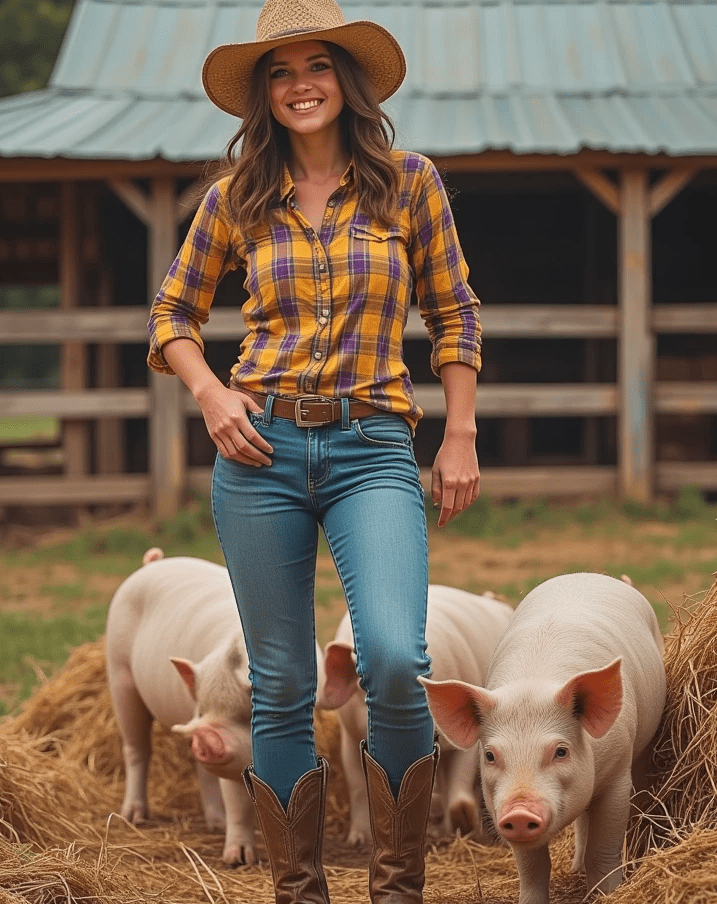
Georgia Homestead Lifestyle: Wake Up or Get Wiped Out

Let me tell you something, and you better damn listen because nobody else is gonna say it straight. This cushy, convenience-ridden, store-bought, gadget-chasing society is on its last legs. Out here in Georgia—where the red clay runs deep and the air smells like pine and old sweat—you either learn to stand on your own two feet or you get buried in the next wave of chaos. That’s not a threat. That’s a cold, brutal fact.

You want freedom? Real, bone-deep freedom? Then you stop depending on supply chains, power grids, and processed garbage wrapped in plastic. You dig in, you wise up, and you build a damn life worth defending. That’s the Georgia homestead lifestyle. Not for the weak. Not for the lazy. And sure as hell not for those still waiting for someone else to solve their problems.

15 SKILLS EVERY HOMESTEADER IN GEORGIA NEEDS BEFORE IT’S TOO DAMN LATE:

1. Canning and Preserving

If you can’t preserve food, you’re just playing house. Georgia grows a bounty—peaches, okra, tomatoes—but if you’re letting it rot because you don’t know a water bath from a pressure canner, you’re wasting survival currency.

2. Seed Saving

Don’t be a fool, thinking seeds grow on shelves. Save your own. Heirloom, non-GMO, regional-adapted seeds are gold. And I mean gold in a world where the grocery store is one blackout away from being a tomb.

3. Rainwater Harvesting

Rain is free. Water bills ain’t. Install gutters and barrels. Georgia’s rain patterns can save your garden or your ass—if you’re smart enough to collect it.

4. Animal Husbandry

You don’t need a damn zoo, but if you can’t raise chickens for eggs, goats for milk, or rabbits for meat, then enjoy your vegan diet when stores dry up. Livestock is life.

5. Butchering and Processing Meat

This one separates the weekend warriors from the real ones. If you can’t slit a throat and process the animal yourself, you’re not ready to survive—period.

6. Composting

Nothing is waste on a real homestead. Table scraps? Chicken feed. Manure? Garden gold. Build a compost system and stop acting like a landfill operator.

7. Solar Power Basics

Georgia’s sun isn’t just for burning your back. Set up a few solar panels and get off the grid. Even a basic battery bank can keep lights and comms running when the lights go out.

8. First Aid and Herbal Medicine

Out here, you’re the doctor, the nurse, and the pharmacist. Learn how to make salves, poultices, and tinctures from Georgia-native plants like yarrow, elderberry, and plantain.

9. Firearm Use and Maintenance

If you’re squeamish about guns, good luck defending your chickens from coyotes—or worse. Know how to clean, shoot, and store every piece you own. And train with them regularly.

10. Trap Setting and Hunting

Grocery store’s closed. Now what? If you don’t know how to trap a squirrel or hunt a deer, you’re just a hungry pacifist with a useless rifle.

11. Basic Carpentry

If you can’t build a shed, fix a fence, or hammer two boards without supervision, go back to the suburbs. Homesteads fall apart unless you can keep them standing.

12. Soap and Candle Making

You think hygiene’s optional? Good luck avoiding infection when you can’t wash your hands. Lye, fat, and essential oils—that’s all it takes. And don’t forget candles. The grid dies first.

13. Welding and Metal Repair

It ain’t just lumber that needs fixing. Fences, tools, trailers—all need welding now and then. Find a used welder. Practice until sparks are your new normal.

14. Food Dehydration

Sun-dried tomatoes aren’t just fancy pizza toppings. They’re survival food. Dry fruit, jerky, herbs—Georgia’s heat will help, if you know how to use it.

15. Permaculture Design

Stop fighting the land. Work with it. Swales, companion planting, food forests—these are your insurance policy when fertilizers and feed run out.


3 DIY HOMESTEAD HACKS STRAIGHT FROM THE BACKWOODS

🔧 DIY Rocket Stove from Cinder Blocks

Forget propane. Build a rocket stove using four cinder blocks, a bit of insulation, and some dry sticks. It’ll boil water in minutes, cook your food, and burn cleaner than that gas range you’ll be crying over when the grid crashes.

🌱 Upside-Down Tomato Buckets

Space is tight? String up five-gallon buckets from a crossbeam and plant tomatoes upside-down. Keeps pests off, saves space, and makes watering easier. Bonus points if you catch rainwater and rig up a drip line.

🔋 Battery Bank from Junkyard Golf Carts

Solar panels are great—until you realize batteries cost a fortune. Go to the scrap yard, salvage old golf cart batteries, and link them up. You’ll get a reliable power bank for tools, lights, even a fridge if you’re smart.


WHY GEORGIA?

Let me spell it out: Georgia has the land, the climate, and the resources to be a haven or a hellhole—depending on how damn prepared you are. You’ve got long growing seasons, rich wild game, clay that’ll hold a root cellar, and woods thick enough to disappear into. But it’ll chew you up and spit you out if you come at it soft.

Ticks, heat, venomous snakes, summer droughts, winter ice storms—they don’t care how many YouTube videos you watched. You either build up your skills or you bury your dreams.

There’s no excuse anymore. Not when you can collect rain in barrels, build a coop from pallets, and grow a forest of food with just an axe and a shovel. It ain’t about aesthetics. It’s about survival. And thriving like a damn king while the world loses its mind.


FINAL WARNING

If you think the system’s gonna hold… keep watching. Grocery store shelves won’t stay full. Electricity doesn’t run on hope. And the government? They’ll be the last ones to care when things get ugly.

But you? You got land. You got tools. You got willpower.

So get to work. Grow it, build it, raise it, fix it, defend it.

Or get out of the way.

The Georgia homestead lifestyle ain’t for dreamers.

It’s for doers with dirt under their nails, blood on their boots, and fire in their hearts.
Florida Homestead Lifestyle

You want the truth about homesteading in Florida? Fine. Buckle up, because I’m not sugarcoating a damn thing. Everyone’s out here sipping iced tea and romanticizing chickens like this is some kind of Southern Pinterest fantasy. News flash: Florida isn’t all sunshine and citrus groves—it’s sweat, hurricanes, fire ants, and bureaucracy thicker than swamp mud.

Let me tell you something. If you’re gonna make it in the Florida homestead lifestyle, you better harden the hell up. It’s not about “trying your hand” at gardening or playing backyard farmer with a couple of raised beds and a pet goat named Daisy. This is survival. This is war with nature, incompetence, and a system that would rather see you dependent than self-sufficient.


The Harsh Reality of Florida Homesteading

First off, Florida will try to kill you. Every. Single. Day. You’ve got alligators in your pond, snakes in your toolshed, and mosquitoes so big they need their own Social Security numbers. The heat? It’s like living inside Satan’s mouth six months a year. You want to grow lettuce? Good luck—it’ll bolt faster than a city slicker in a hog pen.

But here’s the kicker: despite all that, Florida is still one of the best damn places in the country for homesteading—if you’ve got the grit. You get year-round growing seasons, mild winters, and legal leniency in some counties if you fly under the radar. But only the prepared, the disciplined, and the pissed-off make it work.


15 Homestead Skills You Better Master—Fast

You want a Florida homestead that actually works? Then stop scrolling and start learning. Here are the 15 essential homestead skills that separate the dreamers from the doers:

  1. Rainwater Harvesting – The state will try to regulate it, but if you’re not collecting water, you’re a fool. Rain is abundant. Use it or lose it.
  2. Permaculture Design – Florida’s ecosystems are unique. Learn to work with nature, not against it. Lazy layouts lead to wasted effort.
  3. Chicken Butchering – Pets don’t lay eggs forever. Learn to cull and process. It’s not cruel—it’s survival.
  4. Composting in Heat – Decomposition happens fast in the heat. Control the pile or attract every pest in a 10-mile radius.
  5. Aquaponics – Water management is key. Tilapia + plants = sustainable protein and veggies.
  6. Firewood Processing – Not just for heat—smoke clears bugs, preserves meat, and keeps you sane in a blackout.
  7. Seed Saving – Buying seeds every season is for amateurs. Learn to save, dry, and store heirloom seeds.
  8. Wild Edibles ID – Know your wild plants. Spanish needle, beautyberry, and purslane grow like weeds and keep you fed.
  9. Solar Panel Installation – The grid’s a luxury. Treat it like backup. Learn off-grid energy or be a victim when the storms hit.
  10. Canning & Preservation – Your harvest won’t wait. Learn water bath and pressure canning, or kiss your hard work goodbye.
  11. Basic Veterinary Skills – Vets are expensive and scarce. Learn to treat bloat, infection, wounds, and worms.
  12. Natural Pest Control – Chemical sprays are for lazy gardeners. Use neem oil, diatomaceous earth, and good companion planting.
  13. Livestock Breeding – Know how to breed rabbits, goats, and chickens. Buying animals every season is unsustainable.
  14. Fencing & Carpentry – You’ll build, fix, and rebuild. Know your way around a hammer, saw, and T-post driver.
  15. Hurricane Prep – This isn’t negotiable. Storms will come. Your home, animals, and supplies must be protected or you’ll lose everything.

3 DIY Florida Homestead Hacks You’ll Thank Me For

I’m not here to give you pretty advice. I’m here to give you what works—things I’ve learned the hard way after watching $1,000 worth of feed get soaked or waking up to raccoons in the coop. Here are three no-nonsense hacks you better write down:

1. Trash Can Feed Vault

Florida humidity will destroy feed faster than termites on a porch swing. Store your animal feed in galvanized trash cans with a ring of diatomaceous earth around the base. Rodents hate it. Bugs can’t cross it. Your feed stays dry and safe—even in a hurricane.

2. Mosquito Control with Muscovy Ducks

Forget DEET and citronella. Muscovy ducks are your best defense. They eat mosquitoes, ticks, and every other bloodsucker that makes Florida feel like a jungle warzone. Bonus: They’re quiet, hardy, and lay big ol’ eggs.

3. Cinder Block Raised Beds with Shade Cloth Arches

The sun in July will cook your tomatoes before you taste them. Build raised beds with cinder blocks (cheap, indestructible), then add PVC arches and clip on 40-50% shade cloth. Your plants won’t fry, and your yields will triple. Plus, it doubles as frost protection in winter.


Why Most People Fail at Florida Homesteading

Let me be clear: the system doesn’t want you to succeed. They want you pacified, dependent on Publix and Amazon Prime. The minute you try to be self-sufficient, code enforcement starts sniffing around. Neighbors complain. The county wants permits for a chicken coop and a prayer to build a shed.

And most people? They quit. Too much work. Too many bugs. Too hot. Too hard.

But you? If you’re reading this far, I’m betting you’re not like them. You’re angry. You’re sick of soft hands and weak excuses. You want a life that means something. One where your kids know where food comes from, where your home isn’t one storm away from collapse, and where you answer to no one but God and your own damn conscience.


Final Thoughts: Earn It or Leave It

Florida doesn’t hand out success—it makes you earn it in blood, sweat, and mosquito bites. You’ll fail. Then you’ll learn. Then you’ll build back smarter. And maybe—maybe—you’ll make something that lasts.

A Florida homestead isn’t a backyard hobby. It’s a fortress. It’s a mindset. It’s a middle finger to the fragility of modern life.

So if you’re ready to dig in, bleed a little, and fight for your food, your freedom, and your future—then welcome. But if you’re still dreaming about a cozy, easy life on 5 acres with a porch swing and a few hens, do yourself a favor:

Stay in the city.

We’ve got enough mosquitoes, snakes, and dead weight out here already.

Delaware Homestead Lifestyle: A Survivalist’s Manifesto

Let me tell you something about Delaware. This ain’t Montana with its wide-open ranges, and it sure as hell isn’t Alaska where the wolves remind you who’s boss. No, Delaware’s small—so small you can blink and pass right through it. But don’t let the size fool you. If you think you can’t live free, live smart, and live independent in this postage stamp of a state, you’ve already lost the battle. I’m sick of people whining about not having enough land or time or money. You don’t need a thousand acres to build a life worth living. What you need is grit, brains, and a refusal to be dependent on anyone, especially not the government or your big-box supermarket.

You want to homestead in Delaware? Then buckle up, because I’m about to slap you upside the head with some cold, hard truth—and fifteen damn fine skills you better learn if you don’t want to end up begging FEMA for a freeze-dried ration pack when things go sideways.

The 15 Essential Homestead Skills Every Delaware Survivalist Must Know

  1. Seed Saving – If you’re still buying seeds every spring, you’re part of the problem. You need to know how to save and store your own heirloom seeds like your life depends on it—because it does.
  2. Composting – Dirt don’t grow on trees. Make your own black gold with kitchen scraps, leaves, and animal droppings. Delaware soil can be stubborn—learn to feed it.
  3. Raising Chickens – Eggs, meat, pest control, and fertilizer—all from one critter. You don’t own chickens? You’re living soft.
  4. Canning and Food Preservation – Delaware’s humid summers mean a harvest can come in fast. If you don’t know how to water-bath or pressure can, you’re throwing winter food in the trash.
  5. Basic Carpentry – You should be able to slap together a cold frame, fix a chicken coop, or build a raised bed without crying into your cordless drill.
  6. Soap Making – You think store-bought soap is always going to be there? Learn to make your own with lard, lye, and essential oils. Smelling good is optional; being clean is not.
  7. Rainwater Harvesting – Delaware gets around 45 inches of rain a year. That’s free water falling from the sky. Capture it. Store it. Filter it. Use it.
  8. Firewood Cutting and Stacking – Don’t you dare go into a Delaware winter without a stacked cord of seasoned wood. Chainsaws, axes, and sweat—that’s how you heat your homestead when the power’s out for two weeks.
  9. Basic Animal Husbandry – Goats, rabbits, ducks—know how to feed ‘em, breed ‘em, and when necessary, butcher ‘em.
  10. First Aid and Herbal Remedies – The ER might be 20 miles away and full of people who touched poison ivy and panicked. Learn how to handle infections, cuts, and colds at home.
  11. Fermentation and Brewing – Not just for alcohol. Think sourdough, kimchi, kefir—living foods that feed your gut and preserve what you grow.
  12. Hunting and Trapping – Delaware has deer, squirrel, and waterfowl. If you can’t put meat on the table with a shotgun or a snare, you’re living at the mercy of the meat aisle.
  13. Solar Power Basics – The grid ain’t as stable as they tell you. A small-scale solar setup for lights and essentials can mean the difference between “just another day” and “total blackout meltdown.”
  14. Knife Sharpening and Tool Care – If your tools are dull, so are you. Take care of your gear like it’s a part of your family.
  15. Situational Awareness and Security – Just because it’s Delaware doesn’t mean you’re safe. Two-legged predators are everywhere. Locks, dogs, fences, and firearms—know how to protect your ground.

3 DIY Homestead Hacks That’ll Save Your Butt

1. 5-Gallon Bucket Root Cellar

Don’t tell me you don’t have a basement. I don’t care. Grab a 5-gallon bucket, drill holes in the bottom for drainage, bury it in a shady spot, and cover it with straw. Boom—instant mini-root cellar for carrots, garlic, or potatoes. Keeps your veggies cool and critters out.

2. Solar-Powered Motion Sensor Light Using Recycled Batteries

Old solar lights from the dollar store and a few AA batteries from dead remotes—hook ‘em up to a motion sensor and place them around your coop or garden. Instant predator deterrent. The raccoons in Delaware are smart. Be smarter.

3. Pallet Raised Beds

You think you need to spend $300 at the garden center for cedar? Think again. Delaware is full of free pallets behind warehouses. Pry ’em apart and build raised beds. Just make sure they’re heat-treated and not chemically soaked (look for “HT” stamped on the wood).


Delaware Isn’t Just a State—It’s a Standoff

You think just because you’re close to Philly or Baltimore that you’re insulated? You’re not. When cities burn, people run. You think they’re running west? Hell no—they’re headed east, toward quiet little Delaware with its cornfields, small towns, and unsuspecting homeowners with unlocked sheds. You better be ready to defend what you built, because no one else is going to protect it for you.

And don’t come crying to me that Delaware’s too regulated. Yeah, some counties have zoning. Some townships have noise ordinances. But if you do your homework and keep your operation low-profile, no one cares if you’ve got three goats and a hand-dug graywater trench. Stop looking for permission. Start looking for ways.


A Final Word to the Delaware Dreamers

You want the homestead life? Then quit scrolling Pinterest and watching survival shows and do the damn work. Delaware might not be rugged wilderness, but it’s got what you need if you’re tough enough to dig it out. You’ve got good rainfall, four honest seasons, and long growing days. The soil might be sandy in Sussex and heavy in New Castle, but that just means you learn to adapt. And adaptation, friend, is what this whole damn lifestyle is about.

Don’t wait for the collapse. Don’t wait for the politicians. Don’t wait for approval.

Start now. Stay sharp. Stay free.

Idaho Homestead Lifestyle: Back to the Dirt and Done with the Nonsense

Let me tell you something right now: the world’s gone soft. Somewhere along the way, folks traded hand tools for smartphones, wild food for drive-thrus, and grit for convenience. But not out here—not in Idaho. Out here, we homestead. Out here, we take care of ourselves. And if that makes me a grumpy old dirt farmer with a pile of firewood and a root cellar full of potatoes, so be it.

I’m not here to sugarcoat anything. Homesteading in Idaho is work. It’s early mornings, cold fingers, aching backs, and long days. But it’s also freedom, independence, and one hell of a satisfying way to live. You don’t ask for handouts—you build. You mend. You butcher. You sew. You raise kids who know the difference between a rooster and a hen and don’t panic if the Wi-Fi drops out.

If you’re thinking of joining us out here, good. The more the merrier—but only if you’re ready to earn your place. This ain’t a vacation. It’s a lifestyle. Let me walk you through what that really means, Idaho-style.


15 Homestead Skills You Damn Well Better Learn

1. Animal Husbandry
If you can’t tell when your goat is about to give birth or why your chickens stopped laying, you’re in trouble. Learn to care for animals like they’re your lifeline—because they are.

2. Canning and Food Preservation
Store shelves aren’t reliable. Your pantry and root cellar? That’s your grocery store now. Pressure canner. Water bath. Fermenting. Master them.

3. Gardening for Survival
Not some Instagram “raised bed” crap with ornamental kale. I’m talking rows of potatoes, corn, beans—enough to feed your family through a brutal Idaho winter.

4. Seed Saving
If you’re still buying seeds every year, you’re not serious. Save your own, select for what thrives, and you’ll never be at the mercy of the seed catalogs again.

5. Hunting and Processing Game
Elk, deer, grouse. Idaho’s full of protein on the hoof. Learn to shoot, track, dress, and preserve meat without wasting a scrap.

6. Firewood Harvesting
We don’t turn on the heat—we chop it. Learn what burns hot, how to season it, and how to split it without throwing out your back.

7. Carpentry and Construction
You’ll need fences, coops, sheds, and maybe a house. Get handy with a hammer or go broke hiring someone else.

8. First Aid and Herbal Remedies
You think there’s a doctor nearby? Think again. You need to handle injuries, infections, and illness with what you’ve got on hand.

9. Cooking from Scratch
Boxed meals don’t cut it out here. Learn to bake bread, butcher a chicken, and make stock like your grandma did.

10. Welding and Metal Work
When your trailer hitch snaps or your plow blade needs reinforcing, you’ll wish you had a welder and knew how to use it.

11. Water Management
Rain catchment, well maintenance, gravity-fed irrigation. Water is life, and you better know where yours is coming from.

12. Solar and Off-Grid Energy
If you’re lucky enough to be off-grid, solar’s your friend. Know how to wire, monitor, and maintain your system—or you’ll be lighting candles all winter.

13. Soap Making
Forget store-bought junk. Make your own lye soap with goat milk, and get clean the honest way.

14. Foraging and Wildcrafting
Morels, huckleberries, yarrow, pine nuts—the land provides, but only if you recognize what you’re looking at.

15. Bartering and Community Trade
You won’t have everything you need. That’s where neighbors come in. Trade eggs for honey, jerky for firewood. Build trust. Build local strength.


3 DIY Homestead Hacks That Save Time and Sanity

Hack #1: Five-Gallon Bucket Chicken Waterer
Tired of refilling water every morning? Drill a few holes near the base of a 5-gallon bucket, set it in a tray (like a repurposed oil pan), and flip it. Chickens drink clean, and you only refill every few days. Simple. Cheap. Effective.

Hack #2: Pallet Compost Bin
Why pay a dime for a fancy compost tumbler when pallets are free all over Idaho? Nail four together into a square, add hinges for a front gate, and you’ve got a three-bin compost system for nothing. Let nature break it down while you drink coffee and admire your pile.

Hack #3: Gravity-Fed Rainwater System
Mount a few barrels under your gutter system, raise them on cinderblocks, and run hoses or PVC pipe downhill to your garden. Now your plants drink Idaho rain, and you don’t lug watering cans all summer. Bonus: No water bill.


The Harsh Truth

Idaho homesteading is not a lifestyle for the faint-hearted. The winters will test you. The isolation will challenge your marriage. You’ll lose crops to hail, predators to coyotes, and sometimes your damn mind. But every morning you walk outside and see your land—your chickens scratching, your tomatoes ripening, your kids hauling water like pioneers—you’ll remember why you started.

And let me say this: if you’re running from the city hoping to “unplug” with a latte in hand, do us a favor and stay home. Homesteading is not a trend. It’s not a weekend project. It’s not something you watch on YouTube and master in 30 days. It’s blood, sweat, tears, manure, and joy all mixed together under the big Idaho sky.

You will fail. You will cry. You will want to quit.

But if you stick with it, if you lean into the hard days and count your blessings when the pantry is full and the kids are healthy—you’ll never want to go back.


Final Words From a Grizzled Soul

The Idaho homestead lifestyle is the real deal. It’s the antidote to modern madness. It teaches you to rely on yourself and respect the land. It’s dirty. It’s beautiful. It’s real. So pick up that shovel, load that wood stove, kiss your kids, and go milk the damn goat. You’ve got a full day ahead of you—and that’s just how we like it out here.

And if anyone tells you it’s “too hard,” just smile and hand them a jar of your homemade pickles.

Because we don’t need easy.

We need real.

California Homestead Lifestyle: The Real Grit of Living Off the Land

You think California’s just about sun-drenched beaches, Hollywood glam, and avocado toast? Think again. Try telling that to someone who’s been scraping and clawing for every scrap of dirt they can turn into a living, breathing homestead in this damn state.

The California Homestead Lifestyle isn’t some weekend hobby or Instagram photo op. It’s a relentless, bloody commitment to independence, grit, and self-reliance. It’s about waking up every day knowing you’ve got to beat back the drought, the wildfires, the invasive regulations, and the overpriced land that’ll bleed you dry if you let it.

Here’s the cold, angry truth: if you want to homestead in California, you better come prepared with some serious skills and hacks—because out here, nature doesn’t give a damn about your fancy dreams. You either adapt or you fail.


15 Must-Have Homestead Skills for California Living

  1. Water Management
    This isn’t just important, it’s life or death. California’s droughts aren’t some rare event—they’re a brutal, recurring enemy. Learn how to capture rainwater legally, build cisterns, and recycle gray water. Every drop counts, so know your drip irrigation, mulching, and soil moisture retention techniques.
  2. Fire Prevention & Control
    Wildfires ravage California yearly. Knowing how to create defensible space around your homestead, clear brush, and have a fire plan can save your life and your home.
  3. Soil Building & Composting
    The Golden State’s soil isn’t uniformly fertile. You need to build it up with organic matter, compost properly, and use cover crops to keep your land productive.
  4. Permaculture Design
    Designing your homestead with the land’s natural flow in mind saves work and creates resilience—critical for surviving California’s erratic climate.
  5. Seed Saving & Plant Propagation
    Don’t trust the grocery store or seed companies. Save seeds from plants that thrive in your microclimate and propagate through cuttings or grafting.
  6. Animal Husbandry
    Whether chickens, goats, or bees, raising animals for eggs, milk, honey, or pest control is a cornerstone of a thriving homestead.
  7. Butchering & Meat Preservation
    This one’s not for the faint of heart, but knowing how to process and preserve meat means you aren’t dependent on the butcher or supermarket.
  8. Canning & Food Preservation
    You better master canning, dehydrating, and fermenting, because the summer bounty isn’t going to last all year.
  9. Tool Maintenance & Blacksmithing Basics
    If your tools break, you can’t wait for Amazon. Sharpen blades, fix equipment, and maybe even do some basic metalwork.
  10. Alternative Energy Setup
    Solar panels, battery storage, and maybe even a wind turbine can keep your homestead powered without relying on the grid, which gets sketchy during fires or blackouts.
  11. Natural Building & Repairs
    Knowing how to fix a fence, patch a roof, or build with local materials (adobe, cob, reclaimed wood) saves you a fortune and keeps you independent.
  12. Herbal Medicine & First Aid
    Access to doctors isn’t always a given in remote areas. Learn to identify and use medicinal plants, and basic first aid.
  13. Wildcrafting & Foraging
    California is rich in wild edibles—acorns, mushrooms, herbs. Know what’s safe and how to harvest without destroying the ecosystem.
  14. Hunting & Fishing
    For many homesteaders, this supplements their diet with fresh protein. Learn local regulations and sustainable practices.
  15. Community Networking & Bartering
    No homestead is an island. Build relationships with neighbors for skill swaps, trade, and mutual aid when the chips are down.

The Raw Reality of California Homesteading

You want a slice of this California dream? Here’s the kicker: the state’s got more red tape than a Christmas tree lot. Permits for wells, restrictions on rainwater catchment, zoning laws that try to squeeze you into a suburban box, and the constant threat of eviction or fines for “non-compliance.” It’s enough to make a seasoned homesteader spit nails.

You need to be savvy, legal, and stubborn as hell. You have to know how to work within the system while pushing back hard when the system tries to throttle your way of life. A homestead here isn’t a fairy tale; it’s a battlefront, and you’re the last line of defense.


3 DIY Homestead Hacks to Survive & Thrive in California

1. DIY Solar Water Heater from Old Tires and Black Paint

Forget expensive solar water heaters. Take some discarded car tires, slice them open flat, and paint them flat black. Arrange these on a south-facing wall or roof where they get full sun. Run a loop of black tubing through the tires and hook it up to your water tank. The tires absorb heat, warming your water cheaply and sustainably—perfect for chilly desert nights or foggy coastal mornings.

2. Swale Trenches for Water Harvesting

In drought-ridden California, every drop counts. Dig swale trenches along your contour lines—shallow ditches that catch and hold rainwater, allowing it to slowly seep into the soil instead of running off. This traps moisture and revitalizes the land around your crops. You don’t need fancy equipment, just a shovel, some patience, and knowledge of your land’s slope.

3. DIY Rocket Stove from Salvaged Bricks and Tin Cans

Cooking fuel is expensive and scarce in some areas. Build a rocket stove from reclaimed bricks and tin cans for an efficient, smokeless cooking option. It uses tiny amounts of wood and burns hot—great for canning or cooking without relying on electricity or propane.


What the Hell Are You Waiting For?

If you think you’re going to just “set up a homestead” in California like planting a few tomato plants and calling it a day, you’re dead wrong. This lifestyle demands everything you’ve got—blood, sweat, and yes, sometimes tears. But when you succeed, there’s nothing like eating food you grew yourself, knowing you’re off the grid and free.

So pick up those skills, learn the hacks, get your hands dirty, and fight for your slice of the homestead dream. Because out here, freedom isn’t handed to you. You take it.

Connecticut Homestead Lifestyle: A Gritty Guide for Those Who Won’t Be Bullied by the System

I’m not here to sugarcoat this fancy Connecticut homestead lifestyle crap you’ve been daydreaming about while scrolling through Instagram on your smartphone. Living off the land here isn’t a picnic. It’s a battle. The weather’s a whiny mess — sometimes hotter than hell in July, then freezing your butt off by October. The soil can be rocky and stubborn, and you’re still breathing the same old New England air thick with traffic fumes when you’re not stomping around your yard. But you want to homestead, right? Fine. Then you better be ready to get your hands dirty, sweat, and maybe curse a little.

I’m gonna lay down 15 essential skills that every serious Connecticut homesteader should master — skills you won’t learn in any trendy YouTube video filled with sunshine and smiles. And I’ll toss in 3 practical DIY hacks that’ll save you a fortune and keep you from losing your mind.


15 Gritty Homestead Skills for Connecticut

  1. Soil Testing & Improvement
    If you don’t know what the hell is in your soil, you’re digging a grave for your garden. Connecticut soil can be acidic and low in nutrients. Learn to test your soil’s pH and amend it with lime or organic matter. No miracle crops will grow if your soil sucks.
  2. Composting Like a Beast
    Throwing away kitchen scraps? Are you nuts? Composting turns garbage into gold. Learn to manage your compost so it doesn’t stink or attract every critter within a five-mile radius.
  3. Season Extension Techniques
    Frost comes early here, so you better master cold frames, cloches, and row covers to keep your plants from biting the dust come October.
  4. Wood Splitting & Stacking
    Heating with wood is a rite of passage. Learn to split, dry, and stack firewood properly. If your wood’s wet or stacked wrong, you’re freezing your tail off come winter.
  5. Canning & Preserving
    Fresh tomatoes and berries last about five seconds in Connecticut. Master water bath and pressure canning to preserve your harvest for winter or when the grocery store’s prices make you weep.
  6. Basic Plumbing Repairs
    Leaks and frozen pipes are the homesteader’s nightmares. Learn to fix your own plumbing so you don’t call some overpriced plumber for every drip.
  7. Bee Keeping
    Honey isn’t just sweet; it’s a homestead goldmine and a lifesaver in winter. Connecticut’s native bees aren’t that easy to wrangle, but it’s worth the battle.
  8. Chickens & Poultry Raising
    Eggs straight from your yard? Nothing beats it. Learn about coop building, feeding, predator-proofing, and disease management.
  9. Basic Veterinary Skills for Small Livestock
    You’re your own vet out here. Know how to spot common illnesses in chickens, goats, or rabbits and handle basic treatment before it turns ugly.
  10. Herb Gardening & Medicinal Plants
    The land offers more than food. Learn to grow and harvest herbs like echinacea, calendula, and yarrow for teas, salves, and wound care.
  11. Root Cellaring
    Don’t just store your veggies willy-nilly. Master cold, dark, humid root cellars to keep potatoes, carrots, and apples edible for months.
  12. Basic Carpentry
    Whether it’s fixing a fence or building a chicken coop, carpentry skills will save you from spending a fortune on contractors.
  13. Trapping & Pest Control
    Those varmints will eat your crops, your chickens, and your sanity. Learn humane trapping and deterrents to protect your homestead.
  14. Water Management & Rainwater Harvesting
    Water is life. Master gutter systems, barrels, and filtration to keep a steady supply without relying on the grid.
  15. Seasonal Foraging
    Connecticut’s woods and fields are loaded with edible wild plants — fiddlehead ferns, ramps, wild berries — but you better know your plants or you’ll be in trouble.

3 DIY Homestead Hacks That’ll Make Your Life Easier and Keep Your Wallet Fat

Hack #1: DIY Cold Frame From Old Windows
Don’t buy expensive greenhouses or fancy setups. Scavenge old windows from construction dumpsters or Craigslist, stack them on a low wooden frame over your garden beds, and voilà — a cheap cold frame that traps heat and extends your growing season. Bonus: It’s easy to open for ventilation and sunlight.

Hack #2: Build a Chicken Tractor With Scrap Wood and Hardware Cloth
Predators are everywhere, and fixed coops can be a pain to clean or move. Build a lightweight chicken tractor — basically a movable coop without a floor — so your hens get fresh grass and bugs daily. Use scrap wood and chicken wire/hardware cloth to keep the raccoons and foxes at bay. Move it every day or two, and your garden soil thanks you.

Hack #3: Reuse Plastic Bottles to Create Mini Greenhouses
Cut the bottoms off large plastic bottles and use them as mini cloches over seedlings in your garden. It traps heat and moisture, helping seeds germinate faster in Connecticut’s fickle spring weather. When the plants outgrow them, recycle the bottles again or stash for next year.


Why I’m Furious About Connecticut Homesteading Culture

Now let me get real about why I’m pissed. Too many people romanticize this homestead lifestyle like it’s some quaint hobby or a weekend escape from city life. Connecticut’s homesteading isn’t an Instagram filter with fresh eggs and rustic sunsets. It’s backbreaking labor, sleepless nights watching for predators, hours of pruning under unforgiving sun or rain, and a never-ending war against nature’s bullshit.

You’re not just growing food — you’re building resilience. You’re fighting a system that wants you dependent on expensive food, toxic chemicals, and corporate farms. You’re proving you can do better with less. But to do that, you need skills. You need grit. You need to get off your ass and learn these 15 essential homestead skills or be prepared to fail.

You can’t just buy heirloom seeds and hope for the best. You can’t trust that your cute little coop will keep out every predator. You can’t rely on the grid or Amazon deliveries when the power goes out or the truck drivers go on strike.


The Hard Truth About Connecticut Weather

This place will humble you. Winters in Connecticut aren’t the worst, but they’re cold enough to kill your plants if you don’t plan ahead. Spring is unpredictable — one day 60 degrees and sunny, next day snow and frost. Summer will roast your garden or drown it in humidity and bugs. Fall’s short, and then winter’s here again, mocking your efforts.

Your homestead needs to be flexible. Your skills need to be sharp. Your resolve needs to be ironclad.


What It Really Means To Live the Connecticut Homestead Lifestyle

It means waking up before dawn to feed chickens and check your garden for pests. It means hauling firewood in freezing rain because your furnace needs a boost. It means learning to preserve every ounce of your harvest, because food waste is a sin when you’ve worked that hard.

It means scouring the woods for wild edibles, even if your back aches and the bugs swarm like crazy. It means fixing broken fences with whatever you have on hand, because if the coyotes get in, you lose everything.

It means learning to be self-reliant but not too proud to ask for help from your homestead neighbors when the well runs dry or a sickness hits your animals.


So yeah, if you want the Connecticut homestead lifestyle, put down your phone and get to work. Learn these 15 skills, try out the 3 hacks, and prepare to fight every day for your little patch of earth. Because the only thing sweeter than fresh eggs or ripe tomatoes from your own garden is the satisfaction of knowing you did it all yourself — no handouts, no gimmicks, just hard, honest work.

Now go sweat, curse, and get your hands dirty. Your homestead won’t wait for you to be ready.

Colorado Homestead Lifestyle: No Bull, Just Grit and Grind

I’ve been through the bitter winters, the scorching summers, and the endless droughts. I’ve wrestled coyotes, battled blizzards, and hauled water uphill like a mule. And I’m still standing. So listen good: If you want to survive — hell, thrive — on a Colorado homestead, you better learn these skills and be ready to put in the work. No whining, no excuses.


15 Must-Have Homestead Skills for Colorado

  1. Water Management and Conservation
    You don’t get rain every day on these high plains. Learn how to capture, store, and ration water. Rain barrels, cisterns, irrigation channels—master this or kiss your crops goodbye.
  2. Well Drilling and Pump Maintenance
    If you don’t have a reliable well, you’re just waiting for death by dehydration. Know your pump, your plumbing, and how to fix leaks before they turn into a catastrophe.
  3. Fence Building and Repair
    Coyotes, deer, and the occasional neighbor’s ATV will test your fences daily. Build ’em tough with strong posts and barbed wire. Fix ’em fast or you’ll be feeding the wildlife.
  4. Livestock Handling
    Whether it’s chickens, goats, cattle, or pigs, you’ve got to know how to herd, feed, and care for them. Sick or injured livestock means less food on the table.
  5. Gardening in Rocky, Arid Soil
    Colorado soil isn’t some lush earth— it’s rocky, alkaline, and dry. Amend your soil, know your native plants, and plant in raised beds or containers if necessary.
  6. Composting and Soil Building
    Build soil fertility with compost, manure, and mulch. If your dirt’s dead, your garden dies. This skill will keep your land productive through every season.
  7. Food Preservation (Canning, Drying, Freezing)
    You can’t always count on fresh produce. Learn to can, dry, or freeze your harvest. Don’t let a single tomato or ear of corn go to waste.
  8. Woodworking and Basic Carpentry
    When your barn door falls off or your coop collapses under snow, you better know how to fix it with what you have. Nailing boards together isn’t rocket science.
  9. Basic Electrical and Solar Setup
    Power outages aren’t a rare inconvenience—they’re a fact of life. Know how to run basic electrical lines and keep your solar panels humming.
  10. Animal Butchering and Processing
    If you raise animals, you better know how to butcher and process meat. No fancy abattoirs out here—just you, your knives, and a whole lot of grit.
  11. First Aid and Herbal Medicine
    Ambulances don’t race out to the middle of nowhere. Know first aid, wound care, and how to use local herbs for common ailments.
  12. Firearms and Pest Control
    Predators and pests will threaten your livestock and crops. Know how to defend your homestead legally and safely.
  13. Seasonal Planning and Crop Rotation
    Colorado’s short growing season demands planning. Know when to plant, what to rotate, and how to extend your harvest with cold frames or greenhouses.
  14. Trapping and Hunting
    Sometimes the freezer needs filling and the garden isn’t enough. Know how to trap small game and hunt legally to supplement your food stores.
  15. Heavy Equipment Operation and Maintenance
    If you want to move dirt, clear land, or fix machinery, learn how to operate a tractor or an ATV. When it breaks down, fix it yourself or you’re stranded.

3 DIY Homestead Hacks That’ll Save Your Skin on a Colorado Homestead

1. Solar Water Heater From Old Car Radiators
Don’t pay for fancy gear—use old car radiators painted black, hooked to your water storage. Set them in a south-facing window or roof rack to heat water with sunlight. Cheap, effective, and tough enough to handle our Colorado sun and wind.

2. Plastic Bottle Greenhouse Wall
When the cold hits hard, you need protection. Collect empty plastic bottles, cut the bottoms off, and stack them as insulated walls inside your greenhouse. It traps heat and saves your seedlings from freezing nights without costing a dime.

3. Tire Raised Beds for Rocky Soil
Forget digging into stubborn clay and rocks. Stack old tires to create raised garden beds filled with imported soil and compost. They retain heat, drain well, and keep critters out of your plants. Plus, it’s recycling done right.


Why This Life Isn’t for Everyone

Some city slickers come out here thinking it’s all fresh air and fun. Ha! Try hauling fifty pounds of feed uphill in a blizzard. Try waking up at 4 a.m. to milk a stubborn goat in sub-zero temps. Try fixing a leaky roof with frozen fingers and no hardware store for miles. This life demands you be tougher than the elements, smarter than your mistakes, and hungrier than your hunger pains.

You’ll have neighbors who vanish every winter and friends who back out when the going gets rough. But those of us who stay? We build something real. Something that lasts. We wrangle the land into submission, one fence post and one seedling at a time.


The Colorado Challenge

Colorado isn’t just one place—it’s mountains, plains, deserts, and everything in between. Homesteading here means adapting. Up in the mountains, you fight altitude, snow, and short growing seasons. Out on the plains, you battle wind, drought, and soil that doesn’t want to grow a damn thing.

And don’t get me started on the wildlife. Between bears, mountain lions, coyotes, and an endless parade of rabbits, squirrels, and rodents, you’ll either get smart or you’ll lose your garden, your chickens, or worse.


Get Ready to Work

If you want a “lifestyle” that means sipping coffee while your crops grow themselves, move to the suburbs. But if you want a life where every sunrise means grit, grind, and earning your keep—welcome to the Colorado homestead.

Learn the skills, build the muscle, and carry the scars with pride. Because this land doesn’t owe you a damn thing. It only rewards those who earn it.

Arkansas Homesteading in a World Gone Soft

Let me make one damn thing clear right off the bat: this lifestyle is not for the weak. It’s not for suburbanites dreaming of sipping herbal tea on a Pinterest-perfect porch while chickens lay eggs like it’s some kind of fairy tale. No. Homesteading in Arkansas — in this unforgiving, beautiful, humid mess of a land — is for people ready to bleed, sweat, and fight tooth and nail for freedom. If you aren’t ready to break your back and outthink every crisis the world throws your way, turn around and go back to your HOA-gated sugar cube of a house.

Now that we’ve cleared out the soft-bellied dreamers, let’s talk real homesteading — the kind that’s rooted deep in the Ozark clay, where you grow your own food, raise your own meat, harvest your own power, and look the modern system dead in the eye and say: No thanks, I’ll do it my way.

Arkansas is one of the last damn strongholds of real freedom in this country. We’ve got the land. We’ve got the water. We’ve got the independence-minded people. And if you’ve got the guts, you can build a life that doesn’t depend on corporate supply chains, grid-fed everything, or politicians screwing up your future.

But listen close: you better know your skills. You screw up here, and you’re not just making a mess — you’re losing livestock, killing your crops, or freezing your butt off in a winter storm. So here are 15 critical homesteading skills every serious Arkansan homesteader better master — or die trying.


15 Essential Homestead Skills for Arkansas Survivors

  1. Seed Saving & Heirloom Gardening
    GMO garbage won’t cut it. You better learn to save your own seeds from strong, local heirloom plants that thrive in the Arkansas heat and humidity.
  2. Rainwater Harvesting & Filtration
    You think your well’s invincible? Think again. Learn to collect and purify rainwater — before the droughts and EPA regulations catch up to you.
  3. Solar Power Setup & Maintenance
    The grid goes down every time a squirrel sneezes. Learn to harness that brutal southern sun and run your homestead off solar like a boss.
  4. Composting & Soil Regeneration
    Arkansas clay ain’t exactly nutrient gold. Learn how to build your soil from the ground up — literally — using compost, manure, and biochar.
  5. Animal Husbandry (Chickens, Goats, Pigs)
    If you can’t raise and butcher your own meat, what the hell are you even doing? Get yourself livestock and learn how to keep ’em alive and productive.
  6. Off-Grid Cooking (Rocket Stove, Solar Oven, Dutch Oven)
    When the propane runs out, you better know how to cook on something besides a plastic-clad gas range. Build it. Test it. Master it.
  7. Root Cellaring & Food Preservation
    Canning, drying, fermenting — it’s not optional. Your grocery store backup plan won’t mean squat during an ice storm or economic collapse.
  8. Basic Carpentry & Construction
    Cabin walls don’t build themselves. Sheds rot. Fences fall. Know how to build and repair like your life depends on it — because someday, it just might.
  9. Blacksmithing & Tool Repair
    Learn to fix what breaks. You won’t find replacements when the supply chain’s down and the hardware store shelves are empty.
  10. First Aid & Herbal Medicine
    The hospital’s 40 miles away and closed half the time. Learn the plants in your own backyard and keep a real med kit — not a Hello Kitty Band-Aid box.
  11. Trapping & Wild Game Processing
    You’ll thank yourself when deer season is gone and food’s tight. Coons, rabbits, squirrels — learn how to trap and use every part.
  12. Firewood Processing & Wood Stove Maintenance
    Electric heat fails. Always has, always will. You’ll need firewood stacked high and dry. Learn to fell, buck, split, and cure your wood right.
  13. Fencing & Livestock Containment
    A goat outside the fence is a goat in the neighbor’s tomatoes — and a .22 bullet away from being a problem. Build sturdy, predator-proof fencing.
  14. Water Pump & Plumbing Repair
    When the well pump fails in July, you’ll either know how to fix it — or you’ll be sweating while your wife packs the kids for the city.
  15. Barter & Trade Savvy
    Money’s great until it’s worthless. Know the value of eggs, pork, labor, ammo, and skills in a barter economy — and don’t get taken for a fool.

3 DIY Homestead Hacks That’ll Save Your Butt

  1. DIY Rocket Stove for Off-Grid Cooking
    Use old bricks, a metal pipe, and some elbow grease to build a high-efficiency rocket stove in your backyard. Cooks fast, burns clean, and doesn’t use more than a handful of twigs. When propane tanks are empty and your generator’s out of gas, this bad boy will keep your family fed and your coffee hot.
  2. 50-Gallon Barrel Rainwater Catchment System
    Cut the top off a food-grade barrel, add a mosquito screen, and rig up a PVC overflow. Hook it to your downspouts with a first-flush diverter. Add a spigot at the bottom and boom — you’re harvesting 50 gallons of off-grid water per storm, without touching your well.
  3. Solar-Powered Electric Fence from Salvaged Panels
    Got an old solar panel and a car battery? Hook them up to a DC-powered fence charger. Keeps your goats in and the coyotes out without touching your utility bill. Cheap, reliable, and damn near bulletproof.

Arkansas Isn’t a Game — It’s a Battlefront

The government doesn’t care about you. The power company sees you as a dollar sign. The grocery store shelves are three days away from empty during any decent panic. You are the last line of defense between your family and chaos. And the only way you win is by learning, adapting, and never backing down.

Don’t sit on YouTube “researching” forever. Get your boots dirty. Plant something. Fix something. Butcher something. And for the love of everything worth living for — stop expecting the system to save you.

Arkansas is fertile ground for the independent and the bold. The laws are in your favor. The land is still affordable in places. And the people — the right people — will help you if you’re worth a damn. But you better bring grit. Bring skill. Bring that fire in your belly that says, “I don’t need handouts. I’ve got hands, and I’ve got the will.”

This ain’t a damn trend. It’s a way of life. And it might just be the last one left that makes any sense.

Wake Up or Get Eaten: The Alabama Homestead Lifestyle Ain’t for the Weak

Let me make something real clear: if you’re living in Alabama and you ain’t preparing to take care of yourself, you’re gonna be someone else’s cautionary tale when the trucks stop rolling. This lifestyle we’re talkin’ about — homesteading — it ain’t a cute Pinterest project or a weekend experiment in “sustainable living.” It’s survival. It’s sweat, dirt, blood, and pride. And if you’re not ready to bleed for your land, your animals, your food, and your freedom — you’re not living free. You’re just another consumer suckling at the tit of a system that’s collapsing.

Out here in Alabama, the heat will kill your crops if you’re ignorant, the humidity will rot your tools if you’re lazy, and the government sure as hell ain’t coming to save you when you need clean water or protein. So get ready to learn, or get ready to die dumb.

Let me drop 15 skills you better get under your belt if you’re going to make it on an Alabama homestead without falling apart the first time the power goes out or a storm knocks your fancy gadgets offline.


15 Critical Homesteading Skills (Don’t Whine. Learn.)

1. Water Collection and Purification
If you can’t secure your own clean water, you’re already dead. Learn to set up a rain catchment system and filter that swamp juice into something drinkable.

2. Soil Management and Composting
This ain’t store-bought potting soil. Alabama clay is brutal unless you learn to break it with compost, cover crops, and sweat. If your soil dies, your crops die, and you die next.

3. Seed Saving and Crop Rotation
Quit buying seed every spring. Save your own, rotate your crops, and learn your zone — we’re in USDA Zone 7b to 8a. Use it or lose it.

4. Canning and Food Preservation
The freezer’s only good until the power’s out. If you can’t pressure can, pickle, ferment, or dehydrate your harvest, you might as well toss it to the hogs.

5. Raising Chickens (for Eggs and Meat)
Chickens are the gateway animal to independence. But you better build a predator-proof coop or you’ll be feeding the coyotes.

6. Butchering Livestock
You eat meat? Then you better have the guts to kill, skin, gut, and process it. Store-bought steaks don’t come from fairy dust.

7. Firewood Cutting and Wood Heat
Gas ain’t always guaranteed. Heat with wood. Invest in a solid axe, chainsaw, and learn to split and stack that cordwood like your life depends on it — ‘cause in January, it does.

8. Herbal Medicine Making
When the pharmacy shuts its doors, plantain, echinacea, comfrey, and elderberry will be your new best friends. Grow them. Learn them.

9. DIY Solar Power Setup
Even a modest solar rig can keep your freezer running or power your radios. Rely on the grid if you want — but don’t cry when it goes down and stays down.

10. Fence Building
Whether it’s to keep the goats in or the two-legged threats out, you need to know how to put up a fence that holds. T-posts, barbed wire, welded wire — get friendly with ‘em.

11. Soap and Detergent Making
You like being clean? Then learn to make lye soap from wood ash and fat. Cleanliness is survival, especially when sanitation breaks down.

12. Hunting and Trapping
Deer, rabbit, squirrel — the woods are full of meat. Learn the seasons, get good with a rifle or bow, and don’t rely on supermarket protein.

13. Blacksmithing Basics
You don’t have to be a master smith, but if you can’t sharpen a blade or fix a busted hinge, you’re going to be dead weight.

14. Rain Shelter and Barn Building
Get good with hammer, saw, and posthole digger. You’ll need outbuildings to store feed, tools, and shelter your animals from Alabama storms.

15. First Aid and Emergency Trauma Care
You slice your leg with a hatchet or take a fall? Good luck waiting on 911. Learn to use a tourniquet, stitch a wound, and disinfect like your life depends on it.


3 DIY Homestead Hacks (Because We’re Smarter, Not Softer)

Hack #1: 55-Gallon Barrel Gravity Fed Water System
You don’t need a $2,000 well pump system. Set up three barrels on an elevated platform. Run PVC to your garden or livestock. Rainwater fills the barrels, and gravity does the rest. Simple, cheap, effective.

Hack #2: Pallet Compost Bin Fortress
Everyone’s throwing away pallets. Grab ‘em, and build a 3-bin composting system. You’ll have rotating piles of future garden gold without spending a dime. Bonus: Add chicken wire to keep pests out.

Hack #3: Solar Dehydrator with an Old Window
Sick of spoiled veggies? Build a solar dehydrator with scrap wood and an old window pane. Mount it at an angle to catch the Alabama sun, throw in mesh racks, and let the heat preserve your harvest for months.


You starting to get the picture?

This ain’t a joke. Homesteading in Alabama — or anywhere, but especially here — is about clawing back your freedom from a system that wants you broke, scared, and dependent. Look around. The cities are powder kegs. The stores are one panic buy away from empty. And every clown on TV wants you to believe a loaf of bread should cost $7 and come with a side of taxes and surveillance.

Not out here.

Out here, we make our own. We raise it, preserve it, build it, and fight for it. Our food ain’t full of chemicals. Our kids learn to fish before they can spell “Instagram.” Our hands are calloused, our knives are sharp, and our minds are clear — because when you rely on yourself, you ain’t a slave to anyone.

So if you’re thinking about jumping into the Alabama homestead lifestyle, ask yourself this:

Can you handle being tired, dirty, and proud? Can you handle knowing that every bite of food, every flicker of heat, and every drop of clean water came from YOUR labor?

Or do you want to keep begging a brittle system for your next meal?

Get off your ass. Learn the skills. Build the life. Because one day, real soon, the ones who didn’t prepare will be looking at us like we’re wizards. But we ain’t magic.

We’re just ready.

Alaska Homestead Lifestyle

Let me make one thing crystal clear: this life ain’t for the weak, and it sure as hell ain’t for the lazy. If you’re scrolling through Instagram dreaming of a “rustic aesthetic,” turn back. Alaska doesn’t care about your Pinterest board. The wind will rip your cabin door off its hinges, the bears will eat your chickens if you’re careless, and the dark will test your mind and spirit in ways no yoga retreat ever could. Welcome to the Alaska Homestead Lifestyle—raw, ruthless, and real.

Now, why am I angry? Because too many folks romanticize this life without a shred of understanding. They move up here with their store-bought freeze-dried food, a solar panel kit they watched one YouTube video about, and think they’ll “live off the land.” You don’t live off the land—you fight the land every damn day, and if you’re lucky, it lets you stay another season.

You want to homestead in Alaska? Good. You better bring your grit, because here’s what you’re going to need:


15 Critical Homestead Skills (Master or Die Trying)

  1. Firewood Cutting and Stacking – You think that cute electric chainsaw is going to save you when it’s -40°F? Learn to cut and split wood with an axe. Learn how to stack it right so it dries. Your life depends on it.
  2. Off-Grid Heating Systems – Wood stoves are king. Learn how to install, maintain, and safely use them. No one’s coming to save you when your cabin freezes.
  3. Hunting and Game Processing – Moose, caribou, bear—Alaska provides if you know how to track, kill, field dress, and preserve meat. You miss a shot? That’s the difference between full belly and starvation.
  4. Gardening in Short Seasons – You’ve got MAYBE 100 frost-free days if you’re lucky. Learn to grow fast-producing crops like potatoes, cabbage, kale, carrots. Use cold frames and greenhouses. Adapt or die.
  5. Canning and Food Preservation – If you can’t preserve your harvest, you wasted your time. Pressure canning, water bath, fermenting, drying—you need it all.
  6. Fishing and Smoking Fish – Salmon ain’t going to jump into your boat. Learn when, where, and how to catch them. Then smoke ’em to last through the winter.
  7. Basic Carpentry – You’ll be building more than your cabin: chicken coops, sheds, raised beds, fences. Learn to use a saw, hammer, level, and for the love of God—build square.
  8. Solar Power and Generator Maintenance – Power goes out constantly. Learn to wire solar panels, store battery power, and fix your generator when it dies in the middle of a storm.
  9. First Aid and Medical Skills – Hospitals are hours away. Learn to suture, disinfect, splint, and handle infections. Know your medicinal herbs too. Calendula and yarrow aren’t just for hippies out here.
  10. Water Harvesting and Purification – That mountain stream looks clean? Think again. Giardia will wreck your gut in a heartbeat. Learn to collect rainwater and purify it properly—filters, boiling, UV. Know all the options.
  11. Trapping and Tanning – Extra meat and warm fur? Hell yes. Learn to trap rabbits, beaver, and martens. Tanning hides? That’s warm clothing, barter goods, and bedding.
  12. Snow Management – Get ready to shovel like your life depends on it—because it does. Learn to use a snowblower, roof rake, and how to insulate your roof from ice dams. Trust me, you’ll thank me.
  13. Sewing and Clothing Repair – Your boots split in February? You better know how to stitch leather and patch canvas. Your life doesn’t stop because your coat has a tear.
  14. Animal Husbandry – Chickens, goats, rabbits. Feed, water, breed, shelter, and protect them—especially from foxes and lynx. You want eggs and milk? Earn them.
  15. Bartering and Trading – Cash don’t mean squat when you’re snowed in. Skills, goods, and trust in your neighbors do. Grow a spine and make friends who pull their weight.

3 DIY Homestead Hacks You’ll Actually Use

Forget what the “influencers” told you—this ain’t about rustic mason jar chandeliers. These are tricks that work in the real world, especially when your hands are frozen and your patience is thin.

1. DIY Root Cellar Using an Old Freezer

Got a busted chest freezer? Bury it halfway in the ground (lid side up), drill in some ventilation holes, and boom—instant root cellar. Keeps your potatoes, carrots, and cabbages from freezing solid but still cool enough to store for months. Label that thing well and keep it covered in snow for natural insulation.

2. Plastic Bottle Insulation for Windows

Double-pane windows are for the rich or lucky. The rest of us? We cut clear plastic bottles, slit them open, and layer them inside window frames to create an air gap. It’s ugly. It’s noisy in the wind. But it works. Better than hypothermia, I promise you that.

3. DIY Drip Irrigation from Old Buckets

Watering a garden in Alaska’s dry months is a chore. Take a few old buckets, poke a nail-sized hole near the bottom, and let gravity do the work. Fill them once in the morning, and they’ll drip all day. Saves water and sanity.


Final Thoughts: Respect or Regret

You still here? Good. That means maybe—maybe—you’ve got what it takes. Because out here, everything takes effort. There’s no half-assing it. If your fence isn’t buried two feet down, the wind will tear it out. If your food stores aren’t airtight, the rodents will invade. If your mindset isn’t sharp, the dark will eat at you.

This lifestyle isn’t about Instagram-worthy moments. It’s about the silence when the snow finally stops falling. It’s about the satisfaction of knowing you fed yourself without a grocery store. It’s about watching the northern lights crackle over your cabin roof while you sit with a rifle across your lap and a belly full of your own stew.

And let me tell you something else: Alaska owes you nothing. It doesn’t care where you came from or what you think you know. But if you come prepared—body, mind, and soul—Alaska might just let you stay.

But only might.

Get to work.