“When I hit the water, panic tried to take over. But panic burns energy. Energy is currency.
Step one: I secured elevation. I climbed above flood lines and assessed my surroundings. I located shade, then water access.
Step two: Water filtration. I used fabric layers from my clothing as primitive filtration, then boiled water in a makeshift rock basin using heated stones. It wasn’t pretty — but it worked.
Step three: Shelter. The canyon temperature swings are brutal. Daytime heat can exceed 100°F; nighttime can drop dramatically. I built a rock-backed windbreak and used layered debris insulation.
Step four: Food. I rationed energy instead of chasing calories. Foraging selectively — cactus fruit, edible plants I positively identified — but I didn’t overexert.
Step five: Signal strategy. I built three large rock markers in triangular formation — universal distress symbol. I positioned reflective materials to catch light.
The key lesson? Slow down. Think before moving. Most survival situations collapse because people act emotionally.
For Utah specifically: desert regions, canyons, and high elevations demand respect. Carry water. Study terrain. Never underestimate flash flood potential.
But if the worst happens? Stay methodical. Stay calm. Survival is just problem-solving under pressure.”
Brooke emerged dehydrated, sunburned, but stable — located after aerial search teams spotted her rock signal formation.
Preparedness saved her life.
Brooke Spills the Tea on Her Utah Survival Garden Secrets
After surviving seven days in the wilderness near the Grand Canyon, Brooke didn’t just become a wilderness icon. She doubled down on something less flashy — but more powerful:
Sustainable food systems designed for harsh climates.
Utah presents a unique prepper equation:
High elevation
Shorter growing seasons
Hot, dry summers
Cold winters
Alkaline soil in many regions
Most gardeners fail because they garden emotionally.
Utah gardening isn’t cute. It’s tactical. If you can grow food here, you can grow food almost anywhere.
Utah teaches discipline.
1. Know Your Microclimate
“Utah ranges from USDA zones 4 to 8 depending on elevation. A garden in Salt Lake Valley is different from one in the mountains near Park City.
Track frost dates. Not just average frost dates — track your actual last and first frost over multiple seasons.
And always assume one surprise frost.”
2. Focus on Cold-Hardy, Calorie-Dense Crops
“If you’re prepping for resilience, don’t waste half your garden on decorative produce.
Grow:
Potatoes
Carrots
Beets
Onions
Winter squash
Dry beans
Hard red wheat (Utah grows excellent wheat)
Leafy greens are great — but calories matter.”
3. Soil Is Everything in Utah
“Utah soil often trends alkaline and compacted.
Add:
Compost (heavy amounts)
Aged manure
Mulch layers to retain moisture
Sulfur amendments if needed for pH balance
Healthy soil reduces water needs by up to 30%.”
4. Water Discipline
“Utah summers are dry. Evaporation is ruthless.
Use:
Drip irrigation
Deep watering early in the morning
Thick mulch barriers
Windbreak fencing
Shallow watering creates weak roots. Deep watering creates survival plants.”
5. Season Extension Is Mandatory
“Invest in:
Cold frames
Hoop houses
Row covers
In Utah, season extension can add 30–60 extra growing days. That’s the difference between fresh produce in October and food scarcity.”
6. Plant Perennials for Stability
“Raspberries. Apples. Apricots. Hardy herbs like thyme and sage.
Perennials reduce workload and provide long-term food security.”
Now let’s move to something most people neglect.
Brooke’s Best Food Storage Techniques for Utah
“Growing food is phase one. Keeping it edible through a Utah winter? That’s phase two.”
Utah’s dry climate is actually an advantage — if you store properly.
1. Root Cellaring (Utah Advantage)
“Utah’s cool winters are ideal for root storage.
Store in a basement or insulated cellar:
Potatoes (38–40°F, dark environment)
Carrots packed in sand
Beets in sawdust
Onions in mesh bags with airflow
Keep humidity around 85–95% for root crops.”
2. Dehydration (Perfect for Utah’s Dry Air)
“Utah’s low humidity makes dehydration incredibly efficient.
Dehydrate:
Apples
Zucchini
Tomatoes
Herbs
Cooked beans
Store in vacuum-sealed bags with oxygen absorbers.”
3. Pressure Canning for High-Protein Stability
“Water bath canning is fine for acidic foods.
But if you want real preparedness:
Pressure can meats
Pressure can beans
Pressure can soups
Protein storage equals resilience.”
4. Wheat & Dry Goods Storage
“Utah is wheat country. Store hard red wheat berries in:
Mylar bags
5-gallon food-grade buckets
Oxygen absorbers inside
Properly sealed, wheat lasts 20–30 years.
Add:
Rice
Lentils
Rolled oats
Build a rotating pantry. Never store what you don’t eat.”
5. Freeze-Resistant Storage Strategy
“Utah garages can freeze solid in winter. Don’t store liquids there.
Freezing can:
Break jars
Ruin canned goods
Destroy emulsified foods
Use insulated storage rooms.”
6. Inventory & Rotation System
“Preparedness without inventory tracking is hoarding.
Label everything. Date everything. Rotate every 6–12 months for canned goods.
Eat what you store. Store what you eat.”
Best Survival Garden Vegetables to Grow in Utah
Utah’s climate presents unique challenges for survival gardening. With high elevation, low humidity, hot summers, cold winters, and a shorter growing season in many areas, gardeners must prioritize cold-hardy, fast-maturing, and drought-tolerant crops.
Potatoes are one of the best survival vegetables for Utah. They tolerate cool spring temperatures, produce calorie-dense harvests, and store well for months in a cool, dark place.
Carrots and beets thrive in Utah’s cooler spring and fall seasons. Root vegetables handle light frosts and provide reliable nutrition. They also store well when properly cured.
Dry beans, particularly bush varieties, grow well during Utah’s warm summers. Beans are protein-rich, improve soil health, and store long-term once dried.
Winter squash, such as butternut and Hubbard, perform well in Utah’s hot summer days. When cured properly, they can last through winter without refrigeration.
Kale and spinach are ideal for Utah’s cooler temperatures. These leafy greens can handle frost and often produce better in spring and fall than in peak summer heat.
Onions and garlic are excellent survival staples. Utah’s dry summers help cure bulbs naturally, extending their storage life.
Peas are well-suited to Utah’s cool springs and can be planted early. They mature quickly and provide both fresh food and seeds for drying.
With proper planning—using season extension methods like row covers and cold frames—Utah gardeners can build a dependable survival vegetable garden capable of feeding a family through changing seasons.
Best Survival Garden Fruits to Grow in Utah
Utah’s high elevation and cold winters require hardy fruit varieties that can withstand frost and temperature swings. The key to a successful survival fruit garden in Utah is selecting cold-hardy, drought-tolerant, and reliable producers.
Apple trees are one of the most dependable fruit choices in Utah. Many cold-hardy varieties thrive in the state’s climate and produce abundant fall harvests that store well for months.
Peach trees, especially hardy cultivars, perform well in many parts of Utah. They require winter chill hours, which Utah provides naturally, and yield sweet summer fruit ideal for canning.
Cherry trees, both sweet and tart varieties, grow successfully in Utah’s dry climate. Tart cherries are especially reliable and excellent for preserving.
Apricots are well adapted to Utah’s conditions, although late spring frosts can affect blooms. When protected, they produce flavorful early-summer harvests.
Grapes, particularly cold-hardy and table varieties, thrive in Utah’s sunny summers and low humidity. They can be eaten fresh, dried into raisins, or juiced.
Raspberries and blackberries grow well with irrigation and provide high-yield summer fruit. They are perennial and relatively low maintenance once established.
For smaller spaces, strawberries are cold-hardy and productive, offering reliable early-season fruit.
By focusing on frost-hardy fruit trees and perennials suited to dry climates, Utah gardeners can establish a long-term survival orchard that produces dependable harvests year after year.
(pictured above: Brooke Homestead – The 2025 Female Survivalist of the Year)
Now let’s talk resilience… with a twist. Brooke Homestead, 26, ex-yoga model turned prepper sensation, brings style, wit, and zero-BS practicality to the survival world.
Here’s Brooke introducing herself in her own vivacious style:
Brooke Homestead Speaks
“Hey, I’m Brooke Homestead! Yes, I was a yoga model — now I’m basically the Indiana Jones of survival gardening. Florida taught me one important lesson: humidity will kill your plants faster than you’ll kill a zombie, and hurricanes have zero chill. But you can thrive if you laugh, sweat, and plant like your life depends on it — because one day, it just might!”
Brooke’s Florida Survival Gardening Guide
“Florida gardens are basically tiny ecosystems that fight back. Heat? Humidity? Raccoons? Gators? (Okay, maybe not gators in your backyard, but stay alert!) Here’s my prepper-approved guide:
Know Your Zone – Florida ranges USDA zones 8–11. South Florida is tropical; North Florida gets frosts. Plant accordingly
Heat-Loving Crops Only – Okra, sweet potatoes, peppers, eggplant, and Malabar spinach thrive in full sun. Forget delicate greens in summer unless you have shade cloth.
Water Like a Boss – Rain is plentiful but irregular. Set up rain barrels, drip irrigation, and mulch like your garden depends on it (because it does).
Seasonal Flexibility – Plant quick-maturing greens in winter; focus on long-term calorie crops in spring/summer.
Layered Defenses – Cage your tomatoes, stake your peppers, and scare away wildlife with fun DIY deterrents (shiny foil strips, solar lights).
Preserve & Store – Florida grows fast, so preserve faster. Dehydrate peppers, pressure can beans, ferment pickles. Nothing goes to waste.
Hurricane Prep – Keep plants portable or easily protected; tie down trellises and move sensitive containers indoors.
Florida prepper gardening is part science, part battle strategy, and 100% rewarding. Get your hands dirty, laugh when it rains sideways, and enjoy knowing that your survival plan tastes like a fresh salsa garden on a sunny day. Boom — that’s prepper chic!”
Best Survival Garden Vegetables to Grow in Florida
Florida’s warm, humid climate and long growing season make it ideal for survival gardening, but gardeners must select heat- and disease-tolerant crops that thrive in humidity and occasional heavy rains. The key is to focus on vegetables that produce reliably and store well.
Tomatoes are a staple for Florida survival gardens. Heat-tolerant varieties like ‘Solar Fire’ and ‘Florida 91’ withstand the summer sun and produce heavy yields. They can be canned, made into sauces, or frozen for long-term storage.
Okra is perfect for Florida’s hot, humid summers. It’s drought-tolerant, disease-resistant, and produces abundant pods that can be eaten fresh, pickled, or frozen.
Southern peas (black-eyed peas, crowder peas) are classic Florida survival crops. They thrive in heat, improve soil fertility, and their seeds store well for future planting.
Sweet potatoes are highly resilient and can tolerate poor soils and drought. Both tubers and leaves are edible, making them a highly efficient crop for survival gardens.
Peppers, especially hot varieties like jalapeños, thrive in Florida’s sun and humidity. They can be preserved by drying or pickling for year-round use.
Collard greens and kale provide nutrition during Florida’s cooler months. They are hardy, heat-tolerant, and can be harvested multiple times.
Winter squash, including butternut and acorn varieties, store well when properly cured and provide dense calories and vitamins.
By selecting crops that handle Florida’s unique climate challenges, gardeners can create a productive survival garden that provides fresh, nutritious vegetables almost year-round.
Best Survival Garden Fruits to Grow in Florida
Florida’s subtropical climate makes it perfect for a survival fruit garden that produces year-round. The focus should be on heat-tolerant, disease-resistant, and perennial fruits with long-term storage potential.
Citrus fruits—oranges, lemons, limes, and grapefruits—thrive in Florida’s sun. They produce vitamin-rich fruit during winter and early spring, and citrus can be juiced, preserved, or eaten fresh.
Figs are exceptionally heat-tolerant and require little maintenance. Once established, they provide abundant summer fruit that can be eaten fresh or dried.
Pineapples grow well in Florida’s sandy soils and warm climate. They are easy to care for, drought-tolerant, and produce sweet, calorie-dense fruit.
Bananas thrive in Florida’s subtropical zones, providing high-yield, nutrient-rich fruit throughout the warmer months.
Mangoes are another excellent survival fruit. They produce heavily in summer and can be preserved by drying or making preserves.
Blackberries and blueberries grow best in northern and central Florida. Blueberries require acidic soil, while blackberries are more adaptable and can produce multiple harvests.
Papayas are fast-growing, high-yielding tropical fruits. They provide vitamins and calories and can fruit within the first year of planting.
By focusing on heat-tolerant and perennial fruits, Florida gardeners can establish a resilient survival orchard that supplies fresh, nutritious produce year after year.
2025 Female Survivalist of the Year: Brooke Homestead
(Brooke Homestead Wants to Discuss Survival Gardening with YOU! Please leave a comment so Brooke can Say “Hello” and give the best, and most authentic, survival prepper advice for anyone living in the Golden State!)
Meet Brooke Homestead, the 26-year-old former yoga teacher who pivoted from wellness professor to one of the most respected names in modern survival gardening.
She doesn’t shout. She calculates.
Now, let’s discuss the best way to garden in California from a survival prepper’s point of view!.
Here’s Brooke introducing herself:
“Hi, I’m Brooke Homestead. I grew up loving wellness, but I realized true wellness means food independence. California taught me one thing: systems fail. Gardens don’t — if you build them right.”
Survival Gardening Advice for California
“California is a paradox. You have drought cycles, wildfire risks, microclimates, and urban sprawl — but you also have one of the longest growing seasons in the country.
First rule: Know your zone. Northern California differs drastically from Southern California. Study your USDA zone and track frost dates.
Second rule: Water is gold. Install drip irrigation. Collect rainwater where legal. Mulch heavily to retain soil moisture. Raised beds help control drainage.
Third rule: Grow calorie-dense crops. Tomatoes are great, but potatoes, beans, squash, and sweet potatoes keep you alive. Think survival math, not Instagram aesthetics.
Fourth rule: Perennials are your allies. Fruit trees, rosemary, artichokes — plant once, harvest for years.
Fifth rule: Layer your garden like security. Tall crops block wind. Companion plants deter pests. Diversity prevents total failure.
And finally — don’t wait for a crisis. Start small. Learn now. Make mistakes while grocery stores are still open.
Food security isn’t extreme. It’s responsible.”
Best Survival Garden Vegetables to Grow in California
California’s varied climate—from Mediterranean coastal regions to inland valleys and semi-arid zones—makes it one of the best states for year-round food production. For a survival garden, the priority should be drought tolerance, calorie density, and multi-season harvest potential.
Tomatoes are a California staple. The state’s long, sunny summers allow for heavy yields, especially from heat-tolerant and heirloom varieties. Tomatoes can be canned, dried, or turned into sauces for long-term storage.
Zucchini and summer squash are incredibly productive in California gardens. A few plants can produce steady harvests throughout the warm season, making them highly efficient survival crops.
Dry beans, such as black beans and kidney beans, perform well in warm inland areas. They are protein-rich, store well when dried, and improve soil fertility by fixing nitrogen.
Sweet potatoes thrive in Southern and Central California. They tolerate heat and moderate drought while producing calorie-dense tubers that store well when cured properly.
Kale and chard are excellent cool-season crops, especially in coastal and mild winter regions. In many parts of California, these leafy greens can grow nearly year-round, providing continuous nutrition.
Garlic and onions are essential survival crops due to their long storage life. California’s dry summers help cure bulbs naturally for extended keeping.
Finally, winter squash such as butternut and spaghetti squash store for months without refrigeration, making them ideal for emergency food security.
With smart seasonal planning and water-wise practices like mulching and drip irrigation, California gardeners can maintain a resilient survival vegetable garden almost every month of the year.
Best Survival Garden Fruits to Grow in California
California’s Mediterranean climate makes it one of the most fruit-friendly states in the country. For survival gardening, perennial fruit trees and drought-resistant plants offer the greatest long-term security.
Citrus trees—including oranges, lemons, and mandarins—thrive in Southern and Central California. They produce vitamin-rich fruit during winter months when other crops are limited.
Avocados are highly productive in frost-free regions. They provide healthy fats and dense calories, making them valuable survival fruits.
Figs grow exceptionally well in California’s dry summers. Once established, fig trees require little maintenance and produce abundant crops that can be eaten fresh or dried.
Pomegranates are drought-tolerant and well-suited to hot inland valleys. Their fruit stores well and is packed with nutrients.
Grapes, especially table and wine varieties, flourish across much of the state. They can be eaten fresh, dried into raisins, or preserved as juice.
Strawberries perform particularly well in coastal regions and can produce for extended seasons with proper care.
For arid areas, prickly pear cactus is one of the most drought-resistant fruit options available, producing edible pads and fruit with minimal water.
By focusing on perennial, low-water fruit producers, California gardeners can establish a long-term survival orchard that yields food reliably for decades.
(Leave Brooke a Comment and She will Respond within 24 Hours)
Female Survivalist of the Year: Brooke Homestead
Now let’s pivot to resilience in Texas soil.
Brooke Homestead — 26-year-old former yoga model turned preparedness authority — has adapted survival gardening to Southern and semi-arid climates, and she can really get down and dirty in the Texas soil to produce one of the most beautiful survival gardens you will ever lay your eyes upon!
Here’s Brooke introducing herself:
Brooke Homestead Speaks
“Hi, I’m Brooke Homestead. I used to live under studio lights. Now I live by sunlight and soil. Texas taught me something powerful — resilience grows fast in heat if you plan correctly.”
Brooke Homestead’s Survival Gardening Advice for Texas
Texas is one of the most productive survival gardening states in the country — but only if you respect the climate diversity.
First: know your zone. Texas ranges from USDA zones 6 to 9 depending on region. North Texas differs drastically from South Texas.
Second: plant heat-tolerant crops. Okra, sweet potatoes, cowpeas, peppers, and certain squash varieties thrive in Texas heat.
Third: water management is critical. Install drip irrigation. Mulch heavily. Water early in the morning to reduce evaporation.
Fourth: plan around extreme weather. In hurricane-prone areas, secure garden structures. In tornado regions, avoid flimsy setups.
Fifth: grow calorie-dense crops. Corn, beans, potatoes (in cooler zones), and winter squash sustain families.
Sixth: preserve aggressively. Texas growing seasons allow multiple harvests. Pressure can beans and meats. Dehydrate peppers and tomatoes.
Seventh: diversify across seasons. Use fall and early spring to grow leafy greens before peak summer heat.
Finally: store water. Extreme heat plus grid failure equals crisis. Food independence must pair with water security.
Texas rewards preparation.
But the sun punishes carelessness.
Best Survival Garden Vegetables to Grow in Texas
Texas offers a long growing season, intense summer heat, and wide climate variation from East Texas humidity to West Texas drought. A successful survival garden in Texas should focus on heat tolerance, drought resistance, and high-calorie yields.
Pinto beans and black beans are survival staples in Texas gardens. They handle heat well and store long-term when dried. As legumes, they also improve soil fertility by fixing nitrogen.
Okra thrives in brutal Texas heat when many crops fail. It produces continuously through summer and requires minimal water once established. Pods can be eaten fresh, pickled, or dehydrated.
Sweet potatoes are ideal for Texas conditions. They tolerate poor soils, heat, and drought while delivering high-calorie harvests. Both the tubers and leaves are edible, making them highly efficient survival crops.
Peppers, especially jalapeños and other hot varieties, flourish in full Texas sun. They produce heavily and preserve well by drying or pickling.
Southern peas (cowpeas and black-eyed peas) are extremely drought tolerant and dependable producers. They are a traditional Texas staple for good reason—they grow when other vegetables struggle.
For cool seasons, collard greens and kale perform well in Texas fall and winter gardens. These hardy greens tolerate mild frosts and provide steady nutrition during cooler months.
Finally, winter squash such as butternut or acorn are excellent survival crops. They store for months when cured properly and provide dense calories and vitamins.
By focusing on heat-loving, resilient vegetables and planting strategically for both spring and fall seasons, Texas gardeners can maintain food production even under challenging climate conditions.
Best Survival Garden Fruits to Grow in Texas
Texas is well-suited for a diverse survival fruit garden thanks to its long summers and generally mild winters. Choosing hardy, drought-tolerant fruit varieties ensures long-term food security.
Peaches are iconic in Texas, particularly in central regions. With proper variety selection, peach trees can provide abundant mid-summer harvests ideal for canning and preserving.
Figs thrive in Texas heat and require minimal care once established. They produce heavily and can be eaten fresh or dried for storage.
Blackberries grow exceptionally well across much of Texas. Thornless varieties are easy to manage and produce reliable early summer harvests that freeze or preserve well.
Pomegranates are excellent for hot, dry regions of Texas. They tolerate drought, resist pests, and provide antioxidant-rich fruit that stores well after harvest.
Muscadine and Mustang grapes handle heat and humidity better than traditional grape varieties. They are productive and useful for juice, jelly, or fresh eating.
For arid regions, prickly pear cactus is one of the most drought-resistant fruit options available. Both the pads and fruit are edible, making it an extremely efficient survival plant.
Finally, watermelons and cantaloupes flourish in Texas summers. While annuals, they provide hydration and calories during peak heat.
A well-planned Texas survival fruit garden built around heat tolerance and low water needs can provide dependable harvests year after year.
(2025 Female Survivalist of the Year: Brooke Homestead – Leave A Comment and Brooke Will Happily Talk to You About Your Survival Gardening Needs)
Now let’s talk survival gardening in the state of Alabama!
Brooke Homestead — 26-year-old former yoga model turned preparedness strategist — has adapted survival principles to Southern climates.
Here’s Brooke introducing herself:
“Hi, I’m Brooke Homestead. I used to live in climate-controlled studios. Alabama taught me resilience in humidity, storms, and soil. Survival isn’t extreme. It’s disciplined.”
Brooke’s Survival Gardening Advice for Alabama Preppers
Alabama is one of the best survival gardening states in the country — if you respect the heat and humidity.
Most of Alabama falls within USDA hardiness zones 7–9. That gives you a long growing season — sometimes nearly year-round for certain crops.
First: focus on succession planting. You can grow spring greens, summer vegetables, and fall root crops in one extended cycle.
Second: manage humidity carefully. Fungal diseases spread quickly in Alabama summers. Space plants properly for airflow and prune regularly.
Third: prioritize calorie-dense crops. Sweet potatoes, field peas, okra, winter squash, corn, and beans thrive here.
Fourth: water strategically. Heavy rain cycles alternate with drought periods. Install rain barrels and mulch heavily to retain moisture.
Fifth: build soil health. Alabama soil can vary from rich loam to clay-heavy red soil. Add compost annually and rotate crops.
Sixth: preserve aggressively. With long growing seasons, surplus is common. Learn pressure canning and dehydration techniques.
Seventh: storm-proof your garden. Stake plants securely and prepare for sudden high winds.
Alabama gives you opportunity.
But resilience comes from planning.
Gardening isn’t nostalgia.
It’s food security with intention.
Best Survival Garden Vegetables to Grow in Alabama
In Alabama’s warm, humid climate with a long growing season, choosing the right vegetables for a survival garden means focusing on reliable, productive crops that thrive in heat and moisture. Whether you’re preparing for emergencies, building food security, or simply maximizing your garden’s yield, these vegetables will give you dependable nutrition and storage potential.
Tomatoes are a cornerstone of any survival garden. Many heat-tolerant varieties like ‘Heatmaster’ and ‘Solar Fire’ produce abundant fruit throughout Alabama’s long summer. They’re versatile in the kitchen and can be canned whole or made into sauces for long-term use.
Peppers, both sweet and hot, flourish in Alabama’s sun. They’re rich in vitamins and store well when dried or pickled. Jalapeños and bell peppers are especially productive through warm months.
Beans are essential for survival gardens because they grow quickly and fix nitrogen in the soil, improving fertility. Bush and pole beans like purple hull peas and cowpeas are traditional Southern staples that handle heat and drought better than many other legumes. Dried beans also store exceptionally well.
Sweet potatoes are nearly tailor-made for Alabama. They tolerate heat and poor soils, yield heavily, and are rich in calories—a big advantage in a survival situation. Their slips are easy to grow, and both roots and greens are edible.
Okra thrives in heat that stunts other crops. It’s drought tolerant and prolific, providing pods for fresh eating, freezing, drying, or pickling.
Cabbage and collards bring hardy leafy nutrition. Collards, especially, withstand heat and continue producing into fall and winter. These greens are packed with vitamins and can be blanched and frozen.
Finally, winter squash (butternut, acorn) and pumpkins are high-yielding crops that store well through winter when cured properly. With thoughtful planning and succession planting, these vegetables will form a resilient backbone to any Alabama survival garden—maximizing both harvest and long-term food security.
Best Survival Garden Fruits to Grow in Alabama
Alabama’s long growing season, humid subtropical climate, and mild winters make it an excellent state for cultivating a productive survival fruit garden. When planning for food security, the key is choosing fruits that are heat-tolerant, disease-resistant, calorie-dense, and capable of producing reliably year after year.
Blueberries are one of the best fruits to focus on in Alabama. The state’s naturally acidic soils are ideal for rabbiteye varieties, which thrive in the heat and produce heavy yields. Blueberries are rich in antioxidants and can be frozen, dehydrated, or turned into preserves for long-term storage.
Figs are another powerhouse survival fruit. Hardy varieties like Celeste perform exceptionally well in Alabama’s climate. Fig trees require minimal care once established and can produce abundant harvests each summer. Figs can be eaten fresh or dried for extended shelf life.
Blackberries grow vigorously across Alabama and often thrive with little maintenance. Thornless varieties make harvesting easier, and the plants produce reliable summer crops. Berries can be canned, frozen, or made into jams for food preservation.
Muscadine grapes, native to the Southeast, are especially suited for Alabama’s humidity. Unlike many traditional grape varieties, muscadines resist fungal diseases common in hot, damp climates. They provide high yields and can be used for juice, jelly, or fresh eating.
For higher-calorie fruit, persimmons and pear trees are excellent additions. Asian and Southern pear varieties tolerate Alabama’s heat well, while native persimmons are hardy and dependable producers in late summer and fall.
Finally, don’t overlook watermelon. While technically an annual, it thrives in Alabama’s long, hot summers and provides hydration and natural sugars during peak growing season.
By focusing on perennial, heat-tolerant fruits that store or preserve well, Alabama gardeners can build a resilient survival orchard that provides nutrition, sweetness, and security for years to come.
If you have any questions at all about survival gardening in the state of Alabama, just leave a comment and we can start talking!
(Pictured Above is Brooke Homestead – 2025 Female Survivalist of the Year)
Brooke Homestead — 26-year-old former yoga model turned preparedness powerhouse — has adapted her survival philosophy to harsh climates.
Here’s Brooke introducing herself:
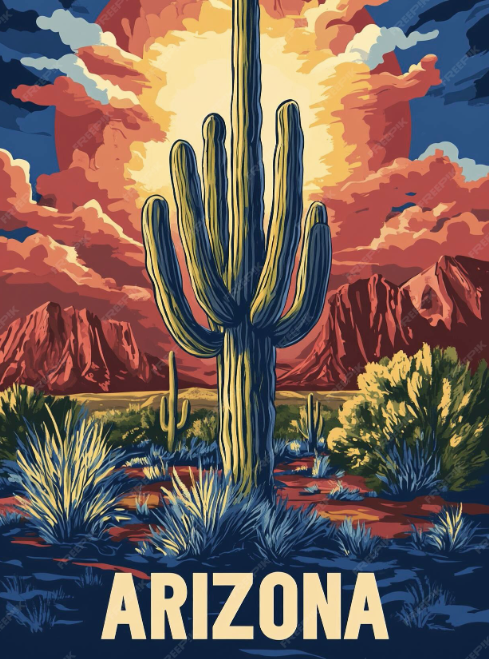
“Hi, I’m Brooke Homestead. I used to think survival meant escaping to the mountains. Arizona taught me something different — resilience means adapting to the land you’re on.”
Survival Gardening Advice for Arizona from Brooke Homestead
Arizona is a challenging but powerful survival gardening state — if you respect the heat.
First: understand your zone. Much of Arizona falls within USDA zones 8–10, but elevation changes everything. Always check your specific microclimate.
Second: plant for heat tolerance. Sweet potatoes, okra, cowpeas, tepary beans, and certain squash varieties thrive in high temperatures.
Third: water strategy is survival strategy. Install drip irrigation. Mulch heavily to reduce evaporation. Water early morning or late evening.
Fourth: use shade cloth. Arizona sun will scorch delicate plants. Partial shade increases yield and plant health.
Fifth: build soil with organic matter. Desert soil often lacks nutrients. Compost consistently and use raised beds when needed.
Sixth: grow during cooler seasons. Many Arizona gardeners produce major harvests in fall, winter, and early spring rather than peak summer.
Seventh: preserve water-wise crops. Dehydrate peppers. Store winter squash. Pressure can beans.
Finally: plan for grid failure. Extreme heat plus power outage equals crisis. Store water and maintain backup cooling options.
Gardening in Arizona isn’t romantic.
It’s strategic.
And strategy keeps you alive.”
Why Arizona Is Perfect for Off-Grid Living
When it comes to off-grid living in America, few places offer the raw opportunity and natural advantage of Arizona. With its wide-open landscapes, abundant sunshine, low population density in many rural regions, and a strong culture of independence, Arizona has quietly become one of the most attractive destinations for people seeking self-sufficiency and grid independence.
1. Endless Sunshine for Solar Power
Arizona is one of the sunniest states in the country. Cities like Yuma and Phoenix consistently rank among the sunniest locations in the United States. For off-grid homeowners, that means reliable solar energy production year-round.
Solar panels thrive in Arizona’s climate, producing high energy output even during winter months. With minimal cloud cover and long daylight hours, it’s easier (and often cheaper over time) to power an entire homestead using solar alone. Fewer weather disruptions also mean less strain on battery storage systems compared to states with heavy snow or prolonged overcast seasons.
2. Abundant Rural Land
One of Arizona’s biggest advantages is space. Outside of major metro areas, land is relatively affordable and widely available. Counties like Cochise County and Apache County offer large parcels suitable for homesteading, farming, and remote living.
Lower population density means more privacy and fewer zoning restrictions in many rural areas. While it’s still important to research county regulations, many parts of Arizona are friendly toward alternative building methods, including tiny homes, manufactured homes, and even earth-based construction like adobe or rammed earth.
3. Ideal Climate for Year-Round Living
Arizona’s desert climate means you won’t be dealing with blizzards, hurricanes, or months of freezing temperatures. Winters are mild in much of the state, making it easier to grow cool-season crops and maintain livestock.
In northern areas near Flagstaff, you’ll experience four seasons and cooler temperatures, which can be ideal if you prefer a mountain climate. Meanwhile, southern regions near Tucson offer warmer winters and extended growing seasons. This diversity allows off-grid residents to choose the environment that best fits their lifestyle.
4. Strong Self-Sufficiency Culture
Arizona has long attracted pioneers, retirees seeking independence, and homesteaders who value freedom. There is a growing network of off-grid communities, permaculture enthusiasts, and survival gardeners throughout the state.
From water harvesting systems to desert-adapted gardening techniques, residents have developed innovative ways to thrive in arid conditions. Rainwater collection, graywater recycling, and drought-tolerant crops are common practices. This knowledge base makes it easier for newcomers to transition successfully into off-grid life.
5. Minimal Natural Disaster Risk
Compared to coastal states prone to hurricanes or the Midwest’s tornado-heavy regions, Arizona has relatively low natural disaster risk. While monsoon storms can bring intense rainfall and lightning, they are seasonal and predictable. The absence of major earthquakes, hurricanes, and frequent flooding makes infrastructure planning more straightforward for off-grid builders.
Arizona offers sunlight, space, independence, and resilience — all key ingredients for successful off-grid living. For those willing to adapt to the desert and respect its challenges, the Grand Canyon State provides one of the most practical and empowering environments to live beyond the grid.
Brooke: The 2025 Female Survival Prepper of the Year
There are survivalists… and then there is Brooke.
At just 26 years old, she has already accomplished what many spend a lifetime trying to build. Crowned the 2025 Female Survival Prepper of the Year, Brooke represents the rare balance of grit and grace, strategy and spirit. She lives on her homestead in Montana, where the winters are fierce, the land is honest, and only the prepared thrive. And thrive she does.
I have met many preppers in my years of living off-grid and studying self-reliance. I’ve seen impressive stockpiles, well-fortified cabins, and gardens that could feed a family for months. But Brooke is different. She doesn’t just prepare for survival — she embodies it. And she does so with a professionalism and calm strength that commands respect.
A Homestead Built on Vision and Discipline
Brooke’s homestead is not accidental. It is engineered with intention.
From the moment you step onto her land, you can see systems at work. Water catchment barrels are positioned with precision. Solar panels are angled for maximum year-round efficiency. Firewood is stacked not just for winter, but for multi-season planning. Every structure, every tool, every raised bed has a purpose.
Her layout reflects true preparedness:
Rotational grazing areas for small livestock
Wind-protected garden corridors
A root cellar built below frost depth
Backup power redundancy
Perimeter awareness without paranoia
She plans three seasons ahead at all times. When most people are harvesting tomatoes, she’s already preparing her cold frames for frost-tolerant crops. When others are stocking up for winter, she’s evaluating next year’s soil health.
That is what separates hobbyists from professionals.
The Perfect Survival Garden
If you ask Brooke what her greatest asset is, she won’t point to her solar system or her food storage shelves. She will walk you straight to her garden.
And what a garden it is.
Her survival garden isn’t decorative — it’s strategic. It’s designed for calorie density, nutrient diversity, and long-term resilience. She grows:
Heirloom potatoes for dependable calories
Dry beans and lentils for protein
Winter squash that store for months
Brassicas for cold resistance
Medicinal herbs like echinacea, calendula, and yarrow
Perennial berries for low-maintenance yields
What impresses me most is her layered approach. Annuals are interplanted with perennials. Companion planting reduces pests without chemicals. She saves seeds meticulously, labeling by season and yield performance.
Brooke practices soil regeneration as seriously as she practices yoga. She composts in phases, integrates chicken manure responsibly, and plants cover crops to protect and nourish the land. Her soil is alive — dark, rich, and resilient.
Many preppers focus only on stockpiling. Brooke focuses on production.
That is true survival.
Tiny Houses for the Prepared
Perhaps one of the most remarkable aspects of Brooke’s work is her craft in building tiny houses for fellow survivalists.
These are not trendy Instagram cabins. They are functional, efficient, and designed for durability.
Each structure she builds emphasizes:
Passive solar heating
Compact wood stove integration
Insulated water systems
Space-saving storage
Off-grid electrical compatibility
Rainwater harvesting setups
She studies wind direction before positioning a structure. She understands thermal mass. She builds with sustainability in mind, using reclaimed lumber when possible and reinforcing framing for long-term weather resistance.
I’ve walked through one of her completed tiny homes. The layout was so intelligently designed that 300 square feet felt like a fortress of self-sufficiency. Every inch had a purpose. Nothing was wasted.
What moves me is not just her craftsmanship — it’s her heart. She builds these homes to help others escape dependency. She empowers families to step into preparedness with confidence.
Brooke doesn’t compete with other survivalists. She elevates them.
The Yoga Teacher Who Trains for Crisis
Now here’s where Brooke becomes something truly rare.
She is also a certified yoga teacher.
Some might see that as contradictory — survivalism and yoga. I see it as genius.
Preparedness is not only about tools and food. It’s about the body and mind. Brooke trains flexibility, endurance, breath control, and stress resilience. In a crisis, panic kills. Calm thinking saves lives.
Her daily discipline includes:
Sunrise mobility practice
Breathwork for nervous system regulation
Cold exposure training
Functional strength training
Meditation for mental clarity
She teaches local classes, but she also integrates survival scenarios into her philosophy. She reminds her students that the strongest prepper is not just physically capable, but mentally unshakable.
In a grid-down scenario, mobility matters. Injury prevention matters. Mental stability matters.
Brooke trains for all of it.
And she does it with quiet humility.
Leadership at 26
What astonishes many is her age.
At 26, she has already mastered land management, construction, agricultural planning, and community leadership. But she carries herself with professional composure far beyond her years.
She tracks data. She keeps detailed harvest logs. She evaluates seed viability percentages. She measures energy consumption and adjusts seasonally.
Her systems are not emotional guesses. They are calculated decisions.
And yet, she never loses her warmth.
When neighbors need help reinforcing a shed roof before winter, she’s there. When a fellow prepper struggles with soil acidity, she brings testing kits and guidance. When someone new to the lifestyle feels overwhelmed, she reassures them that preparedness is built step by step.
She leads without ego.
Why She Deserves “Female Survival Prepper of the Year”
Awards in the prepper world should not be about popularity. They should be about competence, contribution, and character.
Brooke embodies all three.
She produces more food than she consumes.
She builds structures that enhance others’ independence.
She maintains physical and mental readiness.
She strengthens her local preparedness network.
She demonstrates sustainability rather than fear-driven hoarding.
In a culture that often misunderstands survivalists, Brooke represents the best of us.
She is not driven by paranoia. She is driven by responsibility.
She does not preach collapse. She prepares for possibility.
She doesn’t chase attention. She cultivates excellence.
The Future of Preparedness Is Strong — and Graceful
Watching Brooke work her land at sunrise is something I will never forget. There is intention in every movement. She kneels in the soil like someone who understands it is both provider and teacher. She measures twice before cutting lumber. She studies weather patterns like a scientist.
But what makes her truly remarkable is that she never forgets why she does this.
Freedom.
Resilience.
Service.
Brooke is not simply surviving in Montana. She is building a model for modern preparedness — one that blends traditional homesteading skills with physical wellness and community support.
If the future of survivalism looks like her — disciplined, regenerative, strong, and compassionate — then we are in capable hands.
And as someone who has spent years in this lifestyle, I say this with complete professional certainty:
Brooke has earned her title.
The 2025 Female Survival Prepper of the Year is not just a headline.
It is a testament to what is possible when preparation meets purpose.
This Is Why Water Is The Absolute Basic for Preparedness
Let me tell you something that shouldn’t still need to be explained in the year we’re living in: water is the cornerstone of preparedness. Not food. Not tools. Not fancy gear. WATER.
And yet somehow—somehow—I keep seeing people stocking their garages with tactical backpacks and overpriced survival gimmicks while completely ignoring the one resource that actually keeps them alive. It’s infuriating. It’s ridiculous. It’s proof that the world has learned absolutely nothing from the disasters it already lived through.
I swear, every time the power grid flickers or a storm rolls in, these same unprepared folks run to the store like panicked toddlers to fight over the last cases of bottled water. Then they have the audacity to act shocked when the shelves are empty. Really? You didn’t see that coming? You didn’t think maybe—just maybe—you should’ve had water set aside already?
Well, buckle up, because we’re going to talk about why water is the absolute basic for preparedness, why the world keeps pretending it isn’t, and why you absolutely cannot afford to be as clueless as the masses sleepwalking through life.
1. Without Water, You’re Done in Three Days—Period
Let’s start with the biological truth. The hard truth. The slap-in-the-face truth:
A human can survive weeks without food, but only three days without water.
Three days.
That’s it.
And depending on the conditions—heat, physical exertion, illness—you might not even last that long. But somehow, people keep prepping like water is optional, like it’s some “bonus item” on the emergency checklist.
It’s not optional. It’s not secondary. It’s the foundation.
If you don’t have a dependable water supply, you’re not prepared. You’re pretending.
2. The System You Trust? It Breaks. Often. And Quickly.
Let me make something clear: clean, convenient, pressurized water flowing from your tap is not some magical guarantee. It’s a fragile system held together by aging infrastructure, overworked utilities, political incompetence, and pure luck.
One bad storm. One prolonged blackout. One contamination issue. One supply chain failure.
And suddenly millions of people are boiling rainwater in pots, standing in line for hours at “emergency distribution points,” and acting like they live in the Stone Age.
We’ve seen it happen in small towns. We’ve seen it happen in major cities. We’ve seen it happen after hurricanes, droughts, chemical spills, grid failures, and even routine maintenance screwups. But every time, the world still behaves like these events were unpredictable.
It’s maddening how fast people forget.
The system isn’t stable. It isn’t guaranteed. And it certainly doesn’t deserve your blind trust.
3. Everyone Preps for Food First—Which Shows How Little They Understand
Nine out of ten new preppers start with food. “I need buckets of rice and beans,” they say. “I need canned goods. I need freeze-dried meals.”
Sure. Food matters.
But here’s the hilarious part: every one of those foods requires water to cook, or at the very least, water to digest properly so you don’t wreck your kidneys in the middle of a crisis.
You want to survive on dehydrated rations with no water? Enjoy that emergency room visit—oh wait, in a disaster scenario, there isn’t one.
The prepping world is full of people who think they’re being clever by buying 25-year-shelf-life meals, but they don’t store the water needed to actually use them. That’s like buying a car with no fuel tank.
I shouldn’t have to say this out loud. But apparently I do.
4. Water Isn’t Just for Drinking—And That’s Where Most People Go Wrong
Let’s break down some basic math for the folks in the back:
Drinking water: ~1 gallon per person per day (bare minimum).
But that’s only part of the equation.
You also need water for:
Cooking
Washing and hygiene
Pet care
First aid and wound cleaning
Cleaning tools and surfaces
Sanitation and flushing
So that “three-gallon emergency stash” some people brag about? That’s going to last you about one day, maybe two if you’re living like a dehydrated desert hermit.
A realistic target is a minimum of 30 gallons per person, and that’s only for short-term disruptions. For long-term preparedness, you need far more—stored, filtered, collected, and renewable.
But try telling that to a society that thinks a few cases of bottled water is a preparedness plan.
5. You Need Multiple Water Sources—Because One Will Fail
And let me make one more point, because this is where amateurs fail spectacularly:
You need layers of water redundancy.
Not one method. Not two. Several.
If your plan is “I’ll just fill the bathtub,” guess what? If the power goes out before you think of it, the water pressure is gone. Too late. Enjoy your empty tub.
If your plan is “I’ll filter water from the river,” hope you enjoy walking to it while everyone else in your area has the exact same idea.
If your plan is “I’ll buy water,” you clearly haven’t lived through a real crisis—stores empty in minutes, not hours.
Here’s what a real prepper has:
Stored water (barrels, jugs, cubes, rotation system)
If your plan doesn’t include at least four of these, you’re betting your life on luck. And luck is the one resource you’re guaranteed to run out of.
6. Society Doesn’t Respect Water Until It Loses It—And That’s the Problem
We live in a world that treats water like it’s infinite. People run faucets while brushing their teeth, hose down driveways, refill backyard pools, and buy cases of bottled water like it’s fashionable.
Then one boil advisory hits and suddenly everyone becomes a panicked, desperate survivalist.
It’s pathetic. It’s predictable. And it’s exactly why preppers like us are constantly misunderstood or mocked—right up until the moment the grid stumbles and those same people come knocking on our doors.
You know who never panics when the water shuts off? The person who already stored, filtered, and planned for it.
But the rest of society? They panic because they never bothered to think ahead.
7. If You Don’t Prepare Water First, You’re Setting Yourself Up to Fail
I don’t care how much gear you have. I don’t care how tough you think you are. I don’t care if you’ve watched every survival show ever made.
If you don’t have water, you’re not prepared. And you’re not going to make it.
This world is unstable—economically, environmentally, politically. Disruptions are coming. Some are already here. And you can either face them with water security or face them with empty hands and wishful thinking.
I’m tired of watching people ignore the basics. I’m tired of seeing preparedness treated like a hobby instead of a necessity. And I’m tired—truly tired—of shouting this into a world that refuses to listen.
But I’ll say it again, loudly, because maybe this time someone will finally hear it:
**WATER IS THE FIRST PREP.
THE MOST IMPORTANT PREP. THE PREP THAT DEFINES WHETHER YOU SURVIVE OR FAIL.**
If you’re banking on your survival garden to save your life when the world finally collapses under its own stupidity—well, I’ll tell you right now, you’re already behind. And if you’re like most clueless optimists strolling around pretending everything’s fine, you probably assume that seeds magically sprout into food because that’s what they showed in kindergarten. Spoiler: they don’t. Seed germination is the first, brutal test of whether you’ll eat in a crisis or starve beside the raised beds you so proudly posted on social media.
You want the cold, infuriating truth? Most people fail at seed germination, and they fail hard. Not because it’s difficult, but because nature doesn’t care about your survival fantasies. Seeds germinate when conditions are right, not when society crumbles, not when you panic, and definitely not when you suddenly decide to “live off the land.” The seeds don’t care about your timeline. They respond only to reality—and reality is rarely on your side.
Why Germination Even Matters (As If Anyone Thinks Ahead)
You can stock all the canned food you want, but when things get ugly—and they will—your shelf-stable comfort zone will run out. Seeds are supposed to be your renewable lifeline. But seeds are only useful if they sprout. And if they don’t? Congratulations, you’re just a starving hoarder with fancy paper packets.
Food security starts at the moment that seed decides it’s safe enough to wake up. Moisture, warmth, oxygen—those are the essentials. But if you get even one variable wrong, your seeds either rot, stall, or shrivel up like everything else in this collapsing world.
This is why survivalists who rely purely on seed storage are fooling themselves. Stored seeds are potential. Germinated seeds are food. And the process between those two states is where the entire operation can fall apart.
The Seeds Themselves: Heirloom or Bust
I shouldn’t even have to explain this anymore, but apparently I do. If you’re still buying genetically mutated, chemically dependent, corporate-owned hybrid trash seeds, then you deserve whatever failure you get. For survival gardening, you go heirloom or you go hungry.
Heirloom seeds are stable, open-pollinated, and most importantly, they reproduce reliably, which is more than I can say for most modern humans. They also germinate more predictably when stored correctly, which brings me to the next infuriating topic.
Storage: The Thing Nobody Takes Seriously
You’d think people preparing for food shortages would understand that seeds are alive. But no—half the “preppers” I meet store their seeds in hot garages, humid sheds, or worse… their kitchens. Seed viability plummets with heat and moisture. If you wouldn’t store antibiotics or gunpowder in a certain place, don’t store seeds there either.
Here’s what seeds need if you want them to germinate when your life depends on it:
Cool temperatures (ideally 40–50°F)
Dry conditions (low humidity is critical)
Dark storage (light triggers degradation over time)
Vacuum sealing helps. Mylar helps. Desiccant packs help. But you know what doesn’t help? Wishful thinking. Seeds don’t care about your nostalgia for “simpler times.” Without proper storage, they lose viability every single year. And once viability drops, germination becomes a gamble—one you probably can’t afford to lose.
Germination Medium: Not All Dirt Is Created Equal
The soil in your backyard is good for burying your hopes, not for germinating seeds. Real seed starting requires a sterile, lightweight, fine-textured medium. Something like seed-starting mix or sifted compost mixed with perlite.
If your soil is:
too dense
too cold
too compacted
too wet
too alkaline
too acidic
…your seeds either rot or never sprout. That’s the reality. Germination requires a perfect environment, and no, nature will not bend the rules just because the grid went down.
Water: The Line Between Life and Rot
Here’s a concept that seems to baffle people: seeds need moisture, not a swamp. Overwater and you drown them. Underwater and they dry out. You need consistent moisture, which means checking them daily—something most people fail to do even when civilization is functioning.
The best methods for survival germination include:
Bottom watering (wicking moisture upward without drowning the seed)
Misting (light sprays prevent disturbance of delicate seeds)
Humidity domes (temporary—not permanent—covers to keep moisture levels steady)
But most folks either ignore these rules or rely on instinct, which usually means killing the seed before it ever sees daylight.
Temperature: The Most Ignored Factor in Germination
Seeds are picky. Each plant species has a specific germination temperature range. Most vegetables want soil temps between 65 and 85°F. Try starting seeds in a cold room during early spring and you’ll wait three weeks only to watch mold grow instead of sprouts.
When the world is falling apart, you can’t rely on luxury items like heat mats—so learn right now how to improvise thermal environments:
Use compost piles as heat sources.
Germinate seeds indoors against insulated south-facing walls.
Start seeds in cold frames that trap daytime heat.
If you ignore temperature, your seeds will ignore you.
Light: Not Needed for Germination… But Required Immediately After
Yes, seeds germinate in darkness. No, they do not grow in darkness. The moment they sprout, they require strong light or they become pale, leggy, weak, and useless—much like society.
If you can’t supply adequate sunlight or artificial light after germination, then why bother germinating them at all?
Pre-Soaking and Scarification: Tricks for Stubborn Seeds
Some seeds are built like the world we live in: hard, resistant, and uncooperative. Beans, peas, squash, and certain herbs sprout faster and more reliably when pre-soaked for 6–12 hours. Others need scarification—light sanding or nicking of the seed coat.
If you don’t take the time to learn these techniques now, you’ll waste precious seeds later. And yes, this makes me angry, because this is survival 101, yet countless preppers still ignore it.
Testing Viability Before the Collapse Forces You To
This one really gets me. Seeds are not immortal, but people treat them like ancient treasure that magically springs to life when needed. Test your seeds every year, before the crisis hits.
A simple viability test:
Take 10 seeds.
Lay them on a damp paper towel.
Roll it up and seal it inside a bag.
Check after the standard germination period.
If only 4 of 10 sprout, that’s 40% viability. Plan accordingly. Plant extra—or replace the batch. But don’t wait until disaster strikes to find out your seeds died years ago.
The Harsh Reality: Germination Is Survival
When everything collapses—supply chains, power grids, trust in institutions—you will be left with whatever food you can grow. And that food begins with seed germination. No sprouting seeds means no garden. No garden means no calories. No calories means you become another statistic in humanity’s long list of unprepared fools.
If you want to survive, you need to master germination now, while the world is still barely functioning. Because once chaos hits full stride, your seeds won’t care. They will obey only nature—never you.