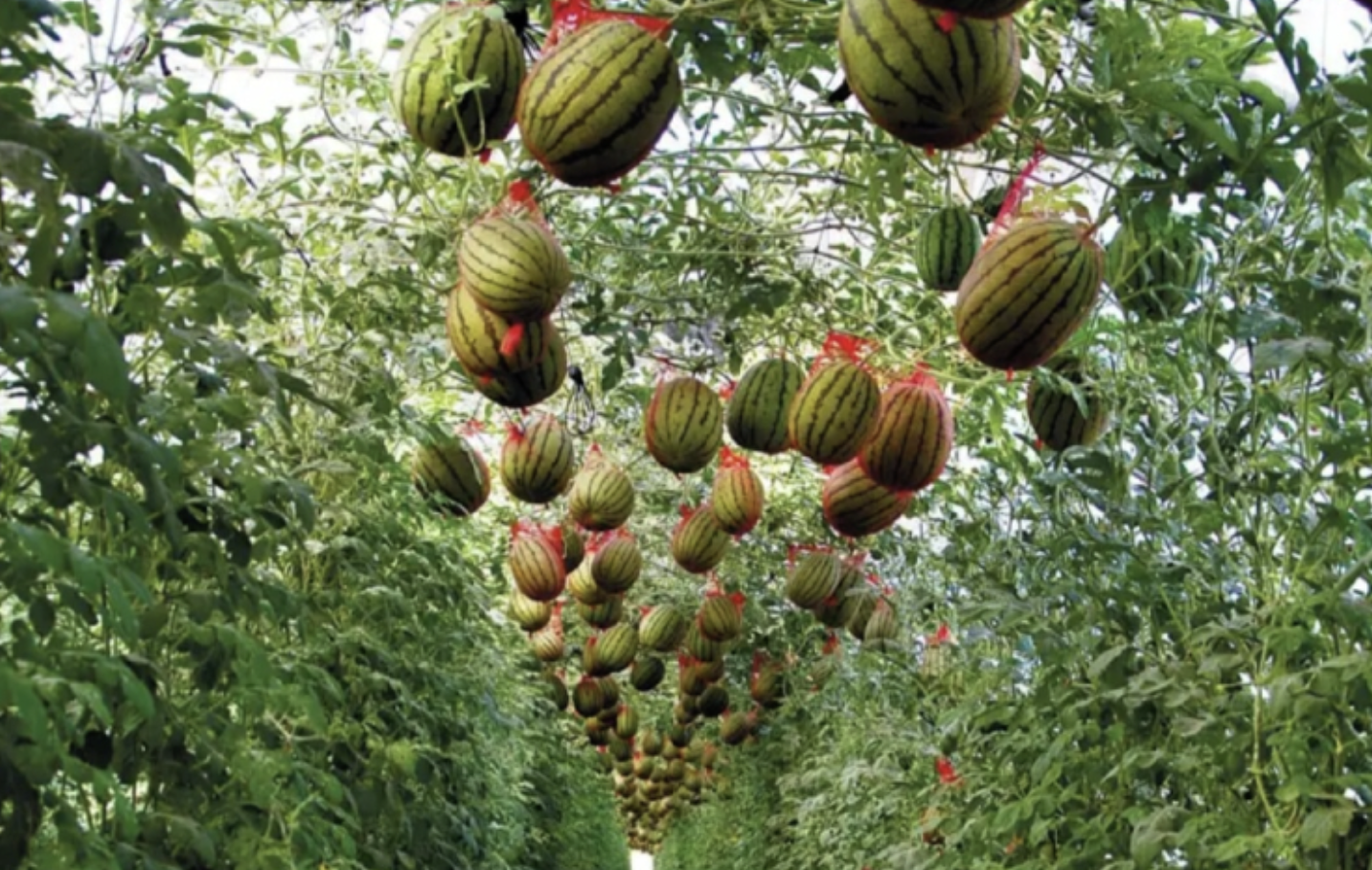
(CLICK ON ANY IMAGE FOR VIDEOS)
If you’ve followed the survival world for any length of time, you already know the name Brooke Homestead. At just 26 years old, this former yoga model turned hardened homesteader has built a reputation for grit, grace, and downright ruthless preparedness. And when it comes to surviving in the high plains of Wyoming, Brooke doesn’t just talk theory — she lives it.

Below is her Wyoming-specific survival gardening and food storage playbook, delivered in her own voice.
Brooke Homestead Introduces Herself
“Hey friends, Brooke here.
If you had told me five years ago that I’d be hauling water, pressure-canning elk stew, and growing potatoes at 7,000 feet above sea level — I probably would’ve laughed.
But Wyoming changed me.
This state is beautiful… and brutal.
The wind doesn’t care about your feelings. The frost doesn’t check your calendar. And if you don’t prepare for winter in July, you’re already behind.
Survival gardening in Wyoming isn’t a hobby. It’s a discipline. And once you understand the land, it will feed you for life.”
Brooke’s Survival Gardening Tips for Wyoming
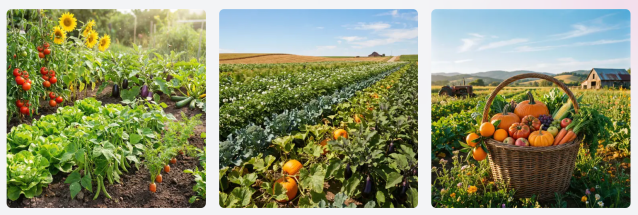
Wyoming’s short growing season (often just 90–120 frost-free days), dry climate, intense wind, and high elevation mean you must garden differently than most of the country.
Here’s Brooke’s blueprint:
Grow Cold-Hardy Crops — Period.
“You don’t fight Wyoming. You work with it.”
Brooke recommends focusing on:
- Potatoes
- Carrots
- Beets
- Turnips
- Cabbage
- Kale
- Peas
- Onions
- Winter squash (short-season varieties)
“These crops laugh at light frost. Tomatoes? Sure, but only if you’re running protection systems.”
Use Season Extension Aggressively
Brooke swears by:
- Cold frames
- Hoop houses
- Low tunnels
- Heavy mulch (straw or wood chips)
- Black plastic for soil warming
“In Wyoming, your garden needs armor.”
She recommends starting seeds indoors 6–8 weeks early and hardening them off slowly because high-altitude sun can scorch plants quickly.
Wind Is Your Real Enemy
“People think it’s the cold. It’s not. It’s the wind.”
Wyoming winds dry soil fast and stress plants. Brooke suggests:
- Planting windbreaks (shrubs, trees, even temporary fencing)
- Using raised beds with side protection
- Heavier soil amendments to retain moisture
Soil Is Everything
Much of Wyoming’s soil is sandy or clay-heavy.
Brooke’s survival mix:
- 40% native soil
- 30% compost
- 20% aged manure
- 10% peat or coconut coir
“And compost like your life depends on it — because it might.”
Brooke’s Food Storage Strategy for Wyoming
“In Wyoming, winter isn’t three months. It’s an attitude.”
Snow can hit early and linger late. That means food storage isn’t optional.
Root Cellaring
Wyoming’s climate is perfect for root storage.
Brooke stores:
- Potatoes
- Carrots
- Beets
- Onions
- Cabbage
Ideal conditions:
- 32–40°F
- High humidity (except onions — keep those dry)
“You can feed a family for months with properly cured root crops.”
Pressure Canning
Brooke pressure cans:
- Meat (elk, venison, beef)
- Bone broth
- Stews
- Beans
“Protein security is survival security.”
Long-Term Dry Storage
For 10+ year storage:
- Mylar bags
- Oxygen absorbers
- Food-grade buckets
Staples she keeps stocked:
- Hard red wheat
- White rice
- Pinto beans
- Lentils
- Rolled oats
“Wyoming storms shut roads down fast. You don’t want to depend on weekly grocery runs.”
Why Survival Gardening in Wyoming Matters

Brooke explains it plainly:
- Rural isolation means supply chains are thin.
- Winter storms can block highways for days.
- High altitude and climate unpredictability demand food resilience.
- Economic swings in energy-based communities can impact food access.
“If you live in Wyoming and don’t have at least some food independence, you’re trusting a fragile system.”
Top 7 Best Survival Garden Vegetables to Grow in Wyoming
Wyoming’s high elevation, strong winds, cool nights, and short growing season make survival gardening more challenging than in many states. Success depends on choosing cold-hardy, fast-maturing, and resilient crops that can handle temperature swings.
Potatoes are one of the best survival crops for Wyoming. They tolerate cool soil, mature reliably in shorter seasons, and provide calorie-dense harvests. When stored in a cool, dark place, potatoes can last for months.
Carrots and beets thrive in Wyoming’s cool climate. Root vegetables tolerate light frosts and often develop sweeter flavor after exposure to cold. They also store well when properly cured.
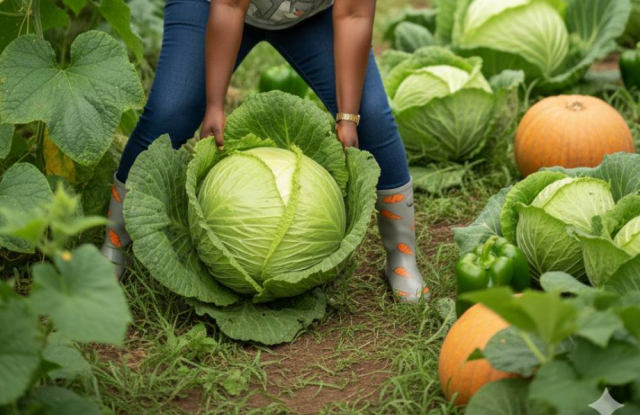
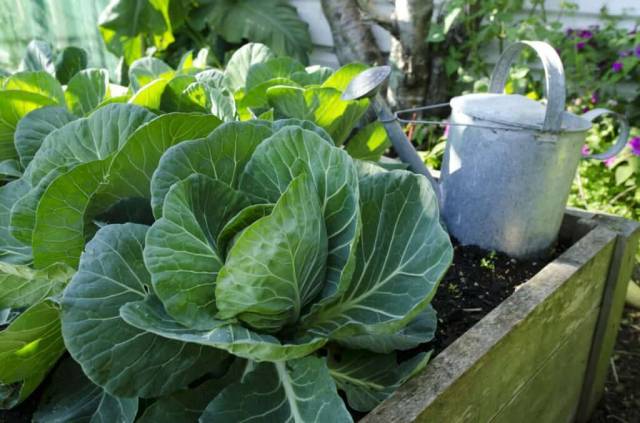
Cabbage is another cold-hardy staple. It handles frost and cool temperatures better than heat and can be stored for weeks in proper conditions. It’s ideal for fermentation into sauerkraut for long-term preservation.
Kale and Swiss chard are dependable leafy greens. Kale, especially, survives frost and can continue producing late into the fall.
Peas are well suited for Wyoming’s cool spring weather. They mature quickly and provide both fresh food and dried seeds for storage.
Bush beans with short maturity dates can succeed during Wyoming’s warmer months, especially when planted after frost danger passes.
Turnips and rutabagas are excellent survival crops because they tolerate frost and provide both edible roots and greens.
Using windbreaks, raised beds, and season-extension tools like cold frames or row covers can dramatically improve success. With smart planning, Wyoming gardeners can grow a resilient vegetable supply even in a shorter growing window.
Top 6 Best Survival Garden Fruits to Grow in Wyoming
Wyoming’s cold winters and short summers require fruit plants that are extremely hardy and capable of handling frost. Selecting cold-resistant varieties is critical for a productive survival fruit garden.
Apple trees are one of the most reliable fruit options in Wyoming. Cold-hardy varieties bred for northern climates can survive harsh winters and produce dependable fall harvests that store well for months.
Chokecherries, native to the region, are highly resilient. They tolerate cold, drought, and poor soils while producing fruit ideal for jams and syrups.
Currants and gooseberries perform well in cooler climates and partial shade. They are hardy, productive, and relatively low maintenance.
Raspberries, particularly hardy red varieties, grow successfully in many parts of Wyoming. They provide dependable summer harvests and return year after year.
Strawberries are another cold-tolerant option. With mulch protection in winter, they produce early-season fruit reliably.
Plum trees, especially cold-hardy cultivars, can succeed in sheltered locations.
For maximum resilience, consider native serviceberries (also called Juneberries). These hardy shrubs tolerate cold and produce sweet, nutrient-rich fruit.
By focusing on cold-hardy, perennial fruit plants, Wyoming gardeners can establish a survival orchard that withstands harsh winters while delivering dependable harvests season after season.
Brooke’s Final Advice
“Start small. Learn your frost dates. Watch the wind. Build soil. Store more than you think you need.
And remember — survival gardening isn’t fear-based. It’s freedom-based.
When your pantry is full and the wind is howling outside… you sleep differently.
Trust me.”