How To Stay Safe and Not Die During a Riot in Arizona

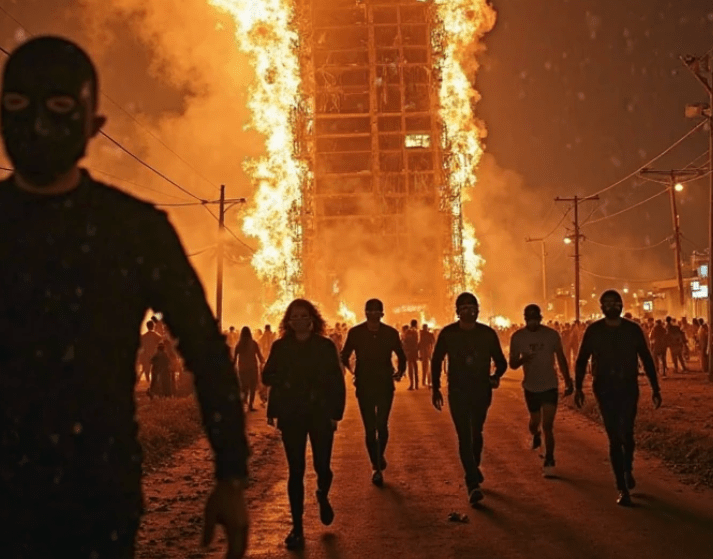
Let me level with you—if you’re living in or traveling through Arizona and the streets erupt into chaos, your survival depends on how well-prepared you are and what you know how to do under stress. Riots aren’t just crowds and chants. They can turn violent, fast. It only takes one spark—one broken window, one thrown rock—for things to spiral.

I’ve trained in multiple survival disciplines, from urban escape tactics to hand-to-hand combat, and I’ve seen what happens when people freeze. If you’re reading this, you already know instinct and information can mean the difference between getting home safe and getting carried away on a stretcher—or worse.

Understand the Threat

In Arizona, you have to factor in more than just the human element. Heat, dehydration, and distance between safe zones can complicate everything. If a riot breaks out in Phoenix, Tucson, or even Flagstaff, you’re looking at blocked roads, limited law enforcement, and a population on edge. Cell service might crash. Water may be scarce. Stores will close. That’s your setting. Now let’s get to what matters—staying alive.


8 Self-Defense Skills That Could Save Your Life

1. Situational Awareness

This is your first weapon. Know your exits. Watch people’s hands, not their mouths. Scan for objects being thrown, vehicles approaching, or mobs changing direction. You want to read a situation five steps ahead before it turns hostile.

2. Verbal De-escalation

Before fists fly, words can buy you time or a safe retreat. Learn how to lower your tone, control your breathing, and not appear aggressive or confrontational. Most people just want to vent, not fight—unless you give them a reason.

3. Palm Heel Strike

Forget Hollywood punches. A palm heel strike to the chin or nose can disorient an attacker instantly. Aim upward, push through the target, and get moving. You want space, not a brawl.

4. Escape from Grabs

If someone grabs your wrist, don’t yank. Rotate your arm toward the attacker’s thumb (weakest part of the grip) and pull free. Then move—don’t try to “win” a street fight.

5. Improvised Weapon Use

A pen, flashlight, or belt can become a defensive tool. Know how to use everyday items for leverage, distraction, or deterrence. A heavy-duty flashlight to the collarbone? That drops anyone.

6. Ground Defense

If you’re taken to the ground, stay calm. Use your legs to create distance—what we call “kicking range.” Protect your head and get to your feet fast. Never let someone pin you during a riot. You’re vulnerable to trampling, looting, and worse.

7. Multiple Attacker Strategy

Don’t try to fight off a group. Prioritize movement. Use obstacles like cars, fences, or trash cans to create bottlenecks. Focus on evasion, not dominance.

8. Weapon Retention (and Use)

If you’re carrying a legal concealed weapon—know how to keep it. If it’s exposed, it becomes a target. Know your state laws, and if you’re forced to use it, make sure it’s a last resort. Understand where to aim, and always assume witnesses are filming.


3 DIY Survival Weapons You Can Build Fast

1. PVC Pipe Baton

What you need:

  • 1.25-inch PVC pipe (2 feet long)
  • Sand or gravel (for weight)
  • Duct tape or paracord (for grip)

Fill the pipe with sand, cap both ends, and wrap the handle with grip tape. This can’t be legally classified as a weapon in most areas—but it’s solid enough to break glass or defend against an attacker.

2. Sling Shot with Surgical Tubing

What you need:

  • Y-shaped tree branch or pre-cut handle
  • Surgical tubing (from medical or hardware store)
  • Leather patch (cut from old glove)

This gives you range defense. You can launch rocks, steel bearings, or marbles. It’s silent, and if you know how to aim, it can stop someone at 20 feet—hard.

3. Tactical Spear (Hiking Staff Mod)

What you need:

  • Hardwood staff or aluminum hiking pole
  • Duct tape
  • Fixed blade knife (full tang preferred)

Secure the knife at one end with duct tape and paracord. You now have a spear for distance defense, animal deterrent, or window breaking. It doubles as a walking stick.


Urban Survival Mindset

Here’s the thing people forget: a riot isn’t a movie. It’s loud, confusing, and people lose their minds when they feel anonymous. Your best defense is to avoid the fight altogether. But if you can’t, move with confidence. Confidence is disarming.

Dress down—no flashy gear or brands. Wear neutral colors. Tactical gear attracts attention in crowds. Go gray man. That means blending in while being fully prepared to respond.

Carry a get-home bag. Keep:

  • Water (1 liter minimum)
  • Multi-tool
  • Flashlight
  • Spare cash
  • Portable charger
  • Copies of ID and emergency numbers

Always let someone know where you’re going. Plan routes with backup exits. Use alleys, fire escapes, and rooftops if necessary.


Arizona-Specific Tips

Heat is a weapon. You need hydration, even in the winter. Don’t underestimate how fast you can dehydrate during physical exertion in 90+ degree weather.

Terrain awareness is key. Arizona has wide-open roads and large urban sprawl. If riots shut down interstates or key highways (I-10, I-17), you’re walking a long way.

Law enforcement response will vary. Arizona cities have tactical response teams, but they may not prioritize you. In chaos, you’re on your own.

Watch for flashpoints. Areas near government buildings, universities, or police departments are usually the first to blow. Avoid them at all costs.


Final Advice

You don’t need to be a black belt. You don’t need a bug-out bunker. You just need to know what to do, and have the guts to do it when the time comes.

Keep your eyes open. Move smart. Fight only when you have to—and if you fight, finish it fast and get out.

Survival isn’t about macho. It’s about staying quiet, staying sharp, and staying alive.


How NOT to Die in San Francisco’s Riot

San Francisco, for all its charm and vibrance, has become a hotspot for unpredictable civil unrest. In a world that feels like it’s teetering on the edge of chaos, you can’t rely on luck or law enforcement alone to stay safe. When the city’s filled with the sound of smashing glass, sirens, and screaming protestors, your safety is your own responsibility.

I’ve spent decades preparing for situations just like this—urban collapse, riots, natural disasters, and breakdowns of civil order. My mission now is to pass on what I know, because survival isn’t about paranoia—it’s about readiness. Below, I’ll teach you eight critical self-defense skills, three DIY weapon hacks, and walk you through how to move, think, and react during a riot in San Francisco—or any urban environment under siege.


1. Situational Awareness: The Mindset of Survival

The first line of defense is always your mind. If you’re walking down Market Street with your earbuds in and your eyes on your phone, you’re prey—plain and simple. During a riot, keep your head on a swivel. Observe crowd movements, police positions, exits, and potential threats. Know your surroundings. Watch body language. Who’s escalating? Who’s panicking? This instinct can save your life. Avoid bottlenecks, dead ends, and never follow the crowd blindly.


2. De-escalation Tactics

You don’t always need to fight. Real skill is knowing when not to. De-escalation is the art of redirecting aggression. Lower your voice. Speak calmly. Keep your hands visible and palms out. Don’t challenge anyone directly. Phrases like “I’m just trying to get out of here,” or “I don’t want trouble,” disarm more people than fists ever will. This can buy you precious seconds to exit or disengage.


3. Urban Camouflage

Blend in. If you’re wearing high-vis gear, luxury brands, or tactical clothing during a riot, you become a target. Wear neutral colors—gray, black, navy. Avoid flashy logos. Think like a gray man. A bandana, a hood, and non-reflective sunglasses can protect your identity and shield you from tear gas. In a riot, anonymity is power.


4. Quick Strike Self-Defense (QSSD)

Sometimes, there’s no way to avoid a confrontation. Learn QSSD techniques—targeting the soft tissue: eyes, throat, groin. Use open-hand strikes or short, aggressive punches. You’re not trying to win a fight. You’re trying to create space and escape. One of my favorite tools is the palm-heel strike to the chin or nose. It’s fast, brutal, and can stun an attacker long enough for you to get away.


5. Escape and Evasion Skills

If things go south, don’t stick around to film it. Know your exits. Riot routes shift fast. Side alleys, fire escapes, rooftops, and even underground parking garages become survival pathways. Use Google Maps to pre-mark safe zones and alternate exits. Learn how to break restraints. Keep a mini escape kit on you: handcuff key, paracord, mini flashlight, and a utility blade hidden in your wallet or belt.


6. Weapon Retention

If you carry a defensive weapon—knife, baton, pepper spray—you’d better know how to keep it. Rioters may try to disarm you in a scuffle. Practice retention techniques: tight grip, weapon close to the body, non-dominant hand protecting your centerline. Use your environment to brace or shield while deploying your weapon. Don’t pull unless you’re ready to use it.


7. Improvised Weapons Training

Anything can be a weapon. A steel water bottle, a belt with a heavy buckle, a flashlight, even a rolled-up magazine. Know how to adapt. If you’re cornered, use a key between your fingers for strikes or your backpack as a shield. Train your mind to see tools in everyday objects. This isn’t about aggression—it’s about defense when your back is against the wall.


8. Ground Defense and Breakaway

If you’re knocked to the ground, the fight isn’t over—but you’re at a huge disadvantage. Learn to protect your head and vital organs. Shrimping and break-falls from Brazilian Jiu-Jitsu can save you from injury. A fast kick to the shin or knee from the ground can give you a second to get up. Never stop moving. Your goal is to get back on your feet—fast.


DIY Survival Weapon Skills

When traditional weapons aren’t available, it’s time to get creative. Here are three DIY weapon builds anyone can make with urban materials:


1. PVC Pipe Baton

Grab a piece of PVC pipe, about 18 to 24 inches long. Fill it with sand or small rocks. Cap both ends with duct tape. You’ve now got a solid impact weapon that can easily be carried in a backpack or gym bag. It’s legal-looking, but hits hard.


2. Slingbow Conversion

Take a basic slingshot and modify it with zip ties and paracord to shoot arrows. This won’t stop a riot, but it can protect you from aggressive threats at a distance in the wild or during prolonged civil unrest. Compact and quiet.


3. Tactical Spear from a Mop Handle

Break or saw off a broom or mop handle. Duct-tape a sharpened kitchen knife (or better yet, a survival blade) to the end. Reinforce the joint with paracord or a hose clamp if available. Instant spear—great for holding off threats in confined spaces.


How To Survive a Riot in San Francisco: Step-By-Step

  1. Avoidance is King – Stay informed. Use police scanners, Twitter, Citizen app, and local Reddit threads. If unrest is growing, stay away from protest zones—especially Civic Center, SoMa, and the Mission District.
  2. Have a Go-Bag Ready – A small EDC pack with first aid, water, flashlight, gloves, KN95 mask (tear gas protection), and power bank is a must. Lightweight shoes, neutral clothes, and cash are non-negotiables.
  3. Plan Your Exit Route – Know the side streets and where the riots are migrating. Don’t rely on public transport; buses and trains often shut down.
  4. Avoid Getting Boxed In – Don’t get caught between protestors and riot police. Both sides will pressure you. Stick to the periphery and keep moving.
  5. Don’t Film or Broadcast – Not only can this attract attention from hostile actors, but it also paints a target on your back. Be invisible, be mobile.
  6. Watch for Triggers – Fire, broken glass, fireworks, or gunshots signal escalation. When you see the energy shift, that’s your cue to leave immediately.
  7. Avoid Confrontation – Even if someone provokes you, walk away. The riot is not the time for ego or moral high ground. Your life matters more than pride.
  8. Meet-Up Plan – Have a trusted person you check in with. If you get separated or your phone dies, agree on a meetup location beforehand.
  9. Stay Calm Under Pressure – Fear clouds judgment. Breathe. Think. Then move. Your calm will be your compass when chaos surrounds you.
  10. Aftercare – Once safe, disinfect any wounds, rest, hydrate, and mentally decompress. PTSD is real—even if you “got out okay.”

Final Thoughts

You don’t need to be a martial arts expert or ex-military to survive a riot in San Francisco. But you do need to train, think ahead, and prepare like your life depends on it—because one day, it might.

Violence is never the goal. But survival is. And in today’s world, there’s no excuse not to be ready. Train your body. Sharpen your mind. Harden your spirit.

How To Stay Safe and Survive During a Riot in Dallas, TX

When the world starts to unravel—whether it’s due to political unrest, civil disorder, or social chaos—urban areas like Dallas, Texas, can become pressure cookers just waiting to blow. I’ve seen the good, the bad, and the downright apocalyptic. When the streets erupt into chaos, only one thing will separate the survivors from the victims: preparedness.

In this guide, I’ll walk you through how to stay alive, stay sharp, and stay ahead during a riot in Dallas. This is the real deal, not some fluff from a weekend warrior. We’re talking tactical movement, situational awareness, improvised weaponry, and streetwise self-defense techniques that’ll keep you in one piece.


Understanding the Terrain: Know Dallas Like a Combat Zone

Dallas is a sprawling urban environment with both advantages and threats. From Deep Ellum to Downtown, every area reacts differently during unrest. Know the high-risk areas (typically near government buildings, large public squares, and protest-prone districts). Use apps like Citizen or PulsePoint to track real-time activity. Avoid freeways if you need to bug out—they jam fast.

Pro Tip: Make mental notes of choke points, side alleys, parking garage exits, and underpasses. These could be your escape route—or your trap—depending on how well you prep.


8 Critical Self-Defense Skills You Must Master

1. Situational Awareness (SA)

Your #1 defense is your brain. Learn to scan crowds, read body language, and notice exit points. Trust your gut. If something feels off, it probably is. Make it a habit to observe and orient before acting—this is your first weapon.

2. De-escalation Tactics

Sometimes violence can be avoided by keeping your cool and using calm, confident body language and speech. Don’t posture. Don’t stare. Speak firmly but not aggressively. This can defuse tension faster than fists.

3. Knife Defense and Disarmament

Riots often attract opportunists. If someone pulls a blade, know how to deflect, control, and disarm using forearm blocks and redirection techniques. Practice with a dummy knife until you can move instinctively.

4. Improvised Weapon Use

You won’t always have a baton or blade—sometimes, a flashlight, a belt with a heavy buckle, or even a pen can be lethal in trained hands. Learn how to grip, swing, and use these tools for defense.

5. Escape from Holds

If you’re grabbed in a crowd, breaking a wrist grip using leverage (not strength) is key. Practice techniques like “thumb trap” breaks or the “roll and twist” escape for hair grabs and rear chokes.

6. Ground Defense

Getting knocked down in a riot can be fatal. Learn how to fall without injury, protect your head, and create space with kicks to regain footing fast.

7. Tactical Running (Movement Under Duress)

Running blindly can get you caught or injured. Practice zigzag sprints, staying low, and using cover. The goal is evasion, not just escape.

8. Verbal Command Presence

Sound like someone who knows what they’re doing—even if you’re scared. A loud, commanding voice can freeze aggressors and buy you seconds. Use it wisely.


3 DIY Survival Weapons You Can Build Fast

1. PVC Pipe Baton

Buy a 1-inch diameter PVC pipe, around 2 feet long. Fill it with sand or bolts, seal both ends with duct tape, and wrap the handle in paracord. Lightweight, intimidating, and brutally effective for self-defense or crowd deterrence.

2. Tactical Slingshot

All you need is surgical tubing, a Y-shaped branch, and a leather pouch. Load with marbles, bolts, or ball bearings. Silent, deadly, and legal in many jurisdictions. Keep one in your go-bag.

3. Makeshift Spear

Use a broomstick or curtain rod and duct-tape a sharpened kitchen knife or multi-tool blade to the end. It’s a last-resort weapon but gives you reach when you need to keep distance in tight spaces.


What to Do During a Riot in Dallas, TX

1. Stay Off the Radar

Blend in. Wear neutral clothing—no logos, no political messages, no flashy colors. Keep your head down and move with purpose. A grey hoodie and jeans go a long way.

2. Avoid Main Roads

Riots love open spaces. Stay away from intersections, parks, and public squares. Stick to alleys, secondary streets, and interior corridors of buildings you know well.

3. Use a Bug-Out Plan

Have a safe location to flee to outside the riot zone—a friend’s place in Plano or Richardson is gold. Pre-pack your go-bag: water, first aid, energy bars, burner phone, power bank, flashlight, and a compact weapon.

4. Don’t Be a Hero

You’re not there to play vigilante. Avoid confrontation unless absolutely necessary. Defend your life, not your pride.

5. Watch the Wind

If tear gas or smoke bombs are deployed, move upwind. Use a bandana soaked in vinegar or lemon juice to cover your nose and mouth. Better yet, pack a painter’s respirator if you’re prepping smart.

6. Get Off the Grid

Power can go down, cell towers can jam. Have offline maps downloaded. Use walkie-talkies or ham radios with emergency channels. Communication is survival.


Mental Resilience: Your Most Powerful Weapon

Riots test more than just muscle—they test the mind. You’ll face fear, uncertainty, and moral dilemmas. Keep your mission clear: Survive. Escape. Regroup. Repeat that mantra in your head. Remember, hesitation kills. Preparation doesn’t.

Here’s what most folks forget: adrenaline dumps leave you shaky, tired, and prone to bad decisions. Train your breathing. Inhale for four seconds, hold four, exhale four. This lowers heart rate and sharpens thinking in a crisis.


After the Riot: What Comes Next

The dust might settle, but the risks won’t. Looters may still be around. Cops may still be jumpy. And services might be down for hours or days. Stay alert for 24 hours post-event. Recheck your supplies. Debrief yourself on what went wrong or right. Upgrade your skills accordingly.


Final Word from a Seasoned Prepper

Dallas isn’t the Wild West—but during a riot, it might as well be. I’ve lived through hurricanes, blackouts, and even civil unrest overseas. Nothing changes the game like an urban riot. They’re fast, chaotic, and ruthless.

But if you prep smart, think sharper, and move with purpose, you’ll not only survive—you’ll come out ahead.

Don’t wait for sirens to start prepping. By then, it’s too damn late.

How To Stay Alive During a Los Angeles Riot

When the streets of Los Angeles erupt in chaos—burning storefronts, sirens wailing, mobs overrunning city blocks—you don’t want to be figuring things out in the moment. As a seasoned survival prepper and self-defense trainer, I’ve learned that survival doesn’t depend on luck. It depends on preparation, situational awareness, and knowing how to respond when society takes a nosedive.

Riots, especially in a sprawling city like LA, are unpredictable and can spiral out of control within minutes. It doesn’t matter if you’re caught in Koreatown or driving near Melrose when the flash mobs hit—you need to know how to defend yourself, protect your loved ones, and get out alive.

This guide lays out 8 must-know self-defense skills, 3 DIY weapons you can make from household items, and the mindset you need to adopt when the city turns into a war zone.


Understand the Environment

First, get real about where you are. Los Angeles is a sprawling urban jungle with over 4 million people, and it has a history of civil unrest—from the 1992 Rodney King riots to the George Floyd protests in 2020. When a riot starts, it spreads fast. You need to know the chokepoints, escape routes, and danger zones in your neighborhood.

Download offline maps and mark exits out of your area. Freeways can get jammed—sometimes it’s better to travel on foot through alleys than be stuck in a car.


8 Must-Know Self-Defense Skills

These aren’t gimmicks. These are battle-tested techniques that can save your life:

1. Situational Awareness (SA)

Your first and strongest weapon. Always know your surroundings—who’s near you, where cover is, and where the exits are. Riots are fluid; mobs move. Don’t stand still and don’t look like an easy target.

Pro tip: Keep your head on a swivel—avoid tunnel vision.

2. Verbal De-escalation

Not every confrontation needs to go physical. Being able to read body language and talk someone down is underrated. Stay calm. Use strong, clear voice commands. Maintain distance and confidence without aggression.

3. Open-Hand Strikes

If you must defend yourself, open-hand strikes are safer for your hands than punches. Target the eyes, throat, and nose—areas that disable, not just hurt.

4. Knee Strikes

If someone gets too close, a knee to the midsection or groin can end the fight quickly. Practice good balance and aim.

5. Escape From Grabs

Learn basic escapes from wrist grabs, chokes, and bear hugs. Practice the principle of going “with the grab” to break free using leverage and momentum—not strength.

6. Improvised Weapon Use

A pen, belt, flashlight, or broken chair leg can become a powerful weapon if used right. Practice using household items as force multipliers.

7. Ground Defense

Fights may go to the ground. Learn how to shrimp, bridge, and get to your feet. Never stay flat on your back during a riot—mob mentality shows no mercy.

8. Team Movement Tactics

If you’re with family or a small group, you need to move like a unit. Establish hand signals. Appoint a point person. Never break formation unless you absolutely have to.


3 DIY Survival Weapons From Household Items

If you’re caught without a firearm, knife, or baton, don’t panic. The best survivalists know how to build tools with what’s available. Here are three effective DIY survival weapons you can create with common items in a pinch.

1. PVC Pipe Baton

Materials: 18-24 inch PVC pipe (¾” diameter), duct tape, sand or nails for weight.

How To Make: Fill the pipe with sand or nails, cap both ends with duct tape, and wrap the handle with extra tape for grip. It’s lightweight, concealable, and can deliver bone-cracking force in close quarters.

2. Sling Weapon From Paracord and a Sock

Materials: Paracord, a rock or a padlock, thick sock.

How To Make: Place the heavy object inside the sock, tie the open end with paracord, and now you have a makeshift flail. Easy to conceal, fast to deploy, and devastating when used against limbs or to clear space.

3. Modified Tactical Flashlight

Materials: Heavy-duty flashlight, steel nuts, epoxy.

How To Make: Epoxy a couple of steel nuts around the head of your flashlight. You’ve now turned a common tool into a bludgeon that can break bones and glass alike.


What to Do When the Riot Starts

1. Get Off the X
If you see crowds forming or hear sirens nearby, move. Don’t film it. Don’t spectate. The X is the danger zone—get off it and don’t look back.

2. Secure Your Home
If you can’t evacuate, barricade entrances using furniture and tools. Booby-trap the approach with noise-makers (like aluminum cans on string). A dog, even a small one, can give you vital early warning.

3. Blend In
Wear neutral colors—gray, tan, brown. Avoid tactical clothing or bright colors. Don’t give anyone a reason to think you’re with the opposing side. Use calm, slow body language. Avoid eye contact.

4. Go Grey Man
Blend into the environment. Hide valuables, ditch flashy gear, and move low-profile. The grey man survives because no one notices him. That’s your goal.

5. Know When to Fight and When to Flee
A real survivalist doesn’t fight every battle. If escape is possible, take it. If confrontation is unavoidable, finish it fast and disappear.


Bonus Tips for Staying Alive

  • Have a go-bag with first aid, water, a multi-tool, N95 mask, flashlight, extra phone battery, gloves, and protein bars.
  • Memorize key phone numbers. Don’t rely solely on your cell service.
  • Use radios or encrypted apps like Signal if communication goes down.
  • Secure your documents and cash. Riots are a magnet for looting—if your home burns, your ID and emergency cash better not be in your sock drawer.

Train Before You Need It

None of this matters if you’re not training. Self-defense and survival are perishable skills. Practice them. Drill your family or group. Take classes in Krav Maga, Brazilian Jiu-Jitsu, or urban survival tactics. When it hits the fan, you’ll either react with clarity—or panic and become part of the problem.


Final Words

Los Angeles is a beautiful, complex, and volatile city. If the next riot breaks out tomorrow, will you be ready? Or will you be scrambling for supplies, wondering how to defend your home with a frying pan and hope?

Get prepared. Stay trained. Think ahead. And never underestimate the power of calm, confident readiness.

Stay sharp out there.

How To Stay Safe and Survive During a Riot in Louisiana (Especially New Orleans)

If you’re reading this, there’s a good chance you’re worried about the growing tension, unrest, and chaos spreading across cities—including right here in Louisiana. Whether it’s New Orleans, Baton Rouge, Lafayette, or a smaller parish town, no place is truly off-limits when society boils over.

I’ve been in this game for over 20 years. Former Marine, lifelong prepper, and self-defense instructor. I don’t sugarcoat things: when a riot kicks off, you’ve got two choices—be prepared or be prey. The goal isn’t to fight every battle—it’s to survive and protect what matters most: your life, your family, and your home.

Let’s get into the nitty-gritty. Below, I’ll lay out the top 8 self-defense skills you need to survive a riot, along with 3 DIY survival weapons you can build fast using what you’ve already got. But before that, I want you to understand the mindset: don’t panic—prepare.


First, Know the Nature of a Riot

Riots move fast and unpredictably. What begins as a peaceful protest can escalate in minutes with one bad actor. Fires, looting, and armed aggression can erupt out of nowhere. And in Louisiana, where gun laws are loose and tempers are fiery, things escalate fast.

You won’t have time to think in the moment. You’ll only have time to react. That’s why training and preparation save lives.


8 Self-Defense Skills You MUST Know Before a Riot

1. Situational Awareness

This is your #1 weapon—awareness beats strength. Always know your exits, keep an eye on crowd behavior, and trust your gut. If people start pushing, shouting, or moving aggressively, leave immediately. Watch hands, not faces—that’s where the danger comes from.

2. De-escalation Techniques

Sometimes your mouth can save your life. Know how to use calm, confident speech to avoid confrontation. Back away slowly, speak clearly, and avoid threatening posture. Your tone should be firm, not fearful.

3. Escape and Evasion Tactics

Move like a ghost. Stick to the edges of crowds, never the middle. Learn how to use alleyways, stairwells, parking garages, and even rooftops as exit routes. Blend in—don’t draw attention. Carry a hoodie, change your appearance quickly if needed.

4. Striking Vital Points

If it comes to a fight, go for the vitals: eyes, throat, knees, and groin. A good palm strike to the nose or throat can end a fight before it starts. This isn’t MMA—it’s survival. You’re buying time to escape, not win a trophy.

5. Improvised Weapons Training

You don’t need a gun to defend yourself. A flashlight, tactical pen, belt buckle, or even a steel water bottle can become a devastating weapon in the right hands. Train with what you carry every day.

6. Ground Defense

If you get knocked down, fight like hell to get up. Protect your head and vital organs, and know how to shrimp (escape from underneath) and post (create space). Learn basic BJJ escapes—they save lives.

7. Knife Defense & Use

Know both how to defend against a blade and how to use one. A fixed-blade knife is easier to deploy than a folding one in high-stress situations. Aim for disabling—not killing. Slash tendons, stab center mass, and get out.

8. Firearm Handling (If Legal and Trained)

Louisiana allows open and concealed carry, but only carry a gun during a riot if you’re fully trained. Understand escalation of force, legal consequences, and keep your finger off the trigger until you’re ready to shoot. Never brandish unless you intend to use it.


3 DIY Survival Weapons You Can Make at Home

When supply chains shut down or stores are looted, you’ll need to rely on your own resourcefulness. Here are three quick, brutal DIY weapons anyone can make.

1. The Pipe Baton

Find a metal or PVC pipe, about 1.5 to 2 feet long. Wrap the handle with paracord or duct tape for grip. Fill it with sand or small metal nuts to increase the weight. This is a blunt force tool that can break bones and end a confrontation fast.

2. The Slingbow (Modified Slingshot)

Take a high-tension slingshot and modify it to shoot arrows. Use surgical tubing for stronger draw, and fashion simple arrows from carbon rods or wooden dowels. It’s silent, reusable, and surprisingly accurate at short range.

3. The Weighted Sap Cap

Take a ball cap and sew lead fishing weights or metal washers into the rim of the hat. Looks normal—but swing it in a pinch, and it hits like a blackjack. Easy to carry, quick to use.


Additional Riot Survival Tips (Specific to Louisiana)

  1. Know Your Exits – Downtown New Orleans or Baton Rouge? Know where the bridges, tunnels, and back roads are. Avoid interstates during riots—they get jammed fast.
  2. Keep Your Vehicle Riot-Ready – Full tank of gas, bug-out bag in the trunk, and always park facing out for a quick escape.
  3. Stay Off Main Streets – Rioters gravitate toward popular streets, government buildings, and shopping centers. Avoid these areas at the first sign of unrest.
  4. Use Police Scanners or Local Apps – Get real-time updates. Apps like Scanner Radio, Citizen, or local Facebook groups can tell you where the chaos is happening.
  5. Avoid Confrontation – Your ego can get you killed. If someone challenges you, ignore and exit. Pride is the luxury of peace—not war.

Mental Toughness: Your Greatest Asset

In a survival scenario like a riot, your mindset is 80% of your success. You have to stay calm under chaos, make quick decisions, and protect your own. That includes understanding when to fight and when to flee.

Train regularly. Not just physically, but mentally. Simulate what you’d do in a riot. Go through “what-if” scenarios. Practice bugging out from your home. Rehearse using your DIY weapons.

Train like your life depends on it—because it might.


Final Words

I don’t write this to scare you—I write it to prepare you. I’ve seen what happens when good people get caught in bad situations. And I’ve seen how quickly the rule of law disappears when the fire starts spreading.

Louisiana is a beautiful state—but she’s wild, proud, and unpredictable. That means you can’t rely on the government, the police, or your neighbors when the lights go out and the crowd turns angry. You’ve got to rely on yourself.

Survival isn’t luck—it’s training.

How To Stay Safe and Survive During a Riot in Florida (Especially Miami)

Riot situations can spark off in a flash—especially in high-tension environments like Florida, where political tensions, natural disasters, and cultural divides can stir the pot quickly. If you’re not prepared when the chaos ignites, you could find yourself trapped, vulnerable, or worse. This guide is written not by a theorist or keyboard warrior, but by someone who’s trained, tested, and lived the prepper life. I’m going to walk you through real, tactical knowledge—not fluff—on how to survive a riot, defend yourself and your family, and even build your own survival tools if the grid fails or law enforcement is overwhelmed.

Let’s break it down into essential areas: self-defense skills, DIY survival weapon builds, and practical tips for riot survival in Florida’s urban and suburban settings.


Understanding the Threat

Florida is a hot zone in more ways than one. You’ve got densely populated metro areas like Miami, Tampa, and Orlando, combined with racial, political, and economic friction. A major protest can turn violent in hours. When it does, roads clog, police are spread thin, and looters target homes and businesses. Knowing how to react—and when—is your edge.


8 Crucial Self-Defense Skills for Riot Survival

1. Situational Awareness

The number one self-defense skill isn’t a punch or a weapon—it’s awareness. Keep your head on a swivel. Don’t get tunnel vision. Always scan exits, observe crowd behavior, and listen for shifts in tone—chants getting louder, police forming lines, people suddenly running. These are your cues to move.

2. Verbal De-escalation

Most threats can be avoided by staying calm and using the right words. Avoid eye contact with aggressive individuals. Speak clearly, with a low tone. Avoid insults. Say things like, “I don’t want trouble,” or “Let’s just keep moving.” Being able to defuse tension can keep you off someone’s radar.

3. Open-Hand Combat Techniques

You don’t need to be a black belt to defend yourself. Master three basics: palm strikes to the chin/nose, elbows to the jaw or ribs, and knee strikes to the midsection. These are powerful, quick, and can drop an attacker long enough for you to escape.

4. Escape and Evasion Tactics

Learn how to blend in with the crowd, take alternate routes, and stay out of choke points (like alleyways and dead-end streets). Avoid police frontlines and looter groups alike. Carry a map, not just a phone, in case GPS fails.

5. Improvised Weapon Use

If you’re not carrying a legal self-defense weapon, look around. A tactical flashlight, metal water bottle, belt buckle, or even a rolled-up magazine can be used for defense. Train your mind to see ordinary items as tools or weapons.

6. Ground Defense

If someone takes you down, don’t panic. Keep your chin tucked, bring your knees in, and cover your head. From your back, use your legs to create distance. Kick at the knees, shins, or groin to buy space to get back up.

7. Group Movement Tactics

If you’re with family or a small group, assign roles. One leads, one watches the rear, one keeps visual on surroundings. Stay close but not huddled—move like a team. Have a rally point if separated.

8. Adrenaline Control

Train your breathing. When adrenaline spikes, your motor control drops. Use box breathing: inhale for 4 seconds, hold for 4, exhale for 4, hold for 4. It keeps your mind sharp and reactions clear during chaos.


3 DIY Survival Weapons You Can Build Fast

If things escalate and you’re cut off from help, you may need to craft weapons from materials around you. These are not for intimidation—they are for last-resort defense. Be smart, know the laws, and only use if legally and morally justified.

1. PVC Pipe Baton

Grab a 2-foot section of PVC pipe (1-inch diameter), fill it with sand or concrete mix, and seal both ends with duct tape or rubber caps. Wrap it in paracord or grip tape. You now have a powerful blunt weapon that doubles as a walking stick.

2. Slingshot from Surgical Tubing

Using a Y-shaped tree branch or sturdy plastic forked handle, attach surgical tubing (or bike inner tube strips) and a leather patch. Use it to launch ball bearings, small rocks, or even marbles. Quiet, compact, and effective.

3. Spear with a Kitchen Knife

Lash a sturdy kitchen knife to a broomstick or closet dowel rod using paracord, duct tape, or zip ties. Sharpen the end of the pole if no knife is available. This extends your reach and gives you a stand-off advantage in close encounters.


Florida-Specific Riot Survival Tips

Florida’s landscape, laws, and climate play a big role in how you prepare:

  • Heat and Humidity: Always carry water purification tablets and electrolyte packs. Dehydration and heatstroke will ruin your mobility.
  • Hurricane-Prone Seasons: Riots often spike during or after disasters. Stock a bug-out bag year-round and rotate supplies every 90 days.
  • Castle Doctrine State: Know your rights. Florida law supports self-defense in your home and even your vehicle. But outside your home, use restraint—courtrooms aren’t forgiving just because you’re armed.
  • Transportation Routes: Avoid highways and interstates during riots. Use secondary roads and have backup routes planned. Always keep a half tank of gas minimum.
  • Curfews and Checkpoints: These often pop up during civil unrest. Have printed ID, a calm story, and keep any weapons legally carried and out of reach.

What to Pack: Quick Riot Survival Kit

  • Compact trauma first-aid kit
  • Tactical flashlight (1000+ lumens)
  • N95 or gas mask (if tear gas is deployed)
  • Portable radio (battery or hand-crank)
  • Knife (fixed blade or folding, legal length)
  • Cash (ATMs often go down)
  • Water filter straw
  • Compact food (MREs or protein bars)
  • Local paper maps
  • Emergency whistle

Keep it in your car, your backpack, or by the door—wherever it’s ready to grab fast.


Final Word: Mental Fortitude

Riots are not games. People die. People get traumatized. If you’ve trained your body but not your mind, you’ll freeze when it counts. Mental resilience comes from preparation, scenario planning, and building confidence through training. Don’t wait for it to happen to “start thinking like a survivor.” The time is now.

I’m not here to tell you to go full commando in the suburbs. I’m telling you to be prepared enough that when things hit the fan in Florida—whether from a protest gone violent, a collapsed supply chain, or a disaster aftermath—you’re the calm one. The protector. The survivor.

How To Stay Safe and Survive During a Riot in Georgia (Especially in Atlanta)

If you’re reading this, you’re already ahead of the pack. You understand that survival isn’t about panic—it’s about preparation. In times of social unrest, especially during a riot, staying safe demands a blend of street smarts, calm decision-making, self-defense training, and practical survival know-how. Living in Georgia, where protests and civil unrest have occasionally escalated into full-blown riots, makes understanding how to navigate this type of chaos not just useful—but necessary.

First Rule: Avoidance Is Victory

The first step in any survival situation is avoidance. Don’t play the hero. You’re not there to take sides. You’re there to get yourself and your loved ones home safe. Situational awareness is your most powerful ally.

Keep up with local news, police scanners, and community alerts. If you hear about demonstrations turning volatile in Atlanta, Macon, Augusta, or any major city, change your route or stay put. Avoid bottlenecked roads, city centers, and anywhere there’s a chance of getting trapped.

But if you’re already caught in a riot, here’s how to survive—and how to protect yourself.


8 Self-Defense Skills Every Urban Survivor Must Know

1. The Fence (Verbal and Physical Boundary Setting)

Before things turn physical, you need to manage the space between you and an aggressor. The Fence is a stance that places your hands non-threateningly in front of your torso, giving you a barrier to block, strike, or push off if needed. It also sends a clear message: Back off.

2. Close-Quarter Striking (Palm Strikes & Elbows)

Forget fancy martial arts kicks. In a riot, space is tight. Learn to deliver powerful palm strikes to the nose or chin, and sharp elbow strikes to vulnerable areas like the temple or throat. These techniques are quick, devastating, and don’t damage your hands like punching might.

3. Escape and Evasion Footwork

Riots are mobile. If you’re stationary, you’re a target. Train your footwork to move through crowds, avoid stampedes, and navigate obstacles. Zigzag, stay low when needed, and don’t run in straight lines when being chased. Learn the terrain like a ghost.

4. Clinch Defense

If someone grabs you, you need to control the clinch. A basic overhook or underhook can help you break the hold or control their body. Head control is key—push their head down and away to break their balance and escape.

5. Improvised Weapons Training

Learn how to use what’s around you. A belt with a heavy buckle becomes a flail. A tactical flashlight blinds and bludgeons. A pen? That’s a spike. Look at your environment as an arsenal, not an obstacle.

6. Knife Defense and Offense

You don’t need to be a Navy SEAL, but you must understand the basics of blade work. Know how to defend against slashes and thrusts, and more importantly—how to use a knife as a deterrent or tool. Keep a fixed-blade or quality folding knife accessible.

7. Ground Survival (Getting Back Up)

You may get knocked down. Your ability to get back up could save your life. Practice “technical stand-ups” and rolling maneuvers to regain your footing. Never stay on the ground in a riot. You’re vulnerable there.

8. Mental Conditioning

Your mind is your ultimate weapon. Practice controlled breathing, visualization, and scenario planning. Staying calm under pressure allows you to think clearly while everyone else is panicking. Panic kills—mental prep saves.


DIY Survival Weapon Skills: When You Need More Than Your Hands

When chaos reigns and law enforcement is overwhelmed, it’s your responsibility to protect yourself. These simple DIY weapons can give you the upper hand if things go south.

1. The Pipe Baton

Grab a 12-18 inch section of galvanized steel pipe, wrap the grip with paracord or duct tape, and you’ve got a riot-ready baton. Keep it in a go-bag or vehicle. Compact, brutal, and easy to carry.

Pro Tip: Use a hollow pipe and stuff the inside with lead fishing weights to give it more density. Secure with end caps.

2. The Survival Spear

Lash a knife or sharpened steel rod onto a broomstick or sturdy wooden pole. Use paracord, zip ties, or duct tape to secure it. A spear extends your reach and gives you a major advantage in keeping aggressors at a distance.

Bonus: In rural Georgia or wooded areas, this also serves for hunting small game.

3. Pepper Slingshot with Glass Beads

Take a heavy-duty slingshot and load it with marbles or steel/glass beads. Easy to aim, silent, and painful. If you want non-lethal deterrence, fill balloons with powdered cayenne or crushed peppercorns—when they burst on impact, they irritate eyes and lungs.

Warning: Practice accuracy before relying on it.


Strategic Tips: Before, During, and After the Riot

Before the Riot

  • Stock up: Water, food, first-aid, batteries, and comms gear.
  • Harden your home: Reinforce doors, install security cameras, and set up motion lights.
  • Plan multiple escape routes out of your neighborhood.
  • Build a Go-Bag: First aid, fire-starting tools, knife, flashlight, spare clothes, cash, radio, mask, gloves, ID copies.

During the Riot

  • Stay off main roads. Take backstreets or service alleys.
  • Avoid police lines and aggressive crowds alike.
  • Carry a mask and goggles to protect against tear gas and smoke.
  • If you’re in your vehicle, avoid confrontation—turn around or abandon it if you’re surrounded.
  • Stay silent, stay gray. Don’t film. Don’t yell. Don’t attract attention.

After the Riot

  • Document any damage to property for insurance.
  • Restock supplies.
  • Debrief your family or group. What worked, what didn’t?
  • Train harder. Get better. Adapt your gear and skills.

Know Georgia’s Unique Risks

In Georgia, weather can change fast—riots during high heat can cause mass dehydration and faster escalation. Also, gun ownership here is common. That means you must assume others are armed.

Stay legal. Know Georgia’s stand-your-ground and concealed carry laws. If you use force in self-defense, it must be justified. Learn when to fight and when to walk.

Also, the urban/rural divide in Georgia is real. What works in downtown Atlanta won’t help you in the Georgia backwoods. Adapt accordingly.


Final Words from a Survivalist

Riot survival is 30% gear and 70% mindset. Gear breaks. Batteries die. But your awareness, training, and willpower? That sticks. Teach your kids. Train your spouse. Don’t hope for the best—prepare for the worst.

Always remember: When the system breaks down, your preparation is your only safety net. Be smart, stay light on your feet, and never stop learning.

Pennsylvania’s Worst Roads to Drive on During a Disaster

I’ve seen roads that chew tires like stale jerky, highways that turn into parking lots during hurricanes, and backroads where GPS gets you killed. But nowhere quite matches the unpredictable cocktail of terrain, weather, and infrastructure decay you’ll find on Pennsylvania’s worst roads during a disaster.

I’ve been up and down this state more times than I can count—bugging out from Philly riots, cutting across the Alleghenies during winter blackouts, even towing a broke-down Ford out of a Susquehanna flood zone. So when I say Pennsylvania’s roads can kill you if you’re not prepared, I mean it literally.

Let’s break down the worst offenders, give you some hard-earned survival driving skills, and toss in a few gas hacks you’ll thank me for when the pumps run dry.


The Worst Roads in PA During a Disaster

1. I-76 (Schuylkill Expressway – Philly)

Locals call it the “Surekill” for a reason. During any major disaster—be it a snowstorm, protest, or chemical spill—you’re crawling at 5 mph. Collisions are common, and escape routes are limited. The shoulder? Nonexistent in some areas.

2. I-78 Through Berks and Lehigh Counties

When the snow hits, this becomes a graveyard of jackknifed semis. With poor visibility and heavy freight traffic, you better know how to maneuver or you’ll end up part of the wreckage.

3. Route 222 (Lancaster to Reading)

Rural traffic meets sudden urban congestion. This road gets slick fast and is prone to flash flooding in low-lying farmland areas. When farmers bug out, they bring big machines—and they’ll clog up these narrow lanes.

4. PA Turnpike (Especially the Tunnel Sections)

Tunnels like Allegheny and Tuscarora can become traps during earthquakes, fire, or even just a multi-car pile-up. And let’s not forget the cash-only exits—ever try bartering jerky for a toll? Doesn’t work.

5. Route 22 (Central PA near Altoona)

This road is a mess in winter. Ice, fog, and steep curves make for lethal conditions. If you’re not ready for low visibility and tight maneuvering, stay off.

6. I-95 in Delaware County

Gridlock heaven, even on a good day. One overturned truck and you’re stuck with nowhere to go. Add panic evac traffic? Forget it.

7. Route 33 near Wind Gap

When winds scream down the mountains, semis start dancing. I’ve seen campers rolled like dice on this stretch.

8. I-81 Through Scranton

Trucker central and full of steep grades. One fuel shortage and the whole artery clogs with stalled rigs and desperate drivers.

9. Route 30 Through the Appalachian Foothills

Beautiful, sure—but it’ll get you killed if you’re not paying attention. Fallen trees, rockslides, and zero cell signal in spots.

10. Kelly Drive – Philadelphia

Scenic and suicidal during flooding. This road turns into a river every other big storm. Locals sometimes risk it, and they often regret it.


15 Survival Driving Skills to Master Now

  1. Throttle Control on Ice
    Ease into the gas. Hammering it just spins tires. Survival driving is about finesse, not force.
  2. Threshold Braking
    Master this on wet asphalt. It’s that fine line between locked wheels and total stop. Crucial during fast-developing pile-ups.
  3. Handbrake Turning
    Sometimes a 3-point turn gets you killed. A handbrake pivot can swing you 180 in seconds on gravel or ice.
  4. Engine Braking on Descents
    In mountainous terrain like the Laurel Highlands, use low gear. Don’t ride the brakes—you’ll cook ’em before you reach the valley.
  5. Spotting Escape Routes
    Constantly scan for drainage ditches, medians, and off-road paths. Sometimes you go through a field, not around it.
  6. Driving in Convoys
    Keep radio contact. Maintain enough space to swerve if the lead car gets ambushed—or crashes.
  7. Navigating Without GPS
    Old-school maps never run out of batteries. Know the stars, know the sun, and read the land.
  8. Reverse Maneuvers Under Stress
    Practice backing up full speed, around bends. You’ll need it in alleys or tunnel retreats.
  9. Driving With a Trailer
    Evac with a bug-out trailer? Learn how to reverse it properly—especially in tight spots.
  10. Night Driving Without Lights
    Use night vision if you got it. Otherwise, drive under starlight to avoid detection.
  11. Spotting Road Hazards
    Sinkholes, black ice, and fallen power lines are all over PA. Keep your eyes moving, and trust your gut.
  12. Wading Across Flooded Roads
    Know your vehicle’s fording depth. When in doubt, don’t. Most cars get swept in less than 2 feet of water.
  13. Changing a Tire Fast, in the Dark
    Practice this blindfolded. One flare or flashlight gives away your position. Silence and speed are life-saving.
  14. Driving with Broken Windows or No Windshield
    A shattered front glass can blind you. Keep goggles in your kit and know how to clear glass safely.
  15. Reading Tire Tracks
    You can tell what passed before you—how recently, how heavy, and how fast. Useful for tracking—or avoiding—others.

3 DIY Survival Driving Hacks When You Run Out of Gas

  1. Siphon the Smart Way
    Carry a hand-pump siphon. Look for stranded vehicles (RV parks are goldmines). Newer cars have anti-siphon valves, so know where to puncture the fuel line if needed—just don’t light a smoke while doing it.
  2. DIY Alcohol Fuel
    You can burn high-proof alcohol (like Everclear) in small quantities in older engines or multi-fuel vehicles. Filter it through a rag and pour small amounts mixed with regular gas. Not ideal—but it’ll get you moving.
  3. Gravity Feed System
    If your fuel pump dies, mount a gas can on your roof or roof rack and gravity-feed it to your carburetor (won’t work with fuel injection unless modified). Emergency-level stuff, but it’s saved my bacon once in West Virginia.

Final Word from the Road

Pennsylvania isn’t the easiest state to drive through on a sunny day—let alone when the sky’s falling, the roads are crumbling, and people are panicking. But survival isn’t about convenience. It’s about being ready when others freeze, flee, or fail.

Your vehicle is your lifeline—but only if you treat it like your rifle or your firestarter: with knowledge, respect, and readiness. Know the terrain, master the skills, and for the love of all things diesel, keep your tank half-full at all times.

Whether you’re dodging a storm, a riot, or just plain bad luck, remember: roads don’t kill people. Unprepared drivers do.

Connecticut Homestead Lifestyle: A Gritty Guide for Those Who Won’t Be Bullied by the System

I’m not here to sugarcoat this fancy Connecticut homestead lifestyle crap you’ve been daydreaming about while scrolling through Instagram on your smartphone. Living off the land here isn’t a picnic. It’s a battle. The weather’s a whiny mess — sometimes hotter than hell in July, then freezing your butt off by October. The soil can be rocky and stubborn, and you’re still breathing the same old New England air thick with traffic fumes when you’re not stomping around your yard. But you want to homestead, right? Fine. Then you better be ready to get your hands dirty, sweat, and maybe curse a little.

I’m gonna lay down 15 essential skills that every serious Connecticut homesteader should master — skills you won’t learn in any trendy YouTube video filled with sunshine and smiles. And I’ll toss in 3 practical DIY hacks that’ll save you a fortune and keep you from losing your mind.


15 Gritty Homestead Skills for Connecticut

  1. Soil Testing & Improvement
    If you don’t know what the hell is in your soil, you’re digging a grave for your garden. Connecticut soil can be acidic and low in nutrients. Learn to test your soil’s pH and amend it with lime or organic matter. No miracle crops will grow if your soil sucks.
  2. Composting Like a Beast
    Throwing away kitchen scraps? Are you nuts? Composting turns garbage into gold. Learn to manage your compost so it doesn’t stink or attract every critter within a five-mile radius.
  3. Season Extension Techniques
    Frost comes early here, so you better master cold frames, cloches, and row covers to keep your plants from biting the dust come October.
  4. Wood Splitting & Stacking
    Heating with wood is a rite of passage. Learn to split, dry, and stack firewood properly. If your wood’s wet or stacked wrong, you’re freezing your tail off come winter.
  5. Canning & Preserving
    Fresh tomatoes and berries last about five seconds in Connecticut. Master water bath and pressure canning to preserve your harvest for winter or when the grocery store’s prices make you weep.
  6. Basic Plumbing Repairs
    Leaks and frozen pipes are the homesteader’s nightmares. Learn to fix your own plumbing so you don’t call some overpriced plumber for every drip.
  7. Bee Keeping
    Honey isn’t just sweet; it’s a homestead goldmine and a lifesaver in winter. Connecticut’s native bees aren’t that easy to wrangle, but it’s worth the battle.
  8. Chickens & Poultry Raising
    Eggs straight from your yard? Nothing beats it. Learn about coop building, feeding, predator-proofing, and disease management.
  9. Basic Veterinary Skills for Small Livestock
    You’re your own vet out here. Know how to spot common illnesses in chickens, goats, or rabbits and handle basic treatment before it turns ugly.
  10. Herb Gardening & Medicinal Plants
    The land offers more than food. Learn to grow and harvest herbs like echinacea, calendula, and yarrow for teas, salves, and wound care.
  11. Root Cellaring
    Don’t just store your veggies willy-nilly. Master cold, dark, humid root cellars to keep potatoes, carrots, and apples edible for months.
  12. Basic Carpentry
    Whether it’s fixing a fence or building a chicken coop, carpentry skills will save you from spending a fortune on contractors.
  13. Trapping & Pest Control
    Those varmints will eat your crops, your chickens, and your sanity. Learn humane trapping and deterrents to protect your homestead.
  14. Water Management & Rainwater Harvesting
    Water is life. Master gutter systems, barrels, and filtration to keep a steady supply without relying on the grid.
  15. Seasonal Foraging
    Connecticut’s woods and fields are loaded with edible wild plants — fiddlehead ferns, ramps, wild berries — but you better know your plants or you’ll be in trouble.

3 DIY Homestead Hacks That’ll Make Your Life Easier and Keep Your Wallet Fat

Hack #1: DIY Cold Frame From Old Windows
Don’t buy expensive greenhouses or fancy setups. Scavenge old windows from construction dumpsters or Craigslist, stack them on a low wooden frame over your garden beds, and voilà — a cheap cold frame that traps heat and extends your growing season. Bonus: It’s easy to open for ventilation and sunlight.

Hack #2: Build a Chicken Tractor With Scrap Wood and Hardware Cloth
Predators are everywhere, and fixed coops can be a pain to clean or move. Build a lightweight chicken tractor — basically a movable coop without a floor — so your hens get fresh grass and bugs daily. Use scrap wood and chicken wire/hardware cloth to keep the raccoons and foxes at bay. Move it every day or two, and your garden soil thanks you.

Hack #3: Reuse Plastic Bottles to Create Mini Greenhouses
Cut the bottoms off large plastic bottles and use them as mini cloches over seedlings in your garden. It traps heat and moisture, helping seeds germinate faster in Connecticut’s fickle spring weather. When the plants outgrow them, recycle the bottles again or stash for next year.


Why I’m Furious About Connecticut Homesteading Culture

Now let me get real about why I’m pissed. Too many people romanticize this homestead lifestyle like it’s some quaint hobby or a weekend escape from city life. Connecticut’s homesteading isn’t an Instagram filter with fresh eggs and rustic sunsets. It’s backbreaking labor, sleepless nights watching for predators, hours of pruning under unforgiving sun or rain, and a never-ending war against nature’s bullshit.

You’re not just growing food — you’re building resilience. You’re fighting a system that wants you dependent on expensive food, toxic chemicals, and corporate farms. You’re proving you can do better with less. But to do that, you need skills. You need grit. You need to get off your ass and learn these 15 essential homestead skills or be prepared to fail.

You can’t just buy heirloom seeds and hope for the best. You can’t trust that your cute little coop will keep out every predator. You can’t rely on the grid or Amazon deliveries when the power goes out or the truck drivers go on strike.


The Hard Truth About Connecticut Weather

This place will humble you. Winters in Connecticut aren’t the worst, but they’re cold enough to kill your plants if you don’t plan ahead. Spring is unpredictable — one day 60 degrees and sunny, next day snow and frost. Summer will roast your garden or drown it in humidity and bugs. Fall’s short, and then winter’s here again, mocking your efforts.

Your homestead needs to be flexible. Your skills need to be sharp. Your resolve needs to be ironclad.


What It Really Means To Live the Connecticut Homestead Lifestyle

It means waking up before dawn to feed chickens and check your garden for pests. It means hauling firewood in freezing rain because your furnace needs a boost. It means learning to preserve every ounce of your harvest, because food waste is a sin when you’ve worked that hard.

It means scouring the woods for wild edibles, even if your back aches and the bugs swarm like crazy. It means fixing broken fences with whatever you have on hand, because if the coyotes get in, you lose everything.

It means learning to be self-reliant but not too proud to ask for help from your homestead neighbors when the well runs dry or a sickness hits your animals.


So yeah, if you want the Connecticut homestead lifestyle, put down your phone and get to work. Learn these 15 skills, try out the 3 hacks, and prepare to fight every day for your little patch of earth. Because the only thing sweeter than fresh eggs or ripe tomatoes from your own garden is the satisfaction of knowing you did it all yourself — no handouts, no gimmicks, just hard, honest work.

Now go sweat, curse, and get your hands dirty. Your homestead won’t wait for you to be ready.

Knot Your Average Skill: Survival Ties That Save Lives

Alright, buckle up, because I’m about to unload some no-nonsense survival truth on you — and it ain’t pretty. If you think survival is all about fancy gear or luck, you’re dead wrong. The raw, gritty reality? Your life depends on mastering the basics. And nothing — nothing — is more fundamental than knowing your knots. This isn’t some weekend camper fluff. This is survival ties that save lives. Your life. Your family’s life. And if you can’t tie a proper knot under pressure, you’re a liability, plain and simple.

I’m sick of seeing people waste precious time fumbling with rope or paracord when the clock’s ticking. That’s why you need to know these survival skills cold — no excuses. And because I’m not here to coddle you, I’m throwing down the gauntlet with eight survival skills focused on knots and three DIY survival hacks that’ll make you a walking, breathing survival machine.


Knot Your Average Skill: Survival Ties That Save Lives

1. Bowline Knot — The “Never-Fail” Loop

This is the knot that’s saved countless lives, and for good reason. The bowline creates a fixed loop that won’t slip or bind, but you can untie it even after it’s been under a heavy load. Use it to secure yourself to a harness, tie off gear, or create a makeshift sling. If you don’t know the bowline cold, you’re dead weight.

2. Square Knot (Reef Knot) — The Quick Bind

Don’t screw this one up. The square knot is a quick way to bind two ropes of the same thickness together. But beware — it’s not for heavy loads or critical holds. It’s great for first aid bandages or tying bundles, but if you need strength, it’s not your go-to. Know when to use it and when to ditch it.

3. Clove Hitch — The Fastener You’ll Need Yesterday

Want to tie a rope to a pole, tree, or post quickly? The clove hitch is your friend. It’s fast, adjustable, and perfect for setting up shelters or securing loads. But don’t rely on it alone for critical loads because it can slip under heavy strain unless backed up.

4. Taut-Line Hitch — The Adjustable Tensioner

This knot lets you create an adjustable loop that tightens under load but slides when you want to adjust it. It’s essential for setting up tarps, tents, or any shelter where tension matters. If your shelter collapses because you didn’t know this knot, you’ll have no one to blame but yourself.

5. Sheet Bend — The Heavy-Duty Rope Joiner

When you need to join two ropes of different thickness or materials, the sheet bend is your go-to. It’s strong, reliable, and won’t slip under tension. Never rely on a square knot to join mismatched ropes, or you’ll find yourself hanging by a thread — literally.

6. Figure Eight Follow-Through — The Life-Saver

This is the knot climbers and rescue teams swear by. It’s incredibly strong and used to tie a rope securely around a harness or anchor point. It won’t slip, and it’s easy to inspect. If you’re rappelling or doing any kind of rescue work, learn this knot before you even think about going out.

7. Double Fisherman’s Knot — The Ultimate Rope Connector

For when you absolutely, positively need to join two ropes together, especially in critical situations like climbing or rescue, the double fisherman’s knot won’t let you down. It’s a bit tricky to tie but worth every second you spend mastering it.

8. Prusik Knot — The Friction Loop Climber

Need to ascend a rope or create a backup in your climbing system? The prusik knot grips tightly when loaded but slides when unloaded. It’s your best friend for self-rescue or creating friction backups. If you don’t know this knot, you’re playing with fire.


Survival Skills That Demand Your Attention

Skill #1: Master Your Knots Before the Sh*t Hits the Fan

Practice tying these knots over and over until you can do them blindfolded and under pressure. In a crisis, your hands will shake, your mind will race, and you won’t have time to Google or watch a YouTube tutorial. Your knots must be muscle memory.

Skill #2: Keep Your Rope in Fighting Shape

Rope care is survival care. A frayed, dirty, or wet rope won’t hold when it counts. Know how to inspect, clean, and maintain your ropes. If your line snaps during a crucial moment, don’t blame the rope — blame your negligence.

Skill #3: Always Have Multiple Knot Options Ready

Different knots serve different purposes. You need the right knot for the right job — no exceptions. If you only know one or two knots, you’re handicapping yourself. Expand your knot repertoire and understand when and why to use each one.

Skill #4: Understand the Mechanics of Load and Tension

Knots don’t exist in a vacuum. You need to know how tension affects them, how the direction of pull changes their strength, and when knots might slip or jam. Ignorance here will cost you dearly.

Skill #5: Use Natural and Synthetic Materials Interchangeably

Paracord and nylon rope aren’t your only options. Sometimes you’ll have to rely on natural materials like vines, roots, or strips of fabric. Learn how to tie knots with these materials — they behave differently and require finesse.

Skill #6: Set Up Effective Shelters Using Knots

Your shelter is your lifeline. If your knots fail in the middle of the night during a storm, you’re exposed. Practice using knots like the taut-line hitch and clove hitch to build solid, adjustable shelters that can withstand weather and wildlife.

Skill #7: Craft Makeshift Tools and Traps with Knotting Skills

Knots are the backbone of survival traps, snares, and improvised weapons. If you want to eat, you need to be able to rig snares that hold. If you want to defend yourself, you need to know how to lash sticks and create handles. This isn’t optional.

Skill #8: Tie Up Injuries with Confidence

First aid in the wild often requires secure bandages and slings. Knowing knots like the square knot and bowline will let you immobilize limbs or stop bleeding effectively. Improperly tied bandages can kill just as surely as a predator.


3 DIY Survival Hacks Using Knots and Basic Materials

Hack #1: Paracord Tourniquet

You want to stop serious bleeding in the field? Use a length of paracord tied with a bowline loop at one end and a taut-line hitch to tighten. This DIY tourniquet can save a limb or life if applied correctly. Practice it — don’t wait for an emergency to learn.

Hack #2: Improvised Fishing Line with a Snare Knot

No fishing line? No problem. Strip fibers from your clothes or use thin vine strands. Tie a snare knot to create a loop that tightens around a fish’s body when it pulls. This simple snare knot turns ordinary string into a deadly fishing tool.

Hack #3: Lash Together a Shelter Frame with Square and Clove Hitches

If you’re stuck with only sticks and rope, use square knots to bind the sticks in bundles and clove hitches to secure your frame to trees. This DIY shelter hack keeps your structure sturdy and quick to assemble. Knowing how to lash properly can mean the difference between a night in safety and a night in misery.


Bottom Line — Get It Right or Don’t Bother

If you think knots are just some trivial camping skill, you’re courting disaster. In survival, your knots are the difference between holding on and falling off, between shelter and exposure, between life and death. You want to survive? Stop whining and start tying. Learn these eight knots, hone these survival skills, and use the hacks I just gave you. Do it until you bleed.

Because when the wild gets ugly — and it will — you’ll wish you had.